Spektral Sizib Chiqishni Tushunish
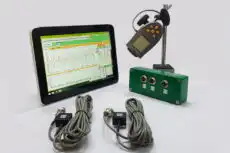


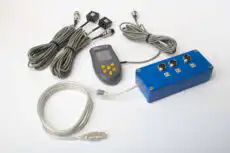
Spektral sizib chiqish signal tahlili jarayonida yuzaga keladigan o'lchov xatosining bir turidir. Tez Furye o'zgarishi (FFT) Bu — bitta diskret chastota cho'qqisidan energiyaning qo'shni chastota kataklariga “surtilishi”, ya'ni tarqalishidir. spectrum’s Qo'shni chastota kataklariga tarqalgan bu surtilish haqiqiy tebranish komponentining amplitudasini ham, ko'rinma chastotasini ham buzib ko'rsatadi, kichik signallarni yashirishi yoki noto'g'ri diagnostikaga olib kelishi mumkin. Uni tushunish har qanday FFT natijasiga ishonch bildirish uchun zarurdir.
1. Ta'rif: Spektral Sizib Chiqish Nima?
Ideal sharoitda bitta chastotadagi sof sinusoida spektrda yagona, cheksiz ingichka chiziq sifatida namoyon bo'lardi. Spektral sizib chiqish esa haqiqiy hayotda sodir bo'ladigan narsa: bitta katakda joylashishi kerak bo'lgan energiya FFT bin qo'shni binlarga yon tomonga "sizib chiqadi" va o'tkir cho'qqi o'rniga keng etaklari bo'lgan cho'qqi hosil qiladi. Natijada spektr mavjud fizika asoslaydigan darajadan ko'ra xirароq va shovqinliroq ko'rinadi; bu, ayniqsa, kichik nosozlik signalini yaqin atrofdagi katta cho'qqidan ajratishga harakat qilayotganda muhim ahamiyat kasb etadi.
2. Asosiy sabab: Uzilish
Spektral sizib chiqish FFT’ning asosiy taxminini buzishdan kelib chiqadi. Algoritm tahlil qiladigan ma'lumotlarning cheklangan bloki davriy signalning time-waveform bir marta to'liq takrorlanuvchi siklidan iborat deb taxmin qiladi. Buning uchun signalning blok oxiridagi qiymati uning blok boshidagi qiymatiga to'liq mos kelishi kerak, shunda blok oxiri bilan boshini uzluksiz ulash mumkin bo'ladi.
Amaliyotda, haqiqiy tebranish signalini o'lchashda barcha every mavjud chastota tashkil etuvchisi uchun aynan butun soni tsikl o'z ichiga olgan blokni yozib olish deyarli mumkin emas. Natijada discontinuity: yozib olingan signalning oxiri boshlanishi bilan mos tushmaydi. FFT bu to'satdan sakrachni, xuddi zarba kabi, yuqori chastotali o'tkinchi jarayon sifatida talqin qiladi — va bu sun'iy o'tkinchi jarayon asl signalda hech qachon bo'lmagan energiyani o'z ichiga oladi. Natijadagi spektrda keng chastota diapazoniga tarqalib ketuvchi aynan shu ortiqcha energiya hisoblanadi.
Ma'lumotlar bloki qanchalik qisqa bo'lsa va ikkita haqiqiy cho'qqi bir-biriga qanchalik yaqin joylashgan bo'lsa, sizib chiqish shunchalik zararli bo'ladi — shu sababli sizib chiqish, chastota ajratish qobiliyati va blok uzunligi har doim birgalikda muhokama qilinadi.
3. Spektral sizib chiqishning ta'sirlari
Energiyaning tarqalishi ikkita asosiy salbiy oqibatga olib keladi:
- Amplitudа aniqligining pasayishi: bitta binda to'plangan bo'lishi kerak bo'lgan energiya endi ko'p binga tarqalib ketadi. Shu sababli asosiy cho'qqi o'z haqiqiy amplitudasidan lower past qiymat ko'rsatadi, yonidagi “yon lob” binlari esa sun'iy ravishda oshiriladi. Sizib chiquvchi cho'qqidan bevosita o'qilgan amplitude og'irlik darajasini baholashda yanglish tushuncha berishi mumkin.
- Chastota ajratish qobiliyatining pasayishi: sizib chiqish yaqin atrofdagi kichikroq cho'qqilarni to'liq yashirib qo'yish uchun yetarlicha kuchli bo'lishi mumkin. Masalan, boshlang'ich bearing defectdan kelib chiquvchi zaif signal katta 1× cho'qqisining keng sizib chiqish etagi ostida butunlay yo'qolib ketishi mumkin unbalance peak.
Ikki ta'sir ham to'g'ridan-to'g'ri tahlilchining maqsadlariga zid ishlaydi: tendensiya kuzatish va og'irlik darajasini aniqlash uchun aniq amplitudalar hamda erta nosozliklarni aniqlash uchun aniq ajratish qobiliyati.
4. Yechim: Oynalash
Spektral sizib chiqish oynalash funksiyasi yordamida nazorat qilinadi windowing funksiyalari. Oyna — vaqt domenidagi signal ma'lumotlariga ko'paytiriluvchi matematik og'irlik funksiyasi before FFT ga uzatilishidan oldin.
Umumiy aylanuvchi mashinalar uchun eng keng tarqalgan tanlov — Hanning window. Uning silliq, qo'ng'iroqsimon profili signal ikki uchini ham nolga qadar sekin kamaytiradi. Bu uchlarni moslashtiradi va shu tarzda birinchi navbatda siljishga sabab bo'lgan sun'iy uzilishni bartaraf etadi. FFT ga silliq davriy signal taqdim etish orqali oynalash siljishni sezilarli darajada kamaytiradi — aniqroq cho'qqilar, past shovqin sathi va sezgirroq tahlilni ta'minlaydi.
Oynalash — bu davolash vositasi emas, balki murosaviy yechimdir. Siljishni bostiruvchi shu tapering asosiy cho'qqini biroz kengaytiradi va uning o'lchangan amplitudasini pasaytiradi, shuning uchun asboblar amplituda tuzatish koeffitsientini qo'llaydi. Turli oynalar bu xossalarni har xil muvozanatlaydi: bitta tonning aniq amplitudasi muhim bo'lganda tekis yuqori (flat-top) oyna afzal ko'riladi (masalan, calibrationvaqtida), bir xil (to'g'ri burchakli) oyna esa bump testda o'tkinchi signallarni yozib olishga mos keladi, Hanning esa kundalik standart bo'lib qolmoqda.
5. Amaliy ahamiyati
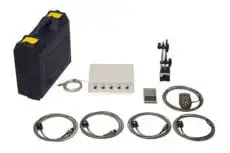
Sahada ishlovchi muhandis uchun xulosa oddiy: toza spektr to'g'ri diagnostika uchun zaruriy shartdir. Kichik podshipnik tonini ko'mib tashlovchi yoki cho'qqi amplitudasini’ kamaytirib ko'rsatuvchi siljish tergov yo'nalishini noto'g'ri tomonga o'zgartirishi mumkin. 1× amplitudani va phase balanslashtirish ishi uchun o'lchashda — bu Balanset-1A kabi ko'chma asbob mashinaning’ o'z podshipniklarida bajaradigan odatiy vazifa — to'g'ri oynalash shu sinxron cho'qqini aniq va uning amplitudasini ishonchli saqlaydi, shuning uchun hisoblangan tuzatish haqiqiy tebranishga asoslanadi, xira artifakt emas.

