Κατανόηση της μόνιμης βαθμονόμησης στην εξισορρόπηση του ρότορα
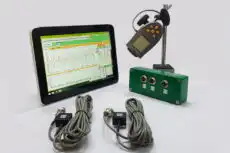
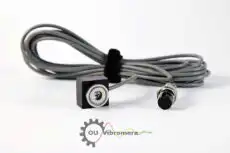
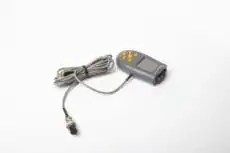
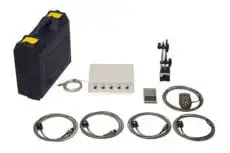

Μόνιμη βαθμονόμηση — γνωστή επίσης ως αποθηκευμένη βαθμονόμηση ή αποθηκευμένοι συντελεστές επίδρασης — είναι μια τεχνική στην επιτόπιας ζυγοστάθμισης όπου το συντελεστές επιρροής που εντοπίστηκαν κατά μια αρχική εργασία εξισορρόπησης αποθηκεύονται και επαναχρησιμοποιούνται για μεταγενέστερες εργασίες εξισορρόπησης στο ίδιο μηχάνημα ή σε πανομοιότυπα μηχανήματα. Με την επαναχρησιμοποίησή τους, εξαλείφεται η ανάγκη για δοκιμαστικό βάρος δοκιμαστικές λειτουργίες που διαφορετικά θα απαιτούνταν κάθε φορά, μειώνοντας δραστικά τον χρόνο και την προσπάθεια που απαιτεί μια επανεξισορρόπηση. Η τεχνική βασίζεται σε μια απλή φυσική αρχή: για ένα δεδομένο σύστημα ρότορα-ρουλεμάν-έδρασης, οι συντελεστές επίδρασης — που περιγράφουν πώς το σύστημα αποκρίνεται σε μια μονάδα ανισορροπίας σε κάθε επίπεδο — παραμένουν ουσιαστικά σταθεροί με την πάροδο του χρόνου, υπό την προϋπόθεση ότι δεν μεταβάλλεται ο μηχανικός χαρακτήρας του συστήματος.
1. Πώς Λειτουργεί η Μόνιμη Βαθμονόμηση
Η μέθοδος χωρίζεται καθαρά σε δύο φάσεις: μια εφάπαξ ρύθμιση που κατοχυρώνει τη βαθμονόμηση, και μια γρήγορη ρουτίνα που την αξιοποιεί.
Φάση 1: Αρχική βαθμονόμηση (εφάπαξ ρύθμιση)
Κατά την πρώτη εξισορρόπηση ενός μηχανήματος, εκτελείται η πλήρης μέθοδος συντελεστών επίδρασης:
- Αρχική εκτέλεση: μετρήστε την αρχικής ανισορροπίας κατάσταση — πλάτος και φάση, πριν από οποιαδήποτε βάρη.
- Δοκιμαστικές μάζες: να εκτελέσει μία ή περισσότερες δοκιμαστικές μάζες — μία για μονοεπίπεδο, δύο για εξισορρόπηση δύο επιπέδων.
- Υπολογισμός συντελεστών επιρροής: το όργανο εξάγει τους συντελεστές από την αλλαγή που παρήγαγαν τα δοκιμαστικά βάρη.
- Αποθήκευση συντελεστών: οι υπολογισθέντες συντελεστές αποθηκεύονται στη μνήμη του οργάνου υπό ένα συγκεκριμένο αναγνωριστικό μηχανήματος.
- Ολοκλήρωση εξισορρόπησης: βάρη διόρθωσης υπολογίζονται, εγκαθίστανται και επαληθεύονται κανονικά.
Φάση 2: Επόμενη εξισορρόπηση (Χρησιμοποιώντας αποθηκευμένη βαθμονόμηση)
Για κάθε μελλοντική εξισορρόπηση στο ίδιο μηχάνημα:
- Ανάκληση αποθηκευμένων συντελεστών: φορτώστε τους προηγουμένως αποθηκευμένους συντελεστές για αυτό το μηχάνημα.
- Απλή δοκιμαστική μέτρηση: μετρήστε μόνο την τρέχουσα δόνηση ανισορροπίας — πλάτος και φάση.
- Άμεσος υπολογισμός: χρησιμοποιώντας τους αποθηκευμένους συντελεστές, το όργανο υπολογίζει αμέσως τις απαιτούμενες διορθώσεις, χωρίς καμία δοκιμαστική εκκίνηση.
- Εγκατάσταση και έλεγχος: τοποθετήστε τις υπολογισμένες διορθώσεις και επιβεβαιώστε το αποτέλεσμα.
Η εξοικονόμηση είναι δραματική. Μια τυπική εργασία δύο επιπέδων συρρικνώνεται από πέντε εκκινήσεις μηχανήματος (αρχική, δοκιμαστική #1, δοκιμαστική #2, διόρθωση, επαλήθευση) σε μόλις δύο (αρχική μέτρηση, επαλήθευση). Το Υπολογιστής Συντελεστή Επιρροής απεικονίζει την υποκείμενη αριθμητική ενός επιπέδου που αυτοματοποιεί το όργανο.
2. Πλεονεκτήματα της Μόνιμης Βαθμονόμησης
Τα πλεονεκτήματα είναι πιο εντυπωσιακά σε επαναλαμβανόμενες, χρονικά κρίσιμες εργασίες:
Σημαντική Εξοικονόμηση Χρόνου
Η εξάλειψη των δοκιμαστικών εκκινήσεων με βάρη μπορεί να μειώσει τον χρόνο εξισορρόπησης κατά 50-70%. Σε κρίσιμο παραγωγικό εξοπλισμό, όπου κάθε ώρα διακοπής λειτουργίας είναι δαπανηρή, αυτό μετατρέπεται απευθείας σε εξοικονόμηση κόστους.
Μειωμένοι Κύκλοι Λειτουργίας Μηχανήματος
Λιγότερες εκκινήσεις και διακοπές παρατείνουν τη διάρκεια ζωής του εξοπλισμού — σημαντικό για μηχανήματα με περιορισμένο αριθμό επιτρεπόμενων κύκλων εκκίνησης ή υψηλό θερμικό στρες κατά την εκκίνηση.
Απλοποιημένη Διαδικασία
Οι τεχνικοί δεν χρειάζεται πλέον να επιλέγουν, να ζυγίζουν, να τοποθετούν και να αφαιρούν δοκιμαστικά βάρη, γεγονός που εξαλείφει μια σημαντική πηγή σφάλματος χειρισμού.
Συνοχή
Η χρήση ενός κοινού συνόλου δεδομένων βαθμονόμησης διασφαλίζει συνεπή προσέγγιση εξισορρόπησης ανεξάρτητα από τον χειριστή και την επίσκεψη συντήρησης.
Απόδοση Γραμμής Παραγωγής
Για κατασκευαστές που εξισορροπούν πανομοιότυπους δρομείς σε μεγάλο όγκο — δρομείς κινητήρων, φτερωτές ανεμιστήρων — η αποθηκευμένη βαθμονόμηση επιταχύνει αρκετά τη διαδικασία ώστε η εξισορρόπηση εντός ή στο τέλος της γραμμής παραγωγής να καθίσταται πραγματικά εφικτή.
3. Πότε να τη Χρησιμοποιείτε — και Πότε Όχι
Η μόνιμη βαθμονόμηση είναι ένα εργαλείο με σαφή πεδίο εφαρμογής. Όταν εφαρμόζεται εκεί όπου οι παραδοχές της ισχύουν, αποτελεί σημαντικό κέρδος παραγωγικότητας· όταν δεν ισχύουν, παράγει με βεβαιότητα λανθασμένες διορθώσεις.
Ιδανικές Εφαρμογές
- Περιοδική επανεξισορρόπηση: εξοπλισμός που απαιτεί περιοδική επανεξισορρόπηση λόγω συσσώρευσης υλικού, φθοράς ή λειτουργικής αλλαγής.
- Στόλοι πανομοιότυπων μηχανημάτων: πολλαπλές πανομοιότυπες μονάδες — ίδιο μοντέλο, τοποθέτηση και συνθήκες λειτουργίας — όπου η βαθμονόμηση μίας εφαρμόζεται στις υπόλοιπες.
- Εξισορρόπηση παραγωγής: γραμμές παραγωγής που εξισορροποιούν πολλούς ταυτόσημους ρότορες.
- Απαιτήσεις ελάχιστης διακοπής λειτουργίας: κρίσιμος εξοπλισμός όπου κάθε λεπτό διακοπής λειτουργίας συνεπάγεται υψηλό οικονομικό κόστος.
- Σταθερά μηχανικά συστήματα: μηχανές με σταθερά χαρακτηριστικά ρουλεμάν, άκαμπτα θεμέλια και αμετάβλητες συνθήκες λειτουργίας.
Πότε Να Μην Το Χρησιμοποιείτε
Η αποθηκευμένη βαθμονόμηση είναι η λανθασμένη επιλογή όταν:
- έχουν συμβεί σημαντικές μηχανικές αλλαγές — αντικατάσταση ρουλεμάν, εργασία θεμελίωσης, αλλαγές σύζευξης·
- η ταχύτητα λειτουργίας έχει απομακρυνθεί από την ταχύτητα βαθμονόμησης·
- ο δρομέας έχει υποστεί δομικές τροποποιήσεις·
- η απόκριση του συστήματος έχει καταστεί μη γραμμική λόγω χαλαρότητα, ρωγμές, ή φθορά ρουλεμάν;
- πρόκειται για μοναδική, εφάπαξ εργασία εξισορρόπησης·
- απαιτείται πολύ υψηλή ποιότητα ισορροπίας, όπου οι ίδιες οι δοκιμαστικές εκτελέσεις παρέχουν απαραίτητη επαλήθευση.
4. Εγκυρότητα και Περιορισμοί
Η αξιοπιστία μιας αποθηκευμένης βαθμονόμησης στηρίζεται ή καταρρέει βάσει ενός συνόλου παραδοχών και υποβαθμίζεται μέσω αναγνωρίσιμων μηχανισμών.
Υποθέσεις που πρέπει να ισχύουν
- Γραμμικότητα συστήματος: το σύστημα ρουλεμάν ρότορα πρέπει να αποκρίνεται γραμμικά — η απόκριση κραδασμών να είναι ανάλογη της μάζας ανισορροπίας.
- Μηχανική σταθερότητα: ρουλεμάν ακαμψία, τα χαρακτηριστικά απόσβεσης και θεμελίωσης πρέπει να παραμένουν ουσιαστικά αμετάβλητα.
- Συνθήκες λειτουργίας: η ταχύτητα, η θερμοκρασία, το φορτίο και οτιδήποτε άλλο επηρεάζει την απόκριση κραδασμών πρέπει να είναι σταθερά.
- Ακτίνα επιδιόρθωσης επιπέδου: τα βάρη πρέπει να τοποθετούνται στην ίδια ακτίνα στον ίδιο επίπεδο διόρθωσης όπως κατά τη διακρίβωση.
Πηγές σφαλμάτων
Αρκετοί παράγοντες σταδιακά υπονομεύουν την ακρίβεια μιας αποθηκευμένης διακρίβωσης με την πάροδο του χρόνου:
- φθορά ρουλεμάν που αυξάνει το κενό και μεταβάλλει τη δυσκαμψία·
- καθίζηση ή μείωση της θεμελίωσης·
- αλλαγές στη ροπή σύσφιξης των κοχλιών στερέωσης·
- μεταβολή θερμοκρασίας που επηρεάζει τη συμπεριφορά των ρουλεμάν·
- αλλαγές στη ροή, την πίεση ή το φορτίο.
5. Βέλτιστες πρακτικές
Για να έχετε αξιόπιστα αποτελέσματα από τη μόνιμη βαθμονόμηση, αντιμετωπίστε τους αποθηκευμένους συντελεστές ως ελεγχόμενο στοιχείο και όχι ως απλή διευκόλυνση.
Εκτελέστε Αρχική Βαθμονόμηση Υψηλής Ποιότητας
- Χρησιμοποιείτε δοκιμαστικά βάρη αρκετά μεγάλα ώστε να προκαλούν σαφή μεταβολή 25–50% στο διάνυσμα δόνησης.
- Εξασφαλίστε καλό λόγο σήματος προς θόρυβο κατά τη διάρκεια κάθε μέτρησης.
- Λαμβάνετε πολλαπλές μετρήσεις και υπολογίζετε τον μέσο όρο τους.
- Επαληθεύστε ότι η βαθμονόμηση αποδίδει αποδεκτό αποτέλεσμα στην αρχική εξισορρόπηση πριν την εμπιστευτείτε.
Τεκμηριώστε Τα Πάντα
Καταγράφετε το πλαίσιο παράλληλα με τους συντελεστές: αναγνώριση και τοποθεσία μηχανής· ημερομηνία βαθμονόμησης· συνθήκες λειτουργίας (ταχύτητα, θερμοκρασία, φορτίο)· θέσεις μέτρησης και τύποι αισθητήρων· θέσεις επιπέδων διόρθωσης και ακτίνες· και τυχόν ειδικές συνθήκες. Ένα πλήρες διαγνωστική έκθεση καθιστά τη βαθμονόμηση ελέγξιμη και επαναχρησιμοποιήσιμη από άλλον τεχνικό.
Επαληθεύστε Περιοδικά
Κατά καιρούς, εκτελείτε πλήρη διαδικασία δοκιμαστικών βαρών για να επιβεβαιώνετε ότι οι αποθηκευμένοι συντελεστές εξακολουθούν να ισχύουν. Μια αξιόπιστη ρουτίνα είναι η ετήσια επαλήθευση με δοκιμαστικά βάρη, η εκ νέου επαλήθευση μετά από κάθε σημαντική μηχανολογική εργασία και η σύγκριση πραγματικών με προβλεπόμενα αποτελέσματα κάθε φορά που χρησιμοποιείται η αποθηκευμένη βαθμονόμηση.
Ορίστε Όρια Επικύρωσης
Ορίστε σαφή κριτήρια επανεβαθμονόμησης: εάν τα υπολογισμένα βάρη διόρθωσης είναι αδικαιολόγητα μεγάλα· εάν η δόνηση δεν μειώνεται όπως αναμένεται μετά τη διόρθωση· ή εάν το πρότυπο δόνησης έχει αποκλίνει σημαντικά από τον κανόνα.
Χρησιμοποιείτε Πάντα Μέτρηση Επαλήθευσης
Εκτελέστε μέτρηση επαλήθευσης μετά την τοποθέτηση οποιασδήποτε διόρθωσης που προκύπτει από αποθηκευμένη βαθμονόμηση και ελέγξτε την υπολειπόμενη ανισορροπία σε σχέση με την ανοχή. Εάν το αποτέλεσμα είναι μη ικανοποιητικό, εγκαταλείψτε τη συντόμευση και εκτελέστε νέα βαθμονόμηση με δοκιμαστικά βάρη.
6. Μόνιμη Βαθμονόμηση σε Περιβάλλοντα Παραγωγής
Στη μεταποίηση η τεχνική αυτή είναι ιδιαίτερα χρήσιμη, διότι ο ίδιος τύπος δρομέα περνά ξανά και ξανά από τον σταθμό εξισορρόπησης.
Διαδικασία εγκατάστασης
- Εξισορροπήστε έναν “πρότυπο” δρομέα με την πλήρη διαδικασία δοκιμαστικών βαρών στον σταθμό εξισορρόπησης παραγωγής.
- Αποθηκεύστε τους συντελεστές επιρροής του ως πρότυπο για αυτόν τον τύπο δρομέα.
- Για κάθε επόμενο δρομέα, μετράτε την αρχική ανισορροπία και εφαρμόζετε τις διορθώσεις που υπολογίζονται από τους αποθηκευμένους συντελεστές.
- Παρακολουθείτε τον ποσοστό επιτυχίας και περιοδικά επαληθεύετε εκ νέου την ακρίβεια με δοκιμαστικά βάρη σε δείγματα δρομέων.
Ποιοτικός έλεγχος
Εφαρμόστε στατιστικό έλεγχο διεργασιών για να παρακολουθείτε την κατανομή των αρχικών τιμών ανισορροπίας· την κατανομή των μεγεθών και γωνιών των βαρών διόρθωσης· την υπολειμματική ανισορροπία μετά τη διόρθωση· και τη συχνότητα διορθώσεων που αποτυγχάνουν και απαιτούν επανεπεξεργασία. Οποιαδήποτε απόκλιση σε κάποιο από αυτά αποτελεί πρώιμο σήμα ότι η αποθηκευμένη βαθμονόμηση αρχίζει να παλιώνει.
7. Τεχνολογία και Υποστήριξη Λογισμικού
Τα σύγχρονα όργανα ζυγοστάθμισης διαθέτουν εκτεταμένες δυνατότητες μόνιμης βαθμονόμησης γύρω από αυτές τις ροές εργασίας:
- Αποθήκευση βάσης δεδομένων: διατήρηση πολλών βαθμονομήσεων οργανωμένων κατά αναγνωριστικό μηχανήματος, μοντέλο ή τοποθεσία.
- Διαχείριση συντελεστών: επεξεργασία, ενημέρωση και διαγραφή αποθηκευμένων βαθμονομήσεων.
- Δείκτες εγκυρότητας: Παρακολούθηση ημερομηνίας βαθμονόμησης, αριθμού χρήσης και στατιστικών επιτυχίας
- Εξαγωγή / εισαγωγή: κοινή χρήση δεδομένων βαθμονόμησης μεταξύ οργάνων ή δημιουργία αντιγράφου ασφαλείας σε υπολογιστή.
- Αυτόματη επιλογή λειτουργίας: εναλλαγή μεταξύ λειτουργίας δοκιμαστικού βάρους και λειτουργίας αποθηκευμένης βαθμονόμησης.
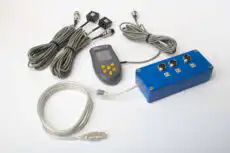
Ένας φορητός αναλυτής δύο καναλιών όπως το Balanset-1A αποθηκεύει συντελεστές επιρροής ανά μηχάνημα, έτσι ώστε ένας ανεμιστήρας ή αντλία που ισορροπείται επανειλημμένα να μπορεί να επανα-διορθωθεί από μια μόνο μέτρηση στα δικά του ρουλεμάν — ο αναλυτής ανακαλεί τους αποθηκευμένους συντελεστές, διαβάζει το τρέχον πλάτος και τη φάση 1×, και υπολογίζει άμεσα το βάρος και τη γωνία, με μια δρομολόγηση επαλήθευσης που επιβεβαιώνει το αποτέλεσμα σύμφωνα με την επιλεγμένη ανοχή.
8. Σχέση με Άλλες Έννοιες Εξισορρόπησης
Η μόνιμη βαθμονόμηση δεν είναι αυτόνομη μέθοδος, αλλά ένα επίπεδο που βασίζεται στα θεμέλια της επί τόπου εξισορρόπησης:
- Εξαρτάται εξ ολοκλήρου από την ακρίβεια της μεθόδου συντελεστών επιρροής.
- Η επιτυχία της εξαρτάται από καλή ευαισθησία ζυγοστάθμισης.
- Τα αποτελέσματά της πρέπει ακόμα να πληρούν τις ανοχής ζυγοστάθμισης καθορίζεται από ISO 21940-11.
- Λειτουργεί εξίσου με διαδικασίες ενός επιπέδου και δύο επιπέδων.
Η σταθερή κατανόηση αυτών των βάσεων είναι αυτό που ξεχωρίζει έναν τεχνικό που χρησιμοποιεί αποθηκευμένη βαθμονόμηση με ασφάλεια από εκείνον που απλώς εμπιστεύεται παλιούς αριθμούς — και είναι απαραίτητη για τη διάγνωση της περιστασιακής περίπτωσης όπου μια κάποτε αξιόπιστη βαθμονόμηση σταματά σιωπηλά να λειτουργεί.

