कंपन विश्लेषणातील पीक विरुद्ध पीक-टू-पीक आयाम




पीक (Pk) and पीक-टू-पीक (Pk-Pk) ही कंपन सिग्नलच्या amplitudeतीव्रतेचे, किंवा परिमाणाचे, मोजमाप करण्याच्या दोन प्रमुख पद्धती आहेत. जरी त्या जवळच्या नात्याच्या असल्या, तरी त्या वेव्हफॉर्मची भिन्न वैशिष्ट्ये मोजतात आणि त्यांचे निदानात्मक उपयोगही वेगवेगळे असतात. त्यांच्यात निवड करणे — आणि प्रत्येकाचा RMS याच्याशी कसा संबंध आहे हे समजून घेणे — हे कंपन विश्लेषक प्रथम शिकत असलेल्या कौशल्यांपैकी एक आहे, कारण तोच भौतिक कंपन तुम्ही कोणते वर्णन वापरता यावर सौम्य किंवा चिंताजनक वाटू शकतो.
1. व्याख्या: Peak आणि Peak-to-Peak यांतील फरक
ही दोन्ही मूल्ये time waveform — वेळेच्या संदर्भात क्षणिक ॲम्प्लिट्यूडचा मागोवा — यावरून वाचली जातात, पण ती त्याची भूमिती दोन वेगळ्या प्रकारे वर्णन करतात.
Peak (Pk) आयाम
The पीक मूल्य हे वेव्हफॉर्मचे शून्य किंवा समतोल स्थितीपासून एका दिशेतील, सकारात्मक किंवा नकारात्मक, कमाल विचलन आहे. हे कंपन चक्रातील सर्वाधिक तीव्र एकमेव क्षण पकडते. सममित वेव्हफॉर्ममध्ये सकारात्मक आणि नकारात्मक peaks सारखे असतात; असममित वेव्हफॉर्ममध्ये ते भिन्न असतात, आणि instruments त्यांपैकी मोठ्याला खरे peak.
Peak-to-Peak (Pk-Pk) आयाम
Peak-to-peak मूल्य म्हणजे कमाल सकारात्मक peak पासून कमाल नकारात्मक peak पर्यंतचे एकूण अंतर — एका चक्रादरम्यान कंपणाऱ्या घटकाच्या हालचालीची पूर्ण व्याप्ती, किंवा एकूण विचलन. स्वच्छ, सममित साइन वेव्हसाठी संबंध सोपा असतो:
Peak-to-Peak = 2 × Peak
प्रत्यक्ष यंत्रसामग्री निर्माण करणाऱ्या गुंतागुंतीच्या, असममित वेव्हफॉर्मसाठी हा नीटस दुप्पट गुणक लागूच होईल असे नाही — वेव्ह क्वचितच शून्य रेषेवर अचूक केंद्रित असते, त्यामुळे peak दुप्पट केल्यास खरी एकूण हालचाल जास्त किंवा कमी दाखवली जाऊ शकते. displacement महत्त्वाची असेल, तर Pk-Pk चे थेट मोजमाप करा; अंदाज लावू नका.
2. Peak (Pk) मोजमाप कधी वापरावे
Peak ॲम्प्लिट्यूड अल्पकालीन, उच्च-ऊर्जा घटना किंवा impacts ओळखण्यासाठी सर्वाधिक उपयुक्त असते. हे एखाद्या घटकावर लागू होणारा कमाल ताण किंवा बल दर्शवते, त्यामुळे हे पुढील बाबींमध्ये मौल्यवान ठरते:
- Impacts शोधणे: तडा गेलेला gear tooth, स्पॉल झालेला बेअरिंग, किंवा सैल भाग time waveform मध्ये तीक्ष्ण impulses निर्माण करतो, ज्यामुळे सरासरी पातळी वाढण्याच्या बराच आधी peak मूल्ये मोठी होतात.
- ताणाचे मूल्यमापन: कारण थकवा-हानी कमाल विचलनाशी संबंधित असते, peak मूल्य हे RMS सारख्या ऊर्जा-आधारित सरासरीपेक्षा निकट येणाऱ्या बिघाडाचा चांगला इशारा असते.
- संरक्षणात्मक अलार्म सेट करणे: काही मशीनांवर अचानक, हानीकारक transient घटनांपासून संरक्षणासाठी peak मूल्यांवर alarms ठेवले जातात.
Peak मूल्ये साधारणपणे त्वरण signals मधून घेतली जातात, जिथे मशीनमधील impulsive forces — आरंभीच्या गिअर आणि bearing damage चे वैशिष्ट्य — सर्वाधिक स्पष्टपणे उठून दिसतात. संबंधित instrument feature, पीक होल्ड, मोजमापादरम्यान दिसलेले सर्वोच्च मूल्य पकडते आणि साठवून ठेवते, त्यामुळे क्षणिक impact चुकत नाही.
3. Peak-to-Peak (Pk-Pk) मोजमाप कधी वापरावे
जेव्हा चिंता एखाद्या घटकाच्या एकूण भौतिक हालचालीबद्दल असते, जी जवळजवळ नेहमी विस्थापन:
- क्लिअरन्स विश्लेषण: Pk-Pk displacement फिरणारा shaft bearing housing किंवा seals सारख्या स्थिर भागांना स्पर्श करण्याइतकी हालचाल करतो का हे दाखवतो, ज्यामुळे कंपणारा भाग व्यापणाऱ्या वास्तविक भौतिक जागेचे थेट मोजमाप मिळते.
- शाफ्ट कंपन निरीक्षण: यांनी निरीक्षणाखाली असलेल्या महत्त्वाच्या turbomachinery वर प्रॉक्समिटी प्रोब, limits आणि alarms जवळजवळ नेहमी peak-to-peak displacement मध्ये — mils किंवा micrometres मध्ये — ISO 7919.
- कमी-वेगाची मशीन: अतिशय मंद rotors वर भागांची एकूण हालचाल, त्यांच्या ऊर्जेपेक्षा, बहुतेकदा आरोग्याचा सर्वात अर्थपूर्ण निर्देशक असते.
A कंपन विस्थापन गणक हे ज्ञात वारंवारतेवर मोजलेली velocity समतुल्य peak-to-peak micrometres मध्ये रूपांतरित करते, जे velocity reading ची displacement-आधारित shaft limit शी तुलना करताना उपयोगी ठरते.
4. RMS सोबत तुलना
Pk आणि Pk-Pk यांची RMS (रूट मीन स्क्वेअर) मूल्यासोबत तुलना करणे अत्यावश्यक आहे, कारण ते कंपनातील एकूण ऊर्जा-सामग्री मोजते:
- RMS हे मशीनच्या एकूण आरोग्याच्या ट्रेंडिंगसाठी सर्वोत्तम आहे आणि आंतरराष्ट्रीय कंपन तीव्रता मानक जसे की ISO 20816 (ISO 10816 ची आधुनिक जागा घेणारा मानक) यांचा पाया आहे, जे त्यांची mm/s zone limits RMS velocity मध्ये निश्चित करतात.
- पीक हे impulsive events पकडण्यासाठी आणि कमाल ताण मोजण्यासाठी सर्वोत्तम आहे.
- पीक-टू-पीक हे एकूण हालचाल आणि चालू क्लिअरन्सचे मूल्यमापन करण्यासाठी सर्वोत्तम आहे.
शुद्ध साइन वेव्हसाठी ही तिन्ही निश्चित गुणकांनी जोडलेली आहेत (Pk ≈ 1.414 × RMS, Pk-Pk = 2 × Pk), आणि एखादे कंप एकक रूपांतरण कॅलक्युलेटर ते क्षणात लागू करते; पण प्रत्यक्ष signals हे गुणोत्तर मोडतात, आणि निदानात्मक मूल्य नेमके तिथेच असते.
5. Crest Factor: जिथे ही तिन्ही भेटतात
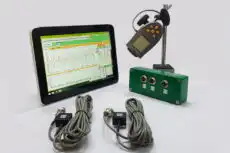
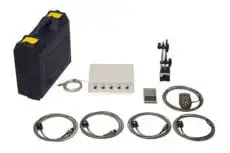
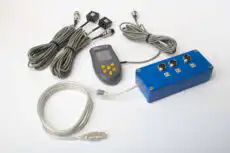
सखोल विश्लेषणात ही तिन्ही परिमाणे एकत्र तपासली जातात, आणि त्यांचा परस्परसंबंध क्रेस्ट फॅक्टर — म्हणजे peak ते RMS चे गुणोत्तर — यात पकडला जातो. उच्च crest factor हा एकूण ऊर्जा (RMS) अजून कमी असतानाही तीक्ष्ण impacts उपस्थित असल्याचे दर्शवतो, जे bearing किंवा gear दोषांचे पारंपरिक प्रारंभीचे लक्षण आहे. RMS शांत असताना crest factor वाढताना पाहणे हे विकसित होत असलेल्या दोषाचा सर्वात लवकर मिळणारा इशारा असू शकतो, एखादा एकमेव descriptor स्वतंत्रपणे alarm देण्याच्या खूप आधी. प्रत्यक्ष क्षेत्रात, यांसारखा पोर्टेबल two-channel analyser Balanset-1A time waveform थेट नोंदवतो आणि peak, peak-to-peak आणि RMS एकत्र दाखवतो, त्यामुळे अभियंता post-processing शिवाय मशीनजवळच ही तिन्ही descriptors — आणि त्यांच्यातील crest factor — वाचू शकतो.

