Разумевање торзионе анализе
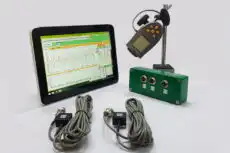
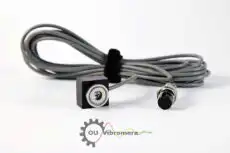
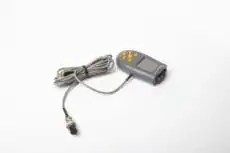
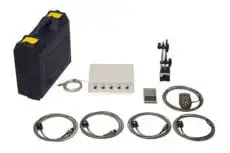

Торзиона анализа је мерење, процена и моделовање торзионе вибрације — торзионих осцилација око осе вратила — у погонима обртних машина. За разлику од бочне вибрације (савијања), које се читају директно стандардним акцелерометре причвршћеним на кућу лежаја, торзионо кретање не производи никакав бочни помак и зато је потпуно невидљиво обичним Анализа вибрација. Његово откривање захтева специјализоване технике — мерне траке, дуалне тахометре или ласерске виброметрија — заједно са анализом за проналажење торзионих природних фреквенција и процену умор ризика у вратилима, спојевима и зупчаницима.
Ова дисциплина је критична за погоне реципрочних мотора, дугачка погонска вратила, снажне мењаче, и системе електромотора са променљивом фреквенцијом (VFD), где торзиона вибрацијска кретања могу изазвати нагло, катастрофално ломљење вратила или споја чак и када је бочна вибрацијска кретања интензитет вибрације изгледа потпуно прихватљива. То је специјализована али неопходно важна могућност за спречавање врсте неочекиваних ломљења која обично надгледање никада не предвиди.
1. Зашто је торзијна анализа неопходна
Торзијна наспрам бочне вибрацијске кретања
Ова два кретања су механички независна, и та независност је управо разлог због којег постоји одвојена дисциплина:
- Бочно: савијање, бочно кретање вратила и лежајева — лако се хвата стандардним акселометром или сонда за близину.
- Торзионо: торзионо окретање око осе ротације, без бочног помака који би се могао детектовати, што га чини невидљивим за уобичајено постављене сензоре.
- Независност: машина може трпети озбиљну торзијску вибацију док показује ниске бочне нивое, и обрнуто — та два кретања се не прате једно другога.
- Штета: торзијска вибрацијска кретања могу прекинути вратила и спојеве без икаквих упозорења са бочних мерења, што је управо разлог зашто је то толико опасно.
Карактеристични режими отказа
Јер торзијна побуда намеће циклични смичући напрез на погонску линију, њени откази имају препознатљив потпис:
- Замор вратила са преломима: обично чист лом оријентисан приближно 45° у односу на осу вратила, равни максималног смичућег напона.
- Отказ елемента спојнице: напрсли зупци у зупчастим спојницама или поцепани флексибилни елементи у еластомерним и ламелним спојницама.
- Лом зуба зупчаника: узрокован осцилујућим, наизменично реверзним оптерећењима зубаца, а не сталним обртним моментом.
- Оштећење клина и клинастог жлеба: фретовање и разлабављење док спој ради напред-назад услед наизменичног увијања.
2. Технике мерења
Пошто не постоји погодна површина на коју би се сензор усмерио, развијене су четири практичне методе које праве компромис између тачности, цене и фреквенцијског опсега.
Метода мерних трака
Најдиректнији пут — мерење торзионог напона на његовом извору:
- Мерне траке се лепе под 45° у односу на осу вратила, у оријентацији која хвата максимални смичући напон.
- Оне очитавају смичућу деформацију насталу увијањем, која се директно претвара у обртни моменат и променљиви напон.
- Ротирајуће вратило захтева или клизне прстенове или бежични телеметрија да би се сигнал преузео са ротирајућег елемента.
- Ово је најтачнија метода, али и најсложенија и најскупља, па се углавном користи у истраживачко-развојном раду.
Метода са два тахометра
- Два оптичка сензора — обично два ласерских тахометара — усмерена су на различите аксијалне положаје на вратилу.
- Инструмент мери тренутну фаза разлику између две мерне тачке.
- Та фазна разлика представља угаоно увијање вратила између њих, што је сама торзиона вибрација.
- Метода је бесконтактна и заиста практична на терену, али је обично ограничена на нискофреквентни торзиони садржај, испод приближно 100 Hz.
Ласерски торзиони виброметар
- Специјализовани ласерски Доплеров систем усмерен на површину вратила.
- Он директно мери флуктуације угаоне брзине, без припреме вратила.
- Бесконтактан, са широким употребљивим фреквенцијским опсегом.
- Моћна, али скупа инструментација резервисана за захтевна испитивања.
Анализа струје мотора
- Торзиона вибрација моторног погонског склопа модулише оптерећење и зато ствара мале флуктуације струје мотора.
- Анализа струје мотора спектар открива те флуктуације индиректно.
- Потпуно је неинвазивна — ниједан сензор се уопште не приближава вратилу.
- Најбоље ју је посматрати као алат за скрининг који означава проблем вредан потврде директном методом.
3. Аналитичка торзиона анализа
Мерење вам говори шта машина ради сада; моделовање вам говори шта ће радити кроз цео опсег брзина и омогућава инжењерима да уклоне проблем још пре него што се метал обради.
Математичко моделовање
- Погонски склоп се своди на торзиони модел концентрисаних маса — дискове инерције повезане торзионим опругама (делови вратила и спојнице).
- Из њега се израчунавају торзионе сопствене фреквенције.
- Модел предвиђа одзив на сваки извор побуде и идентификује торзионе критичне брзине и резонансе.
Извори побуђивања
Торзионе резонанце постају опасне тек када их нешто побуди на одговарајућој фреквенцији. Уобичајени узрочници су:
- Клипни мотори: импулси паљења из сваког цилиндра стварају јаку торзиону побуду на редовима мотора.
- Зубање зупчаника: захват зубаца производи осцилујући обртни моменат на фреквенција захвата зупчаника.
- VFD-ови: PWM преклапање производи хармонике који могу пасти на торзиони мод.
- Електрични: мотор пролазак пола и фреквенције клизања додају додатну торзиону побуду.
Цампбеллов дијаграм за торзију
Стандардни графички алат за повезивање фреквенција са брзином је Кембелов дијаграм:
- Торзионе сопствене фреквенције исцртавају се у односу на радну брзину.
- Линије редова побуде (1×, 2×, ред паљења, ред мењања) су преклопљене.
- Где линија реда пресече сопствену фреквенцију, постоји торзиона критична брзина — тачка преклапања коју треба избегавати.
- Та слика затим усмерава избор радних брзина и свих забрањених опсега. Исту мапу преклапања за дати погонски вод можете скицирати помоћу Калкулатор дијаграма Кембела.
4. Критичне примене
Торзиона анализа није потребна свуда, али је код неколицине породица машина практично обавезна.
- Погони са клипним моторима: дизел генераторски агрегати, компресори са гасним мотором и бродски погон, где велике пулсације обртног момента чине анализу неизбежном.
- Дуга погонска вратила: погони ваљаоница, бродска пропелерска вратила и погони машина за папир, где сама дужина смањује торзиону крутост и спушта сопствене фреквенције у радни опсег.
- Мењачи велике снаге: мењачи ветротурбина и индустријски редуктори изнад око 1,000 HP, где побуда од захвата зупчаника може да побуди торзиони мод.
- Системи мотора са VFD: све већа брига како се погони умножавају, јер PWM хармоници могу побудити торзионе резонанце које мотор са фиксном брзином никада не би.
5. Тумачење резултата
Торзиона студија даје три резултата који заједно одлучују да ли је погонски склоп безбедан за рад.
Торзионе природне фреквенције
- Идентификоване мерењем, прорачуном или обема методама.
- Упоређене са сваком веродостојном побудном фреквенцијом.
- Проверено је довољно раздвајање — удобна маргина између мода и побудне фреквенције кроз цео радни опсег.
Нивои стреса
- Променљиви смичући напон израчунава се из измерене торзионе амплитуде.
- Пореди се са границом издржљивости (замора) материјала.
- Процењује се део заморног века који се троши по сату или по покретању.
- Следи пресуда: да ли су напони прихватљиви за захтевани радни век?
Пригушивање
- Мерено према оштрини одзива на свакој торзионој резонанци.
- Торзионо пригушење обично је веома мало — често испод 1% критичног.
- Мало пригушење значи високе, уске резонантне врхове и велико појачање ако се ред побуде поклопи са модом.
6. Стратегије митигације
Када анализа означи проблем, на располагању су три полуге, и обично се примењују овим редом приоритета.
Раздвајање фреквенција
- Померите торзионе сопствене фреквенције даље од сваке побудне фреквенције.
- Подесите пречник или дужину вратила, или промените торзиону крутост спојнице крутост, да бисте поново подесили модове.
- Промените инерције — на пример додавањем замајца — да бисте померили сопствене фреквенције.
Додавање пригушења
- Уградите торзиони пригушивач (вискозног или фрикционог типа) да одводи енергију из резонанце.
- Предвидите флексибилне спојнице са високим пригушењем уместо крутих.
- Обе мере смањују појачање на резонанци чак и када савршено раздвајање није могуће.
Промене радне брзине
- Избегавајте континуирани рад на идентификованим торзионим критичним брзинама.
- Дефинишите и спроводите забрањене опсеге брзине кроз које машина брзо пролази.
- На VFD-у подесите погон тако да минимизује побуду на проблематичним хармоницима.
7. Торзиона анализа у оквиру теренског програма
Торзиони рад је специјализован, али не стоји самостално — иде уз рутинско балансирање и провере латералних вибрација које одржавају погонски склоп здравим, а чиста латерална слика је основа на којој се торзиона аномалија јасно издваја. У свакодневној теренској пракси инжењер прво потврђује да је сам ротор добро избалансиран и да је 1× неравнотежа под контролом, јер преостала неуравнотеженост и неусклађеност додају сопствену варијацију обртног момента линији. Преносиви двоканални инструмент као што је Balanset-1A обрађује ту латералну страну на терену — мерећи 1× амплитуду и фазу, балансирајући ротор у сопственим лежајевима и проверавајући преостали дисбаланс — тако да се преостала енергија увијања може јасно приписати стварним торзионим изворима, а не латералном дефекту који се тако представља. Када су ротор избалансиран и поравнат, наменско торзионо мерење (двоструки тахометар или мерна трака) може затим изоловати стварно торзионо понашање.
Укратко, торзиона анализа је специјализована дисциплина вибрација усмерена на осцилације увијања које могу изазвати катастрофалне отказе невидљиве стандардном латералном надзору. Иако захтева наменско мерење и моделовање, она је неопходна за погоне са клипним моторима, дуга вратила, мењаче велике снаге и VFD системе, где торзиона вибрација носи стваран ризик за поузданост и безбедност.

