ਟੌਰਸ਼ਨਲ ਵਿਸ਼ਲੇਸ਼ਣ ਨੂੰ ਸਮਝਣਾ
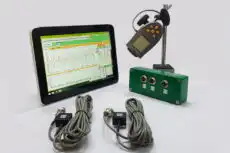
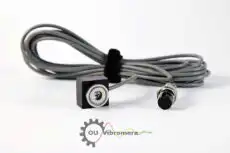
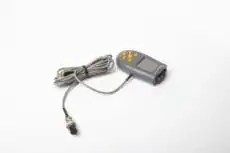
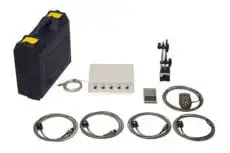
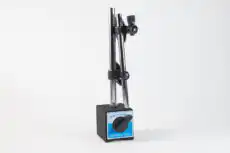

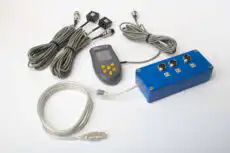
ਟੌਰਸ਼ਨਲ ਵਿਸ਼ਲੇਸ਼ਣ ਇਹ ਮਾਪ, ਮੁਲਾਂਕਣ, ਅਤੇ ਮਾਡਲਿੰਗ ਹੈ ਟੌਰਸ਼ਨਲ ਵਾਈਬ੍ਰੇਸ਼ਨ — ਸ਼ਾਫ਼ਟ ਧੁਰੇ ਦੁਆਲੇ ਮਰੋੜਨ ਵਾਲੀਆਂ ਦੋਲਤਾਂ — ਘੁੰਮਣ ਵਾਲੀਆਂ ਮਸ਼ੀਨਰੀ ਦੀਆਂ ਡਰਾਈਵ ਟ੍ਰੇਨਾਂ ਵਿੱਚ। ਇਸ ਦੇ ਉਲਟ ਲੇਟਰਲ ਵਾਈਬ੍ਰੇਸ਼ਨ (ਝੁਕਾਅ), ਜੋ ਕਿ ਸਿੱਧੇ ਤੌਰ 'ਤੇ ਮਿਆਰੀ ਸੈਂਸਰਾਂ ਦੁਆਰਾ ਪੜ੍ਹੀ ਜਾਂਦੀ ਹੈ ਐਕਸੀਲੇਰੋਮੀਟਰ ਬੇਅਰਿੰਗ ਹਾਊਸਿੰਗ ਨਾਲ ਬੋਲਟ ਕੀਤੇ, ਟੌਰਸ਼ਨਲ ਗਤੀ ਕੋਈ ਪਾਸੇ ਵੱਲ ਵਿਸਥਾਪਨ ਨਹੀਂ ਪੈਦਾ ਕਰਦੀ ਅਤੇ ਇਸ ਲਈ ਆਮ ਸੈਂਸਰਾਂ ਲਈ ਅਦਿੱਖ ਹੈ ਵਾਈਬ੍ਰੇਸ਼ਨ ਵਿਸ਼ਲੇਸ਼ਣ। ਇਸਦੀ ਖੋਜ ਲਈ ਵਿਸ਼ੇਸ਼ ਤਕਨੀਕਾਂ ਦੀ ਲੋੜ ਹੁੰਦੀ ਹੈ — ਸਟ੍ਰੇਨ ਗੇਜ, ਡੁਅਲ ਟੈਕੋਮੀਟਰ, ਜਾਂ ਲੇਜ਼ਰ ਵਾਈਬ੍ਰੋਮੈਟਰੀ — ਟੌਰਸ਼ਨਲ ਕੁਦਰਤੀ ਬਾਰੰਬਾਰਤਾਵਾਂ ਲੱਭਣ ਅਤੇ ਮੁਲਾਂਕਣ ਕਰਨ ਦੇ ਵਿਸ਼ਲੇਸ਼ਣ ਦੇ ਨਾਲ ਥਕਾਵਟ (ਫੈਟੀਗ) ਸ਼ਾਫ਼ਟਾਂ, ਕਪਲਿੰਗਾਂ, ਅਤੇ ਗੇਅਰਾਂ ਵਿੱਚ ਖਤਰਾ।
ਇਹ ਵਿਸ਼ਾ ਰੈਸੀਪ੍ਰੋਕੇਟਿੰਗ-ਇੰਜਣ ਡਰਾਈਵਾਂ, ਲੰਬੀਆਂ ਡਰਾਈਵ ਸ਼ਾਫ਼ਟਾਂ, ਉੱਚ-ਸ਼ਕਤੀ ਵਾਲੇ ਗੇਅਰਬਾਕਸਾਂ, ਅਤੇ ਵੇਰੀਏਬਲ-ਫ੍ਰੀਕੁਐਂਸੀ-ਡਰਾਈਵ (VFD) ਮੋਟਰ ਪ੍ਰਣਾਲੀਆਂ ਲਈ ਮਹੱਤਵਪੂਰਨ ਹੈ, ਜਿੱਥੇ ਟੌਰਸ਼ਨਲ ਵਾਈਬ੍ਰੇਸ਼ਨ ਅਚਾਨਕ, ਭਿਆਨਕ ਸ਼ਾਫ਼ਟ ਜਾਂ ਕਪਲਿੰਗ ਅਸਫਲਤਾ ਦਾ ਕਾਰਨ ਬਣ ਸਕਦੀ ਹੈ, ਭਾਵੇਂ ਲੇਟਰਲ ਵਾਈਬ੍ਰੇਸ਼ਨ ਗੰਭੀਰਤਾ ਬਿਲਕੁਲ ਸਵੀਕਾਰਯੋਗ ਲੱਗਦੀ ਹੈ। ਇਹ ਉਸ ਕਿਸਮ ਦੀ ਅਚਾਨਕ ਟੁੱਟ-ਭੱਜ ਨੂੰ ਰੋਕਣ ਲਈ ਇੱਕ ਵਿਸ਼ੇਸ਼ ਪਰ ਜ਼ਰੂਰੀ ਸਮਰੱਥਾ ਹੈ ਜੋ ਆਮ ਨਿਗਰਾਨੀ ਕਦੇ ਨਹੀਂ ਦੇਖ ਸਕਦੀ।
1. ਟੌਰਸ਼ਨਲ ਵਿਸ਼ਲੇਸ਼ਣ ਕਿਉਂ ਜ਼ਰੂਰੀ ਹੈ
ਟੌਰਸ਼ਨਲ ਬਨਾਮ ਲੇਟਰਲ ਵਾਈਬ੍ਰੇਸ਼ਨ
ਦੋਵੇਂ ਗਤੀਆਂ ਮਕੈਨਿਕੀ ਤੌਰ 'ਤੇ ਸੁਤੰਤਰ ਹਨ, ਅਤੇ ਇਹੀ ਸੁਤੰਤਰਤਾ ਉਹ ਕਾਰਨ ਹੈ ਕਿ ਇੱਕ ਵੱਖਰੀ ਵਿਧਾ ਮੌਜੂਦ ਹੈ:
- ਲੇਟਰਲ: ਸ਼ਾਫਟ ਅਤੇ ਬੇਅਰਿੰਗਾਂ ਦੀ ਝੁਕਾਅ ਅਤੇ ਪਾਸੇ-ਤੋਂ-ਪਾਸੇ ਦੀ ਗਤੀ — ਜਿਸ ਨੂੰ ਇੱਕ ਮਿਆਰੀ ਐਕਸੀਲੇਰੋਮੀਟਰ ਦੁਆਰਾ ਆਸਾਨੀ ਨਾਲ ਮਾਪਿਆ ਜਾ ਸਕਦਾ ਹੈ ਜਾਂ ਪ੍ਰੌਕਸਿਮਿਟੀ ਪ੍ਰੋਬ.
- ਟੌਰਸ਼ਨਲ: ਘੁੰਮਾਅ ਧੁਰੇ ਦੁਆਲੇ ਮਰੋੜ, ਜਿਸ ਵਿੱਚ ਕੋਈ ਪਾਰਦਰਸ਼ੀ ਵਿਸਥਾਪਨ ਨਹੀਂ ਹੁੰਦਾ, ਇਸ ਲਈ ਇਹ ਰਵਾਇਤੀ ਢੰਗ ਨਾਲ ਲਗਾਏ ਸੈਂਸਰਾਂ ਲਈ ਅਦਿੱਖ ਰਹਿੰਦਾ ਹੈ।
- ਸੁਤੰਤਰਤਾ: ਇੱਕ ਮਸ਼ੀਨ ਗੰਭੀਰ ਮਰੋੜੀ ਕੰਪਨ ਤੋਂ ਪੀੜਤ ਹੋ ਸਕਦੀ ਹੈ ਜਦੋਂ ਕਿ ਪਾਰਦਰਸ਼ੀ ਪੱਧਰ ਘੱਟ ਦਿਖਾਉਂਦੇ ਹਨ, ਅਤੇ ਇਸਦੇ ਉਲਟ ਵੀ — ਇਹ ਦੋਵੇਂ ਇੱਕ-ਦੂਜੇ ਨਾਲ ਸੰਬੰਧਿਤ ਨਹੀਂ ਹੁੰਦੇ।
- ਨੁਕਸਾਨ: ਮਰੋੜੀ ਕੰਪਨ ਪਾਰਦਰਸ਼ੀ ਮਾਪਾਂ ਤੋਂ ਕੋਈ ਵੀ ਚੇਤਾਵਨੀ ਦਿੱਤੇ ਬਿਨਾਂ ਸ਼ਾਫਟ ਅਤੇ ਕਪਲਿੰਗਾਂ ਨੂੰ ਤੋੜ ਸਕਦੀ ਹੈ — ਇਹੀ ਕਾਰਨ ਹੈ ਕਿ ਇਹ ਇੰਨੀ ਖਤਰਨਾਕ ਹੈ।
ਵਿਸ਼ੇਸ਼ ਖਰਾਬੀ ਦੇ ਤਰੀਕੇ
ਕਿਉਂਕਿ ਮਰੋੜੀ ਉਤੇਜਨਾ ਡਰਾਈਵ ਲਾਈਨ ਉੱਤੇ ਚੱਕਰੀ ਸ਼ੀਅਰ ਤਣਾਅ ਲਗਾਉਂਦੀ ਹੈ, ਇਸਦੀਆਂ ਖਰਾਬੀਆਂ ਦੀ ਇੱਕ ਪਛਾਣਯੋਗ ਵਿਸ਼ੇਸ਼ਤਾ ਹੁੰਦੀ ਹੈ:
- ਸ਼ਾਫਟ ਥਕਾਵਟ ਫ੍ਰੈਕਚਰ: ਆਮ ਤੌਰ 'ਤੇ ਸ਼ਾਫਟ ਧੁਰੇ ਤੋਂ ਲਗਭਗ 45° ਕੋਣ 'ਤੇ ਸਾਫ਼ ਟੁੱਟ, ਜੋ ਕਿ ਵੱਧ ਤੋਂ ਵੱਧ ਸ਼ੀਅਰ ਤਣਾਅ ਦਾ ਸਮਤਲ ਹੈ।
- ਕਪਲਿੰਗ ਤੱਤ ਦੀ ਅਸਫਲਤਾ: ਗੇਅਰ ਕਪਲਿੰਗਾਂ ਵਿੱਚ ਦੰਦਾਂ ਵਿੱਚ ਦਰਾੜਾਂ, ਜਾਂ ਇਲਾਸਟੋਮੈਰਿਕ ਅਤੇ ਡਿਸਕ ਕਪਲਿੰਗਾਂ ਵਿੱਚ ਲਚਕਦਾਰ ਤੱਤਾਂ ਦਾ ਫਟਣਾ।
- ਗੇਅਰ ਦੰਦ ਟੁੱਟਣਾ: ਸਥਿਰ ਟਾਰਕ ਦੀ ਬਜਾਏ ਦੋਲਨ ਕਰਨ ਵਾਲੇ, ਉਲਟਣ ਵਾਲੇ ਦੰਦਾਂ ਦੇ ਭਾਰ ਦੁਆਰਾ ਚਾਲਿਤ।
- ਕੀ ਅਤੇ ਕੀਵੇ ਨੁਕਸਾਨ: ਬਦਲਵੇਂ ਮਰੋੜ ਦੁਆਰਾ ਜੋੜ ਨੂੰ ਅੱਗੇ-ਪਿੱਛੇ ਕੀਤੇ ਜਾਣ ਨਾਲ ਫ੍ਰੈਟਿੰਗ ਅਤੇ ਢਿੱਲਾਪਣ।
2. ਮਾਪ ਤਕਨੀਕਾਂ
ਕਿਉਂਕਿ ਸੈਂਸਰ ਨੂੰ ਸੁਵਿਧਾਜਨਕ ਸਤ੍ਹਾ ਵੱਲ ਇਸ਼ਾਰਾ ਕਰਨ ਲਈ ਕੋਈ ਢੁਕਵੀਂ ਜਗ੍ਹਾ ਨਹੀਂ ਹੈ, ਚਾਰ ਵਿਵਹਾਰਕ ਤਰੀਕੇ ਸਾਹਮਣੇ ਆਏ ਹਨ, ਜੋ ਲਾਗਤ ਅਤੇ ਬਾਰੰਬਾਰਤਾ ਸੀਮਾ ਦੇ ਵਿਰੁੱਧ ਸ਼ੁੱਧਤਾ ਦਾ ਵਪਾਰ ਕਰਦੇ ਹਨ।
ਸਟ੍ਰੇਨ ਗੇਜ ਵਿਧੀ
ਸਭ ਤੋਂ ਸਿੱਧਾ ਤਰੀਕਾ — ਸਰੋਤ 'ਤੇ ਮਰੋੜੀ ਤਣਾਅ ਨੂੰ ਮਾਪਣਾ:
- ਸਟ੍ਰੇਨ ਗੇਜ ਸ਼ਾਫਟ ਧੁਰੇ ਤੋਂ 45° ਦੇ ਕੋਣ 'ਤੇ ਜੋੜੇ ਜਾਂਦੇ ਹਨ, ਉਹ ਦਿਸ਼ਾ ਜੋ ਵੱਧ ਤੋਂ ਵੱਧ ਸ਼ੀਅਰ ਤਣਾਅ ਨੂੰ ਕੈਪਚਰ ਕਰਦੀ ਹੈ।
- ਇਹ ਮਰੋੜ ਦੁਆਰਾ ਉਤਪੰਨ ਸ਼ੀਅਰ ਖਿਚਾਅ ਨੂੰ ਪੜ੍ਹਦੇ ਹਨ, ਜੋ ਸਿੱਧੇ ਟਾਰਕ ਅਤੇ ਬਦਲਵੇਂ ਤਣਾਅ ਵਿੱਚ ਬਦਲਦਾ ਹੈ।
- ਇੱਕ ਘੁੰਮਦੇ ਸ਼ਾਫ਼ਟ ਲਈ ਜਾਂ ਤਾਂ ਸਲਿੱਪ ਰਿੰਗ ਜਾਂ ਵਾਇਰਲੈੱਸ ਸੰਚਾਰ ਦੀ ਲੋੜ ਹੁੰਦੀ ਹੈ ਟੈਲੀਮੈਟਰੀ ਘੁੰਮਦੇ ਮੈਂਬਰ ਤੋਂ ਸਿਗਨਲ ਲੈਣ ਲਈ।
- ਇਹ ਸਭ ਤੋਂ ਸਟੀਕ ਵਿਧੀ ਹੈ, ਪਰ ਸਭ ਤੋਂ ਗੁੰਝਲਦਾਰ ਅਤੇ ਮਹਿੰਗੀ ਵੀ, ਇਸ ਲਈ ਇਹ ਮੁੱਖ ਤੌਰ 'ਤੇ ਖੋਜ ਅਤੇ ਵਿਕਾਸ ਦੇ ਕਾਰਜਾਂ ਵਿੱਚ ਵਰਤੀ ਜਾਂਦੀ ਹੈ।
ਦੋਹਰੀ ਟੈਕੋਮੀਟਰ ਵਿਧੀ
- ਦੋ ਆਪਟੀਕਲ ਸੈਂਸਰ — ਆਮ ਤੌਰ 'ਤੇ ਦੋ ਲੇਜ਼ਰ ਟੈਕੋਮੀਟਰ — ਸ਼ਾਫ਼ਟ 'ਤੇ ਵੱਖ-ਵੱਖ ਧੁਰੀ ਸਥਾਨਾਂ ਵੱਲ ਨਿਸ਼ਾਨਾ ਕੀਤੇ ਜਾਂਦੇ ਹਨ।
- ਯੰਤਰ ਤੁਰੰਤ ਮਾਪਦਾ ਹੈ ਫੇਜ਼ ਦੋਵੇਂ ਸਟੇਸ਼ਨਾਂ ਵਿਚਕਾਰ ਅੰਤਰ।
- ਉਹ ਫੇਜ਼ ਅੰਤਰ ਉਨ੍ਹਾਂ ਦੋ ਬਿੰਦੂਆਂ ਵਿਚਕਾਰ ਸ਼ਾਫ਼ਟ ਦਾ ਕੋਣੀ ਮਰੋੜ ਹੈ, ਜੋ ਕਿ ਖ਼ੁਦ ਟੋਰਸ਼ਨਲ ਵਾਈਬ੍ਰੇਸ਼ਨ ਹੈ।
- ਇਹ ਗੈਰ-ਸੰਪਰਕ ਅਤੇ ਖੇਤਰ ਵਿੱਚ ਅਸਲ ਵਿੱਚ ਵਿਹਾਰਕ ਹੈ, ਪਰ ਆਮ ਤੌਰ 'ਤੇ ਘੱਟ-ਬਾਰੰਬਾਰਤਾ ਟੋਰਸ਼ਨਲ ਸਮੱਗਰੀ ਤੱਕ ਸੀਮਿਤ ਹੈ, ਲਗਭਗ 100 Hz ਤੋਂ ਘੱਟ।
ਲੇਜ਼ਰ ਟੋਰਸ਼ਨਲ ਵਾਈਬ੍ਰੋਮੀਟਰ
- ਸ਼ਾਫ਼ਟ ਦੀ ਸਤਹ ਵੱਲ ਨਿਸ਼ਾਨਾ ਕੀਤਾ ਗਿਆ ਇੱਕ ਵਿਸ਼ੇਸ਼ ਲੇਜ਼ਰ ਡੌਪਲਰ ਸਿਸਟਮ।
- ਇਹ ਕੋਣੀ-ਵੇਗ ਦੇ ਉਤਾਰ-ਚੜ੍ਹਾਅ ਨੂੰ ਸਿੱਧੇ ਤੌਰ 'ਤੇ ਮਾਪਦਾ ਹੈ, ਬਿਨਾਂ ਕਿਸੇ ਸ਼ਾਫ਼ਟ ਤਿਆਰੀ ਦੇ।
- ਗੈਰ-ਸੰਪਰਕ, ਵਿਆਪਕ ਉਪਯੋਗ ਬਾਰੰਬਾਰਤਾ ਰੇਂਜ ਦੇ ਨਾਲ।
- ਸ਼ਕਤੀਸ਼ਾਲੀ, ਪਰ ਮਹਿੰਗੇ ਯੰਤਰ ਜੋ ਮੁਸ਼ਕਲ ਜਾਂਚਾਂ ਲਈ ਰਾਖਵੇਂ ਹਨ।
ਮੋਟਰ ਕਰੰਟ ਵਿਸ਼ਲੇਸ਼ਣ
- ਮੋਟਰ-ਚਾਲਿਤ ਟ੍ਰੇਨ ਦੀ ਟੋਰਸ਼ਨਲ ਵਾਈਬ੍ਰੇਸ਼ਨ ਲੋਡ ਨੂੰ ਮੋਡਿਊਲੇਟ ਕਰਦੀ ਹੈ ਅਤੇ ਇਸ ਲਈ ਮੋਟਰ ਕਰੰਟ ਵਿੱਚ ਛੋਟੇ ਉਤਾਰ-ਚੜ੍ਹਾਅ ਪੈਦਾ ਕਰਦੀ ਹੈ।
- ਮੋਟਰ-ਕਰੰਟ ਦਾ ਵਿਸ਼ਲੇਸ਼ਣ ਕਰਨਾ ਸਪੈਕਟ੍ਰਮ ਉਨ੍ਹਾਂ ਉਤਾਰ-ਚੜ੍ਹਾਅ ਨੂੰ ਅਸਿੱਧੇ ਤੌਰ 'ਤੇ ਪ੍ਰਗਟ ਕਰਦਾ ਹੈ।
- ਇਹ ਪੂਰੀ ਤਰ੍ਹਾਂ ਗੈਰ-ਦਖ਼ਲਅੰਦਾਜ਼ੀ ਵਾਲਾ ਹੈ — ਕੋਈ ਸੈਂਸਰ ਸ਼ਾਫ਼ਟ ਦੇ ਨੇੜੇ ਨਹੀਂ ਜਾਂਦਾ।
- ਇਸਨੂੰ ਸਭ ਤੋਂ ਵਧੀਆ ਇੱਕ ਸਕ੍ਰੀਨਿੰਗ ਟੂਲ ਵਜੋਂ ਵਰਤਿਆ ਜਾਂਦਾ ਹੈ ਜੋ ਕਿਸੇ ਸਮੱਸਿਆ ਨੂੰ ਫਲੈਗ ਕਰਦਾ ਹੈ ਜਿਸਦੀ ਪੁਸ਼ਟੀ ਕਿਸੇ ਸਿੱਧੇ ਢੰਗ ਨਾਲ ਕਰਨੀ ਚਾਹੀਦੀ ਹੈ।
3. ਵਿਸ਼ਲੇਸ਼ਣਾਤਮਕ ਟੌਰਸ਼ਨਲ ਵਿਸ਼ਲੇਸ਼ਣ
ਮਾਪ ਤੁਹਾਨੂੰ ਦੱਸਦਾ ਹੈ ਕਿ ਮਸ਼ੀਨ ਇਸ ਸਮੇਂ ਕੀ ਕਰ ਰਹੀ ਹੈ; ਮਾਡਲਿੰਗ ਦੱਸਦੀ ਹੈ ਕਿ ਇਹ ਆਪਣੀ ਪੂਰੀ ਗਤੀ ਸੀਮਾ ਵਿੱਚ ਕੀ ਕਰੇਗੀ, ਅਤੇ ਇੰਜੀਨੀਅਰਾਂ ਨੂੰ ਧਾਤੂ ਕੱਟਣ ਤੋਂ ਪਹਿਲਾਂ ਸਮੱਸਿਆ ਨੂੰ ਡਿਜ਼ਾਈਨ ਤੋਂ ਬਾਹਰ ਕੱਢਣ ਦੀ ਆਗਿਆ ਦਿੰਦੀ ਹੈ।
ਗਣਿਤਕ ਮਾਡਲਿੰਗ
- ਡ੍ਰਾਈਵ ਟ੍ਰੇਨ ਨੂੰ ਇੱਕ ਲੰਪਡ-ਮਾਸ ਟੌਰਸ਼ਨਲ ਮਾਡਲ ਵਿੱਚ ਘਟਾਇਆ ਜਾਂਦਾ ਹੈ — ਜੜਤਾ ਦੀਆਂ ਡਿਸਕਾਂ ਟੌਰਸ਼ਨਲ ਸਪ੍ਰਿੰਗਾਂ (ਸ਼ਾਫਟ ਦੇ ਭਾਗਾਂ ਅਤੇ ਕਪਲਿੰਗਾਂ) ਨਾਲ ਜੁੜੀਆਂ ਹੁੰਦੀਆਂ ਹਨ।
- ਇਸ ਤੋਂ ਟੌਰਸ਼ਨਲ ਪ੍ਰਾਕ੍ਰਿਤਕ ਬਾਰੰਬਾਰਤਾਵਾਂ ਦੀ ਗਣਨਾ ਕੀਤੀ ਜਾਂਦੀ ਹੈ।
- ਮਾਡਲ ਹਰ ਉਤੇਜਨਾ ਸਰੋਤ ਪ੍ਰਤੀ ਪ੍ਰਤੀਕਿਰਿਆ ਦੀ ਭਵਿੱਖਬਾਣੀ ਕਰਦਾ ਹੈ ਅਤੇ ਟੌਰਸ਼ਨਲ ਦੀ ਪਛਾਣ ਕਰਦਾ ਹੈ ਕ੍ਰਿਟੀਕਲ ਸਪੀਡਾਂ ਅਤੇ ਰੈਜ਼ੋਨੈਂਸ.
ਉਤੇਜਨਾ ਦੇ ਸਰੋਤ
ਟੌਰਸ਼ਨਲ ਰੈਜ਼ੋਨੈਂਸ ਉਦੋਂ ਹੀ ਖ਼ਤਰਨਾਕ ਬਣਦੀ ਹੈ ਜਦੋਂ ਕੋਈ ਚੀਜ਼ ਉਨ੍ਹਾਂ ਨੂੰ ਸਹੀ ਬਾਰੰਬਾਰਤਾ 'ਤੇ ਚਲਾਉਂਦੀ ਹੈ। ਆਮ ਕਾਰਨ ਇਹ ਹਨ:
- ਰੈਸੀਪ੍ਰੋਕੇਟਿੰਗ ਇੰਜਣ: ਹਰ ਸਿਲੰਡਰ ਦੀਆਂ ਫਾਇਰਿੰਗ ਪਲਸਾਂ ਇੰਜਣ ਆਰਡਰਾਂ 'ਤੇ ਮਜ਼ਬੂਤ ਟੌਰਸ਼ਨਲ ਉਤੇਜਨਾ ਪੈਦਾ ਕਰਦੀਆਂ ਹਨ।
- ਗੀਅਰ ਮੈਸ਼: ਦੰਦਾਂ ਦੀ ਸ਼ਮੂਲੀਅਤ ਇੱਕ ਦੋਲਨਸ਼ੀਲ ਟੌਰਕ ਪੈਦਾ ਕਰਦੀ ਹੈ ਗੀਅਰ ਮੇਸ਼ ਫ੍ਰੀਕੁਐਂਸੀ.
- VFDs: PWM ਸਵਿਚਿੰਗ ਅਜਿਹੇ ਹਾਰਮੋਨਿਕ ਪੈਦਾ ਕਰਦੀ ਹੈ ਜੋ ਕਿਸੇ ਟੌਰਸ਼ਨਲ ਮੋਡ 'ਤੇ ਪੈ ਸਕਦੇ ਹਨ।
- ਇਲੈਕਟ੍ਰੀਕਲ: ਮੋਟਰ ਪੋਲ-ਪਾਸਿੰਗ ਅਤੇ ਸਲਿੱਪ ਬਾਰੰਬਾਰਤਾਵਾਂ ਹੋਰ ਟੌਰਸ਼ਨਲ ਫੋਰਸਿੰਗ ਜੋੜਦੀਆਂ ਹਨ।
ਟੌਰਸ਼ਨ ਲਈ ਕੈਂਪਬੈੱਲ ਡਾਇਗ੍ਰਾਮ
ਬਾਰੰਬਾਰਤਾਵਾਂ ਨੂੰ ਗਤੀ ਨਾਲ ਜੋੜਨ ਲਈ ਮਿਆਰੀ ਗ੍ਰਾਫਿਕਲ ਸਾਧਨ ਹੈ ਕੈਂਪਬੈੱਲ ਡਾਇਗ੍ਰਾਮ:
- ਟੌਰਸ਼ਨਲ ਪ੍ਰਾਕ੍ਰਿਤਕ ਬਾਰੰਬਾਰਤਾਵਾਂ ਨੂੰ ਚੱਲਣ ਦੀ ਗਤੀ ਦੇ ਮੁਕਾਬਲੇ ਪਲਾਟ ਕੀਤਾ ਜਾਂਦਾ ਹੈ।
- ਉਤੇਜਨਾ ਆਰਡਰ ਰੇਖਾਵਾਂ (1×, 2×, ਫਾਇਰਿੰਗ ਆਰਡਰ, ਮੈਸ਼ ਆਰਡਰ) ਨੂੰ ਓਵਰਲੇਅ ਕੀਤਾ ਗਿਆ ਹੈ।
- ਜਿੱਥੇ ਕੋਈ ਆਰਡਰ ਲਾਈਨ ਕਿਸੇ ਪ੍ਰਾਕ੍ਰਿਤਕ ਬਾਰੰਬਾਰਤਾ ਨੂੰ ਪਾਰ ਕਰਦੀ ਹੈ, ਉੱਥੇ ਇੱਕ ਟੌਰਸ਼ਨਲ ਕ੍ਰਿਟੀਕਲ ਗਤੀ ਮੌਜੂਦ ਹੁੰਦੀ ਹੈ — ਇੱਕ ਦਖਲਅੰਦਾਜ਼ੀ ਬਿੰਦੂ ਜਿਸ ਤੋਂ ਬਚਣਾ ਚਾਹੀਦਾ ਹੈ।
- ਇਹ ਤਸਵੀਰ ਫਿਰ ਚੱਲਣ ਦੀਆਂ ਗਤੀਆਂ ਅਤੇ ਕਿਸੇ ਵੀ ਪ੍ਰਤਿਬੰਧਿਤ ਬੈਂਡਾਂ ਦੀ ਚੋਣ ਦੀ ਅਗਵਾਈ ਕਰਦੀ ਹੈ। ਤੁਸੀਂ ਦਿੱਤੀ ਗਈ ਡ੍ਰਾਈਵ ਲਾਈਨ ਲਈ ਉਹੀ ਦਖਲਅੰਦਾਜ਼ੀ ਨਕਸ਼ਾ ਬਣਾ ਸਕਦੇ ਹੋ ਕੈਂਪਬੈੱਲ ਡਾਇਗ੍ਰਾਮ ਕੈਲਕੁਲੇਟਰ.
4. ਨਾਜ਼ੁਕ ਉਪਯੋਗ
ਟੌਰਸ਼ਨਲ ਵਿਸ਼ਲੇਸ਼ਣ ਹਰ ਜਗ੍ਹਾ ਜ਼ਰੂਰੀ ਨਹੀਂ ਹੁੰਦਾ, ਪਰ ਕੁਝ ਖਾਸ ਮਸ਼ੀਨ ਸ਼੍ਰੇਣੀਆਂ ਵਿੱਚ ਇਹ ਅਮਲੀ ਤੌਰ 'ਤੇ ਲਾਜ਼ਮੀ ਹੈ।
- ਰੈਸੀਪਰੋਕੇਟਿੰਗ-ਇੰਜਣ ਡਰਾਈਵਾਂ: ਡੀਜ਼ਲ ਜਨਰੇਟਰ ਸੈੱਟ, ਗੈਸ-ਇੰਜਣ ਕੰਪ੍ਰੈਸਰ, ਅਤੇ ਸਮੁੰਦਰੀ ਪ੍ਰੋਪਲਸ਼ਨ, ਜਿੱਥੇ ਵੱਡੇ ਟਾਰਕ ਧੜਕਣਾਂ ਕਾਰਨ ਵਿਸ਼ਲੇਸ਼ਣ ਅਟੱਲ ਹੋ ਜਾਂਦਾ ਹੈ।
- ਲੰਮੀਆਂ ਡਰਾਈਵ ਸ਼ਾਫ਼ਟਾਂ: ਰੋਲਿੰਗ-ਮਿੱਲ ਡਰਾਈਵਾਂ, ਸਮੁੰਦਰੀ ਪ੍ਰੋਪੈਲਰ ਸ਼ਾਫ਼ਟਾਂ, ਅਤੇ ਪੇਪਰ-ਮਸ਼ੀਨ ਡਰਾਈਵਾਂ, ਜਿੱਥੇ ਬਹੁਤ ਜ਼ਿਆਦਾ ਲੰਬਾਈ ਟੌਰਸ਼ਨਲ ਕਠੋਰਤਾ ਘਟਾਉਂਦੀ ਹੈ ਅਤੇ ਕੁਦਰਤੀ ਫ੍ਰੀਕੁਐਂਸੀਆਂ ਨੂੰ ਓਪਰੇਟਿੰਗ ਰੇਂਜ ਵਿੱਚ ਲੈ ਆਉਂਦੀ ਹੈ।
- ਉੱਚ-ਸ਼ਕਤੀ ਗੀਅਰਬਾਕਸ: ਵਿੰਡ-ਟਰਬਾਈਨ ਗੀਅਰਬਾਕਸ ਅਤੇ ਲਗਭਗ 1,000 HP ਤੋਂ ਵੱਧ ਦੇ ਉਦਯੋਗਿਕ ਰੀਡਿਊਸਰ, ਜਿੱਥੇ ਗੀਅਰ-ਮੈਸ਼ ਉਤੇਜਨਾ ਟੌਰਸ਼ਨਲ ਮੋਡ ਨੂੰ ਗੂੰਜਾ ਸਕਦੀ ਹੈ।
- VFD ਮੋਟਰ ਸਿਸਟਮ: ਇਹ ਤੇਜ਼ੀ ਨਾਲ ਵਧ ਰਹੀ ਚਿੰਤਾ ਹੈ ਕਿਉਂਕਿ ਡਰਾਈਵਾਂ ਦੀ ਵਰਤੋਂ ਵੱਧ ਰਹੀ ਹੈ, ਕਿਉਂਕਿ PWM ਹਾਰਮੋਨਿਕਸ ਟੌਰਸ਼ਨਲ ਰੈਜ਼ੋਨੈਂਸਾਂ ਨੂੰ ਉਤੇਜਿਤ ਕਰ ਸਕਦੀਆਂ ਹਨ ਜੋ ਨਿਸ਼ਚਿਤ-ਗਤੀ ਵਾਲੀ ਮੋਟਰ ਕਦੇ ਨਹੀਂ ਕਰਦੀ।
5. ਨਤੀਜਿਆਂ ਦੀ ਵਿਆਖਿਆ
ਇੱਕ ਟੌਰਸ਼ਨਲ ਅਧਿਐਨ ਤਿੰਨ ਨਤੀਜੇ ਦਿੰਦਾ ਹੈ ਜੋ ਮਿਲ ਕੇ ਫੈਸਲਾ ਕਰਦੇ ਹਨ ਕਿ ਡਰਾਈਵ ਟ੍ਰੇਨ ਚਲਾਉਣੀ ਸੁਰੱਖਿਅਤ ਹੈ ਜਾਂ ਨਹੀਂ।
ਟੌਰਸ਼ਨਲ ਕੁਦਰਤੀ ਫ੍ਰੀਕੁਐਂਸੀਆਂ
- ਮਾਪ, ਗਣਨਾ, ਜਾਂ ਦੋਵਾਂ ਤੋਂ ਪਛਾਣੀਆਂ ਗਈਆਂ।
- ਹਰ ਸੰਭਾਵੀ ਉਤੇਜਨਾ ਫ੍ਰੀਕੁਐਂਸੀ ਨਾਲ ਤੁਲਨਾ ਕੀਤੀ ਗਈ।
- ਢੁਕਵੇਂ ਅੰਤਰ ਲਈ ਜਾਂਚ ਕੀਤੀ ਗਈ — ਓਪਰੇਟਿੰਗ ਰੇਂਜ ਵਿੱਚ ਮੋਡ ਅਤੇ ਫੋਰਸਿੰਗ ਫ੍ਰੀਕੁਐਂਸੀ ਵਿਚਕਾਰ ਆਰਾਮਦਾਇਕ ਮਾਰਜਿਨ।
ਤਣਾਅ ਪੱਧਰ
- ਮਾਪੀ ਗਈ ਟੌਰਸ਼ਨਲ ਐਂਪਲੀਟਿਊਡ ਤੋਂ ਬਦਲਵੀਂ ਸ਼ੀਅਰ ਸਟ੍ਰੈੱਸ ਦੀ ਗਣਨਾ ਕੀਤੀ ਜਾਂਦੀ ਹੈ।
- ਇਸਦੀ ਤੁਲਨਾ ਸਮੱਗਰੀ ਦੀ ਸਥਾਈ ਸੀਮਾ (ਥਕਾਵਟ ਸੀਮਾ) ਨਾਲ ਕੀਤੀ ਜਾਂਦੀ ਹੈ।
- ਪ੍ਰਤੀ ਘੰਟਾ ਜਾਂ ਪ੍ਰਤੀ ਸਟਾਰਟ ਖਪਤ ਹੋ ਰਹੀ ਥਕਾਵਟ ਉਮਰ ਦੇ ਅੰਸ਼ ਦਾ ਅਨੁਮਾਨ ਲਗਾਇਆ ਜਾਂਦਾ ਹੈ।
- ਇੱਕ ਫੈਸਲਾ ਆਉਂਦਾ ਹੈ: ਕੀ ਲੋੜੀਂਦੀ ਸੇਵਾ ਉਮਰ ਲਈ ਸਟ੍ਰੈੱਸ ਸਵੀਕਾਰਯੋਗ ਹੈ?
ਡੈਂਪਿੰਗ
- ਹਰੇਕ ਮਰੋੜੀ ਗੂੰਜ (torsional resonance) 'ਤੇ ਪ੍ਰਤੀਕਿਰਿਆ ਦੀ ਤਿੱਖਾਪਣ ਤੋਂ ਮਾਪਿਆ ਗਿਆ।
- ਟੌਰਸ਼ਨਲ ਡੈਂਪਿੰਗ ਆਮ ਤੌਰ 'ਤੇ ਬਹੁਤ ਘੱਟ ਹੁੰਦਾ ਹੈ — ਅਕਸਰ ਕ੍ਰਿਟੀਕਲ ਦੇ 1% ਤੋਂ ਘੱਟ।
- ਘੱਟ ਡੈਂਪਿੰਗ ਦਾ ਅਰਥ ਹੈ ਉੱਚੀਆਂ, ਤੰਗ ਗੂੰਜ ਚੋਟੀਆਂ ਅਤੇ ਵੱਡਾ ਵਿਸਤਾਰ ਜੇ ਕੋਈ ਉਤੇਜਨਾ ਕ੍ਰਮ ਕਿਸੇ ਮੋਡ ਨਾਲ ਮੇਲ ਖਾਂਦਾ ਹੋਵੇ।
6. ਨਿਵਾਰਣ ਰਣਨੀਤੀਆਂ
ਜਦੋਂ ਵਿਸ਼ਲੇਸ਼ਣ ਕਿਸੇ ਸਮੱਸਿਆ ਦਾ ਸੰਕੇਤ ਦਿੰਦਾ ਹੈ, ਤਿੰਨ ਉਪਾਅ ਉਪਲਬਧ ਹਨ, ਅਤੇ ਇਹ ਆਮ ਤੌਰ 'ਤੇ ਤਰਜੀਹ ਦੇ ਇਸ ਕ੍ਰਮ ਵਿੱਚ ਲਾਗੂ ਕੀਤੇ ਜਾਂਦੇ ਹਨ।
ਬਾਰੰਬਾਰਤਾ ਵਿਭਾਜਨ
- ਮਰੋੜੀ ਕੁਦਰਤੀ ਬਾਰੰਬਾਰਤਾਵਾਂ ਨੂੰ ਹਰ ਉਤੇਜਨਾ ਬਾਰੰਬਾਰਤਾ ਤੋਂ ਦੂਰ ਕਰੋ।
- ਸ਼ਾਫ਼ਟ ਦਾ ਵਿਆਸ ਜਾਂ ਲੰਬਾਈ ਅਡਜਸਟ ਕਰੋ, ਜਾਂ ਕਪਲਿੰਗ ਦੀ ਮਰੋੜੀ ਕਠੋਰਤਾ (stiffness), ਮੋਡਾਂ ਨੂੰ ਮੁੜ-ਟਿਊਨ ਕਰਨ ਲਈ।
- ਜੜਤਾ ਬਦਲੋ — ਉਦਾਹਰਨ ਵਜੋਂ ਫਲਾਈਵ੍ਹੀਲ ਜੋੜ ਕੇ — ਕੁਦਰਤੀ ਬਾਰੰਬਾਰਤਾਵਾਂ ਨੂੰ ਬਦਲਣ ਲਈ।
ਡੈਂਪਿੰਗ ਜੋੜਨਾ
- ਗੂੰਜ ਤੋਂ ਊਰਜਾ ਘੱਟ ਕਰਨ ਲਈ ਮਰੋੜੀ ਡੈਂਪਰ (ਲੇਸਦਾਰ ਜਾਂ ਘਰਸ਼ਣ ਕਿਸਮ) ਲਗਾਓ।
- ਸਖ਼ਤ ਕਪਲਿੰਗਾਂ ਦੀ ਥਾਂ ਉੱਚ-ਡੈਂਪਿੰਗ ਲਚਕਦਾਰ ਕਪਲਿੰਗਾਂ ਨਿਰਧਾਰਿਤ ਕਰੋ।
- ਦੋਵੇਂ ਗੂੰਜ 'ਤੇ ਵਿਸਤਾਰ ਨੂੰ ਘਟਾਉਂਦੇ ਹਨ, ਭਾਵੇਂ ਸੰਪੂਰਨ ਵਿਭਾਜਨ ਸੰਭਵ ਨਾ ਹੋਵੇ।
ਓਪਰੇਟਿੰਗ ਸਪੀਡ ਤਬਦੀਲੀਆਂ
- ਪਛਾਣੀਆਂ ਗਈਆਂ ਮਰੋੜੀ ਕ੍ਰਿਟੀਕਲ ਗਤੀਆਂ 'ਤੇ ਲਗਾਤਾਰ ਚਾਲਨ ਤੋਂ ਬਚੋ।
- ਪ੍ਰਤਿਬੰਧਿਤ ਸਪੀਡ ਬੈਂਡ ਪਰਿਭਾਸ਼ਿਤ ਕਰੋ ਅਤੇ ਲਾਗੂ ਕਰੋ ਜਿਨ੍ਹਾਂ ਵਿੱਚੋਂ ਮਸ਼ੀਨ ਤੇਜ਼ੀ ਨਾਲ ਲੰਘਦੀ ਹੈ।
- VFD 'ਤੇ, ਮੁਸੀਬਤਦੇਹ ਹਾਰਮੋਨਿਕਸ 'ਤੇ ਉਤੇਜਨਾ ਘੱਟ ਕਰਨ ਲਈ ਡਰਾਈਵ ਨੂੰ ਟਿਊਨ ਕਰੋ।
7. ਫ਼ੀਲਡ ਪ੍ਰੋਗਰਾਮ ਵਿੱਚ ਮਰੋੜੀ ਵਿਸ਼ਲੇਸ਼ਣ
ਮਰੋੜੀ ਕਾਰਜ ਵਿਸ਼ੇਸ਼ ਹੁੰਦਾ ਹੈ, ਪਰ ਇਹ ਇਕੱਲਾ ਨਹੀਂ ਖੜ੍ਹਦਾ — ਇਹ ਉਸ ਨਿਯਮਿਤ ਬੈਲੇਂਸਿੰਗ ਅਤੇ ਲੇਟਰਲ-ਵਾਈਬ੍ਰੇਸ਼ਨ ਜਾਂਚਾਂ ਦੇ ਨਾਲ ਬੈਠਦਾ ਹੈ ਜੋ ਡਰਾਈਵ ਟ੍ਰੇਨ ਨੂੰ ਸਿਹਤਮੰਦ ਰੱਖਦੀਆਂ ਹਨ, ਅਤੇ ਇੱਕ ਸਾਫ਼ ਲੇਟਰਲ ਤਸਵੀਰ ਉਹ ਆਧਾਰ ਰੇਖਾ ਹੈ ਜਿਸ ਦੇ ਵਿਰੁੱਧ ਕੋਈ ਮਰੋੜੀ ਅਸੰਗਤੀ ਉੱਭਰਦੀ ਹੈ। ਰੋਜ਼ਾਨਾ ਫ਼ੀਲਡ ਅਭਿਆਸ ਵਿੱਚ ਇੱਕ ਇੰਜੀਨੀਅਰ ਪਹਿਲਾਂ ਇਹ ਪੁਸ਼ਟੀ ਕਰਦਾ ਹੈ ਕਿ ਰੋਟਰ ਆਪਣੇ ਆਪ ਵਿੱਚ ਚੰਗੀ ਤਰ੍ਹਾਂ ਸੰਤੁਲਿਤ ਹੈ ਅਤੇ 1× ਅਸੰਤੁਲਨ ਕੰਟਰੋਲ ਵਿੱਚ ਹੈ, ਕਿਉਂਕਿ ਬਕਾਇਆ ਅਸੰਤੁਲਨ ਅਤੇ ਮਿਸਅਲਾਈਨਮੈਂਟ ਲਾਈਨ ਵਿੱਚ ਆਪਣੀ ਟਾਰਕ ਭਿੰਨਤਾ ਜੋੜਦੇ ਹਨ। ਇੱਕ ਪੋਰਟੇਬਲ ਦੋ-ਚੈਨਲ ਯੰਤਰ ਜਿਵੇਂ ਕਿ Balanset-1A ਉਸ ਲੇਟਰਲ ਪਾਸੇ ਨੂੰ ਸਾਈਟ 'ਤੇ ਸੰਭਾਲਦਾ ਹੈ — 1× ਐਂਪਲੀਟਿਊਡ ਅਤੇ ਫੇਜ਼ ਮਾਪ ਕੇ, ਰੋਟਰ ਨੂੰ ਉਸ ਦੇ ਆਪਣੇ ਬੇਅਰਿੰਗਾਂ ਵਿੱਚ ਬੈਲੇਂਸ ਕਰਕੇ, ਅਤੇ ਤਸਦੀਕ ਕਰਕੇ ਬਕਾਇਆ ਅਸੰਤੁਲਨ — ਤਾਂ ਜੋ ਕਿਸੇ ਵੀ ਬਚੀ ਹੋਈ ਮਰੋੜ ਊਰਜਾ ਨੂੰ ਸਾਫ਼ ਤੌਰ 'ਤੇ ਅਸਲ ਟੌਰਸ਼ਨਲ ਸਰੋਤਾਂ ਨਾਲ ਜੋੜਿਆ ਜਾ ਸਕੇ, ਨਾ ਕਿ ਉਸ ਲੇਟਰਲ ਨੁਕਸ ਨਾਲ ਜੋ ਇਸ ਵਾਂਗੂ ਦਿਖਾਈ ਦਿੰਦਾ ਹੈ। ਰੋਟਰ ਦੇ ਬੈਲੇਂਸ ਅਤੇ ਅਲਾਈਨਮੈਂਟ ਹੋਣ ਤੋਂ ਬਾਅਦ, ਇੱਕ ਸਮਰਪਿਤ ਟੌਰਸ਼ਨਲ ਮਾਪ (ਦੋਹਰਾ ਟੈਕੋਮੀਟਰ ਜਾਂ ਸਟ੍ਰੇਨ ਗੇਜ) ਅਸਲ ਟੌਰਸ਼ਨਲ ਵਿਵਹਾਰ ਨੂੰ ਅਲੱਗ ਕਰ ਸਕਦਾ ਹੈ।
ਸੰਖੇਪ ਵਿੱਚ, ਟੌਰਸ਼ਨਲ ਵਿਸ਼ਲੇਸ਼ਣ ਇੱਕ ਵਿਸ਼ੇਸ਼ ਵਾਈਬ੍ਰੇਸ਼ਨ ਅਨੁਸ਼ਾਸਨ ਹੈ ਜੋ ਮਰੋੜ ਵਾਲੀਆਂ ਦੋਲਨਾਂ ਨੂੰ ਨਿਸ਼ਾਨਾ ਬਣਾਉਂਦਾ ਹੈ ਜੋ ਮਿਆਰੀ ਲੇਟਰਲ ਨਿਗਰਾਨੀ ਲਈ ਅਦਿੱਖ ਵਿਨਾਸ਼ਕਾਰੀ ਅਸਫਲਤਾਵਾਂ ਦਾ ਕਾਰਨ ਬਣ ਸਕਦਾ ਹੈ। ਭਾਵੇਂ ਇਸ ਲਈ ਵਿਸ਼ੇਸ਼ ਤੌਰ 'ਤੇ ਬਣੇ ਮਾਪ ਅਤੇ ਮਾਡਲਿੰਗ ਦੀ ਲੋੜ ਹੈ, ਫਿਰ ਵੀ ਇਹ ਰੈਸੀਪ੍ਰੋਕੇਟਿੰਗ-ਇੰਜਣ ਡ੍ਰਾਈਵਾਂ, ਲੰਬੇ ਸ਼ਾਫਟਾਂ, ਉੱਚ-ਸ਼ਕਤੀ ਗੀਅਰਬਾਕਸਾਂ ਅਤੇ VFD ਪ੍ਰਣਾਲੀਆਂ ਲਈ ਅਟੁੱਟ ਹੈ, ਜਿੱਥੇ ਟੌਰਸ਼ਨਲ ਵਾਈਬ੍ਰੇਸ਼ਨ ਭਰੋਸੇਯੋਗਤਾ ਅਤੇ ਸੁਰੱਖਿਆ ਲਈ ਅਸਲ ਖਤਰਾ ਪੈਦਾ ਕਰਦੀ ਹੈ।

