Разумевање парног вртлога у турбомашинама




Парни вртлог — такође названа аеродинамичка нестабилност унакрсног спрезања или сеал whirl — је самопобуђене вибрације која настаје у парним и гасним турбинама када аеродинамичке силе унутар лавиринтских заптивки, зазора врхова лопатица или других прстенастих пролаза генеришу дестабилизујућу тангенцијалну силу на ротор. Као и уљни вртлог у хидродинамичким лежајевима, то је облик нестабилност ротора у коме се енергија непрекидно извлачи из устаљеног тока паре или гаса и претвара у орбитално кретање вратила. Резултат су вибрације велике амплитуде субсинхрони вибрација на фреквенцији блиској једној од сопствених фреквенција ротора природне фреквенције — и, ако се не открије и не отклони брзо, може довести машину до катастрофалног отказа.
1. Физички механизам
Стеам whirl је у основи интеракција флуида и конструкције у уским зазорима турбинских заптивки. Развија се у три повезана стадијума.
Зазори лавиринтске заптивке
- Пара или гас протиче кроз уске прстенасте пролазе између ротирајућих и непокретних компоненти заптивача
- Преко заптивки делује велика разлика притиска — често 50–200 bar код великих машина.
- Радијални зазори су мали, типично 0.2–0.5 mm.
- Ток добија вртложну, тангенцијалну компоненту брзине док пролази кроз зубе заптивке.
Аеродинамичко унакрсно спрезање
Нестабилност настаје оног тренутка када се ротор помери из свог центрираног положаја:
- Зазор постаје асиметричан — мањи са једне стране, већи са супротне.
- Расподела тока и притиска око заптивке постаје неуједначена.
- Укупна аеродинамичка сила добија тангенцијални компоненту која делује управно на померај, уместо да му се супротставља.
- Та тангенцијална сила понаша се као дестабилизујућа “негативна крутост“, гурајући ротор дуж његове орбите уместо назад ка центру.
Самопобуђене вибрације
- Тангенцијална сила уводи ротор у напредну завртљај орбита.
- Фреквенција орбите се устаљује близу сопствене фреквенције, отуда подсинхрона.
- Енергија се непрекидно извлачи из тока паре да би се одржало кретање.
- Амплитуда расте док је не ограничи расположиви зазор — или отказ машине.
2. Услови који погодују стеам whirl-у
Да ли ће одређена машина постати нестабилна зависи од равнотеже између дестабилизујућих сила заптивке и расположивог пригушење. Три групе фактора нарушавају ту равнотежу.
Геометријски фактори
- Мали зазори заптивке: мањи зазори производе јаче аеродинамичке силе.
- Велике дужине заптивке: више зубаца заптивке или дужи делови заптивке повећавају дестабилизујућу силу.
- Велика вртложна брзина: ток који улази у заптивку са великом тангенцијалном компонентом посебно је дестабилизујући.
- Велики пречници заптивке: већи радијус појачава моменат који генерише аеродинамичка сила.
Услови рада
- Велике разлике притиска: већи пад притиска преко заптивке повећава силу.
- Велика брзина ротора: и центрифугални ефекти и вртложна брзина расту са брзином.
- Мало пригушење лежаја: недовољно пригушење не може да се супротстави силама заптивке.
- Услови малог оптерећења: мала оптерећења лежаја смањују ефективно пригушење које клизног лежаја могу обезбедити.
Карактеристике ротора
- Флексибилни ротори: флексибилни ротор који ради изнад своје критичне брзине подложнији је.
- Системи са малим пригушењем: минимално конструкционо или лежајно пригушење не оставља ништа да апсорбује енергију.
- Велик однос дужине према пречнику: витки ротори су по природи склонији нестабилности.
3. Дијагностичке карактеристике
Вибрациони потпис
Стеам whirl оставља препознатљив образац који Анализа вибрација може поуздано да идентификује:
| Параметар | Карактеристика |
|---|---|
| Учесталост | Подсинхрон, типично 0.3–0.6× радне брзине, често се закључава на сопствену фреквенцију |
| Амплитуда | Висока — често 5–20 пута већа од нормалне вибрације услед неуравнотежености |
| Почетак | Нагла, изнад граничне брзине или притиска |
| Зависност од брзине | Фреквенција се може закључати и одбијати да прати промене брзине |
| Орбита | Велика кружна или елиптична, прецесија унапред |
| Спектар | Доминантни субсинхрони врх |
Разликовање од других нестабилности
- у односу на оил whirl / whip: стеам whirl се јавља у турбинама са лавиринтским заптивкама, док се оил whirl јавља у клизни лежајеви.
- у односу на дебаланс: стеам whirl је подсинхрон, док неравнотежа је 1× синхронски одговор.
- у односу на тријење: стеам whirl се може јавити без икаквог контакта, а његова фреквенција је стабилнија од хаотичне вибрације трљање ротора.
4. Методе превенције и ублажавања
Већина противмера циља једну од две ствари: смањити дестабилизујући вртлог на извору или додати пригушење како би ротор могао да га апсорбује. Дизајн заптивке решава прво; побољшања лежаја и радна ограничења решавају друго.
Модификације дизајна заптивача
- Антивртложни уређаји (swirl brakes): стационарне лопатице или преграде постављене узводно од заптивке уклањају тангенцијалну брзину из улазног тока, нагло смањујући силу унакрсног спрезања. Ово је најефикасније и најчешће решење.
- Учвршћења са структуом саћа: замена глатких лабиринтних сједишта структуром са ћелијама ствара турбуленцију која расипа енергију вртње и повећава ефективно пригушење у зони учвршћења; широко се користи у модерним плинским турбинама.
- Повећане зазоре учвршћења: већи радијални зазори ослабљују аеродинамичку силу, али по цијени већег цурења и смањена учинковитости турбине, па је то обично само привремена мера.
- Приводне заптивке: учвршћења дизајнирана за посебну намену — учвршћења са џеповима за пригушење и учвршћења са рупичастим узорцима — која пружају пригушење уз истовремено бртљење, додајући стабилизирану силу која се супротставља унакрсној спрези.
Побољшања система лежајева
- Повећање пригушења лежаја: уградити лежаје са клизним јастучцима или додати пригушивач стискајућег уљног филма.
- Преднапетост лежаја: примена преучитај повећава и ефективну крутост и пригушење.
- Оптимизиран дизајн лежаја: одабир типа и конфигурације лежаја за максималну маргину стабилности.
Оперативне контроле
- Ограничења брзине: одржавати радну брзину испод прага нестабилности.
- Управљање оптерећењем: избегавати рад при малим оптерећењима која одстрањују пригушење из лежаја.
- Контрола тлака: смањити разлике тлака учвршћења где је процес дозволи.
- Континуирано праћење: у реалном времену праћења стања са посебним алармима за подсинхроне компоненте.
5. Детекција и Хитни Одговори
Рани знаци упозорења
- Мале подсинхроне врхове почињу се појављивати у вибрацији спектар.
- Повремене компоненте високих фреквенција.
- Постепени раст у укупном интензитет вибрације како брзина приступа прагу.
- Промене у орбита облик који су хватили приступни сензори.
Хитне мере када је детектована парна вртложност
- Смањити брзину: одмах смањити брзину испод прага.
- Не одлажите: амплитуда може расти од прихватљиве до разарајуће у 30–60 секунди.
- Хитно гашење: искључити машину ако смањење брзине није довољно или је немогуће.
- Документовати случај: забележити брзину на почетку, фреквенцију, вршну амплитуду и услове рада.
- Немојте поновно покренути: одржавати машину у стању мировања док се не идентификује и исправи основни узрок.
Где теренски инструменти налазе своју примену
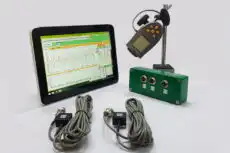
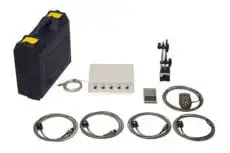
Трајно инсталирани системи заштите обављају тренутно искључивање, али преносиви анализатор са два канала је драгоцен за истраживање нестабилности када је машина заустављена и за проверу комисионирања касније. Инструмент као што је Balanset-1A хвата FFT спектар да потврди подсинхрону вршну вредност, прати њену амплитуду током контролисаног подизања брзине и омогућава инжењеру да прво искључи 1× неравнотежа проблем — мерењем амплитуде и фазе при радној брзини — пре него што вибрацију припише правој самоузбуђеној нестабилности заптивача. Разликовање обичног неуравнотежења, које балансирање на терену може исправити, од праве парне вртложности, која не може, је критични рани корак дијагностике.
6. Индустрије, примене и повезане појаве
Парни вртлог је посебно забрињавајући у:
- Производња електричне енергије: велики генератори парних турбина.
- Петрохемија: парним погоњени компресори и пумпе.
- Гасне турбине: авијетски мотори и индустријске гасне турбине.
- Процесне индустрије: свака брзовртећа турбомашина опремљена лавиринтским заптивачима.
Такође се налази у оквиру породице блиско повезаних нестабилности. Уљни вртлог дели исти дестабилизујући механизам, али у филмском слоју лежаја уместо у заптивању; бич осовине показује исту закључавања фреквенције на природној фреквенцији; и све су то чланови шире категорије самопобуђених нестабилност ротора. Иако су напредовања у технологији заптивања и дизајну лежаја смањила његову учесталост појављивања, разумевање парног вртлога остаје неопходно за свакога ко пројектује или управљаком индустријом брзих, високопритисних турбомасина.

