Pag-unawa sa Laser Vibrometry
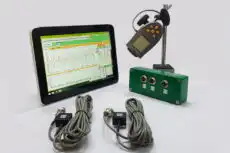
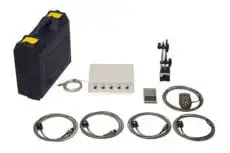

Laser vibrometry ay isang non-contact optical technique para sa pagsusukat ng vibration velocity and displacement mula sa Doppler shift ng laser light na sumasalamin sa isang moving surface. Ang laser Doppler vibrometer (LDV) ay tumutukoy ng beam sa target; habang gumagalaw ang surface, ang frequency ng reflected light ay nag-shift nang eksakto na proporsyon sa surface velocity. Ang instrument ay nagtutuklas ng frequency shift interferometrically at kino-convert ito pabalik sa velocity signal — lahat nang walang mahawakan ang object, nagdadagdag ng mass dito, o paghahanda ng surface maliban sa paggawa nito optically accessible.
Ang kalayaang iyon mula sa contact ay nagbubukas ng mga measurements na awkward o lubos na imposible sa isang mounted accelerometer: rotating components, structures na napakagaan na ang sariling masa ng sensor ay mag-distort ng resulta, points na malalim sa loob ng machinery, mainit na surfaces, at mabilis na surveys na sumasalamin sa daan-daang points sa isang malaking panel. Ang mga LDV ay mahal na instruments, ngunit para sa advanced modal analysis at specialised troubleshooting ay walang kapantay.
1. Prinsipyo ng Pagpapatakbo
Ang method ay nakabase sa optical Doppler effect — ang parehong shift na nagpapataas ng pitch ng isang approaching siren, inilapat sa light at sinukat ng interference.
Ang laser Doppler chain
- Laser emission: isang coherent beam, classically mula sa helium-neon laser sa 633 nm (visible red).
- Beam splitting: ang beam ay hinihati sa isang measurement beam na nakatuon sa target at isang internal reference beam.
- Reflection: ang measurement beam ay sumasalamin sa vibrating surface.
- Doppler shift: ang frequency ng reflected light’s ay nag-shift ng instantaneous surface velocity.
- Interference: ang returning beam ay pinagsasama ulit kasama ang reference beam.
- Detection: ang beat frequency na ginawa ng interference na iyon ay katumbas ng Doppler shift.
- Demodulation: ang Doppler frequency ay naka-decode sa isang velocity na proporsyonal sa surface motion.
What it measures
- Pangunahing output — velocity, nakuha direkta mula sa Doppler shift.
- Displacement, by integrating the velocity.
- Acceleration, by differentiating ang velocity — ang conversion sa acceleration pagiging isang routine na post-processing step.
- Saklaw ng frequency: mula DC hanggang sa paligid ng 1.5 MHz depende sa modelo — malayo higit pa sa abot ng karamihan ng contact sensors.
- Saklaw ng amplitude: mula nanometres hanggang millimetres, isang kahanga-hangang malawak na dynamic range.
2. Advantages
Ang mga benepisyo ay lahat ay nagmumula sa isang katotohanan — walang aabot sa workpiece.
- Tunay na non-contact: walang mass-loading, ideal para sa lightweight structures, kayang sukatin ang rotating surfaces tulad ng blades at shafts, at hindi na kailangan ng installation time o adhesive.
- Accessibility: umaabot ito sa mga puntos na hindi maaabot ng contact sensor — sumusukat mula metres ang layo, sa pamamagitan ng windows o optical ports, at papunta sa mainit na surfaces, vacuum chambers o hazardous areas.
- Spatial resolution: isang scanning system ay sumasalamin sa isang surface ng mabilis, kumukuha ng hundreds ng points sa loob ng ilang minuto, na gumagawa operating deflection shapes and full mode shapes madaling makuha; 3D systems ay umaabot dito sa buong spatial motion.
- Malawak na bandwidth: tunay na DC response (tunay na displacement) hanggang megahertz frequencies, lahat mula sa isang instrument.
3. Limitations
Ang mga kakayahang iyon ay may kasamang tunay na constraints na nagpapanatili sa LDV bilang isang specialist kaysa isang araw-araw na tool.
- High cost: ang mga sistema ay tumatakbo mula sa humigit-kumulang $20,000 hanggang sa malayo pang higit sa $200,000, na nagsasara sa kanila para sa routine monitoring at nagreserba sa kanila para sa research at high-value problems.
- Line-of-sight na kinakailangan: isang unobstructed optical path sa target ay mandatory; ang mga obstructions at fully enclosed equipment ay talunin ang method.
- Pangangailangan sa Surface: ang target ay dapat sumasalamin sa laser nang pakinabang. Ang Mirror-bright surfaces ay maaaring starve ang detector at maaaring kailangan retroreflective tape o isang light powder coating, habang ang transparent materials ay mahirap.
- Environmental sensitivity: ang air currents, dust at oil mist ay kumakalat sa beam, ang temperature gradients ay gumagawa itong lumukso, at anumang vibration ng LDV mismo ay nakakasama sa pagbabasa — kaya isang rigid, isolated mounting ay essential.
4. Mga Aplikasyon
Ang laser vibrometry ay nakatuon kung saan nabibigong ang contact sensors.
- Rotating components: blade vibration sa turbines, fans at compressors; ang frequency at deflection ng individual blades; torsional vibration ng shafts; at gear-tooth vibration. Ito ay complementary sa dedicated rotating-blade techniques tulad ng blade tip timing.
- Lightweight structures: electronics boards at MEMS devices, thin panels at membranes — saanmang lugar ang isang mounted sensor’s mass ay magbabago sa napakahusay na motion na sinusukat.
- Modal analysis: operating-deflection-shape at mode-shape determination, mabilis na spatial surveys ng hundreds ng points, at animated displays kung paano tunay na nag-dedeform ang isang structure.
- Special environments: mataas na temperatura surfaces na sinusukat mula sa ligtas na distansya, vacuum chambers at clean rooms (walang sensor contamination), at hazardous areas na sinusurvey remotely.
5. Mga Uri ng Laser Vibrometer
Ang pamilya ay sumasaklaw mula sa isang solong fixed beam hanggang sa buong tatlong-dimensional na sistema, nanegosyo ng capability kontra sa cost.
- Single-point LDV: sumusukat ng isang lokasyon sa isang pagkakataon, scanned nang manu-mano o sa pamamagitan ng motor; ang pinakakaraniwang at economic na uri.
- Scanning LDV: isang steerable mirror ay sumasalamin sa beam sa buong surface, sumusukat ng maraming points sa sequence para sa automated ODS work.
- 3D LDV: tatlong sinag mula sa iba't ibang anggulo ang naglalahay ng paggalaw sa X, Y at Z na bahagi para sa kumpletong tatlong-dimensional na paglalarawan — at ang pinaka-mahal na pagpipilian.
- Rotational LDV: espesyalisado upang subaybayan ang isang punto sa umiikot na ibabaw, inilaan para sa pagsukat ng torsional-vibration.
6. Mga Best Practices sa Pagsukat
Ang maaasahang datos ng LDV ay nakadepende nang kasing dami sa setup tulad ng sa instrumentong ito.
Setup: i-mount ang LDV nang matibay sa isang tripod o stand, iangat ito nang patayo sa ibabaw upang ito ay makaranas ng paggalaw direktang papunta at palayo dito, magtrabaho sa isang pinakamahusay na distansya (karaniwang 0.3–5 m), at bawasan ang mga agos ng hangin, putik at pagkakaalipin na vibration sa paligid ng landas ng sinag.
Target surface: ang isang malinis, diffusely reflective na ibabaw ay nagbibigay ng pinakamahusay na signal; ang retroreflective tape ay nagsasalba ng mahirap o madilim na target; ang specular mirror-like reflection ay dapat iwasan dahil ipinapadala nito ang pagbabalik off-axis; at ang isang magaan na surface coating ay maaaring tumulong kung saan ang reflectivity ay marginal.
7. Paghahambing sa Contact Sensors
Nakatakda laban sa conventional transducers, ang niche ng LDV ay nagiging malinaw: ito ay nangunguna karamihan kung saan ang contact sensors ay lumalaki, at vice versa.
| Feature | Contact sensors | Laser vibrometry |
|---|---|---|
| Mass loading | Maaaring makaapekto sa mga resulta | Zero (non-contact) |
| Installation | Mounting required | Point and measure |
| Rotating surfaces | Difficult or impossible | Straightforward |
| Cost | Mababa ($100–5,000) | Mataas ($20k–200k+) |
| Routine monitoring | Ideal | Not practical |
| Research / special | Limited | Excellent |
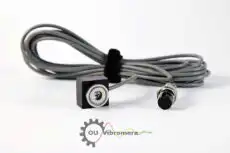
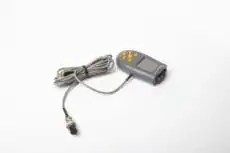
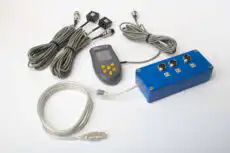
Para sa araw-araw na katotohanan ng field balancing at condition monitoring, ang contact sensor ay patuloy na nangunguna sa gastos, pagiging matatag at kaginhawahan. Ang isang portable two-channel analyser tulad ng Balanset-1A ay sumusukat ng vibration gamit ang matibay, mababang-gastos na accelerometers ng kilalang sensitivity at kumukuha ng phase reference mula sa isang optical tachometer na nagbabasa ng isang stripe ng reflective tape — isang mas praktikal na pag-ayos para sa pagbabalanse ng isang rotor sa sarili nitong mga bearing kaysa sa pag-align ng isang interferometric beam sa isang gumagana na halaman. Ang laser vibrometry at contact instrumentation ay samakatuwad na komplementaryo: ang LDV para sa research bench at ang tunay na hindi maa-access na pagsukat, ang contact analyser para sa production floor.
Ang laser vibrometry ay naghahatid ng isang natatanging non-contact measurement capability, umaabot sa vibration na hindi makakaabot ng mga tradisyonal na sensor. Ang gastos at pagiging kumplikado ay naglilimita nito sa pananaliksik at espesyalisadong paglutas ng problema, ngunit para sa rotating-component analysis, lightweight-structure testing at mabilis na spatial surveys ito ay nananatiling isang hindi matatawaran na kasangkapan sa advanced machinery diagnostics at structural dynamics.

