Pag-unawa sa Mechanical Wear
Mechanical wear ay ang progresibong pag-aalis ng materyal mula sa mga solidong ibabaw sa pamamagitan ng mekanikal na aksyon kapag ang mga ibabaw na iyon ay nasa kamag-anak na paggalaw sa ilalim ng load. Sa mga umiikot na makinarya, inaatake nito ang bearings, gears, seals, couplings at anumang bahagi na may sliding o rolling na pakikipag-ugnayan. Hindi tulad ng biglang pagbasag ng fatigue o brittle fracture, ang wear ay isang unti-unting pagkasira: nagbubukas ito ng mga clearance, naubos ang dimensional na katumpakan at binabago ang texture ng ibabaw sa paglipas ng panahon, dahan-dahang nagpapataas ng vibration hanggang sa makompromiso ang pagganap o pagiging maaasahan. Dahil ang bawat makina na may mga gumagalaw na bahagi ay nagsasailalim ng wear, ang layunin sa inhinyeriya ay hindi ang alisin ang wear kundi kontrolin ang bilis nito.
1. Kahulugan at Kung Bakit Mahalaga ang Wear
Ang wear ay hindi maiiwasan saanman nagtatambal at gumagalaw ang mga ibabaw, ngunit ang bilis nito ay sumasaklaw sa maraming antas ng magnitude depende sa disenyo, lubrication, mga materyales at kapaligiran. Isang maayos na na-lubricate, magaang na na-load na journal bearing ay maaaring tumatakbo nang dekada; ang parehong geometry na kulang sa langis o pinakain ng kontaminadong lubricant ay maaaring masira sa loob ng ilang araw. Ang pagkontrol ng wear ay samakatuwid ay sentral sa pagiging maaasahan ng makinarya, at ang pagsubaybay ng pag-unlad nito ay isa sa mga pundasyon ng pagsubaybay sa kondisyon ng makina and preventive maintenance. Ang wastong disenyo, lubrication, pagpili ng materyales at pagpapanatili ay hindi makakatigil ng wear, ngunit magkasamang pinipigilan nila ang bilis nito at pinapalaki ang buhay ng bahagi.
2. Ang Mga Pangunahing Mekanismo ng Wear
Ang wear ay hindi isang solong kababalaghan. Ilang natatanging mekanismo ang gumagana — madalas nang sabay-sabay — ang bawat isa ay may sariling sanhi, hitsura at lunas.
Abrasive Wear
Ang pinakakaraniwang mekanismo sa pang-industriyang makinarya, sanhi ng matitigas na particle o asperities na nagbabanat ng materyal:
- Dalawang-katawan na abrasyon: Ang matitigas na particle o magaspang na matigas na ibabaw ay kumukurot sa mas malambot na katapat na ibabaw, tulad ng sandpaper.
- Tatlong-katawan na abrasyon: Ang mga maluwag na particle na nakulong sa pagitan ng mga ibabaw ay gumaganap bilang grinding media.
- Appearance: Makinis, pinakintab na mga ibabaw na may mga direksyonal na gasgas na nakahanay sa direksyon ng galaw.
- Rate: Halos proporsyonal sa katigasan ng particle, contact load, at distansya ng paggulong.
- Common in: bearings, gears at mga seal na nalantad sa polusyon.
Adhesive Wear (Galling / Scuffing)
Nangyayari kapag nasira ang protektibong lubricant film at nagkadikit ang metal sa metal:
- Mechanism: Ang direktang pakikipagtampo ng metal sa metal ay bumubuo ng mga mikroskopikong malamig na weld sa mga tuktok ng asperity.
- Process: Ang mga welded junction na ito ay napupunit habang nagpapatuloy ang galaw, inililipat ang materyal mula sa isang ibabaw patungo sa isa pa.
- Appearance: Magaspang, napunit na mga ibabaw na may pinalis o inilipat na materyal.
- Progression: Kapag nagsimula na ito, maaari itong mabilis na lumala at maging mapanira sa matitinding kaso (seizure).
- Prevention: Sapat na lubrication, mga extreme-pressure (EP) additive, at mga paggamot sa ibabaw.
Erosive Wear
Materyales na inalis ng isang dumaloy na likido na nagdadala ng mga nakalagay na partikulo:
- Cause: Mataas na bilis ng likido o gas na puno ng mga abrasive na particle na tumutugon sa isang ibabaw.
- Common in: pump impellers, mga upuan ng valve, at mga kurbada ng tubo.
- Appearance: Maayos na nabubura ang mga ibabaw na may pagkawala ng materyal na nakatuon sa direksyon ng daloy.
- Rate: Proporsyonal sa bilis, katigasan, at konsentrasyon ng particle.
Corrosive Wear
Kemikal na atake na nagtatrabaho nang sabay sa mekanikal na aksyon:
- Ang korrosyon ay bumubuo ng oxide o iba pang layer ng compound sa ibabaw.
- Ang mekanikal na pagkiskis ay nag-aalis ng layer na iyon, inilalantad ang sariwang metal.
- Pagkatapos ay nagpapatuloy ang korrosyon sa bagong nalantad na ibabaw, at umuulit ang siklo.
- Ang dalawang mekanismo ay synergistic — ang pinagsanib na rate ay lumalagpas sa kabuuan ng bawat isa kapag kumikilos nang mag-isa.
- Laganap sa mga kapaligiran ng proseso na may agresibong kemikal.
Fretting Wear
Nagmumula sa mga interface na tila nakatigil ngunit sa katotohanan ay nagmimikro-oscillate:
- Mechanism: Maliit na oscillatory na paggalaw sa amplitude (micrometers) sa pagitan ng mga nakaugnay na ibabaw sa ilalim ng vibration.
- Result: Mga labi ng oxide, pitting sa ibabaw, at kalaunan ay pagluwag ng kasukasuan.
- Appearance: Pulang-kayumanggi (iron oxide, “cocoa”) o itim na pulbos, na may naka-lokalisadong pitting.
- Common at: mga press fit, bolted joint, at shrink fit na nakalantad sa vibration.
- Prevention: Dagdagan ang interference o clamp load, bawasan ang vibration, at mag-apply ng mga paggamot sa ibabaw. Ang fretting sa isang bearing fit ay isang madalas na dahilan ng mechanical looseness.
Cavitation Erosion
- Ang mga vapour bubble ay lumalabas laban sa ibabaw, na lumilikha ng matinding, lokal na peak pressure.
- Ang paulit-ulit na micro-jet shock loading ay nagpapagod at nag-aalis ng materyal.
- Karaniwan sa mga pump impeller at valve na nagpapatakbo malapit sa o mas mababa kaysa sa kanilang NPSH margin.
- Nagbubunga ng isang natatanging malambot at pitted na hitsura; ito ay malapit na kaugnay ng cavitation at pinapalala ng mababang daloy recirculation.
3. Mga Salik na Nakakaapekto sa Rate ng Wear
Mga Kondisyon ng Pagpapatakbo
- Load: Ang mas mataas na contact load ay nagpapataas ng wear rate, madalas halos linearly (ayon sa Archard’s wear law).
- Speed: Ang mas malaking distansya ng paggulong bawat yunit ng oras ay nagpapataas ng pagkawala ng materyal at frictional heating.
- Temperature: Ang mas mataas na temperatura ay nagpapabilis ng karamihang mga mekanismo ng pagkasira at nagpapanipis ng lubricant.
- Lubrication: Ang sapat na lubrication ang pinaka-makapangyarihang solong variable, madalas na nagbabawas ng pagkasira nang ilang order ng magnitude.
Mga Katangian ng Materyales
- Hardness: Ang mas matatag na mga ibabaw ay mas lumalaban sa abrasive wear.
- Toughness: Lumalaban sa adhesive wear at pinsala ng epekto.
- Compatibility: Ang mga magkaibang materyal na magkasamang gumagana ay karaniwang kumakasira nang mas mababa kaysa sa magkaparehong pares, na madaling magaling sa galling.
- Pagkakatapos ng ibabaw: Ang mas maayos na mga ibabaw ay karaniwang kumakasira nang mas mabagal dahil bumubuo sila ng mas mababang friction at maayos na nagtatambal.
Mga Salik sa Kapaligiran
- Antas ng kontaminasyon (alikabok, buhawi, mga partikula ng proseso).
- Halumigmig at mga ahente na nakakasama.
- Mga matinding pagbabago ng temperatura.
- Presensya ng mga abrasive o kemikal na agresibong media ng proseso.
4. Pag-detect ng Pagkasira
Dahil ang pagkasira ay unti-unti, pinakamainam itong mahuli sa pamamagitan ng pagsubaybay ng mga trend sa ilang magkakumplimentong parameter kaysa sa paghihintay para sa isang alarma.
Pagsubaybay ng Vibration
- Gradwal na pagtaas: Ang mga antas ng pangkalahatang vibration ay unti-unting tumataas sa loob ng mga buwan o taon.
- High-frequency content: Ang mga magaspang na ibabaw ay nagpapataas ng broadband at high-frequency na vibration.
- Mga epekto ng clearance: Ang lumalaking kalayaan ay lumilikha ng marami harmonics ng bilis ng pagpapatakbo — isang palatandaan ng kaluwagan.
- Mga palatandaan na partikular sa bahagi: bearing fault frequencies para sa pagsusuot ng bearing at frequency ng gear mesh mga sideband para sa gear wear ay nag-lolokal ng pinagmulan.
Paghahambing ng bawat survey laban sa nakatagong baseline ang nagpapalit sa mga pagbabasa na ito bilang isang sistema ng maagang babala, at trend analysis inihahayag kung gaano kabilis nagpapalala ang kondisyon.
Oil Analysis
- Pagbibilang ng particle: A rising particle concentration signals active wear.
- Spectrographic na pagsusuri: Tinutukoy ng elemental na komposisyon ang pinagmulan — bakal mula sa mga gear, tanso mula sa mga cage ng bearing, kromo mula sa mga lagusan.
- Ferrography: Ang hugis at morpolohiya ng mga particle ay nagtatangi sa paggupit, pagkuskos, at pagkasira dahil sa pagod ng metal.
- Trending: Ang rate ng pagtaas, hindi lamang ang antas, ang nagpapakita ng kalubhaan.
Pagsusukat ng Dimensyon
- Mga pagsusuri ng clearance (bearing play, gear backlash).
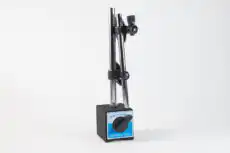
- Pagsukat ng diameter ng shaft sa mga bearing journal.
- Pagsusukat ng kapal ng gear-tooth.
- Paghahambing sa mga bagong sukat at nailathala na mga limitasyon ng pagkasira.
Pagsubaybay sa Temperatura
- Ang tumataas na friction mula sa pagkasira ay nagpapataas ng temperatura ng mga bahagi.
- Ang pagsubaybay sa temperatura ng bearing at gear ay sinusubaybayan ang mahinang pagtaas.
- Ang biglaang pagbabago ng temperatura ay kadalasang nagtatanda ng paglipat patungo sa matinding at nagmamadaling pagkasira.
5. Pag-iwas at Kontrol
Lubrication
- Ang pinaka-epektibong paraan ng pag-iwas sa pagkasira sa lahat.
- Ang magkakaugnay na pelikula ng pampadulas ay nagpapanatiling hiwalay ang mga ibabaw.
- Gamitin ang tamang viscosity para sa load, bilis, at temperatura.
- Panatilihin ang kalinisan at palitan ang pampadulas ayon sa iskedyul.
Kontrol ng Kontaminasyon
- Epektibong sealing upang maiwasan ang pagpasok ng mga abrasibong particle.
- Filtrasyon sa mga sistema ng sirkulasyon ng langis.
- Malinis na mga gawi sa pag-aayos at pagpapanatili.
- Proteksyon sa kapaligiran — mga enclosure at takip.
Pagpili ng Materyales
- Tukuyin ang mga materyales na lumalaban sa pagkasira para sa mga tungkuling may mataas na pagkasira.
- Magasikaso ng mga treatments sa ibabaw — hardening, coatings, nitriding.
- Pagsamahin ang mga katugmang (magkaibang) materyales upang maiwasan ang galling.
- Gumamit ng mga sacrificial wear surface na mura at madaling palitan.
Pag-optimize ng Disenyo
- Bawasan ang presyon ng kontakto sa pamamagitan ng pagbibigay ng sapat na lugar ng suporta.
- Piliin ang rolling contact kaysa sliding kung posible.
- I-optimize ang kalidad ng ibabaw.
- Tiyaking maaasahang naihahatid ang pampadulas sa bawat wear surface.
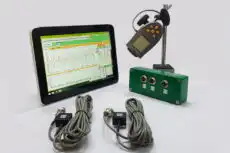
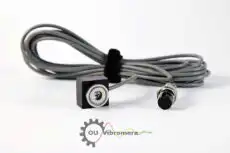
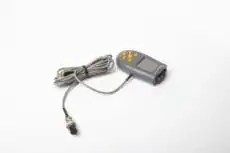
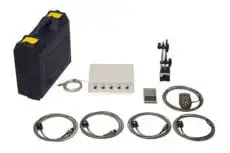
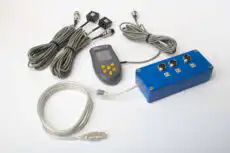
Ang vibration analysis ang praktikal na ugnayan na nagkokonekta sa pagtuklas at kontrol, dahil maraming pagkasira ang unang nahahalata bilang mahinang pagtaas ng vibration. Sa field, ang isang portable na two-channel analyser tulad ng Balanset-1A ay nagbibigay-daan sa isang technician na makuha ang mga spectrum sa sariling mga bearing ng makina sa bilis ng operasyon, at mapaghiwalay ang mga lagda ng nasirang bearing at nasirang gear mula sa unbalance, at — kung ang tumataas na vibration ay lumalabas na isyu ng balanse sa halip na pagkasira — iwasto ito sa site nang walang disassembly. Upang maplanong ang cadence ng inspeksyon, ang isang calculator ng L10 na buhay ng bearing tinatantya kung gaano katagal mabubuhay ang isang bearing sa ilalim ng rolling-contact fatigue sa ilalim ng aktwal na load nito, at ang isang vibration-trend remaining-life estimator tinatayang kung gaano katagal bago ang isang nasirang bahagi ay lumampas sa threshold ng alarma nito.
Sa kabuuan, ang mekanikal na pagkasira ay hindi maiiwasan sa anumang makina na may mga gumagalaw na bahagi, ngunit ang rate nito ay nasa kontrol ng inhinyero sa pamamagitan ng lubrication, kontrol sa kontaminasyon, maingat na pagpili ng materyales, at magandang disenyo. Ang pagsubaybay sa progreso nito gamit ang vibration analysis, oil analysis, at mga dimensional na pagsusuri ay nagbibigay-daan sa predictive na pagpapalit ng mga nasirang bahagi bago mabigo — na ino-optimize ang parehong reliability at gastos sa pagpapanatili.

