Mufta Nosozliklarini Tushunish
Clutch defects — ishqalanishli va elektromagnit muftalarida rivojlanadigan nosozlik turlari bo'lib, bu qurilmalar ikkita val o'rtasidagi quvvat uzatilishini nazorat ostida ulash va uzish imkonini beradi. Ularga quyidagilar kiradi: ishqalanish materialining yeyilishi va jilollanishi, egilgan bosim plitalari, zaiflashgan prujinalar, yog' yoki ifloslanish bilan kontaminatsiya, elektromagnit g'altakning ishdan chiqishi va ulash mexanizmining mexanik shikastlanishi. Foydalanish jarayonida bu nosozliklar sirpanish (to'liqsiz moment uzatish), titrash (tebranuvchi ulash), haddan tashqari qizish va xarakterli ko'rinishida namoyon bo'ladi vibration tebranish belgilari, ularni tebranish tahlili ulash paytida ham, barqaror ishlash rejimida ham aniqlash mumkin.
Muftaning doimiy coupling dan farqi shundaki, u qayta-qayta ulash va uzish imkonini berishi kerak. Har bir tsikl yeyilish va charchoqni oshiradi hamda xizmat muddatini asta-sekin kamaytiradi. Shu vazifaning tufayli nosozlik turlari muftaga xos bo'lib, ularni aniqlash muhim ahamiyatga ega — nasoslar, kompressorlar, konveyerlar, dastgohlar va son-sanoqsiz avtomobil transmissiya tizimlarida ishga tushirish, to'xtatish yoki momentni cheklash uchun muftalar qo'llaniladigan istalgan joyda.
1. Tur Bo'yicha Keng Tarqalgan Mufta Nosozliklari
Ishqalanish diskli muftalar
Eng keng tarqalgan konstruktsiya prujinalar yordamida qisib turiladigan ishqalanish yuzasiga asoslanadi va uning ko'pgina nosozliklari ayni shu interfeysga borib taqaladi.
- Ishqalanish materialining yeyilishi: qayta ulash va sirpanishning odatiy oqibati. Qoplama minimal spetsifikatsiyadan pastga ingichkalashganda, moment sig'imi kamayadi va sirpanish ortadi. Odatdagi xizmat muddati ish rejimiga qarab taxminan 1 000 dan 10 000 tagacha ulash tsikligacha bo'ladi.
- Glazing: haddan ortiq qizish qoplamani mat to'qimasining o'rniga qattiq, yaltiroq va silliq yuzaga aylantiradi, ishqalanish koeffitsientini pasaytiradi va sirpanishga yo'l ochadi. Engil abraziv ishlov berish yoki almashtirish tutash kuchini tiklaydi.
- Issiq nuqtalar va egilish: notekis kontakt disk yoki bosim plitasini egib yuboradigan mahalliy qizib ketishga olib keladi, ulash paytida titrash va pulsatsiyalanuvchi momentni keltirib chiqaradi. Agar chegaralar doirasida bo'lsa, yuzasini qayta ishlang, aks holda almashtiring.
- Prujinaning zaiflashishi: bosim prujinalari issiqlik va charchash ta'sirida kuchini yo'qotadi, qisish kuchini kamaytiradi, siljishni oshiradi va prujinalar — yoki butun mufta — almashtirilmaguncha aylanma moment sig'imini pasaytiradi.
Elektromagnit muftalar
Magnit bilan boshqariladigan muftalar xuddi shu mexanik eskirish jarayoniga elektr o'lchovini qo'shadi.
- Coil failure: elektromagnit g'altak yonib ketsa yoki qisqa tutashsa, magnit kuch yo'qoladi va mufta yo ulana olmaydi, yo zaif ulanadi. Oddiy g'altak qarshiligi yoki tok sarfi tekshiruvi buni tasdiqlaydi.
- Havo oralig'i muammolari: an excessive air gap eskirish yoki noto'g'ri sozlash tufayli magnit kuch to'liq ulanish uchun yetarli bo'lmaydi, shuning uchun mufta faqat qisman ulanadi va siljishdan qizib ketadi. Oraliqni o'lchang va texnik talabga muvofiq sozlang.
- Ishqalanish yuzasining eskirishi: mexanik muftalar singari, ishqalanish yuzasi eskiradi, aylanma moment uzatish kamayadi va isish nosozlikka qadar tezlashadi.
2. Tebranish Xarakteristikalari
Ulanish paytida — tebranma taqillash
Muftaning taqillashi ulanish paytida yuzalar ilashib va qo'yib yuborganda yuzaga keladigan tebranma siljish-sirpanishdir. Bu odatda 5–30 Hz diapazonida past chastotali hodisa sifatida namoyon bo'ladi va silliq qo'zg'alish o'rniga siltanib-to'xtab ishga tushish sifatida his qilinadi. Odatdagi sabablar: sirlangan ishqalanish yuzalari, bukilgan qismlar, ifloslanish yoki noto'g'ri prujina bosimi. Natijada burmalama tebranishni uzatish mexanizmi orqali uzatiladi, bu esa o'z navbatida pastki oqimdagi gears, vallar va muftalarni shikastlashi mumkin.
Uzluksiz ishlash paytida
- Sog'lom, balanslangan mufta: umumiy tebranish darajasiga juda kam hissa qo'shadi.
- Balanssiz mufta qismlari: yig'maning massa assimetriyasi 1× tebranish running-speed tarkibiy qism sifatida namoyon bo'ladi — bu balanssizlikning klassik belgisi unbalance.
- Qisman ulanish (sirpanish): kirish va chiqish o'rtasidagi tezlik farqi tartibsiz, sub-synchronous components.
- Mexanik bo'shashish: valda bo'sh o'rnatilgan muftа quyidagi ketma-ketlikni hosil qiladi: harmonics, ning asosiy belgisi mexanik bo'shashish.
Sirpanishdan kelib chiqadigan tebranish
Mufta uzluksiz sirpanib ketganda — nuqsonli yoki ortiqcha yuklanganidan — kirish va chiqish vallarining doimiy tezlik farqi hosil qiladi zarba chastotalari kichik tezlik nomuvofiqligidan, uzatish tizimidagi buralish tebranishidan va katta issiqlik miqdoridan. Doimiy sirpanish muftani eng tez yo'q qiluvchi holatlardan biridir.
3. Mufta nuqsonlarining keng tarqalgan sabablari
- Normal wear: ishqalanish materiali yupqalashib, prujinalar bo'shashi bilan ish sikliga bog'liq xizmat muddati davomida kutilgan eskirish.
- Ortiqcha sirpanish: driven by overload, poor adjustment or worn lining, slip generates heat rapidly and can wreck a clutch in minutes when severe.
- Misalignment: konsentrik yoki parallel bo'lmagan mufta yarmalari notekis yuklanib, eyilishni tezlashtiradi, tebranishli urilishni keltirib chiqaradi va podshipnik yuklamalarini oshiradi. Muqtalar bilan bir xil valning noto'g'ri o'rnatilganligi (misalignment) muqtalarda uchraydigan muammo muftalarni ham qamrab oladi.
- Contamination: yog' yoki moy ishqalanishni kamaytiradi va sirpanishga olib keladi; abraziv zarralar qoplama eyilishini tezlashtiradi; namlik corrosion va ishqalanish xususiyatlarini o'zgartiradi.
- Overload: mufta ruxsat etilgan qiymatdan oshiqcha moment sirpanish, qizib ketish va tezlashgan eyilishga sabab bo'ladi — kichik mufta tanlanganligi sababli surunkali yoki zarbali yuklamalardan vaqtinchalik bo'lsin.
4. Diagnostika va nosozliklarni bartaraf etish
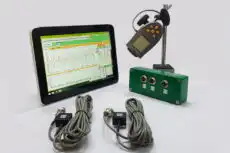
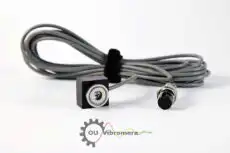
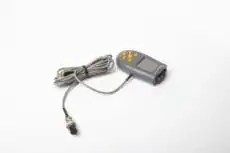
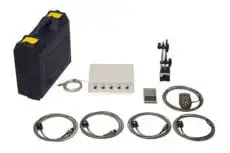
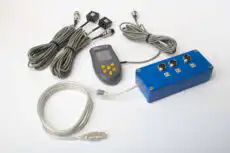
Tizimli tekshirish eskirgan muftani ortiqcha yuklanilgan yoki noto'g'ri o'rnatilganidan ajratadi. Ulash sifatini tekshirib chiqing (silliq yoki silkitilgan, to'liq yoki qisman), so'ngra yuklanish ostida kirish va chiqish tezligini solishtirish orqali sirpanishni sinab ko'ring. Mufta haroratini his qiling yoki o'lchang — iliq holat maqbul, issiq holat esa yo'q — va taqirlash, chiyillash yoki g'ichirlashga quloq soling. Tebranishni tekshirish tebranishli urish polosasini va sirpanishdan kelib chiqadigan komponentlarni qidirishi kerak, friktsion yuzalarning vizual ko'rigi esa mavjud bo'lsa, umumiy rasmni to'ldiradi. Sirpanish aniq tezlik farqi izini qoldirganligi sababli, ikkala val tezligi va tebranish ta'sirini qayd etuvchi ikki kanalli analizator tashxisni tasdiqlash uchun juda mos keladi; Balanset-1A, masalan, ulash tezligini va natijada yuzaga keladigan spectrum ni bevosita ishlab chiqarish joyida kuzatish uchun taxometr va tebranish kanallaridan foydalanadi. Sabab aniqlangandan so'ng, tuzatish choralari to'g'ridan-to'g'ri: ulash sozlamasini ishlab chiqaruvchi spetsifikatsiyasiga muvofiq tekshiring, friktsion yuzalardan ifloslikni tozalang, istalgan noto'g'ri o'rnatishni to'g'rilang, qo'llaniladigan moment ruxsat etilgan chegarada ekanligini tasdiqlang, hamda eskirgan disklar, prujinalar yoki zarur bo'lsa butun muftani almashtiring.
5. Oldini olish va xizmat muddatini uzaytirish
Ekspluatatsiya amaliyoti
Har bir ulash chekli resursning bir qismini sarflashi sababli, eng samarali chora-tadbirlar operatsion hisoblanadi. Keraksiz ulanishlardan saqlaning, zarba ta'sirini cheklash uchun bosqichma-bosqich ulashdan foydalaning va qoplama materialiga issiqlik uzatadigan qisman ulash holatida muftani hech qachon uzoq vaqt ushlab turmang. Qurilmani toza va quruq saqlang hamda ruxsat etilgan moment chegarasida ishlating.
Texnik xizmat ko'rsatish amaliyoti
Davriy sozlash odatiy aşınmani qoplashtiradi va qisish kuchini tiklaydi. Ishqalanish yuzalarini toza saqlang, faqat ajratish mexanizmini moylang — hech qachon ishqalanish yuzlarini emas — va sovutish havo oqimi to'siqsizligini tekshiring. Eskirgan komponentlarni to'liq ishdan chiqishidan oldin almashtirish, ishlab chiqarish jarayonida uzilgan debriyajning yetkazishi mumkin bo'lgan qo'shimcha zarardan ancha arzondir.
Debriyaj nosozliklari doimiy muftalar o'rniga debriyajdan foydalanadigan mashinalarga xos bo'lib, o'ziga xos tebranish va ish alomatlari orqali namoyon bo'ladi. Aşınma mexanizmlari, jalb etish dinamikasi va texnik xizmat ko'rsatish tartibini tushunish debriyajli qurilmalarning ishonchli ishlashini ta'minlaydi hamda eskirgan yoki ifloslangan debriyajdan kelib chiqadigan qimmat avarilarning oldini oladi.

