Sub-sinxron va Sinxron Tebranishlar: Tushuntirish


Sub-sinxron tebranish chastotasi bo'lgan har qanday tebranish tarkibiy qismi less than mashinaning asosiy aylanish tezligidan (1×) past bo'lib, uning paydo bo'lishi aylanuvchi mashina uzatishi mumkin bo'lgan eng jiddiy signallardan biridir. Buning sababini tushunish uchun uni o'ziga qarama-qarshi tushuncha bilan solishtirib ko'rish foydali bo'ladi: sinxron tebranishval aylanish tezligining aniq butun son kattalaririga mos keladigan. Bu farq nazariy emas — u mexanik usulda tuzatish mumkin bo'lgan oddiy nosozliklarni qayta loyihalashni yoki darhol to'xtatishni talab qiluvchi o'z-o'zini qo'zg'atuvchi beqarorliklardan ajratib turadi. Ushbu maqola ikkala atamani ta'riflaydi, odatdagi sabablarini sanab o'tadi va ularni qanday farqlash mumkinligini ko'rsatadi FFT spectrum.
1. Sinxron Tebranish Nima?
Sinxron tebranish val’ning aylanish tezligining butun son karraliliga teng chastotada yuzaga keladi — u aylanish bilan “sinxron” ishlaydi. Bu mashina tebranishining eng keng tarqalgan toifasi hisoblanadi.
- Aynan running speed chastotasidagi (1×) tebranish sinxrondir.
- Ikki baravar aylanish tezligidagi (2×), uch baravar (3×) va hokazodagi tebranishlar ham sinxron bo'lib, odatda harmonics aylanish tezligidan.
Umumiy nosozliklarning katta qismi aynan shu tarzda namoyon bo'ladi. Unbalance, misalignment, and mexanik bo'shashish barchasi sinxron tebranishni yuzaga keltiradi. Masalan, muvozanatsizlik har doim 1× RPM da namoyon bo'ladi va tezlikdagi har qanday o'zgarishni to'liq kuzatib boradi — RPM ni ikki baravarga oshiring va muvozanatsizlik cho'qqisi shunchaki yangi 1× chastotasiga ko'chadi. Majburlash val burchagiga bog'liqligi sababli, bular klassik majburiy tebranishlar.
2. Sub-Sinxron Tebranish Nima?
Sub-sinxron tebranish chastotasi below 1× dan past — “sub-” prefiksi shunchaki “past” degan ma'noni anglatadi. Sezilarli sub-sinxron tarkib ko'pincha jiddiy ogohlantirish belgisi hisoblanadi, chunki u odatda oddiy mexanik nuqson emas, balki o'z-o'zini qo'zg'atuvchi, beqaror rotor-dinamik hodisalar tomonidan yuzaga keltiriladi. Asosiy farq energiya manbaida: sinxron nosozliklarda tashqi geometrik xato rotorni har aylanishda bir marta harakatga keltiradi, sub-sinxron beqarorlikda esa majburlash funksiyasi rotorning o'z harakati podshipniklar yoki zichlagichlar bilan o'zaro ta'siri orqali hosil bo'ladi. Aynan bu teskari aloqa zanjirlari bu holatlarni rotor beqarorligi.
3. Sub-Sinxron Tebranishning Umumiy Sabablari
Sub-sinxron tebranish suyuqlik pardali podshipniklarda ishlaydigan yuqori tezlikli turbomashinalarda jiddiy muammo hisoblanadi sirt podshipniklari.
3.1 Oil Whirl
Bu sub-sinxron beqarorlikning eng keng tarqalgan shaklidir. Suyuqlik pardali podshipnikda valini ushlab turadigan gidrodinamik yog' pardasi aylanishni boshlashi va valini oldinga itarishi mumkin, bu hodisa oil whirl. Yog' plyonkasining o'rtacha tezligi val yuzasi tezligining yarmidan biroz past bo'lganligi sababli, natijada hosil bo'lgan whirl taxminan paydo bo'ladi ishchi tezlikning 0,42 dan 0,48 katargacha (0.42×–0.48×). Yog' burmalashi ko'pincha yuklama va haroratga bog'liq bo'ladi hamda podshipnik yuklamasi, yog' harorati yoki aylanish tezligi o'zgarganda paydo bo'lishi yoki yo'qolishi mumkin.
3.2 Oil Whip
Yog' qamchisi — yog' burmalashining yanada og'ir va xavfli shakli. U burmalash chastotasi rotor birinchi tabiiy chastotasiga — ya'ni critical speed. Qulflangandan so'ng, quyi sinxron amplituda juda katta o'sishi mumkin va tezlik oshganda ham yo'qolmaydi; buning o'rniga tebranish tezlik yanada oshsa ham kritik tezlik chastotasida qoladi. Bu qulflangan, kuchayib boruvchi holat — shaft whip — bilan chambarchas bog'liq bo'lib, juda kuchli buzuvchi ta'sir ko'rsatadi va odatda zudlik bilan shutdown.
3.3 Rotor bilan Stator o'rtasidagi Ishqalanish
Rotor va statsionar qism — masalan, rotor rub — o'rtasidagi aloqa ham quyi sinxron tebranishlarni, ko'pincha esa 0.5×. 0,5× toza komponenti — rotorni har ikki aylanishda bir marta turtuvchi ishqalanishning klassik belgisi. Quyi sinxron sub-harmonic reaksiyasining boshqa manbalari — og'ir bo'shashlik va ayrim ishqalanish bilan bog'liq nolinearliklar.
4. FFT Spektrida Ularni Bir-biridan Farqlash
Ikki guruhni spectrum da ajratish asosan cho'qqilarning 1× ga nisbatan qayerda joylashishiga bog'liq:
- Sinxron cho'qqilar: 1× AYT cho'qqisini (ishchi tezlik) toping va aniq butun son katlamalarida — 2×, 3× va boshqalarda — cho'qqilarni qidiring.
- Sinxronik chastota ostidagi cho'qqilar: chastota o'qi bo'yicha 1× cho'qqisidan before pastroqda joylashgan har qanday sezilarli cho'qqini qidiring. Ishchi tezlikning taxminan 45% darajasidagi cho'qqi — yog' burmalashining darslik darajasidagi ko'rsatkichi.
Tashxis cho'qqining ishchi tezlikka nisbatan aniq nisbatiga bog'liq bo'lganligi sababli, aniq tezlik ma'lumoti zarur — taxminiy AYT dagi kichik xatolar 0,48× burmalashni noaniq ko'rinishga olib kelishi mumkin. Order analysis bir aylanishga mos keladigan taxometr impulsi bilan bog'lash ushbu noaniqlikni bartaraf etadi — spektr bevosita ish tezligining tartiblari ko'rinishida ifodalanadi.
5. Farqning Nima Uchun Muhimligi
Qaysi guruhga qarayotganingizni bilish butun javob strategiyasini belgilaydi:
- Sinxron muammolar (masalan, muvozanatsizlik) majburiy tebranishlar bo'lib, odatda mexanik yo'l bilan bartaraf etilishi mumkin — muvozanatlash, o'qtekislash yoki mustahkamlovchi elementlarni mahkamlash orqali.
- Sinxron ostidagi muammolar (masalan, yog' qamrovi) — o'z-o'zidan qo'zg'aladigan tebranishlar yoki beqarorliklar hisoblanadi. Ular rotor-podshipnik tizimi dagi fundamental muammoga ishora qiladi va muvozanatlash orqali bartaraf etib bo'lmaydi. Tuzatish choralari odatda podshipnik konstruktsiyasini o'zgartirish (masalan, egiluvchi qafasli podshipniklarga o'tish), yog' harorati yoki bosimini sozlash, podshipnikdagi yukni oshirish yoki rotorni o'zgartirishni o'z ichiga oladi.
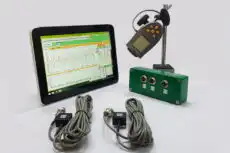
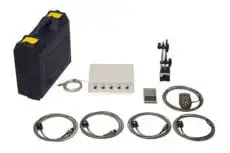
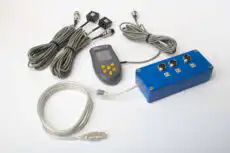
Shu sababli yuqori amplitudali sinxron osti cho'qqisi odatda xuddi shunday katta sinxron cho'qqiga qaraganda jiddiyroq ogohlantirish sifatida qabul qilinadi. Amalda muhandis avvalo mashinaning yaxshi muvozanatlangan va tekislangan ekanligini tasdiqlaydi — Balanset-1A kabi ko'chma analizator 1× amplituda va phase ni o'lchaydi — sinxron sabablarni istisno qilish yoki bartaraf etish uchun, shunda spektrda qolgan har qanday sinxron osti komponenti ishonch bilan tuzatib bo'lmaydigan mexanik nosozlikka emas, balki beqarorlikka bog'liq deb hisoblash mumkin.

