Elektr motorlarida stator nuqsonlarini tushunish

Stator defects — elektr motorining statsionar o'ramlari va yadrosi nuqsonlari: izolyatsiyaning buzilishi, navlar orasidagi qisqa tutashuv, fazalar orasidagi nosozliklar, yerga qisqa tutashuv, o'ram ifloslanishi va laminatsiya shikastlanishi. Bu asosiy nosozlik turi — stator o'ramlari nosozliklari barcha motor nosozliklarining taxminan 30–40% ni tashkil etadi, bu ularni podshipnik nosozliklari. Nosoz stator motorning magnit simmetriyasini buzadi va bu nosimmetriya mexanik tarzda namoyon bo'ladi — vibration at tarmoq chastotasining ikki baravaridagi (60 Hz tarmoqlarida 120 Hz, 50 Hz tarmoqlarida 100 Hz), shuningdek tok muvozanatsizligi orqali elektr jihatdan, termik tasvirlarda va izolyatsiya qarshiligini sinashda.
Stator nuqsonlarini tushunish muhim, chunki ular odatda sekin rivojlanadi — oylar yoki yillar davomida — bu esa erta aniqlash uchun etarli imkon beradi; biroq e'tiborsiz qoldirilsa, ular yong'in, katta motor shikasti yoki haqiqiy xavfsizlik xavfini o'z ichiga olgan halokatli yonishga olib kelishi mumkin. Ular elektr nosozliklari va keng qamrovli motor defects.
1. Stator nuqsonlarining turlari
Izolyatsiya nosozliklari
Eng katta alohida toifa va stator muammolari deyarli har doim shu yerdan boshlanadi.
- O'ramdan o'ramga qisqa tutashuv: bir xil g'altakdagi qo'shni o'ramlar orasidagi izolyatsiya ishdan chiqadi. Qisqa tutashgan o'ramlar haddan ziyod aylanma tok olib, mahalliy qizish o'chog'ini hosil qiladi. Nuqson kichik boshlanadi va asta-sekin ko'proq o'ramlarni tortib oladi; u tok muvozanatsizligi, termik qizish o'choqlari va 2×f tebranishining ortishi orqali aniqlanadi — va u stator nosozliklarining aksariyatini tashkil etadi.
- Fazadan fazaga nosozliklar: turli fazalar orasidagi izolyatsiya parchalanadi. Bu o'ramdan o'ramga qisqa tutashuv'dan ko'ra og'irroq bo'lib, darhol uzilishga yoki jiddiy shikastga olib kelishi mumkin; bu odatda haddan ortiq tok himoyasini ishlatishi mumkin bo'lgan katta tok muvozanatsizligi sifatida namoyon bo'ladi.
- Yerga ulanish nosozliklari (fazadan korpusga): o'ramdan korpusga izolyatsiya ishdan chiqadi. Bu xavfsizlik muammosi, chunki u motor korpusini kuchlanish ostiga qo'yishi va elektr urishi xavfini tug'dirishi mumkin. U yerga ulanish himoyasi va izolyatsiya qarshiligini sinash orqali aniqlanadi hamda odatda izolyatsiyaning eskirishi, ifloslanish, mexanik shikast yoki namlik ta'sirida yuzaga keladi.
O'ramning jismoniy shikastlanishi
- Mexanik shikast: o'rnatish yoki texnik xizmat ko'rsatish jarayonida shikastlangan g'altaklar.
- Issiqlik zararlanishi: izolyatsiya va misni buzuvchi haddan ortiq qizish.
- Contamination: o'ramlardagi yog', kimyoviy moddalar yoki o'tkazuvchan chang.
- Namlik shikasti: yuzaki oqim va qisqa tutashuvlarga sabab bo'luvchi suv kirishi.
- Corona damage: yuqori kuchlanish atrofdagi havoni ionlaydi va izolyatsiyani yeydi.
Laminatsiya muammolari
- O'zak laminatsiyalari bir-biri bilan qisqa tutashuv hosil qilib, samaradorlikni kamaytiradi va isish sababiga aylanadi.
- Shikastlangan yoki bo'shab qolgan laminatsiyalar.
- O'zakning siljishi yoki qo'zg'alishi, bu esa air gap.
- Natijada o'rmalovchi tok yo'qotishlari ortadi va mahalliy qizib ketish nuqtalari paydo bo'ladi.
2. Stator ishdan chiqishining sabablari
Issiqlik ta'sirida degradatsiya
- Overload: haddan ziyod tok o'ramlarni ularning izolyatsiya reytingidan oshiq qizitadi.
- Sovutishning bloklanishi: yomon shamollatish issiqlik qarishini tezlashtiradi.
- Yuqori atrof muhit harorati: sovutish samaradorligini kamaytiradi.
- Tez-tez ishga tushirish: takroriy boshlang'ich oqim surjlari issiqlik zo'riqishini keltirib chiqaradi.
- Izolyatsiya xizmat muddati: odatda, nominal haroratdan har 10 °C yuqori bo'lganda izolyatsiya xizmat muddati ikki barobarga qisqaradi.
Elektr zo'riqishlari
- Kuchlanish surjlari: chaqmoq va kommutatsiya o'tish jarayonlari izolyatsiyaga zo'riqish tug'diradi.
- Kuchlanish muvozanatsizligi: teng bo'lmagan faza kuchlanishlari aylanma toklarni keltirib chiqaradi — bu holat bevosita bog'liq elektr muvozanatsizligi.
- Over-voltage: nominal kuchlanishdan yuqori ishlash.
- VFD effects: PWM kommutatsiyasining yuqori dV/dt qiymati izolyatsiyaga, ayniqsa g'altak birinchi o'ramlariga zarar yetkazadi.
Ifloslanish va atrof-muhit
- Moisture: namlik yoki suvning kirib kelishi izolyatsiya qarshiligini kamaytiradi.
- O'tkazuvchan chang: metall zarralar yoki ko'mir changi izolyatsiyani o'tkazib yuboradi.
- Chemicals: korroziv yoki erituvchi bug'lar izolyatsiya tizimiga zarar yetkazadi.
- Moy va yog': neft mahsulotlari organik izolyatsiyani yemirib tashlaydi.
Mexanik sabablar
- Vibration: haddan tashqari tebranish izolyatsiyani ishqalab emiradi.
- Issiqlik tsikllash: takroriy kengayish va qisqarish izolyatsiyani egiltirib, yoriq hosil qiladi.
- Rotor strikes: rotorning tegishi chulg'amlarni jismoniy shikastlaydi.
- O'rnatish vaqtidagi shikast: qayta chulg'ash yoki almashtirish paytida qo'pol muomala.
3. Tebranish Tasviri
Asosiy ko'rsatkich: chiziq chastotasining ikki baravari
Stator muammosining asosiy belgisi — elektr ta'minot chastotasining ikki baravaridagi energiya:
- Frequency: 60 Hz tizimlarda 120 Hz, 50 Hz tizimlarda 100 Hz — bu elektr chastotasi, val mil tezligiga emas.
- Mechanism: nosimmetrik magnit maydoni muvozanatsiz elektromagnit kuch hosil qiladi, bu magnetic pull tarmoq chastotasining ikki baravariga teng tebranishlar bilan namoyon bo'ladi.
- Sog'lom motorlar: a 2×f component is always present but small (under ~10% of 1×).
- Stator nosozliklari: the 2×f amplitude is elevated (above ~20–50% of 1×, sometimes much higher).
- Progression: nosozlik kuchaygan sari amplituda o'sib boradi.
Bitta amaliy sinov magnit 2×f ni mexanik 2×f dan ajratib beradi: quvvatni o'chiring. Sof elektromagnit komponent quvvat uzilishi bilan darhol yo'qoladi, mexanik running-speed garmonik esa rotor to'xtab qolgunga qadar asta-sekin so'nadi.
Qo'shimcha komponentlar
- Tarmoq chastotasidagi (1×f) komponent oshishi mumkin.
- Higher harmonics (4×f, 6×f) can appear.
- Umumiy tebranish darajasi ko'tarilishi mumkin.
- Elektromagnit kuch ko'pincha 120/100 Hz chastotali shovqin sifatida eshitiladi.
4. Aniqlash usullari
Vibratsiya tahlili
- 2× tarmoq chastotasidagi amplitudani kuzatib boring va uning o'zgarish tendentsiyasini vaqt o'tishi bilan nazorat qiling.
- Bilan taqqoslang baseline yoki o'xshash motorlar bilan.
- Raise an alert when 2×f exceeds roughly 30% of the 1× running-speed vibration.
- O'sib boruvchi tendentsiya barqaror konstruktiv xususiyat emas, balki rivojlanuvchi nosozlikni tasdiqlaydi.
Tok o'lchovlari
- Faza toklarining muvozanati: har bir fazadagi tokni o'lchang.
- ~10% dan yuqori muvozanatsizlik: o'ramda muammo mavjudligini ko'rsatadi.
- Clamp meter: oddiy dala o'lchovi.
- Elektr energiyasi sifati analizatori: batafsil joriy to'lqin shaklini tahlil qilish, dvigatel joriy imzosini topish uchun ishlatiladigan ishni to'ldiradi singan rotor o'tkazgichlari.
Izolyatsiya qarshiligini sinash
- Megohmmetr (Megger): o'ram va yer o'rtasidagi qarshilikni o'lchash.
- Acceptance: odatda har bir kV uchun 1 MΩ va minimal 1 MΩ dan yuqori.
- Trending: qiymatlarning pasayishi yomonlashishni bildiradi.
- Qutblanish indeksi: the ratio of the 10-minute to the 1-minute reading (above 2.0 is good, below 2.0 is suspect).
o'tkazish/rad etish chegarasi nominal kuchlanish va haroratga qarab o'zgarishi sababli, Izolyatsiya Qarshiligi (Megger) Interpretatoru xom ko'rsatkichni IEEE 43 xulosasiga aylantirish uchun qulay.
Termografik tasvirlash
- Infraqizil kamera dvigatel korpusidagi issiq nuqtalarni aniqlaydi.
- Mahalliy qizish o'ram nosozligi joylashuvini ko'rsatadi.
- Fazalar o'rtasidagi harorat nomutanosibligi o'zi alomatdir.
- Thermography rivojlanayotgan nosozliklarni elektr sinovlari aniqlashdan oldin ushlashi mumkin.
Surge testing
- Kuchlanish impulsini qo'llaydi va faza javoblarini taqqoslaydi.
- Boshqa sinovlar ko'ra olmagan nav-nav qisqa tutashuv(lar)ni aniqlaydi.
- Maxsus jihozlar talab etiladi.
- Motor ustaxonalarida qayta o'ramdan so'ng sifatni tekshirish uchun keng qo'llaniladi.
5. Rivojlanish bosqichlari va oqibatlari
Stator nosozliklari aniq belgilangan bosqichlar orqali rivojlanadi — aynan shu xususiyat condition-monitoring dasturini ularga qarshi juda samarali qiladi:
- Early stage: izolyatsiya qarshiligining biroz pasayishi, tok muvozanatsizligining kichik miqdori (5% dan kam) va 2×f tebranishining zaif oshishi — faqat sezgir sinovlar yordamida aniqlanadi.
- O'rtacha bosqich: a clear current imbalance (5–15%), elevated 2×f vibration (20–50% of 1×), visible hot spots on thermal imaging, and declining insulation resistance.
- Ilg'or bosqich: katta tok muvozanatsizligi (15% dan yuqori), juda yuqori 2×f tebranishi, aniq qizib ketish, past izolyatsiya qarshiligi va yaqin orada buzilish xavfining sezilarli darajada oshishi.
- Halokatli nosozlik: o'ramning to'liq yonib ketishi, yong'in yoki tutun chiqishi ehtimoli, himoya tizimining ishga tushishi yoki sigortaning o'chishi, hamda qayta o'ram yoki almashtirish talab etadigan katta shikast.
6. Tuzatish tadbirlari
On detection, og'irlik darajasiga qarab monitoring chastotasini oshiring, imkon bo'lsa ish yukini yoki ish siklini kamaytiring, qayta o'ram yoki almashtirish ishlarini rejalashtiring va sababni bartaraf eting — shunday qilingki, nosozlik qaytarmasdan takrorlanmasin.
Repair options ko'p jihatdan motorning o'lchamiga bog'liq:
- Motor rewind: stator o'ramlarini almashtiring — odatda katta motorlar uchun iqtisodiy jihatdan maqbul (taxminan 100 HP dan yuqori).
- Motorno almashtirish: odatda kichik motorlar uchun iqtisodiy jihatdan qulayroq (taxminan 50 HP dan past).
- Qoʻgʻirchoqni almashtirish: ba'zi konstruksiyalarda alohida qo'g'irchoqlarni almashtirish mumkin.
- Vaqtincha ishlashni davom ettirish: dastlabki bosqichdagi nosozlik, almashtirish uchun qism topilgunga qadar, kuzatuv ostida ishlatishni davom ettirishga imkon berishi mumkin.
Prevention asosan loyiha parametrlari doirasida ishlashni nazarda tutadi: belgilangan kuchlanish, tok va harorat chegaralarida ishlatish; yetarli ventilyatsiya va sovutishni ta'minlash; o'ramlarni tegishli qoplamalar va zichlovlar yordamida ifloslanishdan himoya qilish; muhim motorlarga surge himoyasini o'rnatish; davriy izolyatsiya sinovlarini o'tkazish (muhim mashinalar uchun yiliga bir marta); va rivojlanayotgan issiq nuqtalarni aniqlash uchun termal tekshiruvlarni amalga oshirish.
7. Vibrasiya asboblari qanday rol o'ynaydi
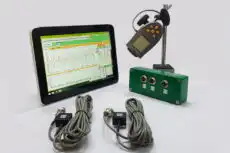
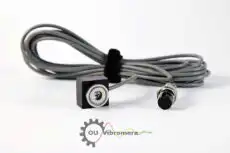
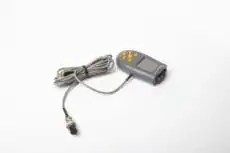
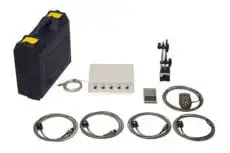
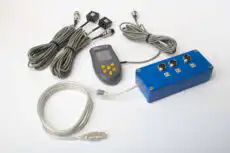
Stator nosozligining asosiy alomati mexanik xarakter kasb etadi — tarmoq chastotasining ikki karrali qiymatida (2×) ko'tarilgan vibrasiya. Shuning uchun ko'chma vibrasiya analizatori birinchi bosqich diagnostika vositasi hisoblanadi. Sahadа muhandislar accelerometer ni motorga o'rnatadilar va Balanset-1A to capture the tebranish spektridan foydalanadilar, 100/120 Hz chiziqning amplitudasini o'lchaydila va motorning bazaviy ko'rsatkichi bilan solishtirib, dinamikasini kuzatadilar. Tarmoqni o'chirib qo'yish testi esa cho'qqining elektromagnit tabiatini tasdiqlaydi. Plitadagi ma'lumotlarni aniq diagnostik chastotalarga aylantirish uchun Motor Elektr Nosozliklari Chastotasi Kalkulyatori tarmoq chastotasi, sirpanish va qutb o'tish komponentlarini ko'rsatib beradi.
Birgalikda qo'llanilganda — 2× tarmoq chastotasida vibrasiyani monitoring qilish, FFT tok tahlili, termografiya va davriy elektr sinovlari — bu usullar stator nosozliklarining katta qismini hali arzon narxda bartaraf etish mumkin bo'lgan bosqichda aniqlaydi. Mayda izolyasiya emirilishidan to to'liq yonib ketishgacha bo'lgan jarayonni tushunish texnik xizmat ko'rsatish guruhiga to'g'ri vaqtda aralashish va o'rovni yangilash yoki motorni almashtirish haqida asosli qaror qabul qilish imkonini beradi.

