Κατανόηση της μετατόπισης των κραδασμών
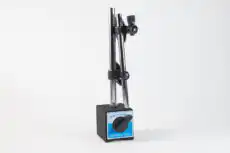

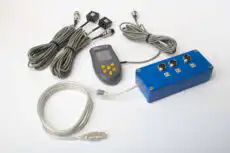
Εκτόπισμα είναι ένα μέτρο της συνολικής απόστασης που διανύει ένα δονούμενο αντικείμενο από τη θέση ηρεμίας του (ισορροπία). Ποσοτικοποιεί πόσο μακριά ένα εξάρτημα κινείται εμπρός και πίσω. Ως η πιο άμεση, φυσικά διαισθητική αναπαράσταση της δονητικής κίνησης, η μετατόπιση αποτελεί θεμελιώδη παράμετρο στη ανάλυση κραδασμών — ιδιαίτερα για εργασίες χαμηλής συχνότητας και για κάθε ζήτημα που αφορά τα μηχανικά διάκενα. Είναι μία από τις τρεις κλασικές πλάτος παραμέτρων, παράλληλα ταχύτητα και επιτάχυνση, καθεμία από τις οποίες περιγράφει την ίδια κίνηση μέσα από διαφορετικό πρίσμα.
1. Ορισμός: Τι είναι η Μετατόπιση στη Δόνηση;
Οι τρεις παράμετροι πλάτους συνδέονται μέσω λογισμού: η ταχύτητα είναι ο ρυθμός μεταβολής της μετατόπισης, και η επιτάχυνση είναι ο ρυθμός μεταβολής της ταχύτητας. Μαθηματικά, η διπλή ολοκλήρωση ενός σήματος επιτάχυνσης δίνει τη μετατόπιση, ενώ η διπλή διαφόριση ενός σήματος μετατόπισης δίνει την επιτάχυνση. Η πρακτική συνέπεια είναι ότι η ίδια δόνηση φαίνεται πολύ διαφορετική ανάλογα με την παράμετρο που αποτυπώνεται — και η μετατόπιση είναι αυτή που τονίζει την αργή κίνηση μεγάλου πλάτους. Αυτή η ιδιότητα είναι ακριβώς αυτό που την καθιστά πολύτιμη στις κατάλληλες περιπτώσεις και παραπλανητική στις ακατάλληλες.
2. Γιατί και Πότε Μετράμε Μετατόπιση
Ενώ η ταχύτητα είναι η πιο κοινή παράμετρος για τη συνολική υγεία του μηχανήματος, η μετατόπιση είναι η προτιμώμενη μέτρηση σε διάφορα συγκεκριμένα, κρίσιμα σενάρια:
- Ανάλυση χαμηλής συχνότητας: για δεδομένη ενέργεια δόνησης, η μετατόπιση κυριαρχεί σε χαμηλές συχνότητες. Σε μηχανήματα χαμηλής ταχύτητας — συνήθως κάτω από 600 RPM ή 10 Hz — όπως μεγάλοι ανεμιστήρες, πύργοι ψύξης και μηχανές χαρτιού, η μετατόπιση είναι ο πιο ευαίσθητος και αντιπροσωπευτικός δείκτης ένταση κραδασμών.
- Αξιολόγηση διακένων: η μετατόπιση αποτελεί άμεση μέτρηση της φυσικής κίνησης. Αυτό είναι κρίσιμο για να διαπιστωθεί εάν ένας περιστρεφόμενος άξονας διατηρεί επαρκές διάκενο για να αποφεύγεται η τριβή με ακίνητα εξαρτήματα, όπως τα ρουλεμάν ή τα στεγανωτικά — προάγγελος τριβής δρομέα.
- Δομική εκτροπή: κατά την ανάλυση της κίνησης βάσεων, πλαισίων ή σωληνώσεων, η μετατόπιση χρησιμοποιείται για την κατανόηση των μορφών κάμψης και για την επιβεβαίωση ότι οι παραμορφώσεις παραμένουν εντός των ορίων σχεδιασμού.
- Εξισορρόπηση δρομέων χαμηλής ταχύτητας: κατά τη διάρκεια της ζυγοστάθμιση μεγάλων, αργά κινούμενων δρομέων, οι μετρήσεις μετατόπισης χρησιμοποιούνται συχνά για τον ποσοτικό προσδιορισμό της ανισορροπίας.
3. Μονάδες και μέτρηση
Κοινές Μονάδες
Η μετατόπιση δόνησης εκφράζεται συνήθως σε μία από τις δύο μονάδες:
- Μιλς: το βιομηχανικό πρότυπο στις Ηνωμένες Πολιτείες, όπου 1 mil ισούται με ένα χιλιοστό της ίντσας (0.001″).
- Μικρόμετρα (µm): η μονάδα SI, όπου 1 µm ισούται με ένα εκατομμυριοστό του μέτρου. Ως μετατροπή, 1 mil ≈ 25,4 µm.
Η μετατόπιση αναφέρεται σχεδόν πάντα σε κορυφή σε κορυφή (Pk-Pk) όρους, διότι αυτή η τιμή αντιπροσωπεύει το σύνολο ολικό εύρος κίνησης του εξαρτήματος — το μέγεθος που έχει μεγαλύτερη σημασία για την ανάλυση διακένων. Η αναφορά της μετατόπισης ως μονής κορυφής ή τιμής RMS, αν και έγκυρη, αποκρύπτει την πλήρη ταλάντωση που ενδιαφέρει πραγματικά τον μηχανικό.
Πώς μετριέται;
Η μετατόπιση μπορεί να μετρηθεί με διάφορους τρόπους:
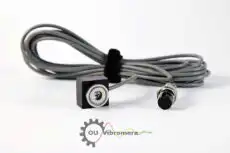
- Αισθητήρες εγγύτητας: η πιο συνηθισμένη μέθοδος για τη δόνηση άξονα. Χωρίς επαφή αισθητήρας δινορρευμάτων τοποθετείται σε ένα σταθερό τμήμα και μετρά τη μεταβαλλόμενη απόσταση μεταξύ της αιχμής του και του περιστρεφόμενου άξονα, παρέχοντας την σχετικό μετατόπιση του άξονα εντός του εδράνου του. Αυτός είναι ο αισθητήρας που βρίσκεται στον πυρήνα των μόνιμα εγκατεστημένων συστημάτων προστασίας που διέπονται από πρότυπα όπως API 670.
- Ολοκλήρωση από επιταχυνσιόμετρα: ένα πρότυπο επιταχυνσιόμετρο μετρά την επιτάχυνση· το σήμα του μπορεί να ολοκληρωθεί ηλεκτρονικά μία φορά για να ληφθεί η ταχύτητα και μια δεύτερη φορά για να ληφθεί η μετατόπιση. Πρόκειται για κοινό χαρακτηριστικό σύγχρονων συλλεκτών δεδομένων, ωστόσο η διπλή ολοκλήρωση είναι επιρρεπής σε θόρυβο και σφάλμα σε πολύ χαμηλές συχνότητες — το λεγόμενο “ski-slope” — και συνήθως χρειάζεται φιλτράρισμα για να παραμείνει αξιόπιστη. Σημειώστε ότι αυτό αποδίδει απόλυτος μετατόπιση του περιβλήματος, όχι τη σχετική ως προς τον άξονα τιμή που παρέχει ένας αισθητήρας εγγύτητας.
- Αισθητήρες λέιζερ μετατόπισης: μη επαφικοί οπτικοί αισθητήρες που χρησιμοποιούν δέσμη λέιζερ για να παρέχουν εξαιρετικά ακριβείς μετρήσεις μετατόπισης χωρίς να επιβαρύνουν τη δομή.
4. Μετατόπιση στο Πεδίο και στην Εξισορρόπηση
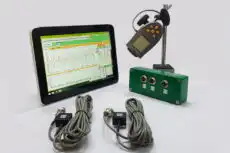
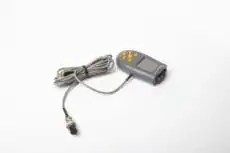
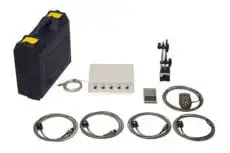
Σε περιστρεφόμενα μηχανήματα, το ερώτημα σχετικά με τη μετατόπιση είναι συχνά «διατηρεί ο άξονας αρκετή απόσταση από το έδρανο;», και σε αργόστροφους δρομείς χρησιμεύει επίσης ως σήμα εξισορρόπησης. Ένας φορητός αναλυτής κραδασμών δύο καναλιών όπως ο Balanset-1A καταγράφει το πλάτος 1× και τη φάση σε ταχύτητα λειτουργίας — με αναφορά σε έναν ταχύμετρο παλμό ανά στροφή — και λειτουργεί εξίσου σε όρους μετατόπισης, ταχύτητας ή επιτάχυνσης. Για έναν μεγάλο αργόστροφο ανεμιστήρα όπου η κίνηση 1× μόλις καταγράφεται ως επιτάχυνση, η θεώρηση του ίδιου κραδασμού ως μετατόπιση καθιστά ευδιάκριτη την ανισορροπία και επιτρέπει στο όργανο να υπολογίσει το σωστό διορθωτικό βάρος και να επαληθεύσει την υπολειπόμενη ανισορροπία επόμενα.
5. Ο Ρόλος της Μετατόπισης στη Διαγνωστική
Υψηλή μετατόπιση στη συχνότητα περιστροφής του άξονα (1× RPM) σε μια μηχανή χαμηλής ταχύτητας συχνά υποδηλώνει ανισορροπία, αλλά η βαθύτερη διαγνωστική αξία της μετατόπισης προκύπτει από τη σχέση της με την ταχύτητα και την επιτάχυνση. Για δεδομένη ποσότητα ενέργειας κραδασμού:
- στο χαμηλές συχνότητες, η μετατόπιση έχει το υψηλότερο πλάτος·
- στο μεσαίες συχνότητες, η ταχύτητα έχει το υψηλότερο πλάτος·
- στο υψηλές συχνότητες, η επιτάχυνση έχει το υψηλότερο πλάτος.
Εξαιτίας αυτού, οι αναλυτές χρησιμοποιούν τη μετατόπιση για να εστιάσουν σε φαινόμενα χαμηλής συχνότητας που αλλιώς θα ήταν σχεδόν αόρατα σε ένα φάσμα — το είδος κίνησης που διαφορετικά θα παρέλειπαν εντελώς. Μια μηχανή μπορεί να υφίσταται σοβαρή, καταστροφική κίνηση χαμηλής συχνότητας που παράγει ελάχιστη επιτάχυνση — και αυτός είναι ακριβώς ο λόγος για τον οποίο η μετατόπιση παραμένει κρίσιμο στοιχείο ενός πλήρους διαγνωστικού εργαλειοθηκίου, και γιατί κανένας μεμονωμένος παράμετρος δεν αφηγείται από μόνος του ολόκληρη την ιστορία.

