वोल्टेज-मोड एक्सेलेरोमीटर को समझना






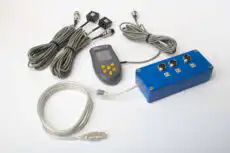
A वोल्टेज-मोड त्वरणमापी एक है पीजोइलेक्ट्रिक एक्सेलेरोमीटर अंतर्निर्मित सिग्नल-कंडीशनिंग इलेक्ट्रॉनिक्स के साथ जो पीजोइलेक्ट्रिक क्रिस्टल से उच्च-प्रतिबाधा विद्युत चार्ज को कम-प्रतिबाधा वोल्टेज आउटपुट में परिवर्तित करते हैं। यह शब्द अनिवार्य रूप से IEPE एक्सेलेरोमीटर (एकीकृत इलेक्ट्रॉनिक्स पीजो-इलेक्ट्रिक) और ICP® (एकीकृत सर्किट पीजोइलेक्ट्रिक, PCB Piezotronics का एक ट्रेडमार्क) के साथ समानार्थी है। “वोल्टेज-मोड” लेबल केवल इस बात पर जोर देता है कि सेंसर एक वोल्टेज (आम तौर पर प्रति ग्राम मिलिवोल्ट) प्रदान करता है चार्ज (प्रति ग्राम पिकोकूलम्ब) के बजाय, इसे पुरानी चार्ज-मोड डिजाइन से अलग रखता है। यह स्वीकार करते हुए कि वोल्टेज-मोड, IEPE और ICP सभी मौलिक रूप से ट्रांसड्यूसर उत्पाद डेटाशीट और तकनीकी साहित्य को नेविगेट करना बहुत आसान बनाता है।
वोल्टेज-मोड इकाइयां औद्योगिक में अभिभूत मानक बन गई हैं कंपन माप — अनुप्रयोगों का 95% से अधिक — उनकी सरलता (किसी बाहरी एम्पलीफायर की आवश्यकता नहीं), उनके उपयोग में आसानी (एक सादा दो-तार कनेक्शन), और उनकी कम लागत के कारण। वे अधिकांश आधुनिक के पीछे कर्मचारी सेंसर हैं कंपन निगरानी और निदान।
1. अंतर्निर्मित इलेक्ट्रॉनिक्स कैसे काम करता है
परिभाषित विशेषता सेंसर आवास के अंदर एकीकृत एक माइक्रोइलेक्ट्रॉनिक एम्पलीफायर है, जो पीजोइलेक्ट्रिक तत्व के तुरंत बाद बैठता है:
- चार्ज-से-वोल्टेज रूपांतरण: एक FET या छोटा IC एम्पलीफायर क्रिस्टल के उच्च-प्रतिबाधा आवेश को कम-प्रतिबाधा वोल्टेज में परिवर्तित करता है, स्रोत पर ही, इससे पहले कि सिग्नल कभी किसी केबल के नीचे जाए।
- स्थिर-करंट शक्ति: एम्पलीफायर को माप यंत्र द्वारा आपूर्ति किए गए एक निरंतर करंट द्वारा सक्रिय किया जाता है — समान दोनों तार DC पावर इन और AC सिग्नल आउट दोनों को ले जाते हैं।
- पूर्वाग्रह और सिग्नल एक साथ: वे त्वरण सिग्नल एक DC पूर्वाग्रह वोल्टेज के ऊपर एक AC वोल्टेज के रूप में उस एकल आउटपुट पर सवार होता है।
क्योंकि प्रतिबाधा रूपांतरण सेंसर के अंदर होता है, लंबी, नाजुक, चार्ज-ले जाने वाली केबल जो पहले के डिजाइन को परेशान करती थी, समाप्त हो जाती है — और इसके साथ अधिकांश शोर और हैंडलिंग संवेदनशीलता जो इसके साथ आई थी।
2. आउटपुट प्रारूप और बिजली आवश्यकताएं
आउटपुट प्रारूप
- संवेदनशीलता: आम तौर पर 10–1000 mV/g।
- सामान्य मान: 100 mV/g उद्योग मानक है।
- सिग्नल प्रकार: त्वरण के आनुपातिक AC वोल्टेज।
- आउटपुट प्रतिबाधा: कम, आम तौर पर 100 ओम से कम।
बिजली की आवश्यकताएं
- स्थिर धारा: 2–20 mA विशिष्ट, 4 mA सामान्य डिफ़ॉल्ट के साथ।
- आपूर्ति वोल्टेज: 18–30 VDC.
- बायस वोल्टेज: 8–12 VDC आउटपुट पर बैठा।
- दो-तार योजना: पावर और सिग्नल एक कोएक्सियल केबल साझा करते हैं।
3. लाभ
प्रणाली की सरलता
- कोई बाहरी चार्ज एम्पलीफायर आवश्यक है।
- सेंसर सीधे यंत्र से जुड़ता है।
- कम कुल प्रणाली लागत।
- कम घटक, और इसलिए कम विफलता बिंदु।
केबल क्षमता
- कम आउटपुट प्रतिबाधा लंबे केबल रन को ड्राइव कर सकता है — लगभग 300 m तक।
- मानक, सस्ती कोएक्सियल केबल का उपयोग किया जा सकता है।
- रन के दौरान उठाई गई विद्युत शोर के लिए अच्छी प्रतिरक्षा।
- लचकदार, क्षमाशील स्थापन।
उपयोग में आसानी
- सरल प्लग-एंड-प्ले ऑपरेशन।
- न्यूनतम सेटअप।
- एक मानकीकृत, व्यापक रूप से समर्थित इंटरफ़ेस।
- उपकरणों और डेटा कलेक्टर्स के साथ व्यापक रूप से संगत।
4. चार्ज-मोड एक्सेलेरोमीटर के साथ तुलना
वोल्टेज-मोड और चार्ज-मोड डिज़ाइन के बीच का ट्रेड-ऑफ परिचालन पर्यावरण पर आता है।
| पहलू | वोल्टेज-मोड (IEPE/ICP) | चार्ज-मोड |
|---|---|---|
| प्रणाली जटिलता | सरल — कोई बाहरी एम्प्लीफायर नहीं | बाहरी चार्ज एम्पलीफायर की आवश्यकता है |
| लागत | कम | उच्च |
| केबल | लंबे प्रयोग, मानक समाक्षीय, अच्छी शोर प्रतिरक्षा | छोटा, विशेष कम-शोर केबल |
| अधिकतम तापमान | ~175°C तक (इलेक्ट्रॉनिक्स सीमा) | ~650°C तक |
| विशेष वातावरण | सीमित | विकिरण-कठोर (परमाणु); विफल होने के लिए कोई सक्रिय इलेक्ट्रॉनिक्स नहीं |
संक्षेप में, वोल्टेज-मोड 95%+ औद्योगिक अनुप्रयोगों को कवर करता है, जबकि चार्ज-मोड उस विशेष परिस्थिति के लिए आरक्षित है जहाँ परिचालन तापमान लगभग 175°C से अधिक है या आयनकारी विकिरण मौजूद है और बिल्ट-इन इलेक्ट्रॉनिक्स को नष्ट कर देगा।
5. सामान्य विनिर्देश
संवेदनशीलता विकल्प
- 10 एमवी/जी: उच्च कंपन और शॉक (लगभग ±500 g रेंज)।
- 50 एमवी/जी: सामान्य उद्देश्य (लगभग ±100 g श्रेणी)।
- 100 एमवी/जी: उद्योग मानक (लगभग ±50 g श्रेणी)।
- 500–1000 mV/g: कम-कंपन, सटीकता कार्य (लगभग ±5–10 g श्रेणी)।
सही मान उस आयाम पर निर्भर करता है जिसकी आप अपेक्षा करते हैं; किसी दिए गए उपकरण के लिए आउटपुट वोल्टेज और भौतिक त्वरण के बीच रूपांतरण बिल्कुल वही है जो एक कंपन सेंसर संवेदनशीलता कैलकुलेटर के लिए है, और यह सीधे सेंसर के बताए गए में वापस जाता है संवेदनशीलता.
आवृत्ति प्रतिक्रिया
- निम्न-आवृत्ति सीमा: लगभग 0.5–5 Hz −3 dB बिंदु पर (AC-युग्मित)।
- उच्च-आवृत्ति सीमा: लगे हुए अनुनाद की ओर बढ़ता है, जो सेंसर आकार के आधार पर 10 से 70 kHz के बीच कहीं भी स्थित है।
- उपयोगी बैंड: mounted resonance frequency के लगभग one-fifth (20%) तक few-percent amplitude accuracy के लिए (ISO 5348 के अनुसार); resonance का one-third केवल एक मोटी screening limit है, जिसमें लगभग 10–12% amplitude error होती है।
तापमान रेटिंग
- मानक: −50 से +120°C।
- विस्तारित: −50 से +150°C।
- उच्च-तापमान: −50 से +175°C।
- 175°C से ऊपर एक चार्ज-मोड सेंसर आवश्यक है।
6. वेरिएंट, पैकेजिंग और समकक्ष शर्तें
डिज़ाइन विविधताएँ
- संपीड़न-मोड IEPE (सबसे सामान्य, किफायती)।
- कतरनी मोड IEPE (प्रीमियम, बेहतर आधार तनाव और थर्मल क्षणिक प्रभावों के प्रति उन्नत प्रतिरोधक्षमता के साथ)।
- विभेदक आउटपुट (सुधारी हुई सामान्य-विधा अस्वीकृति)।
- कम-शोर संस्करण (सटीक माप के लिए अल्ट्रा-कम शोर मंजिल)।
पैकेज प्रकार
- औद्योगिक (संरोधित और कठोर)।
- लघु (स्थान-सीमित स्थानों के लिए)।
- त्रिअक्षीय (एक पिंड में तीन ऑर्थोगोनल अक्ष)।
- सबमिनिएचर (10 ग्राम से कम, हल्की संरचनाओं के लिए)।
समतुल्य शब्द जो आप सामने आएंगे
- वोल्टेज-मोड: सामान्य वर्णनकर्ता।
- आईईपीई: Integrated Electronics Piezo-Electric — मानक सामान्य शब्द।
- ICP®: Integrated Circuit Piezoelectric — PCB Piezotronics ट्रेडमार्क।
- सीसीएलडी: Constant Current Line Drive — Brüel & Kjær शब्दावली।
- Deltatron®: Brüel & Kjær ब्रांड नाम।
- उपरोक्त सभी: मौलिक रूप से समान प्रौद्योगिकी — एक पाइजोइलेक्ट्रिक तत्व और अंतर्निहित इलेक्ट्रॉनिक्स, स्थिर-वर्तमान शक्ति पर चलते हैं।
7. क्षेत्र में सर्वोत्तम अभ्यास
दैनिक घूर्णन-मशीनरी कार्य के लिए, 100 mV/g औद्योगिक-ग्रेड, संरोधित संवेदक समझदारी से चुना जाता है; स्थान के अनुसार तापमान रेटिंग चुनें, और संदूषित या गीले वातावरण के लिए एक सीलबंद पिंड चुनें। माउंटिंग अत्यंत महत्वपूर्ण है, क्योंकि संवेदक कैसे संलग्न है यह उपयोग योग्य ऊपरी आवृत्ति निर्धारित करता है:
- स्टड माउंट उच्चतम-आवृत्ति, सबसे दोहराए जाने योग्य माप के लिए।
- गोंद अर्ध-स्थायी स्थापनाओं के लिए।
- चुंबकीय आधार त्वरित मार्ग सर्वेक्षण के लिए — सुविधाजनक, लेकिन यह गुंजन को कम करता है और इस प्रकार उपयोग योग्य बैंडविड्थ को कम करता है।
- सही सेंसर माउंटिंग per आईएसओ 5348 महत्वपूर्ण है; आप अनुमान लगा सकते हैं कि दिया गया माउंटिंग विधि कैसे स्थानांतरित करता है माउंटिंग अनुनाद के साथ एक्सेलेरोमीटर माउंटिंग रेज़ोनेंस कैलकुलेटर.
संवेदक को अंशांकन में रखें — महत्वपूर्ण मशीनों के लिए वार्षिक — केबलों का निरीक्षण करें, माउंटिंग सत्यापित करें, और किसी भी महत्वपूर्ण माप से पहले एक त्वरित कार्य जांच चलाएं; आवधिक अंशांकन वही है जो रीडिंग को ट्रेस करने योग्य बनाए रखता है।
वोल्टेज-मोड त्वरणमापी (IEPE/ICP) आधुनिक औद्योगिक कंपन निगरानी के मुख्य सेंसर हैं, जो पीजोइलेक्ट्रिक ट्रांसडक्शन के उच्च प्रदर्शन को सरलता और विश्वसनीयता के लिए एकीकृत इलेक्ट्रॉनिक्स के साथ जोड़ते हैं। उनकी प्रभुता अधिकांश घूर्णन-मशीन स्थिति-निगरानी और नैदानिक अनुप्रयोगों में प्रदर्शन, लागत और उपयोग में आसानी के इष्टतम संतुलन को दर्शाता है।

