ISO 2041: Mekanisk vibrasjon, støt og tilstandsovervåking - Vokabular






ISO 2041 er den viktigste vokabularstandarden for hele fagfeltet mekanisk vibrasjon, støt og tilstandsovervåking. Den er i praksis ordboken som resten av fagfeltet er skrevet i: en enkelt, autoritativ kilde som gir presise, internasjonalt anerkjente definisjoner av de tusenvis av begrepene som brukes i forbindelse med måling, signalbehandling, testing og diagnostikk. Omfanget er langt bredere enn en emnespesifikk ordliste som ISO 1940-2, som kun definerer vokabular for balansering. ISO 2041 ligger i stedet til grunn for nesten alle andre vibrasjonsstandarder, slik at når et dokument refererer til “vibrasjonens alvorlighetsgrad”, “transient” eller “spektrum”, er den nøyaktige betydningen av disse ordene fastsatt på ett sted. Formålet er enkelt, men viktig - å etablere et felles, entydig språk slik at ingeniører, pålitelighetsspesialister, teknikere og forskere over hele verden kan kommunisere uten forvirring.
1. Hvorfor det finnes en standard for ordforråd
Vibrasjoner og tilstandskontroll befinner seg i skjæringspunktet mellom flere ingeniørtradisjoner - dynamikk, signalbehandling, materialer, kontrollteori og vedlikeholdspraksis - og hver tradisjon har sine egne språkvaner. Hvis det samme ordet ikke blir tatt hånd om, kan det bety vidt forskjellige ting for en rotordynamiker, en testlaboratorieingeniør og en vedlikeholdsplanlegger. En tegningsnotat som sier “toppvibrasjon”, er tvetydig med mindre alle er enige om hvorvidt det betyr ekte toppvibrasjon, topp-til-topp, eller RMS. ISO 2041 fjerner denne tvetydigheten ved å definere hver term én gang, med mengde, enhet og matematisk symbol der det er aktuelt. Fordi det er en normativ referanse siteres av andre standarder, er det ikke bare pedanteri å ta definisjonene i bruk - det er det som gjør akseptkriterier, kontrakter og diagnoserapporter juridisk og teknisk vanntette.
2. Hvordan standarden er organisert
Standarden er lagt opp som en stor, strukturert ordliste, med oppslagsord gruppert i tematiske seksjoner slik at beslektede begreper sitter sammen og kryssrefererer til hverandre. Nedenfor beskrives de viktigste seksjonene og de kjernebegrepene som hver av dem inneholder.
1. Grunnleggende konsepter
Denne delen legger grunnlaget for hele feltet ved å definere de mest grunnleggende fysiske ideene. Den definerer formelt vibrasjon som den tidsmessige variasjonen av størrelsen på en størrelse som beskriver bevegelsen eller posisjonen til et mekanisk system, når denne størrelsen vekselvis er større og mindre enn en viss gjennomsnittsverdi. Det skiller vibrasjon fra sjokk - en forbigående eksitasjon der systemets likevekt forstyrres i løpet av en tid som er kort sammenlignet med dets naturlige periode - og fra svingninger, er den generelle betegnelsen på alle størrelser som varierer på denne frem-og-tilbake-måten. Det definerer også de tre fysiske egenskapene som styrer hvordan ethvert system vibrerer: masse (treghet), egenskapen som motstår akselerasjon; stivhet, egenskapen som motstår deformasjon; og demping, egenskapen som sprer energi og får frie svingninger til å avta. Ideen om frihetsgrader - antall uavhengige koordinater som trengs for å beskrive et systems bevegelse - introduseres også her.
2. Parametere for vibrasjon og støt
Dette kapittelet definerer størrelsene som brukes til å måle og beskrive vibrasjonsbevegelser. Frekvens er antall sykluser av en periodisk bevegelse som oppstår i løpet av en tidsenhet, målt i hertz (Hz). Amplitude er den maksimale verdien av den oscillerende mengden. Standarden klargjør deretter de tre primære bevegelsesparameterne, som er relatert til hverandre ved hjelp av differensiering og integrasjon: forskyvning (hvor langt et punkt beveger seg), hastighet (hvor raskt den beveger seg), og akselerasjon (hastighetsendringen, som er direkte relatert til kreftene som virker på systemet). Den definerer også de forskjellige måtene amplituden kvantifiseres på for et reelt signal: topp-til-topp (det totale utslaget fra maksimalt positivt til maksimalt negativt), topp (den maksimale verdien målt fra null), og RMS (effektivverdi), er det mest brukte målet for vibrasjoners alvorlighetsgrad, fordi det er relatert til signalets energiinnhold. Disse definisjonene brukes direkte i de hastighetsbaserte grenseverdiene i moderne standarder for alvorlighetsgrad, for eksempel ISO 20816 (etterfølgeren til den eldre ISO 10816).
3. Instrumentering og måling
I dette avsnittet fastsettes terminologien for utstyret som fanger opp vibrasjonssignaler. A transduser (eller sensor) defineres som en enhet som konverterer en mekanisk størrelse til et elektrisk signal. Standarden definerer deretter de vanligste sensorene for maskinovervåking: sensoren akselerometer, en kontaktsensor som måler akselerasjon og er den desidert mest allsidige universalmåleren; og nærhetssonde (virvelstrømssonde), en berøringsfri sensor som måler den relative forskyvningen mellom probespissen og et ledende mål, for eksempel en roterende aksel. Det omfatter også den tilhørende signalbehandlingen - forsterkere, filtre - og maskin- og programvare for datainnsamling, samt analysatorene som behandler og viser signalene. En tidsreferanse, for eksempel en turteller faller også inn under denne overskriften, siden den konverterer akselrotasjon til en puls per omdreining som forankrer fasemålingen.
4. Signalbehandling og analyse
Dette kapittelet definerer vokabularet for matematikken som gjør rådata om til diagnostisk informasjon. Det identifiserer de to primære domenene: det tidsbølgeform, et plott av amplitude i forhold til tid, og spektrum (frekvensdomeneplott), et plott av amplitude i forhold til frekvens. Spektralanalyse er definert som prosessen med å dekomponere et tidssignal i de frekvensene det består av, og algoritmen som utfører den er FFT (rask Fourier-transformasjon). Viktige spektrale egenskaper er også fastsatt her: harmoniske (heltallsmultipler av en grunnfrekvens) og sidebånd (frekvenser som opptrer symmetrisk rundt en senterfrekvens). Det samme er konseptene som beskytter en digital måling mot forvrengning - aliasering, det falske lavfrekvensinnholdet som oppstår når samplingsfrekvensen er for lav, og vinduing, vektingsfunksjonen som brukes for å redusere spektral lekkasje.
5. Systemers egenskaper (modalanalyse)
I dette avsnittet defineres begrepene som beskriver de iboende dynamiske egenskapene til en struktur. A egenfrekvens er en frekvens som et system vil vibrere ved hvis det forskyves fra likevekt og deretter slippes fri til å bevege seg fritt. Når en ytre påtvunget frekvens sammenfaller med en egenfrekvens, resonans oppstår - definert som en tilstand med maksimal vibrasjonsamplitude. Kapitlet definerer også språket i eksperimentell modalanalyse, inkludert modusform (det karakteristiske nedbøyningsmønsteret en struktur antar ved en gitt egenfrekvens) og frekvensresponsfunksjon (FRF), en måling av forholdet mellom inndata og utdata i et system som brukes til å utlede systemets egenfrekvenser og demping.
6. Tilstandsovervåking og diagnostikk
I dette siste kapittelet defineres begrepene bak den praktiske anvendelsen av vibrasjonsanalyse på vedlikehold. Tilstandsovervåking er prosessen med å overvåke en parameter for maskinens tilstand (her vibrasjon) for å oppdage en signifikant endring som indikerer en feil under utvikling. Med dette som utgangspunkt er diagnostikk prosessen med å bruke de overvåkede dataene til å identifisere den spesifikke feilen, hvor den er lokalisert og hvor alvorlig den er. Standarden introduserer også det fremtidsrettede konseptet prognostikk - prognoser for fremtidig maskintilstand og gjenværende levetid. Til slutt defineres de statistiske indikatorene som beregnes ut fra et vibrasjonssignal for å fange opp lager- og girfeil på et tidlig stadium, spesielt toppfaktor og kurtose.
3. Hvor ISO 2041 befinner seg blant standardene
ISO 2041 er bevisst et støttedokument snarere enn en prosedyre eller en akseptkode, og denne rollen gir den tre typer betydning:
- Tverrfaglig kommunikasjon: Det gir et felles språk for maskiningeniører, pålitelighetsspesialister, teknikere, instrumentmakere og akademikere, slik at et begrep har samme betydning på et designkontor, i en testlab og på en vedlikeholdsrute.
- Hovedreferanse for andre standarder: er den terminologiske ryggraden for nesten alle andre ISO-dokumenter om vibrasjon og tilstandsovervåking. Prosedyrestandarder - den ISO 21940-11 balanseringstoleranser, ISO 20816-3 alvorlighetsgrenser, ISO 13373-1 overvåkingsprosedyrer og ISO 17359 retningslinjer for tilstandsovervåking - alle lener seg på dens definisjoner i stedet for å omdefinere grunnleggende begreper.
- Pedagogisk grunnlag: for alle som skal lære seg faget, den er den autoritative kilden til korrekt terminologi, og den er i tråd med kunnskapen som testes i sertifiseringsordninger for personell, for eksempel ISO 18436-2.
4. Bruk av vokabularet i feltarbeid
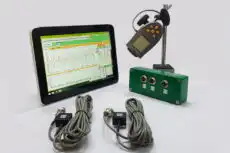
En vokabularstandard gjør seg fortjent til å bli brukt i det øyeblikket resultatene skal skrives ned eller sammenlignes mellom mennesker. Når et bærbart instrument som f.eks. Balanset-1A brukes til å balansere en vifte eller pumpe i sine egne lagre, vil hver størrelse den rapporterer - 1× amplitude og fase, hastigheten i millimeter per sekund, restverdien ubalanse verifisert mot en ISO 21940-11-kvalitet - har nøyaktig den samme betydningen som ISO 2041 tillegger den. Denne felles definisjonen er det som gjør at en diagnoserapport generert på stedet, kan leses utvetydig av en tredjeparts pålitelighetsingeniør flere måneder senere, og det som gjør at to analytikere som bruker forskjellige instrumenter, kan bli enige om hvorvidt en maskin har bestått. I praksis er vokabularet det stille laget under hver eneste måling, som forvandler tall til utsagn som alle tolker på samme måte.
5. Få tilgang til hele standarden
Sammendraget ovenfor gjengir strukturen og de viktigste definerte begrepene, men det er ikke en erstatning for selve dokumentet. ISO 2041 inneholder alle formelle definisjoner, matematiske symboler, enheter og den nøyaktige ordlyden som andre standarder siterer normativt. Den er opphavsrettslig beskyttet og må kjøpes fra Den internasjonale standardiseringsorganisasjonen eller et autorisert nasjonalt standardiseringsorgan. Den revideres med jevne mellomrom, så i forbindelse med kontraktsarbeid eller samsvarsarbeid bør du alltid forsikre deg om at du arbeider ut fra den nyeste utgaven og ikke en eldre utgave. For daglig lesing og læring kan du bruke de relaterte oppføringene i denne ordlisten til å utdype hvert enkelt standardbegrep.

