Podshipnik Oldindan Yuklamasini Tushunish





Podshipnik oldindan yuklamasi — oldindan yuklash yoki boshlang'ich yuk deb ham ataladi — bu podshipnikdagi ichki bo'shliqni yo'q qilish uchun ataylab qo'llaniladigan nazorat ostidagi siquvchi yukdir clearance va yuruvchi elementlar bilan poyga orasida ozgina interferensiya yaratish uchun. Har bir yuruvchi elementni barcha ish sharoitlarida poyga bilan uzluksiz aloqada ushlash orqali oldindan yuklama aks holda mavjud bo'ladigan kichik ichki bo'shliqni bartaraf etadi, bu esa yuk taqsimoti yaxshiroq va qarshilik ko'proq bo'lgan qattiqroq, aniqroq podshipnik tizimini vujudga keltiradi vibration. U ilovada yuqori qattiqlik, valning aniq joylashuvi yoki o'zgaruvchan va tebranib turuvchi yuklama ostida silliq ishlash talab qilinadigan har qanday joyda zaruriy hisoblanadi, shuningdek, oldini olish muhim bo'lgan dastgoh dastakli shpindellari, aniqlik asboblar va yuqori tezlikdagi mexanizmlarda standart amaliyotdir instability is critical.
1. Ta'rif: Bo'shliqni Qattiqlikka Aylantirish
Ko'pchilik yuruvchi elementli podshipniklar montaj va moylash imkoniyatini ta'minlash uchun ozgina ichki bo'shliq bilan ishlab chiqariladi. Bu bo'shliq yig'ish uchun foydali, ammo aniqlik uchun zararli: tashqi yuk kelishidan oldin yuruvchi elementlar yukni o'ziga olmagunicha valning biroz bukilishiga yo'l qo'yadi va engil yukli elementlarning dumalab emas, sirpanib ketishiga imkon beradi. Oldindan yuklama buni ataylab teskari yo'nalishda hal qiladi — bo'shliq yo'qolgunicha va tashqi yuk kelishidan oldin ham har bir elementda aniq kontakt kuchi paydo bo'lgunicha poyga halqalarini bir-biriga bosadi (yoki radial yo'nalishda siqadi). Aslini olganda, oldindan yuklama ozgina qo'shimcha ishqalanish va issiqlik evaziga stiffness va pozitsion aniqlikda katta yutuqqa erishadi.
2. Maqsad va Afzalliklar
1. Qattiqlikning oshishi
Bu oldindan yuklamashnig asosiy afzalligi:
- Yuklanish ostida egilishga yo'l qo'yadigan bo'shliqni bartaraf etadi.
- Barcha dumalovchi elementlarni aloqada ushlab turadi va yukni to'liq to'plam bo'yicha taqsimlaydi.
- Podshipnik qattiqligini oldindan yuklanmagan podshipnikka nisbatan taxminan 2–5 marta oshirishi mumkin.
- Val egilishini kamaytiradi va butun tizimning qattiqligini yaxshilaydi.
2. Aniqlik va takrorlanish qobiliyatining yaxshilanishi
- Eliminates shaft runout podshipnik bo'shlig'idan kelib chiqadigan.
- Valning aniq va takrorlanadigan holda joylashishini ta'minlaydi.
- Dastgoh asboblari va o'lchov jihozlari kabi aniq mexanizmlar uchun muhimdir.
- Bo'shliqqa bog'liq zarbalashdan kelib chiqadigan tebranishni kamaytiradi.
3. Sirpanishning oldini olish
- Dumalovchi elementlar sirpanmasdan haqiqatan ham aylanishini ta'minlaydi.
- Ayniqsa yengil yuklanishda yoki yuqori tezlikda muhimdir.
- Sirpanish tez bearing wear va sirt shikastlanishiga olib keladi.
- Oldindan yuklash sof aylanish uchun yetarli aloqa kuchini saqlaydi.
4. Shovqinni kamaytirish
- Ichki bo'shliq keltirib chiqaradigan taqillaydishni bartaraf etadi.
- Tinchoq va silliqroq ishlashni ta'minlaydi.
- Xodimlar yaqinida yoki sezgir uskunalar atrofida qimmatli.
5. Barqarorlikni oshirish
In rotor dynamics, oldindan yuklanish barqarorlikka hissa qo'shadi:
- Podshipnikning oshirilgan qattiqligi kritik aylanish tezliklarini.
- It improves damping characteristics.
- Bu podshipnik kelib chiqadigan beqarorliklarning oldini olishga yordam beradi.
- Bu tashqi tebranishlarga sezgirlikni kamaytiradi.
3. Oldindan yuklanish turlari
1. Qattiq (rigid) oldindan yuklanish
Harorat yoki aylanish tezligidan mustaqil bo'lgan doimiy oldindan yuklanish:
- Method: muayyan holatga o'rnatilgan oraliq halqalar, shayba yoki blokirovka gaykalar.
- Characteristics: yuqori qattiqligi va aniq nazorat.
- Limitations: harorat oshganda yuklanish ortishi mumkin, bu ortiqcha yuklanish xavfini tug'diradi.
- Ilovalar: stanok shpindellari va aniqlik uskunalari.
2. Prujina (elastik) oldindan yuklanish
Issiqlik kompensatsiyasiga imkon beruvchi prujinalar orqali saqlanadigan oldindan yuklanish:
- Method: to'lqinsimon prujinalar, Belleville shaybalari yoki spiral prujinalar.
- Characteristics: haddan tashqari yuklamasdan issiqlik kengayishini qoplaydi.
- Advantages: harorat o'zgarishlariga ancha chidamli.
- Ilovalar: harorat o'zgarishi bo'lgan va aniqlik talablari unchalik yuqori bo'lmagan uskunalar.
4. Oldindan yuklanish usullari
Aksial oldindan zo'riqish (eng keng tarqalgan)
Yuzma-yuz yoki orqama-orqa o'rnatish
- Bir-biriga qarama-qarshi o'rnatilgan ikkita burchakli-kontaktli podshipnik.
- Aksial kuch podshipniklarni bir-biriga siqib qo'yadi.
- Har ikki yo'nalishda ham aksial bo'shliqni yo'q qiladi.
- Dastgoh uskunalari va yuqori aniqlikdagi ilovalar uchun standart tartib.
Sozlanuvchi oldindan zo'riqish
- Oldindan zo'riqishni sozlash uchun qulflash gaykasi yoki rezba bilan qotirilgan ushlagich qo'llaniladi.
- Burovchi moment, aksial kuch yoki podshipnik haroratining ko'tarilishi orqali tekshiriladi.
- Yig'ish jarayonida o'rnatilishi yoki texnik xizmat ko'rsatish vaqtida qayta sozlanishi mumkin.
Radial preload
- Podshinik halqalari va val yoki korpus o'rtasidagi qisish qo'yilishi radial siqilishni hosil qiladi.
- Dumalovchi elementlar halqalar o'rtasida radial yo'nalishda siqiladi.
- Aksial oldindan zo'riqishga qaraganda kamroq qo'llaniladi.
- Ba'zi muhrlangan podshipniklar va maxsus ilovalarda ishlatiladi.
5. Oldindan zo'riqish kattaligini tanlash
Light preload
- Force: Podshipnikning dinamik yuklanish reytingining 1–5%.
- Foydasi: minimal qo'shimcha ishqalanish bilan yaxshilangan qattiqlik.
- Ilovalar: umumiy aniqlikdagi mashinasozlik.
Medium preload
- Force: Dinamik reytingning 5–10%.
- Foydasi: yuqori qattiqlik va yaxshi aniqlik.
- Ilovalar: dastgoh shpindellari va aniqlik uzatmalari.
Heavy preload
- Force: dinamik reytingning 10–20%.
- Foydasi: maksimal qattiqlik va barqarorlik.
- Limitations: yuqori ishqalanish, issiqlik ajralishi va xizmat muddatining qisqarishi.
- Ilovalar: ultra aniqlikdagi ishlar va past tezlikdagi, yuqori qattiqlikdagi talablar.
To'g'ri qiymat podshipnikning nominal yuklamasiga bog'liq bo'lganligi sababli, oldindan taranglashni belgilashdan avval ushbu ko'rsatkichni bilish foydalidir; buning uchun podshipnik L10 xizmat muddati kalkulyatori (ISO 281) dinamik yuklama reytingi va kutilayotgan xizmat muddatini kontekstga solib ko'rish imkonini beradi, shu orqali tanlangan oldindan taranglash foizi uning xizmat muddatiga ta'siri bilan solishtiriladi.
6. Kamchiliklar va murosalar
Ishqalanish va issiqlikning ortishi
- Oldindan taranglash kontakt yuklamalarini va shu bilan ishqalanishni oshiradi.
- Ish harorati odatda oldindan taranglash qo'llanilmagan podshipnikka nisbatan 5–20 °C yuqori ko'tariladi.
- Yuqori harorat moylash materialining degradatsiyasini tezlashtiradi.
- Kuchaytilgan sovutish yoki lubrication may be needed.
Podshipnik xizmat muddatining qisqarishi
- Oldindan taranglash ishchi yuklarga qo'shimcha yuk tushiradi.
- Podshipnik xizmat muddatini hisoblashda oldindan taranglash ta'siri hisobga olinishi kerak.
- Ortiqcha oldindan taranglash xizmat muddatini sezilarli darajada qisqartirishi mumkin.
- Asosiy murosaning mohiyati — qattiqlik va aniqlikni uzoq muddatli ishlash bilan muvozanatlashdir.
Termik sezuvchanlik
- Qattiq oldindan yuklanish harorat ko'tarilishi bilan differensial kengayish orqali ortadi.
- Boshqarilmagan issiqlik kengayishi podshipnikni haddan tashqari yuklanishga olib kelishi mumkin.
- Yay oldindan yuklanishi bu issiqlik o'zgarishlarini yutib oladi.
- Konstruksiya to'liq ish harorati diapazonini hisobga olishi kerak.
7. Qo'llanish sohalari
Oldindan yuklanish zarur bo'lgan holatlar
- Dastgoh shpindellari: aniqlik va qattiqlikni talab qiluvchi silliqlash, frezelash va tokarlik shpindellari.
- Yuqori tezlikdagi uskunalar: sirpanish va beqarorlikning oldini olish uchun.
- Aniqlik asboblari: o'lchov uskunalari va optik tizimlar.
- Tebranuvchi yuklamalar: yuk yo'nalishi o'zgaradigan yoki o'zgaruvchan yuklamalarga ega ilovalar.
- Moment loads: qiyalik momentlariga duchor bo'ladigan podshipniklar.
Oldindan yuklanish tavsiya etilmaydigan holatlar
- Issiqlik bilan haddan tashqari yuklanish xavfi mavjud bo'lgan yuqori haroratli ilovalar.
- Ishqalanish va isish ustunlik qiladigan juda yuqori tezliklar.
- Og'ir zarba yuklamalari.
- Podshipnik uzoq muddatli ishlashi qattiqlikdan ustun qo'yiladigan holatlar.
- Aniqlik muhim bo'lmagan umumiy sanoat sharoitlari uchun.
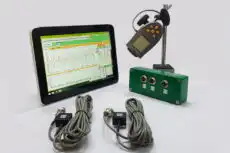
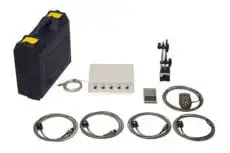
Dastlabki yuklamaning diagnostik ahamiyati ham mavjud. Eskirish natijasida dastlabki yuklamasini yo'qotgan yoki termik haddan tashqari yuklanishga duchor bo'lgan shpindel o'zining tebranish xarakteristikasini o'zgartiradi — ko'pincha kritik aylanish tezliklarini siljitadi yoki keng polosali tebranish darajasini oshiradi — shuning uchun dastlabki yuklamaning ta'siri tebranish diagnostika mutaxassisiga nosozlik yuz bermasdan ancha oldin ko'rinadi. Masalan, Balanset-1A shpindelning tebranish spektri va ish tezligidagi umumiy tebranish darajasini o'lchab, baseline sifatida xizmat qiladi, undan keyingi podshipnik dastlabki yuklamasi yoki holatidagi har qanday o'zgarishni kuzatish mumkin — va agar asosiy muammo unbalance ekanligiga ishonch hosil qilinsa, uni podshipniklar emas, balki shu mashina ustida balansirovka qilish yo'li bilan bartaraf etish mumkin.
Podshipnik dastlabki yuklamasi podshipnik tizimi unumdorligini oshirishning samarali vositasi bo'lib, kattaroq qattiqlik, yaxshilangan aniqlik hamda sirpanish va beqarorlikdan himoyani ta'minlaydi. Biroq uni ehtiyotkorlik bilan tanlash lozim: qo'shimcha ishqalanish, issiqlik va resurs kamayishi nuqtai nazaridan yutuqlarni yo'qotishlarga nisbatlab, har bir aniq ilova uchun maqbul balansirovka ta'minlanishi kerak.

