Rotor beqarorligini tushunish
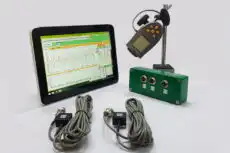




Rotor beqarorligi aylanuvchi mexanizmlarda shunday holat bo'lib, unda o'z-o'zini qo'zg'atuvchi tebranish rivojlanadi va cheksiz o'sib boradi, faqat chiziqli bo'lmagan effektlar yoki to'liq buzilish bilan cheklanadi. Tashqi kuchlar ta'sirida kelib chiqadigan tebranishdan farqli o'laroq unbalance or misalignment — which are majburiy tebranishlar tashqi kuchlar bilan haydalmaydi — beqarorlik o'z-o'zini saqlab turadigan tebranishdir, u val’ning barqaror aylanishidan uzluksiz energiya oladi va uni tebranma harakatga yo'naltiradi. Bu rotor dynamics: u to'satdan paydo bo'lishi, bir necha soniya ichida halokatli amplitudalarga etishi mumkin va — eng muhimi — uni muvozanatlash yoki to'g'rilash bilan bartaraf etib bo'lmaydi. Bu holat darhol to'xtatishni va beqarorlikni keltirib chiqarayotgan asosiy mexanizmni bartaraf etishni talab qiladi.
1. Majburiy va o'z-o'zini qo'zg'atuvchi tebranish
Beqarorlikni tushunishdagi eng muhim tushuncha — haydalmayotgan tebranish bilan o'zini o'zi haydaydigan tebranish o'rtasidagi farqdir.
Majburiy tebranish (barqaror)
Mexanizmlardagi tebranishlarning aksariyati majburiy xususiyatga ega. Tashqi kuch — muvozanatsizlik, o'q noto'g'ri joylashuvi, egilgan val — harakatni keltirib chiqaradi va sistema shunchaki javob beradi:
- Amplituda majburlovchi kuchning kattaligiga mutanosib.
- The frequency matches the forcing frequency (1×, 2×, and so on).
- Kuchni olib tashlang — tebranish yo'qoladi.
- Sistema barqaror; tebranish hech qachon cheksiz o'smaydi.
O'z-o'zini qo'zg'atuvchi tebranish (beqaror)
Beqarorlik tubdan farq qiladi. Energiya tashqi kuch tomonidan berilmasdan, aylanishning o'zidan olinadi:
- Amplituda chegara tezligi oshib ketganidan keyin eksponent tarzda o'sadi.
- Chastota odatda tabiiy chastotasida yoki unga yaqin bo'ladi va odatda sub-synchronous.
- Bu muvozanat buzilishi to'liq tuzatilgandan keyin ham davom etadi va kuchayadi.
- Tizim beqaror; uni faqat to'xtatish yoki jismoniy o'zgartirish orqali to'xtatish mumkin.
2. Rotor Beqarorligining Keng Tarqalgan Turlari
Oil whirl
Oil whirl suyuq plyonkali podshipniklardagi eng keng tarqalgan beqarorlikdir sirpanma podshipniki tizimlarda. Valini ushlab turuvchi yog' pona podshipnik bo'shlig'i atrofida jurnalni itaruvchi tangensial kuch hosil qiladi. U taxminan 0,42–0,48× ishlash tezligida (sub-sinkron) namoyon bo'ladi, odatda tezlik birinchi kritik tezlikdan taxminan ikki baravar oshgach paydo bo'ladi critical speedva tezlik ortishi bilan kuchayuvchi yuqori amplitudali sub-sinkron tebranish sifatida namoyon bo'ladi. Podshipnik konstruktsiyasini o'zgartirish, qo'shimcha preloadyoki ofset konfiguratsiyalari odatdagi davolash usullari hisoblanadi.
Yog' qamrovi (og'ir beqarorlik)
Oil whip is the dangerous mature form of oil whirl. As the rotor accelerates, the whirl frequency rises until it locks onto the first natural frequency and then stays there, regardless of further speed increases. The result is very high amplitude at a constant frequency, capable of destroying bearings and shaft within minutes. The transition from a manageable whirl to a destructive whip is the reason instability is never to be tolerated.
Bug' aylanishi va aerodinamik beqarorliklar
Steam whirl labirint muhrlar bilan jihozlangan bug' turbinalarida yuzaga keladi, bu yerda muhr bo'shliqlardagi aerodinamik o'zaro bog'lovchi kuchlar yuqori bosim farqi ostida tabiiy chastotaga yaqin sub-sinkron tebranishni haydaydi. Aylanishga qarshi tormozlar, aylanishga qarshi qurilmalar va qayta ko'rib chiqilgan muhr geometriyasi odatdagi yechimlar hisoblanadi.
Shaft whip
Shaft whip val materialidagi ichki (gisteretik) so'ndirishni, muhrlarda yoki ishqalanishlarda hosil bo'ladigan quruq ishqalanishli aylanishni va aerodinamik yoki gidrodinamik o'zaro bog'lovchi kuchlarni o'z ichiga olgan bir nechta o'z-o'zini qo'zg'atuvchi mexanizmlar uchun umumiy nomdir. Keng whirl and whip hodisalar oilasi bir xil o'z-o'zini saqlovchi energiya uzatishini baham ko'radi.
3. Xususiyatlar va Alomatlar
Tebranish belgisi
Beqarorlik ma'lumotlarda o'ziga xos izlar to'plamini hosil qiladi:
- Sub-sinkron chastota: a dominant component below 1× running speed, typically around 0.4–0.5×.
- Tezlikdan mustaqillik: beqarorlik o'rnatilgach, tezlik o'zgarsa ham chastota o'zgarishsiz qoladi.
- Rapid growth: amplituda chegara tezligi oshilgan zahoti eksponent tarzda ko'tariladi.
- Yuqori amplituda: oddiy muvozanat buzilishidan kelib chiqadigan tebranish amplitudasidan 2–10 baravar yuqori darajaga yetishi mumkin.
- Oldinga pretsessiya: the shaft orbit valning o'zi bilan bir yo'nalishda aylanadi.
Beqarorlik boshlanishi xususiyati
Beqarorlik chegara aylanish tezligi bilan boshqariladi. Undan pastda tizim barqaror bo'lib, faqat majburiy tebranish mavjud bo'ladi; chegara tezligida kichik bir ta'sir ham beqarorlikni qo'zg'atish uchun yetarli; undan yuqorida esa beqarorlik tezlik bilan rivojlanadi. Mashinaning dastlabki ishlash davrida u uzluksiz, o'sib boruvchi tebranishga o'tishdan oldin vaqti-vaqti bilan paydo bo'lib yo'qolishi mumkin.
4. Diagnostik identifikatsiya
Diagnostikaning asosiy vazifasi — o'z-o'zini qo'zg'aydigan beqarorlikni oddiy majburiy tebranishdan ajratishdir. Farq yaqqol ko'rinadi:
| Characteristic | Disbalans (majburiy) | Beqarorlik (o'z-o'zini qo'zg'ash) |
|---|---|---|
| Frequency | 1× ishchi tezlikda | Subsinxron (ko'pincha ~0,45×) |
| Amplituda va aylanish tezligi | Tezlik² ga mutanosib ravishda tekis o'sib boradi | Chegara tezligidan yuqorida to'satdan boshlanadi |
| Balanslashtrishga javob | Tebranish kamayadi | Hech qanday yaxshilanish kuzatilmaydi |
| Chastota va aylanish tezligi nisbati | Tezlikni kuzatib boradi (doimiy tartib) | Doimiy chastota (o'zgaruvchan tartib) |
| To'xtatish paytidagi xatti-harakat | Tezlik kamayishi bilan pasayadi | Tezlik pasaygandan keyin qisqa muddatli saqlanib qolishi mumkin |
Beqarorlikni tasdiqlash
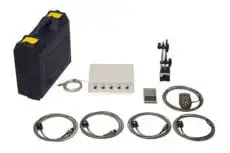
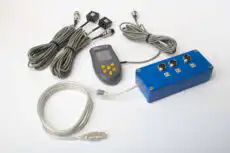
Bir necha usul bu savolga hal qiluvchi javob beradi. Order analysis doimiy chastotani ushlab turuvchi komponent tartib o'zgarganda ham ko'rinadi; a waterfall plot tezlikni kuzatishdan bosh tortuvchi chastota chizig'ini ko'rsatadi; balanslashtirish subsinxron cho'qqiga hech qanday ta'sir qilmaydi; va orbit analysis tabiiy chastotada oldinga pretsessiyani ko'rsatadi. Balanset kabi ikki kanalli ko'chma analizator Balanset-1A bu dalillarni bevosita ish joyida — quyi-sinxron komponentni, uning amplitudasining tezlik bilan o'sishini va 1× chiziqni yonma-yon qayd etib — ushlab olish uchun juda mos keladi; shunday qilib muhandis muvozanatlash umuman maqsadga muvofiqmi yoki yo'qligini hal qilishdan oldin haqiqiy beqarorlikni oddiy muvozanatsizlikdan ajrata oladi. Nosozlikning o'z-o'zidan qo'zg'aladigan xarakterini tasdiqlash muvozanatlash orqali hal qilib bo'lmaydigan muammoni muvozanatlashga urinish kabi qimmat xatoning oldini oladi.
5. Oldini olish va kamaytirish
Loyihalash talablari
- Yetarli so'ndirish: podshipnik tizimlari beqarorlikning boshlanishini bostirib turish uchun yetarlicha damping ta'minlashi kerak.
- Podshipnik tanlash: tiltli tok-yostiqlari yoki oldindan yuklamalangan podshipniklar kabi ichki so'ndirishi yuqori tur va konfiguratsiyalarni tanlang.
- Qattiqlikni optimallashtirish: val va podshipnik o'rtasidagi oqilona stiffness ratios.
- Ish tezligi chegarasi: mashinani beqarorlik boshlangan tezlikdan past ishlashga loyihalang.
Podshipnik konstruksiyasi yechimlari
- Tiltli tok-yostiqlari: o'z-o'zicha barqaror, yuqori tezlikda ishlash uchun standart tanlov.
- Bosimli to'siq podshipniklari: samarali so'ndirishni oshiradigan o'zgartirilgan geometriya.
- Podshipnik oldindan yuklamasi: qattiqlik va so'ndirishni oshiradi hamda boshlang'ich tezlikni ko'taradi.
- Siqiluvchi yog' plyonkali so'ndiruvchilar: podshipniklar atrofiga o'rnatiladigan tashqi so'ndirish elementlari.
Operatsion yechimlar
- Tezlikni cheklash: maksimal tezlikni chegara qiymatidan past darajada cheklash.
- Load increase: og'irroq podshipnik yuklamalari barqarorlik chegarasini kengaytirishi mumkin.
- Harorat nazorati: yog' harorati yopishqoqlikni, yopishqoqlik esa so'nishni belgilaydi.
- Uzluksiz monitoring: erta aniqlash zarar yetkazilishidan oldin to'xtatish uchun vaqt beradi.
6. Favqulodda choralar va barqarorlik tahlili
Agar ishlash jarayonida beqarorlik paydo bo'lsa, javob ketma-ketligi aniq:
- Darhol harakat qiling: tezlikni kamaytiring yoki zudlik bilan to'xtating.
- Balanslashtirish amalga oshirilmasin: u beqarorlikni bartaraf eta olmaydi va faqat muhim vaqtni behuda sarflaydi.
- Shartlarni qayd eting: boshlanish vaqtidagi tezlikni, chastotani va amplitudaning o'zgarish dinamikasini yozib oling.
- Asosiy sababni aniqlang: qaysi mexanizm — yog' girdobi, yog' viragi, bug' girdobi yoki ishqalanishdan kelib chiqqan virak — ishlayotganini aniqlang.
- Tuzatishni amalga oshiring: podshipniklar, muhrlar yoki ish sharoitlarini tegishli tarzda o'zgartiring.
- Tuzatishni tekshiring: yaqin monitoring ostida, ehtiyotkorlik bilan ishga qaytaring.
Muhandislar rasmiy barqarorlik tahlili orqali beqarorlikni oldindan bashorat qiladilar va uning oldini oladilar. Buning uchun rotor-podshipnik tizimi: har bir xususiy qiymatning haqiqiy qismi barqarorlik belgisini ko'rsatadi — manfiy qiymat barqarorlikni, musbat qiymat esa beqarorlikni anglatadi — hisob-kitob esa barqarorlik o'zgaradigan chegara aylanish tezliklarini aniqlaydi. Bu ish odatda ixtisoslashgan rotor dinamikasi dasturiy ta'minotiga tayanadi va etarli barqarorlik zahiralarini kafolatlaydigan loyihalash qarorlariga ta'sir qiladi. Nomutanosiblik yoki noto'g'ri hizalanishga qaraganda ancha kamroq uchraydigan bo'lsa-da, rotorning beqarorligi aylanuvchi mexanizmlardagi eng jiddiy tebranish holatlari qatoriga kiradi va uning mexanizmlari hamda alomatlarini bilish yuqori tezlikdagi uskunalar bilan ishlaydigan har bir mutaxassis uchun muhim ko'nikmalardan biridir.

