Mexanik tebranishdagi so'nishni tushunish






Damping dinamik tizim ichida tebranish energiyasining tarqalishi yoki boshqa shakllarga — asosan issiqlikka — aylanishi hodisasidir. Bu hodisa vibrations ning so'nishiga va qo'zg'atish manbai olib tashlangandan so'ng to'liq to'xtashiga olib keluvchi mexanizmdir. Sodda qilib aytganda, so'nish — tebranishga qarshi harakat qiluvchi harakat qarshiligidir. Har qanday haqiqiy mexanik tizimda ma'lum darajada so'nish mavjud; u bo'lmasa, o'zining tabiiy chastotasi da qo'zg'atilgan konstruktsiya nazariy jihatdan cheksiz katta amplitude.
1. Ta'rif: So'nish nima?
Tebranuvchi tizimning standart modelida — massa, stiffness va so'nish birgalikda ta'sir etganda — so'nish tizimdan energiyani olib chiqadigan yagona omildir. Massa va qattiqlik energiyani o'zaro almashinadi (kinetikdan potentsialga va aksincha), shuning uchun ular yolg'iz tebranishning abadiy davom etishiga yo'l qo'yadi. So'nish esa har bir davrda energiyani "oqizib" yuboradi, amplitudani kichraytiradi va harakatni to'xtatadi. Shuning uchun urilgan qo'ng'iroq abadiy emas, pasayib jiringlab to'xtaydi va mashina o'tkinchi zarba keyinida tinchlashadi.
2. So'nishning mashina dinamikasidagi hal qiluvchi roli
So'nish mexanik muhandislik va tebranish tahlilida asosiy va muhim ahamiyatga ega xususiyatdir. Uning asosiy vazifasi tebranish amplitudalarini nazorat qilishdir resonance. Mashina’ning ish tezligi uning tabiiy chastotalaridan biriga — kritik tezlikka — critical speed yaqinlashganda, so'nish tebranishning halokatli darajaga o'sishini cheklaydigan yagona omildir. Yaxshi so'ntirilgan tizim kritik tezlikdan boshqariladigan, me'yoriy cho'qqisi bilan o'ta oladi, yomonroq so'ntirilgan tizim esa halokatli buzilishni boshdan kechirishi mumkin.
Yetarli darajadagi so'nishning asosiy afzalliklari:
- Halokatli rezonansning oldini oladi: u kritik tezliklarda tebranishning nazoratdan chiqishiga qarshi asosiy himoya vositasidir.
- Tizim barqarorligini yaxshilaydi: in rotor dynamics, so'ndirishga yordam beradi va quyidagilarga o'xshash o'z-o'zini qo'zg'atuvchi beqarorliklarning oldini oladi: oil whirl and whip.
- Barqarorlanish vaqtini qisqartiradi: tizimga zarba yoki o'tkinchi ta'sir bo'lgandan so'ng muvozanatga tezroq qaytishiga imkon beradi.
- Shovqin va charchashni kamaytiradi: umumiy tebranish darajasini pasaytirish orqali so'ndirish shovqin nurlanishini kamaytiradi va tsiklik fatigue komponentlardagi zo'riqishni yengillashtiradi.
3. So'ndirish mexanizmlari turlari
Energiya bir necha yo'l bilan dissipatsiya qilinishi mumkin, bu esa turli xil so'ndirish turlarini keltirib chiqaradi.
Yopishqoq so'ndirish
Bu eng keng modellashtirilgan tur hisoblanadi. U jism suyuqlik orqali harakatlanganda yuzaga keladi va so'ndirish kuchi jismning’ velocityga mutanosib bo'ladi. Klassik misol — avtomobilning muallaqlik tizimidagi amortizator. Aylanma mexanizmlarda suyuq moyli podshipniklardagi («journal) bearings yopishqoq so'ndirish asosiy manbai bo'lib, yuqori tezlikdagi rotorlar barqarorligi uchun muhim ahamiyatga ega; a siqish plyonkali sönümleyici — rotor tizimine nazorat qilinadigan yopishqoq so'ndirish qo'shish uchun maxsus yaratilgan qurilma. rotor-podshipnik tizimi.
Tarkibiy so'ndirish (gisterezis so'ndirish)
Bu material deformatsiyalanayotganda undagi ichki ishqalanishdan kelib chiqadi. Material tsiklik zo'riqishga uchrasa, har bir tsiklda bir oz energiya issiqlik sifatida yo'qoladi. Ko'pincha kichik bo'lsa-da, bu ichki so'ndirish barcha materiallarning o'ziga xos xususiyati bo'lib, ko'plab tugunlar va mahkamlagichlarga ega murakkab konstruktsiyalarda muhim ahamiyat kasb etishi mumkin — shuningdek, mexanik looseness konstruktsiyaning ko'rinadigan so'ndirish xususiyatini o'zgartiradi.
Kulonning so'ndirishi (quruq ishqalanish)
Bu ikkita quruq yuzaning bir-biriga ishqalanishidan kelib chiqadi. So'ndirish kuchi taxminan doimiy bo'lib, doimo harakat yo'nalishiga qarshi ta'sir ko'rsatadi. Tanish misol — disk bo'ylab sirpanuvchi tormoz kolodkasi; mexanizmlarda esa kutilmagan rubbing aylanuvchi va statsionar qismlar orasidagi kontakt Kulonning so'ndirishini va uning diagnostik belgilarini keltirib chiqaradi.
Aerodinamik so'ndirish
Bu havo yoki boshqa gazning harakatlanayotgan jismga ko'rsatadigan qarshiligidir. U odatda faqat turbina pallalari yoki ventilyator impellerlari kabi katta va tez harakatlanuvchi konstruktsiyalar uchun muhim ahamiyat kasb etadi, bunda u aerodinamik kuchlar allaqachon pallalarga ta'sir qilayotgan kuchlar bilan o'zaro ta'sirlashadi.
4. So'nish qanday o'lchanadi va miqdoriy baholanadi?
So'nishni asosiy tamoyillardan hisoblash ko'pincha qiyin bo'ladi va u odatda eksperimental yo'l bilan aniqlanadi. U bir-biriga bog'liq bir nechta ko'rsatkichlar yordamida miqdoriy ifodalanadi:
- So'nish koeffitsienti (ζ, zeta): eng keng tarqalgan o'lchamsiz ko'rsatkich — tizimning haqiqiy so'nishi va uning kritik so'ngan (tebranmasdan muvozanat holatiga qaytish uchun) bo'lishi talab etiladigan so'nish nisbati. Odatdagi mexanik konstruktsiyaning so'nish koeffitsienti taxminan 0,01–0,05 (kritik qiymatning 1–5%) ni tashkil etadi.
- Q omil (sifat omili): tizimning qanchalik kam so'nganligini ko'rsatuvchi ko'rsatkich bo'lib, rezonans chastotasida tebranishning kuchayishini ifodalaydi. Yuqori Q qiymati past so'nishni va tor, yuqori amplitudali rezonans cho'qqisini anglatadi, bunda Q ≈ 1 / 2ζ.
- Logarifmik dekrement: erkin tebranishlarning so'nish tezligi bo'yicha so'nish koeffitsientini topish usuli, masalan, “halqa-so'nish” yoki bump test.
Amaliyotda bu qiymatlar o'lchangan ma'lumotlardan ajratib olinadi — masalan, a chastota javob funksiyasida rezonans cho'qqisining kengligi yoki time waveform ning qo'zg'atish to'xtagandan keyin so'nish konvertidan. A so'nish koeffitsienti kalkulyatori logarifmik dekrement o'lchovini yoki yarim quvvat kengligi o'quvini bevosita ζ ga aylantiradi.
5. Dala diagnostikasi va balanslashtirish jarayonida so'nish
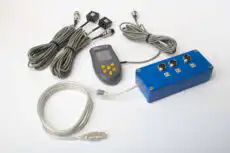
Mashina so'nishining manbalarini aniqlash va tushunish rezonans muammolarini bartaraf etish va uzoq muddatli ishlash barqarorligini ta'minlash uchun hal qiluvchi ahamiyatga ega. Amaliyotda so'nish — bu mashinaning kritik aylanish chastotasidan o'tayotganida qanchalik keskin javob berishini belgilaydi, past so'nishli rezonans esa unbalance muammosini taqlid qilishi yoki kuchaytirishi mumkin. Balanset kabi ikki kanalli portable analizator Balanset-1A ushlab olishi mumkin amplitude-and-phase ishga tushirish yoki to'xtatish jarayonidagi javobni, bu esa engil so'ndirilgan rezonansni belgilaydigan keskin cho'qqini va tez faza o'zgarishini ko'rsatadi. Yuqori tebranishning haqiqatan ham muvozanatsizlik ekanligini — va kichik kuchni kuchaytirib yuborayotgan so'ndirilmagan rezonans emasligini — tasdiqlash, muvozanatlashga urinishdan oldin bajarilishi zarur bo'lgan muhim tekshiruvdir field balancing, chunki og'irlik qo'shish rezonans muammosini bartaraf eta olmaydi.
6. So'ndirish, Qattiqlik va Rezonans — Birgalikda
So'ndirish hech qachon alohida ta'sir qilmaydi; u mashinaning butun dinamik xulq-atvorini shakllantirishda massa va qattiqlik bilan birgalikda ishlaydi. Qattiqlik va massa where tabiiy chastotalar pasayishini belgilaydi, so'ndirish esa javob qanchalik katta va qanchalik o'tkir ekanligini mashina ulardan biri yaqinida ishlayotganida belgilaydi. Bir xil tabiiy chastotalarga ega bo'lgan ikki mashina, biri yaxshi so'ndirilgan, ikkinchisi esa so'ndirilmagan bo'lsa, butunlay boshqacha harakat qilishi mumkin — birinchisi kritik tezlikdan osongina o'tadi, ikkinchisi esa halokatli amplitudalar xavfi ostida qoladi. Bu o'zaro ta'sir shuning uchun muhimki, resonance faqat tabiiy chastotani emas, balki uchta xususiyatni ham bilishni talab qiladi.

