Nasosdagi retsirkulyatsiyani tushunish





Recirculation markazdan qochma nasos va ventilyatorlarda ish rejimi loyiha nuqtasidan — eng yuqori FIK nuqtasidan (BEP) ancha past bo'lganda rivojlanadigan oqim beqarorligi. Past oqim sharoitida suyuqlikning bir qismi yo'nalishni teskari o'zgartiradi: chiqish sohasidan so'rish tomoniga qaytib oqadi va krylchatkaning kirish yoki chiqish joylarida beqaror retsirkulyatsion girdoblarga aylanadi. Natijada past chastotali vibration pulsatsiya (odatda ishlash tezligining 0,2–0,8× qismi va shuning uchun sub-synchronous), shovqin, FIK yo'qotilishi va — og'ir hollarda — tsiklik yuklamalar, dan mexanik shikastlanishlar, cavitation va qizish yuzaga keladi. Bu nasosni ishlatishning eng halokatli usullaridan biri hisoblanadi va undan qochish nasosning ishonchliligi.
1. Ta'rif: past oqimli gidravlik beqarorlik
Krylchatkada suyuqlik BEP nuqtasida qanotchalar orasiga muayyan burchaklar ostida kiradi va chiqadi. Oqimni shu nuqtadan sezilarli darajada kamaytirish tezlik uchburchaklarini qanot geometriyasiga to'g'ri kelmasligi: hujum burchagi keskin noto'g'ri bo'lishi, oqim qanotchalardan ajralishi va krylchatkaning allaqachon quvvat bergan suyuqligi teskari tomonga oqishi sababiga olib keladi. Mana shu teskari, girdob hosil qiluvchi oqimlar — retsirkulyatsiyaning mohiyati. Ular hosil qiluvchi o'zgaruvchan gidravlik kuchlar juda katta bo'lishi mumkin, retsirkulyatsiya podshipnik nosozliklarini, muhr shikastlanishini, val fatigue va hatto krylchatkaning o'zining konstruktiv buzilishini keltirib chiqarishi mumkin. Uni tushunish va oldini olish nasosning uzoq muddatli ishlovchanligi uchun muhim ahamiyatga ega.
2. Retsirkulyatsiya turlari
So'rish retsirkulyatsiyasi
Krylchatkaning kirish qismida (so'rish tomonida) yuzaga keladi:
- Mechanism: past oqimda krylchatkaning ko'ziga kiruvchi suyuqlik noto'g'ri oqim burchagida keladi.
- Separation: oqim qanotchalarning so'rish yuzasidan ajraladi.
- Reverse flow: ajralgan suyuqlik krylchatkaning kirish qismidan orqaga chiqib ketadi.
- Onset: odatda BEP oqimining 60–70% da.
- Location: krylchatka himoya qoplamlariga yaqin joyda to'plangan.
Chiqarish Retsirkulyatsiyasi
Krylchatka chiqarish qismida (chiqishda) yuz beradi:
- Mechanism: yuqori bosimli chiqarish suyuqligi krylchatka atrofiga orqaga oqib kiradi.
- Path: yeyilish halqalari va yon tirqishlar kabi bo'shliqlar orqali.
- Mixing: retsirkulyatsiya oqimi asosiy oqim bilan aralashib, hosil qiladi turbulence.
- Onset: odatda BEP oqimining 40–60% da.
- Severity: odatda so'rish retsirkulyatsiyasiga qaraganda ko'proq zarar yetkazadi.
Kombinatsiyalangan Retsirkulyatsiya
- So'rish va chiqarish retsirkulyatsiyasi bir vaqtda mavjud.
- BEP ning taxminan 40% dan past bo'lgan juda past oqimlarda yuz beradi.
- Eng kuchli tebranishni va eng yuqori shikastlanish salohiyatini keltirib chiqaradi.
- Minimal oqim himoyasi orqali oldini olish kerak.
3. Tebranish Tasviri
Xarakterli Naqsh
- Frequency: qo'zg'atuvchi chastotadan past, odatda aylanish tezligining 0,2–0,8 baravar.
- Example: 1750 RPM da ishlayotgan nasos 10–20 Hz pulsatsiyalarini ko'rsatadi.
- Amplitude: normal ish tebranishining 2–5 baravarига yetishi mumkin.
- Unstable: ham chastota, ham amplituda doimiy qolmasdan o'zgarib turadi.
- Tasodifiy tashkil etuvchi: turbulentlikdan kelib chiqqan keng polosali o'sish ustiga qo'shiladi.
Ushbu o'zgaruvchan, nosinkron xarakter retsirkulyatsiyani unbalance va qanotlar o'tish chastotasining qanotlar o'tish chastotasi; uni aniqlash odatda ham spectrum and the time waveform.
Oqimga bog'liqligi
- High flow: retsirkulyatsiya yo'q, tebranish past.
- O'rtacha oqim (80–100% BEP): retsirkulyatsiya minimal, tebranish maqbul darajada.
- Past oqim (50–70% BEP): so'rish retsirkulyatsiyasi boshlanadi va tebranish ortadi.
- Juda past oqim (< 50% BEP): kuchli retsirkulyatsiya va juda yuqori tebranish.
- Shutoff: maksimal retsirkulyatsiya, maksimal tebranish va eng tez shikastlanish tezligi.
Qo'shimcha ko'rsatkichlar
- A high o'qiy tebranish component.
- Shovqinning ortishi — gumburlash yoki g'uvillab ovoz chiqarish.
- Ish unumdorligining pasayishi, bosim va oqim egri chiziqdan pastga tushadi.
- Gidravlik yo'qotishlar suyuqlikka o'tishi natijasida haroratning ko'tarilishi.
4. Oqibatlari va shikastlanishlar
Darhol Oqibatlar
- Kuchli tebranish: can breach alarm limits within minutes.
- Noise: baland, g'ovurli shovqin.
- Samaradorlik yo'qotilishi: haqiqatda uzatiladigan oqim uchun yuqori quvvat sarfi.
- Heating: gidravlik yo'qotishlar korpusda issiqlikka aylanadi.
Mexanik Shikastlanish
- Podshipnik nosozligi: yuqori tsiklik yuklamalar podshipnikning wear.
- Seal damage: tebranish va bosim pulsatsiyasi mexanik zichlagichlarni.
- Shaft fatigue: beqaror gidravlik kuchlardan kelib chiqadigan o'zgaruvchan egilish kuchlanishi.
- Qanot g'ildiragi shikastlanishi: vane charchoq yoriqlarining paydo bo'lishi tsiklik yuklamalar ta'siridan.
Gidravlik Shikastlanish
- Cavitation: sirkulyatsiya zonalari lokal bosim bug' bosimidan pastga tushganda kavitatsiyaga moyil bo'ladi.
- Erosion: yuqori tezlikdagi sirkulyatsiyalanuvchi oqim yuzalarni eroziyaga uchratadi.
- Vorteks kavitatsiyasi: sirkulyatsiya zonalaridagi girdoblar ularning past bosimli o'zak qismlarida kavitatsiyalanadi.
5. Aniqlash va Diagnostika
Tebranishlarni tahlil qilish
- 0,2–0,8× diapazonidagi sub-sinxron komponentlarni qidiring.
- Xatti-harakatni xaritalash uchun bir necha oqim tezligida sinov o'tkazing.
- Pulsatsiyalar boshlangan oqim tezligini aniqlang — resirkulyatsiyaning boshlanish nuqtasi.
- Natijalarni nasos’ning ishlash egri chizig'i bashoratlari bilan solishtiring.
Ishlash Sinovi
- Haqiqiy bosim–oqim egri chizig'ini o'lchang.
- Uni loyiha egri chizig'i bilan solishtiring.
- Past oqimda og'ish resirkulyatsiyadan dalolat beradi.
- Egri chiziq bashorat qilganidan yuqori quvvat iste'moli — bu qo'shimcha tasdiqlash dalilidir.
Akustik Monitoring
- O'ziga xos turbulent g'uvullagan tovush.
- Keng diapazonli shovqin darajasining oshishi.
- Ko'pincha nasos korpusida eshitiladigan va seziluvchi.
6. Oldini Olish va Kamaytirish
Ishlash Strategiyalari
Minimal Oqimni Himoya Qilish
- Avtomatik minimal oqim resirkulyatsiya liniyasini o'rnating.
- Oqim xavfsiz minimumdan (odatda BEP ning 60–70%idan) past tushganda klapan ochiladi.
- U chiqish oqimini so'rish tomoniga yoki rezervuarga qaytarib yuboradi.
- Bu nasosni retsirkulyatsiya zonasidan tashqarida ushlab turadi.
Ish nuqtasini boshqarish
- Minimal uzluksiz barqaror oqimdan past rejimda ishlashdan saqlaning.
- Nasosni talabga moslashtirish uchun o'zgaruvchan tezlikli haydovchidan foydalaning, affinity laws turli ish rejimlari bo'ylab BEP da ishlash uchun.
- Yaxshi quvvat tartibga solish uchun bitta katta nasos o'rniga bir nechta kichik nasoslarni afzal ko'ring.
- Talab o'zgarishi bilan parallel nasoslarni navbatma-navbat yoqing va o'chiring.
Dizayn yechimlari
- Inducer: so'rish oqimini barqarorlashtirish uchun o'qli kirish bosqichi.
- Past oqimli impellerlar: past oqimli xizmat uchun mo'ljallangan maxsus konstruksiyalar.
- Proper sizing: nasosni haddan tashqari o'lchovli qilmang — bu surunkali past oqimli ishlashga olib keladi.
- Kengaytirilgan ish diapazoni: oqim o'zgarishiga bardoshli tekis egri chiziqli nasoslarni tanlang.
System Design
- Nasos BEP yaqinida ishlashi uchun tizimni loyihalashtiring.
- Retsirkulyatsiya zonalaridagi kavitatsiyani cheklash uchun etarli NPSH zahirasini ta'minlang.
- So'rish tomonidagi bosim tushishini kamaytirish uchun boshqaruv klapanlarini to'g'ri joylashtiring.
- Minimal oqimni ta'minlash uchun shuntlash yoki retsirkulyatsiya tizimlarini kiriting.
7. Sanoat standartlari va ko'rsatmalari
Minimal uzluksiz oqim
- API 610: markazdan qochma nasoslar uchun minimal uzluksiz barqaror oqimni belgilaydi.
- Odatdagi qiymatlar: radial nasoslar uchun BEP oqimining 60–70%, aralash oqimli konstruksiyalar uchun 70–80%.
- Issiqlik jihatidan ko'rib chiqish: minimal oqim shuningdek past oqimda suyuqlik bardosh bera oladigan harorat ko'tarilishi bilan ham cheklanadi.
Ishlash Sinovi
- Zavod sinovlari retsirkulyatsiya boshlanish nuqtasini tasdiqlaydi.
- Dala unumdorlik sinovlari uni o'rnatilgan tizimda tasdiqlaydi.
- Qabul qilish mezonlari minimal oqimda ruxsat etilgan tebranishni belgilaydi, ko'pincha ISO 20816 og'irlik zonalariga muvofiq.
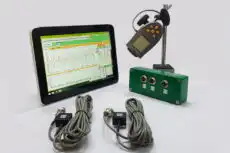
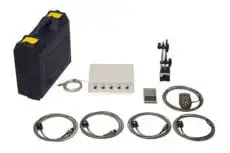
Retsirkulyatsiya, muvozanatsizlik, qanot o'tish effektlari va kavitatsiya — barchasi nasos tebranishini oshirishi mumkin bo'lganligi sababli, amaliy diagnostika bosqichi bir necha oqim tezliklarida spektrni o'lchash va qaysi komponent oqimga bog'liqligini aniqlashdir. Ikki kanalli portativ analizator, masalan, Balanset-1A past chastotali impulsatsiyani va uning oqimga bog'liqligini to'g'ridan-to'g'ri nasosda qayd etadi, bu esa rotor nosozligi o'rniga retsirkulyatsiyani tasdiqlashga yordam beradi — va agar kuchaygan tebranish 1× bo'lsa unbalance kryuchok (impeller) da, texnik nasosni demontaj qilmasdan joyida muvozanatlashi mumkin. Boshlashdan oldin tegishli chastotalarni aniqlash uchun nasos kavitatsiya chastotasini baholash kalkulyatori and a qanot o'tish chastotasi kalkulyatori kavitatsiya shovqini va qanot o'tish cho'qqilari qayerda paydo bo'lishi kerakligini belgilaydi, shunda past chastotali retsirkulyatsiya polosasi aniq ko'rinib turadi.
Retsirkulyatsiya — markazdan qochma nasos duch kelishi mumkin bo'lgan eng qattiq ish sharoitlaridan biri. Uning xarakterli past chastotali tebranish naqshi, katta impulsatsiya amplitudalari va tezkor mexanik zararlanish qobiliyati boshlanish shartlarini tushunishni, minimal oqimni himoya qilishni va surunkali past oqimda ishlashni oldini olishni muhim qiladi — bu sanoat xizmatida nasos ishonchliligi va uzoq umr ko'rishining asosi.

