Διάγνωση ελαττωμάτων γραναζιών με ανάλυση κραδασμών

Βλάβες οδοντωτών τροχών είναι τρόποι φθοράς και βλάβης — φθορά οδόντων, ρωγμές, εκκεντρότητα, ευθυγράμμιση — που αναπτύσσονται στα γρανάζια που χρησιμοποιούνται για μετάδοση ισχύος σε βιομηχανικά μηχανήματα. Η εμπλοκή των οδόντων των γραναζιών είναι από τη φύση της μια θορυβώδης και έντονα δονητική διαδικασία, επομένως τα υγιή γρανάζια παράγουν μια πολύ σαφή και σταθερή υπογραφή κραδασμών· κάθε απόκλιση από αυτή την υπογραφή αποτελεί ισχυρή ένδειξη προβλήματος. Επειδή ανάλυση κραδασμών μπορεί να ανιχνεύσει αυτές τις αποκλίσεις σε πολύ πρώιμο στάδιο, εντοπίζει βλάβες γραναζιών πολύ πριν κλιμακωθούν σε καταστροφική αστοχία κιβωτίου ταχυτήτων.
1. Η Υπογραφή Δόνησης των Γραναζιών
Κάθε γρανάζι έχει ένα χαρακτηριστικό αποτύπωμα στο πεδίο συχνοτήτων, με κυρίαρχο στοιχείο τον ρυθμό εμπλοκής των οδόντων και με δραστηριότητα γύρω από τη συχνότητα περιστροφής κάθε άξονα. Μια μέτρηση αναφοράς ενός υγιούς κιβωτίου ταχυτήτων είναι επομένως από τις πιο πολύτιμες αναφορές που μπορεί να έχει ένα πρόγραμμα αξιοπιστίας: οι βλάβες δεν διαγιγνώσκονται με βάση απόλυτο αριθμό, αλλά από το πώς το σημερινό φάσμα και χρονική κυματομορφή διαφέρουν από αυτή τη γνωστή-καλή υπογραφή. Η πειθαρχία της διάγνωσης γραναζιών είναι κατά κύριο λόγο η πειθαρχία της σωστής ανάγνωσης αυτής της διαφοράς, γι' αυτό τα γρανάζια εμφανίζονται τόσο εμφανώς στην τακτική παρακολούθηση κατάστασης.
2. Συχνότητα πλέγματος γραναζιών (GMF)
Η πιο σημαντική συχνότητα στην ανάλυση του κιβωτίου ταχυτήτων είναι η Συχνότητα εμπλοκής γραναζιών (GMF) — ο ρυθμός με τον οποίο τα δόντια δύο εμπλεκόμενων γραναζιών έρχονται σε επαφή μεταξύ τους.
GMF = Αριθμός δοντιών σε ένα γρανάζι × Ταχύτητα περιστροφής αυτού του γραναζιού
Σε ένα υγιές κιβώτιο ταχυτήτων το Φάσμα FFT δείχνει μια σαφή κορυφή στο GMF, συνήθως με λίγα μικρά αρμονικές (2×GMF, 3×GMF). Το πλάτος της κορυφής GMF αντικατοπτρίζει το φορτίο των γραναζιών, επομένως μια υψηλή κορυφή GMF από μόνη της δεν υποδηλώνει απαραίτητα βλάβη — μπορεί απλώς να σημαίνει ότι το κιβώτιο ταχυτήτων λειτουργεί υπό μεγάλο φορτίο. Οι πραγματικές διαγνωστικές πληροφορίες βρίσκονται στις συχνότητες γύρω από της κορυφής GMF, όχι στην ίδια την κορυφή. Επειδή το GMF εξαρτάται τόσο από τον αριθμό οδόντων όσο και από την ταχύτητα, η χειροκίνητη αναγνώρισή του μπορεί εύκολα να είναι λανθασμένη· ένα Υπολογιστής συχνότητας εμπλοκής οδοντώσεων υπολογίζει το GMF και τις πλευρικές ζώνες του για ένα δεδομένο γρανάζι σε δευτερόλεπτα.
3. Χρήση Πλευρικών Ζωνών για Διάγνωση Βλαβών
Πλευρικές ζώνες αποτελούν το πιο ισχυρό εργαλείο για τη διάγνωση συγκεκριμένων προβλημάτων γραναζιών. Είναι μικρές κορυφές που εμφανίζονται εκατέρωθεν της GMF και των αρμονικών της, παράγονται όταν μια βλάβη διαμορφώνει τη διαδικασία εμπλοκής. Η κρίσιμη ένδειξη είναι η απόσταση: η απόσταση μεταξύ μιας πλευρικής ζώνης και της κορυφής GMF ισούται με την ταχύτητα περιστροφής του άξονα που φέρει το ελαττωματικό γρανάζι, κάτι που σας αποκαλύπτει αμέσως ποιες τον άξονα που πρέπει να ελέγξετε.
- Φθαρμένο ή εκκεντρικό γρανάζι: ένα φθαρμένο, εκκεντρικό ή ελαττωματικό γρανάζι διαμορφώνει την GMF με τη δική του ταχύτητα περιστροφής, δημιουργώντας πλευρικές ζώνες με απόσταση ίση με την ταχύτητα λειτουργίας (1×) του άξονα εκείνου του γραναζιού. Εάν οι πλευρικές ζώνες αντιστοιχούν στην ταχύτητα του άξονα εισόδου, η βλάβη εντοπίζεται στο γρανάζι εισόδου.
- Γενική φθορά οδοντώσεων: φθορά γραναζιών συνήθως αυξάνει το πλάτος της GMF και των αρμονικών της, συνοδευόμενη από πλευρικές ζώνες 1× από το αντίστοιχο γρανάζι.
- Ραγισμένο ή σπασμένο δόντι: ένα μεμονωμένο ραγισμένο ή σπασμένο δόντι παράγει μια ισχυρή κορυφή στην ταχύτητα λειτουργίας 1× εκείνου του γραναζιού, συχνά με πολλές αρμονικές, καθώς και πλευρικές ζώνες γύρω από την GMF με απόσταση ίση με την ταχύτητα εκείνου του γραναζιού. Η κυματομορφή στο πεδίο του χρόνου είναι ιδιαίτερα χρήσιμη εδώ — εμφανίζει ένα διακριτό, περιοδικό κρούσμα κάθε φορά που το κατεστραμμένο δόντι επιχειρεί εμπλοκή.
- Κακή ευθυγράμμιση γραναζιών: κακή ευθυγράμμιση των γραναζιών παράγει συχνά υψηλή αρμονική 2×GMF, μερικές φορές υψηλότερη από την κύρια κορυφή GMF, συνοδευόμενη και πάλι από πλευρικές ζώνες στην ταχύτητα λειτουργίας.
Ένα σχετικό φαινόμενο που αξίζει να γνωρίζετε είναι η συχνότητα κυνηγητού δοντιών, ο πολύ χαμηλός ρυθμός με τον οποίο ένα συγκεκριμένο ζεύγος δοντιών επανέρχεται σε επαφή· βλάβες που αφορούν ένα κακό δόντι σε κάθε γρανάζι μπορούν να το διεγείρουν.
4. Ειδικές Τεχνικές Ανάλυσης
Επειδή η κραδασμική συμπεριφορά των γραναζιών είναι ιδιαίτερα πλούσια, η τυπική ανάλυση φάσματος ενισχύεται συχνά με τεχνικές που απομονώνουν το σήμα του γραναζιού:
- Ανάλυση κυματομορφής χρόνου: απαραίτητο για την επιβεβαίωση σπασμένων ή ραγισμένων δοντιών, τα οποία εμφανίζονται ως έντονα, επαναλαμβανόμενα κρούσματα συγχρονισμένα με την περιστροφή του γραναζιού και όχι με την εμπλοκή.
- Ανάλυση Cepstrum: ένας μετασχηματισμός που συμπυκνώνει ολόκληρες οικογένειες ομοιόμορφα κατανεμημένων πλευρικών ζωνών σε μεμονωμένες, ευανάγνωστες συνιστώσες, καθιστώντας ορατά τα μοτίβα πλευρικών ζωνών όταν είναι θαμμένα σε ένα πολυσύχναστο FFT.
- Ανάλυση περιβάλλουσας: αποδιαμορφώνει τον φορέα υψηλής συχνότητας για να αναδείξει τον ρυθμό κρουσμάτων χαμηλής συχνότητας μιας τοπικής βλάβης δοντιού, συμπληρώνοντας την εικόνα των πλευρικών ζωνών.
5. Στάδια αστοχίας γραναζιών
Η ανάλυση κραδασμών μπορεί να παρακολουθεί την εξέλιξη μιας βλάβης γραναζιού μέσα από τέσσερα αναγνωρίσιμα στάδια, δίνοντας στις ομάδες συντήρησης τον απαραίτητο χρόνο για να προγραμματίσουν μια παρέμβαση:
- Στάδιο 1 (πρώιμο): εμφανίζονται μικρές πλευρικές ζώνες γύρω από την GMF. Το συνολικό επίπεδο κραδασμών ενδέχεται να μην αλλάξει καθόλου.
- Στάδιο 2 (μέτριο): τα πλάτη των πλευρικών ζωνών αυξάνονται, και αρμονικές της GMF αρχίζουν να εμφανίζονται με τις δικές τους πλευρικές ζώνες.
- Στάδιο 3 (σοβαρό): το GMF και οι αρμονικές του φέρουν πολλές μεγάλες πλευρικές ζώνες, η συχνότητα 1× του ελαττωματικού γρανάζιου αρχίζει να αυξάνεται και ο θόρυβος του φάσματος ανυψώνεται.
- Στάδιο 4 (καταστροφικό): το GMF μπορεί να εξαφανιστεί, αντικαθιστώμενο από μια θορυβώδη, τυχαία υπογραφή δόνησης όταν τα δόντια έχουν υποστεί σοβαρή βλάβη ή καταστραφεί.
6. Εφαρμογή στην Πράξη στο Πεδίο
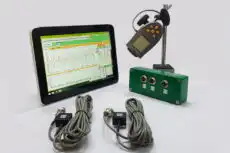
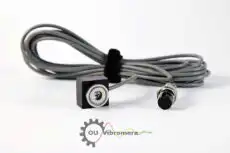
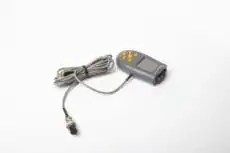
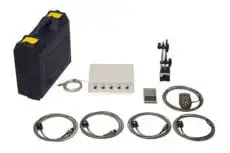
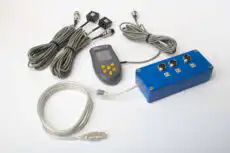
Η διάγνωση γραναζιών ξεκινά με μια καθαρή μέτρηση πεδίου στην ταχύτητα και το φορτίο λειτουργίας. Ένα φορητό δίαυλο όργανο, όπως το Balanset-1A καταγράφει το φάσμα FFT και τη χρονική κυματομορφή στο κάθε έδρανο, επιτρέποντας στον μηχανικό να εντοπίσει το GMF, να διαβάσει την απόσταση των πλευρικών ζωνών για να αποδώσει τη βλάβη σε συγκεκριμένο άξονα και να παρατηρήσει στην κυματομορφή το χαρακτηριστικό περιοδικό κρούσμα ενός σπασμένου δοντιού — όλα αυτά χωρίς να ανοιχθεί το κιβώτιο ταχυτήτων. Όταν ένα κιβώτιο ταχυτήτων οδηγεί ή υποστηρίζει επίσης έναν δρομέα, το ίδιο όργανο επαληθεύει ότι η υπολειπόμενη ρουλεμάν και η δόνηση λόγω ανισορροπίας παραμένουν εντός των ορίων προτύπων όπως το ISO 20816, ώστε μια επιβεβαιωμένη βλάβη γραναζιού να μην καλύπτεται από άσχετες πηγές. Εντοπιζόμενο στο Στάδιο 1 ή 2, ένα ελάττωμα γραναζιού μετατρέπεται σε προγραμματισμένη επισκευή αντί για απρογραμμάτιστη διακοπή λειτουργίας.

