Айналмалы механизмдер талдауындағы іске қосылуды түсіну




Runup — іске қосылу немесе үдету сынағы деп те аталады — бұл айналмалы машинаны тыныш күйден (немесе төмен жылдамдықтан) қалыпты жұмыс жылдамдығына дейін үдете отырып, үздіксіз жазып отыру процесі vibration және басқа параметрлерді. Оның ішінде rotor dynamics, іске қосылу — бұл машинаның үдету кезіндегі мінез-құлқын тіркейтін диагностикалық рәсім, оның тікелей эмпирикалық дәлелдерін береді сындық жылдамдықтар, its resonance сипаттамалары және іске қосу кезіндегі өтпелі процесті өту тәсілі. Іске қосу кезіндегі жүрісті тексеру кезекті іске қосуға енгізілуі мүмкін болғандықтан, ротордың динамикалық жай-күйін мерзімді бағалаудың ең ыңғайлы әдістерінің бірі болып табылады — ол тоқтау кезіндегі жүрісті тексерумен толықтырады және арнайы ажырату талаптарын қажет етпейді.
1. Мақсаты мен қолданылу салалары
Критикалық жиілікті тексеру
Іске қосу кезіндегі жүрісті тексерудің негізгі мақсаты — машинаның критикалық айналым жиіліктерін анықтау және сипаттау:
- Машина әрбір критикалық жиілікті өткенде тербеліс амплитудасы шыңдық мәнге дейін артады.
- Бұл шыңның биіктігі қолжетімді damping және резонанстың қарқындылығын сипаттайды.
- Шың арқылы өткенде фазаның 180° phase ауытқуы оның кездейсоқ мәжбүрлеу емес, нақты резонанс екенін растайды.
- Сынақ нөлден жұмыс жиілігіне дейінгі барлық критикалық жиіліктерді машина оларды өту ретімен анықтайды.
Іске қосу рәсімін тексеру
Іске қосу кезіндегі жүрісті тексеру жазбаша іске қосу рәсімінің нақты сәйкестігін растайды:
- Үдеу жылдамдығы критикалық жиіліктерден тұрмай өту үшін жеткілікті.
- Тербеліс амплитудалары бүкіл жұмыс барысында қауіпсіз шектерде қалады.
- Жылыну кезіндегі жылулық кеңею әсерлері ескеріледі.
- Жылдамдықты ұстап тұру кезеңдері критикалық жиіліктерден алшақ, дұрыс орналасқан.
Іске қосу және қабылдау сынақтары
- Жаңа машинаның’ алғашқы іске қосылуындағы жұмысын тексеру.
- Жобалық техникалық сипаттамалардың орындалғанын дәлелдеу.
- Establishing baseline болашақта салыстыру үшін деректер.
- Ротордың динамикалық моделін және оның болжамдарын шындықпен тексеру.
Кезеңдік техникалық жай-күйді бағалау
- Ағымдағы іске қосу барысын тарихи базалық деңгейлермен салыстыру.
- Қауіпті жиілік орнының ығысуын анықтау — бұл дамып келе жатқан жарық немесе тіреу қаттылығының өзгеруі сияқты механикалық өзгерістің белгісі.
- Қауіпті жиіліктегі амплитуданың өсуін байқау — бұл өшірудің азайғанын немесе балансталмаушылықтың артқанын білдіреді.
- Ақаулардың дамуы кезінде ерте ескерту беру.
2. Іске қосу сынағының рәсімі
Pre-Test Setup
- Сенсорды орнату: mount accelerometers немесе жылдамдық түрлендіргіштерін әр тірекке, көлденең және тік бағыттарда.
- Фаза сілтемесі: fit a tachometer or keyphasor жылдамдықты да, фазалық базалық сигналды да қамтамасыз ету үшін.
- Деректерді жинақтау жүйесі: оны бүкіл іске қосу барысында үздіксіз жоғары жылдамдықты жазуға реттеңіз, мерзімді суреттемелерге емес.
- Қауіпсіздік жүйелері: барлық қорғаныс жүйелерінің жұмысқа қабілеттілігін тексеріп, вибрацияны реттеңіз trip levels жұмысты бастамас бұрын.
Test Execution
- Бастапқы жағдай: машина тыныш күйде, барлық жүйелер дайын.
- Жазуды бастаңыз жетек іске қосылмас бұрын, осылайша өтпелі процестің басы толық жазылады.
- Іске қосуды бастаңыз қалыпты немесе әдейі өзгертілген рәсімді орындай отырып.
- Бақыланатын үдеу: белгіленген жылдамдықпен критикалық жиілік аймақтарынан өту.
- Үздіксіз бақылаңыз, қауіпсіздік мақсатында тербелісті нақты уақытта бақылай отырып.
- Жұмыс жылдамдығына жетіңіз, қалыпты жұмыс жағдайларына өте отырып.
- Stabilise: жылулық және механикалық тепе-теңдікке жету үшін уақыт беріңіз.
- Stop recording тек толық өтпелі процесс пен тұрақты жұмыс кезеңі жазылып болғаннан кейін ғана.
Үдеу жылдамдығын таңдау ерекшеліктері
- Too fast: әр жылдамдықта тым аз деректер нүктесі жиналады, ал өткір критикалық жылдамдық тіркелмей өтіп кетуі мүмкін.
- Too slow: ротор резонанс аймағында тым ұзақ тұрады, бұл зақымдану қаупін туғызады, ал сынақ кезінде жылулық жағдайлар ауытқиды.
- Typical rate: 100–500 rpm per minute suits most industrial equipment.
- Критикалық жылдамдық аймақтары: жоғары амплитудада өткізілетін уақытты азайту үшін белгілі критикалық жылдамдықтардан жылдамырақ өтуге болады.
Үдеу жылдамдығы еркін таңдалмай, қозғалтқыш моменті мен ротор инерциясымен анықталатын жетектер үшін ротор үдеу уақытының калькуляторы машинаның айналу жылдамдығына жетуге қанша уақыт кететінін бағалайды; бұл критикалық жылдамдықтардан жеткілікті тез өтілетінін растауға көмектеседі.
3. Деректерді талдау әдістері
Боде диаграммасын талдау
Іске қосу кезеңіне арналған стандартты бейнелеу:
- Plot vibration amplitude жоғарғы сызықта жылдамдыққа қарсы.
- Төменгі сызықта фаза бұрышын жылдамдыққа қарсы сызыңыз.
- Критикалық жылдамдықтар амплитуда шыңдары ретінде пайда болады және фаза ауысуларымен қатар жүреді — бұл нағыз резонансты анықтайтын жұптасқан белгі.
- Нәтижені қабылдау критерийлерімен және жобалық болжамдармен салыстырыңыз.
The Bode plot амплитуда мен фазаны бірге көрсететіндіктен, дәл осы жерде негізгі құрал болып табылады — резонансты растайтын осы екі шама бірге қарастырылады.
Водопад / Каскад диаграммасы
- A waterfall plot stacks the жиілік спектрі бірізді жылдамдықтарда жиіліктер спектрінің жылдамдыққа байланысты өзгеруін үшөлшемді картаға түсіреді.
- Бұл 1× синхронды компоненттің жылдамдықпен диагональ бойынша ізделетінін көрсетеді.
- Тіркелген меншікті жиілік резонанстары жылдамдықпен жылжымайтын тік белгілер ретінде пайда болады.
- Бұл бір ғана спектрде жасырылуы мүмкін синхронды астыңғы немесе синхронды жоғарғы компоненттерді анықтауда өте тиімді.
Order Tracking
- Order analysis тербелісті абсолютті жиілік орнына — жұмыс жылдамдығының еселіктері болып табылатын — рет санымен береді.
- 1× компоненті жеделдету барысында бүкіл уақытта бір рет сызығында тұрып, жылдамдыққа байланысты мәжбүрлеуді оқшаулайды.
- Тіркелген меншікті жиіліктер, керісінше, жылдамдық өзгерген сайын рет сызықтарын кесіп өтеді.
- Бұл көрініс айнымалы жылдамдықты жабдықта ерекше тиімді.
4. Салыстыру: Жеделдету және тежелу
Жеделдетудің айналы кескіні — coastdown, онда қуаттандырудан ажыратылған машина өзінің үйкелісі мен аэродинамикалық кедергісімен бәсеңдейді. Екеуі де бірдей критикалық жылдамдықтарды, бірақ қарама-қарсы жағдайларда көрсетеді:
| Aspect | Runup | Coastdown |
|---|---|---|
| Direction | Жылдамдықтың артуы | Жылдамдықтың кемуі |
| Energy state | Adding energy | Энергияның сейілуі |
| Temperature | Cold to warm | Warm to cool |
| Control | Active (rate adjustable) | Пассивті (табиғи тежелу) |
| Ұзақтығы | Қысқа (қуатпен жеделдету) | Ұзақ (тек үйкеліс және аэродинамикалық кедергі) |
| Frequency | Every startup | Every shutdown |
| Risk | Жоғары (резонансқа дейін үдеу) | Төмен (резонанстан шығу кезінде баяулау) |
Әр әдісті қашан қолдану керек
- Іске қосу кезінде үдеу (runup) артықшылықты: іске қосу бақыланатын және оның қарқыны реттелуі мүмкін болған жағдайда; жұмыс температурасындағы деректер қажет болған кезде; және кәдімгі іске қосуларға кіріктірілген жоспарлы мониторинг үшін.
- Тоқтау кезінде инерциялық баяулау (coastdown) артықшылықты: қауіпсіздік тұрғысынан маңызды сынақтарда; критикалық жиіліктер арқылы баяу, жұмсақ өтуді қалаған кезде; және жай қуатты өшіру бақыланатын іске қосуды ұйымдастырудан оңайырақ болған кезде. Арнайы интерпеляция талдауы таза құрылымдық резонанстарды бөліп алады, өйткені электрлік немесе жетек байланысты мәжбүрлеуші күштер болмайды.
- Both methods: жан-жақты бағалау ыстық пен суық жағдайдағы мінез-құлықты салыстырады және олардың сәйкестігін растайды — бұл маңызды сәйкестік тексерісі.
5. Икемді роторлар үшін арнайы ескертулер
A flexible rotor критикалық жылдамдықтарының бірінен немесе бірнешеуінен жоғары жұмыс істейді, сондықтан оның іске қосу кезіндегі үдеуі қатты ротордың үдеуіне қарағанда табиғи түрде күрделірек.
Бірнеше критикалық жылдамдық
- Ротор жоғарыға қарай бірінші, екінші және мүмкін үшінші критикалық жылдамдықтардан өтуі тиіс.
- Әрқайсысы тиісті үдеу қарқынын талап етеді, осылайша ротор ешбір резонанс аймағында ұзақ тұрып қалмайды.
- Total startup time may stretch to several minutes.
- Тек ең жоғары критикалық жылдамдықта ғана емес, барлық критикалық жылдамдықтарда тербеліс мониторингі міндетті.
Үдеу стратегиясы
- Баяу үдеу бірінші критикалық жылдамдықтан төмен, жылулық дайындалуға мүмкіндік береді.
- Жылдам өту жинақтала алатын амплитуданы шектеу үшін әр критикалық жылдамдық аймағынан.
- Ықтимал тоқтату нүктелері жылулық тұрақтандыру үшін аралық жылдамдықтарда.
- Соңғы үдеу барлық критикалық жылдамдықтардан жоғары жұмыс жылдамдығына дейін.
6. Автоматтандырылған жылдамдық өсіру жүйелері
Қазіргі заманғы машиналар жылдамдық өсіру реттілігін қолмен басқаруға жіберместен жиі автоматтандырады:
- Бағдарламаланатын үдеу профильдері әр жылдамдық ауқымына оңтайландырылған жылдамдықтармен.
- Тербелісті бақылауға негізделген реттеу өлшенген тербелісіне байланысты жылдамдықты автоматты түрде реттейді.
- Температуралық блокировкалар жылулық критерийлер орындалғанша үдеуді тоқтатады.
- Қауіпсіздік ажыратулары тербеліс шегінен асып кетсе машинаны автоматты түрде ажыратады.
- Data logging трендтік талдау үшін әрбір іске қосуды тіркейді және мұрағаттайды.
7. Критикалық жылдамдықтарды болжау және тексеру
Жылдамдық өсіру кезінде өлшенген шыңдарды күтілетін мәндермен салыстыру мүмкін болса, оның мәні ерекше зор. Резонанстардың пайда болуы керек жылдамдықтарды алдын ала бағалауға болады — а ротордың сыни жылдамдық есептеші білік осінің ең төменгі критикалық жылдамдығын алғашқы бағалайды, ал Кэмпбелл диаграммасы калькуляторы жылдамдық өзгерген кезде табиғи жиіліктердің жұмыс жылдамдығы сызығымен қиылысуын картаға түсіреді. Жылдамдық өсіру кезіндегі өлшенген шыңдарды болжанған мәндермен салыстыру Campbell диаграммасы үлгіні де растайды, сонымен қатар тексеруді қажет ететін күтпеген резонанстарды да анықтайды.
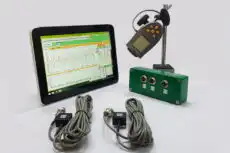
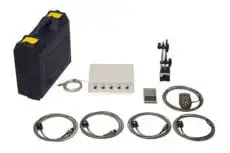
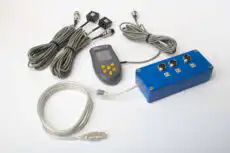
Теңгерімдеу үшін қолданылатын сол далалық аспап іске қосу кезіндегі жоғарылау сынамасын алу үшін де бірдей дәл пайдаланылады. Мысалы, Балансет-1А 1× амплитудасы мен фазасын жылдамдыққа қарай бүкіл үдеу барысында тіркейді, осылайша инженерге сыни жылдамдықтарды анықтап, олардан қауіпсіз өтуді растауға қажетті Bode және спектрлік графиктерді жасайды — ал жоғарылау сынамасы теңгерімсіздікке байланысты шың көрсеткен жағдайда, роторды жұмыс жылдамдығында орнында теңгерімдейді және келесі іске қосылым кезінде жетілдірілуін тексереді.
Жоғарылау сынамасы (runup тестілеу) айналушы жабдықтың ең талапшыл сәтінде — іске қосылу өтпелі режимінде — қалай жұмыс істейтіні туралы маңызды, нақты деректер береді. Жоғарылау деректерін жүйелі жинап, уақыт бойынша салыстыру дамып келе жатқан ақауларды ерте анықтауға, іске қосылу процедураларын растауға және барлық сыни жылдамдық ауқымдарынан қауіпсіз өтуге кепілдік береді.

