ಪೀಕ್ ಆಂಪ್ಲಿಟ್ಯೂಡ್ (Pk & Pk-Pk) ಅನ್ನು ಅರ್ಥಮಾಡಿಕೊಳ್ಳುವುದು


ಪೀಕ್ (Pk) ಆಮ್ಪ್ಲಿಟ್ಯೂಡ್ ಇದು ಗರಿಷ್ಠ ಮಟ್ಟದ ಒಂದು ಮಾಪಕವಾಗಿದೆ vibration ಸಿಗ್ನಲ್ಗೆ, ಶೂನ್ಯ ಅಥವಾ ಸಮತೋಲನ ಸ್ಥಾನದಿಂದ ತರಂಗರೂಪ ತಲುಪುವ ಅತ್ಯುನ್ನತ ಬಿಂದುವರವರೆಗೆ ಅಳೆಯಲ್ಪಟ್ಟದ್ದು. ಶುದ್ಧ ಸೈನಸೊಯ್ಡ್ಗೆ ಇದು ಮಾಪನದ ಸಮಯದಲ್ಲಿ ಸಂಭವಿಸಿದ ಕಂಪನದ ಅತಿದೊಡ್ಡ ಕ್ಷಣಿಕ ಮಟ್ಟವನ್ನು ಪ್ರತಿನಿಧಿಸುತ್ತದೆ. ಇದು ವ್ಯಕ್ತಪಡಿಸುವ ಮೂರು ವಿಧಾನಗಳಲ್ಲಿ ಒಂದಾಗಿದೆ amplitude — Peak-to-Peak ಮತ್ತು RMS — ಇವುಗಳ ಜೊತೆಗೆ, ಮತ್ತು ಅವುಗಳ ನಡುವೆ ಆಯ್ಕೆ ಮಾಡುವುದು vibration analysis.
ಪೀಕ್-ಟು-ಪೀಕ್ (Pk-Pk) amplitude ತರಂಗರೂಪದ ಒಟ್ಟು ವಿಚಲನವಾಗಿದೆ, ಇದು ಅತಿ ಋಣ ಟ್ರಫ್ನಿಂದ ಅತಿ ಧನ ಕ್ರೆಸ್ಟ್ವರೆಗೆ ಅಳೆಯಲ್ಪಡುತ್ತದೆ. ಶುದ್ಧ ಸೈನ್ ತರಂಗದಲ್ಲಿ Peak-to-Peak ಮೌಲ್ಯವು Peak ಮೌಲ್ಯದ ನಿಖರವಾಗಿ ಎರಡು ಪಟ್ಟು. ಎರಡೂ ಪರಿಮಾಣಗಳನ್ನು ಟೈಮ್ ವೇವ್ಫಾರ್ಮ್ನಿಂದ ಓದಲಾಗುತ್ತದೆ time waveform ಸ್ಪೆಕ್ಟ್ರಮ್ನಿಂದ ಅಲ್ಲ.
ಉದಾಹರಣೆ — +5 mm/s ಮತ್ತು −5 mm/s ನಡುವೆಯೇ ಅಲೆಯುವ ಸೈನ್ ತರಂಗಕ್ಕೆ:
- ದಿ ಪೀಕ್ (Pk) ಆಂಪ್ಲಿಟ್ಯೂಡ್ 5 mm/s ಆಗಿದೆ.
- ದಿ ಪೀಕ್-ಟು-ಪೀಕ್ (Pk-Pk) ಆಂಪ್ಲಿಟ್ಯೂಡ್ 10 mm/s ಆಗಿದೆ.
1. Peak, Peak-to-Peak ಮತ್ತು RMS ನಡುವಿನ ಸಂಬಂಧ
ಆದರ್ಶ ಸೈನಸೊಯ್ಡ್ಗಾಗಿ ಈ ಮೂರು ಮಾನಗಳು ಸ್ಥಿರ ಅನುಪಾತಗಳಿಂದ ಸಂಪರ್ಕ ಹೊಂದಿವೆ: RMS ಮೌಲ್ಯವು Peak ಅನ್ನು √2ರಿಂದ ಭಾಗಿಸಿದಷ್ಟಿರುತ್ತದೆ (ಸುಮಾರು 0.707 × Peak), ಮತ್ತು Peak = 1.414 × RMS. ಮುಖ್ಯವಾಗಿ, ಈ ಸರಳ ಪರಿವರ್ತನೆಗಳು ಶುದ್ಧ ಸೈನ್ ತರಂಗಕ್ಕಷ್ಟೇ ಅನ್ವಯಿಸುತ್ತವೆ. ಸಿಗ್ನಲ್ನಲ್ಲಿ ಹೊಡೆತಗಳು, ಶಬ್ದ ಅಥವಾ ಅನೇಕ ಆವೃತ್ತಿಗಳು ಕಾಣುತ್ತಿದ್ದಂತೆ, ನಿಜವಾದ peak ಮತ್ತು RMSನಿಂದ ಪಡೆದ peak ವಿಭಿನ್ನವಾಗುತ್ತವೆ — ಅದಕ್ಕಾಗಿಯೇ ನಿಜವಾದ sample-by-sample peak detector, ಕೇವಲ RMS ಓದನ್ನು ಮಾಪಕಗೊಳಿಸುವ ಸಾಧನಕ್ಕಿಂತ ಭಿನ್ನವಾಗಿ ವರ್ತಿಸುತ್ತದೆ.
2. ಪೀಕ್ ಮಾಪನಗಳನ್ನು ಯಾವಾಗ ಬಳಸಲಾಗುತ್ತದೆ?
ಒಟ್ಟಾರೆ ಶಕ್ತಿ ಮತ್ತು ಕಂಪನದ ಹಾನಿಕಾರಕ ಸಾಮರ್ಥ್ಯವನ್ನು ಅಳೆಯಲು RMS ಅತ್ಯಂತ ಸಾಮಾನ್ಯ ಮಾನವಾಗಿದ್ದರೂ, Peak ಮತ್ತು Peak-to-Peak ಮೌಲ್ಯಗಳು ಎರಡು ನಿರ್ದಿಷ್ಟ ಸಂದರ್ಭಗಳಲ್ಲಿ ವಿಶೇಷ ಮಹತ್ವ ಪಡೆಯುತ್ತವೆ.
a) ಕ್ಲಿಯರೆನ್ಸ್ ಮತ್ತು ಯಾಂತ್ರಿಕ ಸ್ಥಳಾವಕಾಶವನ್ನು ಮೌಲ್ಯಮಾಪನ ಮಾಡುವುದು
ಪೀಕ್-ಟು-ಪೀಕ್ ಸ್ಥಳಾಂತರ ಇದು ಅತ್ಯಂತ ಮಹತ್ವದ ಮಾಪನ, ವಿಶೇಷವಾಗಿ ಹೊಂದಿರುವ ಯಂತ್ರಗಳಿಗಾಗಿ ಜರ್ನಲ್ ಬೇರಿಂಗ್ಗಳು ಇದರಿಂದ ನಿಗಾ ಇಡಲ್ಪಡುವ ಸನ್ನಿಹಿತತೆ ತನಿಖೆ. Pk-Pk ಮೌಲ್ಯವು ಶಾಫ್ಟ್ ತನ್ನ ಬೇರಿಂಗ್ ಕ್ಲಿಯರೆನ್ಸ್ ಒಳಗೆ ಒಟ್ಟು ಎಷ್ಟು ದೂರ ಚಲಿಸುತ್ತದೆ ಎಂಬುದನ್ನು ವಿಶ್ಲೇಷಕನಿಗೆ ತಿಳಿಸುತ್ತದೆ. ಆ ಮೌಲ್ಯವು ಬೇರಿಂಗ್ನ ಭೌತಿಕ ಕ್ಲಿಯರೆನ್ಸ್ಗೆ ಹತ್ತಿರವಾಗಲು ಪ್ರಾರಂಭಿಸಿದರೆ, ರೋಟರ್ ಮತ್ತು ಸ್ಥಿರ ಭಾಗಗಳ ನಡುವೆ ವಿನಾಶಕಾರಿ ಸಂಪರ್ಕಕ್ಕೆ ತಲುಪಬಹುದಾದ ಗಂಭೀರ ಸಮಸ್ಯೆಯ ಸ್ಪಷ್ಟ ಎಚ್ಚರಿಕೆಯಾಗಿದೆ. ಇದು ಯಾಂತ್ರಿಕ ಅಂತರಗಳ ಭಾಷೆಯಲ್ಲಿ — ಅಂದರೆ ಮೈಕ್ರೋಮೀಟರ್ಗಳು ಅಥವಾ mils ಮಟ್ಟದ ನಿಜವಾದ ಚಲನವಲನದಲ್ಲಿ — ಮಾತನಾಡುವುದರಿಂದ, Peak-to-Peak ವಿಸ್ಥಾಪನೆಯೇ ಕ್ಲಿಯರೆನ್ಸ್ ಪ್ರಶ್ನೆಗಳಿಗೆ ಸ್ವಾಭಾವಿಕ ಏಕಕವಾಗಿದೆ.
b) ಅಪ್ಪಳಿಕೆಗಳು ಮತ್ತು ಟ್ರಾನ್ಸಿಯೆಂಟ್ಗಳನ್ನು ಪತ್ತೆಹಚ್ಚುವುದು
Peak ಆಮ್ಪ್ಲಿಟ್ಯೂಡ್ವು ಹೊಡೆತಗಳಂತಹ ಕ್ಷಣಿಕ, ಹೆಚ್ಚಿನ-ಶಕ್ತಿ ಘಟನೆಗಳಿಗೆ ಅತ್ಯಂತ ಸಂವೇದನಶೀಲವಾಗಿದೆ. ಒಡೆದ ಗೇರ್ ಟೂತ್, ಅಥವಾ ಒಂದು ಸ್ಪಾಲ್ ಬೇರಿಂಗ್ ರೇಸ್ನಲ್ಲಿನ ಸ್ಪಾಲ್ ಮೇಲೆ ಗುಳ್ಳೆಯುವ ರೋಲಿಂಗ್ ಎಲೆಮೆಂಟ್, ಟೈಮ್ ವೇವ್ಫಾರ್ಮ್ನಲ್ಲಿ ಒಂದು ತೀಕ್ಷ್ಣ ಸ್ಪೈಕ್ ಉಂಟುಮಾಡುತ್ತದೆ. ಈ ಪೀಕ್ ತ್ವರಣೆ ಮೌಲ್ಯವು ಈ ಘಟನೆಗಳ ಸಮಯದಲ್ಲಿ ತೀವ್ರವಾಗಿ ಏರುತ್ತದೆ, ಒಟ್ಟಾರೆ RMS ಮೌಲ್ಯ ಕಡಿಮೆಯೇ ಉಳಿದಿದ್ದರೂ; ಇದರಿಂದ Peak ಮಾಪನಗಳು ಆರಂಭಿಕ ಬೇರಿಂಗ್ and ಗಿಯರ್ ದೋಷ ಪತ್ತೆಗೆ ಮೌಲ್ಯಯುತ ಸಾಧನವಾಗುತ್ತವೆ. Peak ಮತ್ತು RMS ನಡುವಿನ ಅನುಪಾತವು ತಾನೇ ಮಾನ್ಯ ನಿರ್ಣಾಯಕ ಸೂಚಕವಾಗಿದೆ — ಅದೇ ಕ್ರೆಸ್ಟ್ ಫ್ಯಾಕ್ಟರ್ — ಮತ್ತು ಏರುತ್ತಿರುವ Crest Factor ಬಹುಸಾರಿ ಹೊಡೆತಪ್ರಾಯ ದೋಷ ಬೆಳೆಯುತ್ತಿರುವ ಮೊದಲ ಲಕ್ಷಣವಾಗಿರುತ್ತದೆ.
3. ಪೀಕ್ ಮಾಪನಗಳ ಮಿತಿಗಳು
ಸಾಮಾನ್ಯ ಸ್ಥಿತಿ ಮೌಲ್ಯಮಾಪನಕ್ಕೆ ಕೇವಲ Peak ಆಮ್ಪ್ಲಿಟ್ಯೂಡ್ನ್ನು ಅವಲಂಬಿಸುವುದರ ಮುಖ್ಯ ದುರ್ಬಲತೆ ಎಂದರೆ ಅದು ಕೇವಲ ಒಂದು ಕ್ಷಣವನ್ನು ಮಾತ್ರ ಹಿಡಿಯುತ್ತದೆ. RMS ಮಾಡುವಂತೆ ಸಿಗ್ನಲ್ನ ಉಳಿದ ಭಾಗದ ಶಕ್ತಿ ವಿಷಯದ ಬಗ್ಗೆ ಅದು ಏನನ್ನೂ ಹೇಳುವುದಿಲ್ಲ. ಒಂದು ತೀಕ್ಷ್ಣ, ಪ್ರತ್ಯೇಕ ಸ್ಪೈಕ್ ಹೊಂದಿರುವ ವೇವ್ಫಾರ್ಮ್ಗೆ Peak ಹೆಚ್ಚು ಕಾಣಿಸಬಹುದು ಆದರೆ RMS ಕಡಿಮೆಯಾಗಿರಬಹುದು; ಇದರಿಂದ ಅದು ವಿಶೇಷವಾಗಿ ಹಾನಿಕಾರಕವಲ್ಲವೆಂದು ತೋರುತ್ತದೆ. ಇದಕ್ಕೆ ವಿರುದ್ಧವಾಗಿ, ಅನೇಕ ಮಧ್ಯಮ ಪೀಕ್ಗಳಿಂದ ನಿರ್ಮಿತವಾದ ಸಂಕೀರ್ಣ ವೇವ್ಫಾರ್ಮ್ ಒಂದು ಹೆಚ್ಚಿನ, ನಿಜವಾಗಿಯೂ ಹಾನಿಕಾರಕ RMS ಅನ್ನು ಹೊತ್ತುಕೊಳ್ಳಬಹುದು, ಆದರೆ ಪ್ರತ್ಯೇಕವಾಗಿ ನೋಡಿದಾಗ ಯಾವುದೇ ಒಂದೇ Peak ಆತಂಕಕಾರಿಯಂತೆ ಕಾಣದಿರಬಹುದು. ಇನ್ನೊಂದು ಪ್ರಾಯೋಗಿಕ ಸಮಸ್ಯೆ ಪುನರಾವರ್ತನೀಯತೆ: ನಿಜವಾದ peak ಒಮ್ಮೆ ಮಾತ್ರ ಸಂಭವಿಸುವ ಗರಿಷ್ಠವಾಗಿರುವುದರಿಂದ, ಒಂದು ಅಲೆಮಾರಿ transient ಅಥವಾ ವಿದ್ಯುತ್ ಶಬ್ದದ ಸ್ಫೋಟ ಅದನ್ನು ಹೆಚ್ಚಿಸಬಹುದು; ಆದ್ದರಿಂದ peak ಓದುಗಳನ್ನು ಬಹುಸಾರಿ ಒಂದು peak-hold ಕಾರ್ಯದೊಂದಿಗೆ ಹಲವಾರು ಸೆಕೆಂಡುಗಳವರೆಗೆ ಸೆರೆಹಿಡಿದು, ಸ್ವತಂತ್ರವಾಗಿ ಅಲ್ಲದೆ RMS ಜೊತೆಗೆ ವ್ಯಾಖ್ಯಾನಿಸಲಾಗುತ್ತದೆ.
4. ಸಂಕ್ಷಿಪ್ತ ಸಾರಾಂಶ: Pk vs. Pk-Pk vs. RMS
ಈ ಮೂರು ಮಾನಗಳು ಪರಸ್ಪರ ಸ್ಪರ್ಧಿಗಳು ಅಲ್ಲ, ಪರಸ್ಪರ ಪೂರಕಗಳು — ಕೇಳಲಾಗುತ್ತಿರುವ ಪ್ರಶ್ನೆಗೆ ಸರಿಯಾದ ಮಾನವನ್ನು ಆಯ್ಕೆ ಮಾಡುವುದಲ್ಲೇ ಕೌಶಲ್ಯ ಇದೆ:
- RMS ಬಳಸಿ ಒಟ್ಟಾರೆ ಕಂಪನ ತೀವ್ರತೆ ಪ್ರವೃತ್ತಿ ನಿಗಾವಹಿಸುವಿಕೆಗಾಗಿ ಮತ್ತು ಯಂತ್ರದ ಸಾಮಾನ್ಯ ಆರೋಗ್ಯವನ್ನು ಮೌಲ್ಯಮಾಪನ ಮಾಡಲು; ಇದು ಕಂಪನದ ವಿನಾಶಕಾರಿ ಶಕ್ತಿಗೆ ಅತ್ಯುತ್ತಮವಾಗಿ ಸಂಬಂಧಿಸುತ್ತದೆ ಮತ್ತು ISO 20816.
- Peak-to-Peak (ವಿಸ್ಥಾಪನ) ಅನ್ನು ಬಳಸಿ ಚಿಂತೆಯ ವಿಷಯವು ಭೌತಿಕ ಕ್ಲಿಯರೆನ್ಸ್ ಮತ್ತು ಘಟಕದ ಪರಿಪೂರ್ಣ ಚಲನೆಯಾಗಿರುವಾಗ — ವಿಶೇಷವಾಗಿ ಜರ್ನಲ್ ಬೇರಿಂಗ್ಗಳಲ್ಲಿ ಓಡುವ ಶಾಫ್ಟ್ಗಳಿಗಾಗಿ.
- Peak (ವೇಗವರ್ಧನೆ) ಅನ್ನು ಬಳಸಿ ತೀಕ್ಷ್ಣ ಹೊಡೆತಪ್ರಾಯ ಘಟನೆಗಳನ್ನು ಪತ್ತೆಹಚ್ಚಲು ಮತ್ತು ಪ್ರಮಾಣೀಕರಿಸಲು; ಅವು ಬಹುಸಾರಿ ಬೇರಿಂಗ್ ಮತ್ತು ಗೇರ್ ದೋಷಗಳ ಮೊದಲ ಸೂಚನೆಯಾಗಿರುತ್ತವೆ.
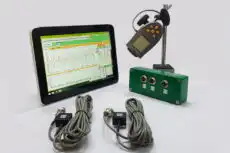
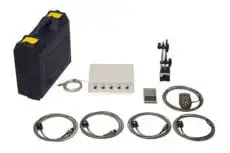
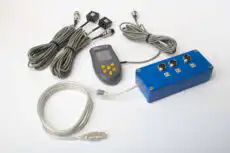
ಪ್ರಾಯೋಗಿಕವಾಗಿ ವಿಶ್ಲೇಷಕನು ಮೂರನ್ನೂ ಒಟ್ಟಿಗೇ ಗಮನದಲ್ಲಿಡುತ್ತಾನೆ. ಇದರಂತಹ ಪೋರ್ಟ್ಬಲ್ ಎರಡು-ಚಾನಲ್ ಸಾಧನ ಬ್ಯಾಲೆನ್ಸೆಟ್-1ಎ ಒಟ್ಟಾರೆ ಮಟ್ಟಗಳು ಮತ್ತು ಅಡಿಪಾಯ ಟೈಮ್ ವೇವ್ಫಾರ್ಮ್ ಅನ್ನು ಜೊತೆಯಾಗಿ ವರದಿ ಮಾಡುತ್ತದೆ; ಹೀಗಾಗಿ ಇಂಜಿನಿಯರ್ ಒಂದೇ ಮಾಪನದಿಂದ ಗಂಭೀರತೆಗೆ RMS, ಕ್ಲಿಯರೆನ್ಸ್ಗೆ Peak-to-Peak, ಮತ್ತು ಇಂಪ್ಯಾಕ್ಟ್ ವಿಷಯಕ್ಕೆ Peak ಅನ್ನು ಯಾವುದೇ ಸಮರಸವಿಲ್ಲದೆ ಓದಬಹುದು.

