ब्रश दोष समजून घेणे



ब्रश दोष are problems in the carbon or metal-graphite brushes that conduct electrical current between the stationary and rotating parts of DC motors, wound-rotor AC motors, generators and slip-ring assemblies. The common defects are brush wear, improper seating, chattering (bouncing), sparking, contamination and spring-tension problems. Each one creates trouble on more than one front: electrical (poor current transfer and arcing), mechanical (vibration from bouncing), and — if left uncorrected — secondary damage to the commutator or slip rings.
Brush-type machines are gradually being displaced by AC induction motors, but they are far from extinct. DC drives, wound-rotor motors, generators and a range of specialty equipment still rely on brushes, so recognising brush defects remains a core part of electric-motor diagnostics and of any electrical fault investigation on rotating plant.
1. Common Brush Defects
Brush Wear
Some wear is normal, but it can be badly accelerated:
- सामान्य झीज: gradual material loss from friction — on the order of 1–2 mm per 1000 hours.
- वेगवान झीज: driven by high current, poor lubrication (no protective carbon film), or contamination.
- लक्षणे: brushes visibly shortened and approaching their minimum length.
- परिणाम: weak spring pressure as the brush shortens, leading to poor contact and increased sparking.
- कृती: replace when worn to the minimum length, typically one-third to one-half of the original.
Brush Chattering (Bouncing)
Here the brush intermittently loses contact with the commutator:
- कारणे: inadequate spring pressure, a rough commutator, external vibration, or an eccentric commutator.
- लक्षणे: visible sparking, audible buzzing or rattling, and electrical noise.
- कंपन: the bouncing creates impacts at the commutator bar-pass frequency.
- नुकसान: accelerates commutator wear and inflicts arcing damage.
- Frequency: chattering typically lives in the 100–1000 Hz range.
Poor Brush Seating
- वर्णन: the brush face does not conform to the curvature of the commutator.
- कारणे: new brushes that have not been run in, improper installation, or too hard a brush grade.
- परिणाम: reduced contact area, high local current density, and concentrated heating.
- लक्षणे: excessive sparking, hot spots and rapid wear.
- उपाय: a proper run-in procedure, correct brush-grade selection, and seating stones.
प्रदूषण
- तेल आणि ग्रीस: reduce friction, prevent the carbon film from forming, and cause electrical tracking.
- धूळ: abrasive particles that accelerate झीज.
- आर्द्रता: promotes corrosion and disturbs the electrical contact.
- Carbon-dust build-up: can short between segments or create tracking paths.
Brush Spring Issues
- Weak springs: insufficient pressure, poor contact and bouncing.
- Broken springs: no pressure at all, so the brush stops contacting.
- चुकीचा दबाव: too high causes excessive wear, too low causes poor contact.
- गंज: corroded springs lose their elasticity.
Sparking and Arcing
- Visible sparks at the brush-to-commutator interface.
- Causes include chattering, poor contact, overload and commutator damage.
- The damage is progressive, pitting the commutator surface.
- In the worst case it leads to a flashover — an arc bridging multiple segments.
2. कंपन signatures
ब्रश-संबंधित कंपने
- खडखड: high-frequency vibration in the 100–1000 Hz band as the brush bounces.
- Commutator bar frequency: number of commutator bars × RPM / 60.
- Electrical harmonics: a family of harmonics from arcing and the repeated interruption of current.
- व्यापक शोर: random high-frequency content generated by sparking.
- अॅम्प्लिट्यूड मॉड्युलेशन: appears if eccentricity makes the contact pressure vary once per revolution.
दुय्यम यांत्रिक परिणाम
- Brush friction creates tangential forces on the commutator.
- Uneven brush wear can produce unbalance-like symptoms.
- Asymmetric spring pressure can disturb the rotor’s centring.
Because several of these signatures overlap in frequency with genuine mechanical faults, brush problems are a classic source of diagnostic confusion — a reminder always to confirm the commutator bar-pass frequency before blaming the bearings.
३. शोध पद्धती
दृश्य निरीक्षण
- Brush length: measure the remaining length and replace below the minimum.
- Contact surface: it should be smooth and conformal to the commutator.
- स्पार्किंग: observe in a darkened area — light sparking is normal, heavy sparking is a problem.
- दूषण: check for oil, dust and carbon build-up.
- Spring condition: verify the springs are intact and delivering the correct tension.
विद्युत चाचण्या
- Brush contact resistance: should be low and consistent across all brushes.
- Spring pressure: measure with a spring scale — typically 1.5–3.5 psi of contact pressure.
- Voltage drop: across the brush-to-commutator interface, normally less than 1 V per brush.
Vibration and Acoustic Methods
- High-frequency accelerometer measurements to capture the impacts of chattering.
- ध्वनिक उत्सर्जन for detecting arcing.
- Ultrasonic monitoring for corona discharge or tracking.
- वर्णक्रम विश्लेषण to isolate the commutator bar frequency.
थर्मल इमेजिंग
- Hot brushes indicate poor contact or overload.
- Hot spots on the commutator point to localised problems.
- थर्मोग्राफी can reveal a temperature imbalance between brush sets.
4. Measuring Brush Vibration in the Field
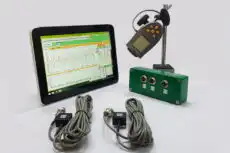
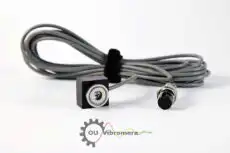
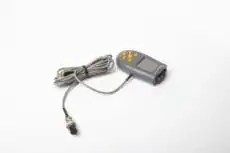
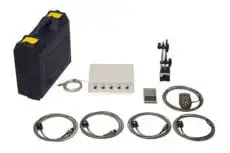
When a brush-type machine is suspected of chattering or arcing, the practical test is a high-frequency vibration measurement at the brush-gear housing. A portable two-channel analyser such as the Balanset-1A lets you capture the spectrum and confirm whether the energy lines up with the commutator bar-pass frequency or with a broadband sparking pattern. Used alongside a visual check in a darkened enclosure and a voltage-drop test, it helps separate a true brush defect from an unrelated bearing or balance issue — and, once new brushes are seated, verifies that the high-frequency content has dropped back to baseline. Tracking those readings within a स्थिती-नियंत्रण programme turns a reactive replacement into a planned one.
5. Maintenance and Correction
नियमित ब्रश देखभाल
- Inspection frequency: monthly for critical machines, quarterly for general applications — a natural fit for route-based periodic monitoring.
- स्वच्छता: vacuum away carbon dust and clean the commutator surface.
- Length check: replace brushes once they reach the minimum length.
- Spring tension: verify the correct pressure.
- Commutator condition: check for scoring, pitting and high bars.
ब्रश बदल
- Use the correct grade for the application — consult the manufacturer.
- Replace all brushes in a set together.
- Ensure a proper fit in the brush holders.
- Allow new brushes a run-in period of 24–48 hours to seat fully.
- Verify the spring pressure again after installation.
कम्युटेटर देखभाल
- Clean regularly with approved solvents or stones.
- Turn (machine) the commutator if it becomes grooved or rough.
- Undercut the mica between bars where specified.
- Check for high bars, loose bars and damaged segments.
6. Prevention Best Practices
संचालन पद्धती
- Operate within the rated current to limit brush heating.
- Avoid excessive starting frequency — starting current stresses the brushes.
- Keep the environment clean to prevent contamination.
- Control humidity; air that is too dry or too wet both degrade the contact.
निवड आणि रचना
- Specify an appropriate brush grade — soft or hard — for the current density.
- Provide an adequate number of brushes for the current.
- Use a proper brush-holder design.
- Consider brushless alternatives for new installations.
Brush defects, though specific to DC and wound-rotor machinery, are important maintenance items that reward regular inspection and timely replacement. A clear grasp of the wear mechanisms, sound maintenance practice, and recognition of the diagnostic symptoms keeps brush-type motors running reliably — and prevents the electrical and mechanical damage that follows neglected brushes.

