Razumijevanje defekta četkica
Nedostaci četkica su problemi u ugljiknim ili metalno-grafitnim četkicama koje provode električni struju između nepokretnih i rotirajućih dijelova DC motora, asinkronih motora s namotkama u rotoru, generatora i sklopova s kliznim prstenovima. Česti defekti su trošenje četkica, loše sjedišenje, lupkanje (odbijanje), iskrenje, zagađenje i problemi s zatezanjem opruge. Svaki od njih stvara probleme na više fronta: električki (loš prijenos struje i preskakivanje), mehanički (vibracija od odbijanja), i — ako ostane neispravljeno — sekundarna oštećenja komutatora ili kliznih prstena.
Mašine sa četkicama polako se zamjenjuju asinkronim motorima sa izmjeničnom strujom, ali nisu daleko od izumiranja. DC pogoni, motori sa namotanim rotorom, generatori i niz specijalne opreme i dalje se oslanjaju na četkice, tako da prepoznavanje neispravnosti četkica ostaje temeljni dio dijagnostike elektromotora i bilo koje električne neispravnosti istraživanja na rotirajućim mašinama.
1. Česte neispravnosti četkica
Habanje četkica
Izvjesno trošenje je normalno, ali može biti značajno ubrzano:
- Normalno habanje: postupni gubitak materijala uslijed trenja — reda veličine 1–2 mm na 1000 sati.
- Ubrzano trošenje: pogonjena visokom strujom, lošom podmazivanjem (bez zaštitnog filma od ugljika) ili zagađenjem.
- Simptomi: četkice vidno skraćene i bliže minimalnoj dužini.
- Posljedice: slaba sila opruge kako se četkica skraćuje, što dovodi do lošeg kontakta i pojačanog pucketanja.
- Radnja: zamijeni kada je izašljena do minimalne dužine, obično na jednu trećinu do jednu polovinu originalne dužine.
Vibriranje četkica (Skok)
Ovdje četkica povremeno gubi kontakt sa komutatorom:
- Uzroci: neadekvatna sila opruge, hrapavi komutator, vanjski vibracija, ili ekscentrični komutator.
- Simptomi: vidljivo pucketanje, čujno zvizganje ili klepetanje, i električni šum.
- Vibracije: skok stvara udare na frekvenciji prolaska štapova omotača.
- Oštećenje: ubrzava trošenje omotača i nanosi štetu od paljenja luka.
- Frekvencija: vibriranje četkica obično se nalazi u rasponu od 100–1000 Hz.
Loše nalijeganje četkica
- Opis: površina četkice ne odgovara zakrivljenosti komutatora.
- Uzroci: nove četkice koje nisu upuštene, pogrešna instalacija ili previše tvrda klasa četkice.
- Efekat: smanjena površina kontakta, visoka lokalna gustoća struje i koncentrirano zagrijavanje.
- Simptomi: prekomjerna iskra, vruće točke i brzo trošenje.
- Rješenje: odgovarajući postupak upuštanja, ispravan odabir klase četkice i ploče za sjedanje.
Kontaminacija
- Ulje i mast: smanjuju trenje, sprječavaju stvaranje ugljičnog filma i uzrokuju električno tragiranje.
- Prašina: abrazivne čestice koje ubrzavaju habanje.
- Vlaga: Potpomaže koroziju i poremećuje električni kontakt.
- Nakupljanje ugljične prašine: može doći do kratkog spoja između segmenata ili stvaranja putanja tragiranja.
Problemi s oprugama četkica
- Slabe opruge: nedovoljan pritisak, loš kontakt i skakanje.
- Slomljene opruge: bez pritiska, tako da četkica prestane biti u kontaktu.
- Neispravan pritisak: previši uzrokuje prekomjerno trošenje, prenizak uzrokuje loš kontakt.
- Korozija: korodirana pera gube svoju elastičnost.
Iskra i lučenje
- Vidljive iskre na sučelju četkice i komutatora.
- Uzroci uključuju čitanje, loš kontakt, preopterećenje i oštećenje komutatora.
- Oštećenje je progresivno, pravljenjem jamičnih otisaka na površini komutatora.
- U najgorem slučaju vodi do preskoka — luka koji spaja više segmenata.
2. Vibracijski potpisi
Vibracije povezane s četkom
- Treperenje: vibracije visoke frekvencije u opsegu 100–1000 Hz dok se četka kolebanja.
- Frekvencija komutatorske pruge: broj komutatorskih pruga × RPM / 60.
- Električni harmonici: porodicu harmonici od preskakanja i ponavljane prekida struje.
- Buka širokopojasnog spektra: nasumični sadržaj visoke frekvencije stvoren iskrenjem.
- Modulacija amplitude: pojavljuje se ako ekscentričnost čini da se pritisak kontakta razlikuje jednom po revoluciji.
Sekundarni mehanički efekti
- Trenje četke stvara tangencijalne sile na komutator.
- Neujednačena istrošenost četke može proizvesti neuravnoteženost-slične simptome.
- Asimetrični pritisak opruge može poremetiti centriranje rotora.
Budući da se nekoliko ovih potpisa preklapa u frekvenciji sa pravim mehaničkim greškama, problemi s četkom su klasičan izvor dijagnostičke zbrke — podsjetnik da se uvijek potvrdi frekvencija prosljeđivanja komutatorske pruge prije nego što se okrivljavaju ležajevi.
3. Metode detekcije
Vizuelni pregled
- Dužina četkice: izmjerite preostalu dužinu i zamijenite ako je ispod minimuma.
- Kontaktna površina: trebala bi biti glatka i usklađena sa komutatorem.
- Iskrenje: promatrajte u zatamnjenom mjestu — blago varničenje je normalno, jako varničenje je problem.
- Kontaminacija: provjerite ulje, prašinu i nakupljanje ugljika.
- Stanje opruge: provjerite da su opruge neočišćene i da pružaju pravilnu napetost.
Električni testovi
- Otpor kontakta četkica: trebao bi biti niska i konzistentan kroz sve četkice.
- Pritisak opruge: izmjerite s dinamometrom — tipično 1,5–3,5 psi pritiska kontakta.
- Pad napona: preko sučelja četkica-komutator, obično manje od 1 V po četkici.
Metode vibracije i akustike
- Visoka frekvencija akcelerometar mjerenja za hvatanje utjecaja trzaja.
- Akustička emisija za detektovanje lučenja.
- Ultrazvučni nadzor za pražnjenja u kruni ili praćenje.
- Analiza spektra za izolaciju frekvencije komutatora.
Termalno snimanje
- Vrući četkovi ukazuju na loš kontakt ili preopterećenje.
- Vruće točke na kolektor-skom delu ukazuju na lokalizovane probleme.
- Termografija mogu otkriti neravnotežu temperature između kompleta četkova.
4. Mjerenje vibracija četkova na terenu
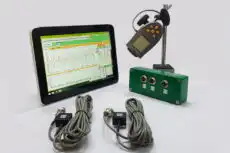
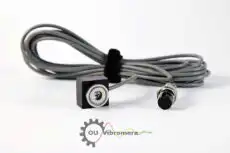
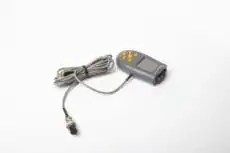
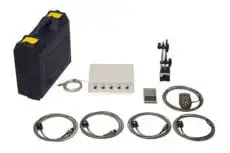
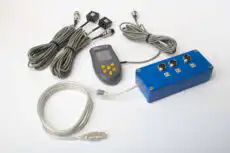
Kada se sumnja da stroj sa četkama vibrira ili puca električni luk, praktična provjera je mjerenje vibracija na visokim frekvencijama na kućištu prijenosnika četkova. Prenosivi analizator sa dva kanala kao što je Balanset-1A omogućava vam hvatanje spektra i potvrđivanje da li se energija poklapa sa frekvencijom prolaska šipki kolektora ili sa širokopojasnim obrascem iskren-ja. Korišten zajedno sa vizuelnom provjerom u zatamnjenom kučištu i testom padanja napona, pomaže da se odvoji pravi defekt četke od neuparenog problema ležaja ili balansa — i, nakon što su nove četke podesene, potvrđuje da se sadržaj visokih frekvencija vratio na početni nivo. Praćenje tih očitavanja u okviru praćenje stanja program pretvara reaktivnu zamjenu u planiranu.
5. Održavanje i korekcija
Rutinsko održavanje četkova
- Učestalost inspekcije: mjesečno za kritične strojeve, tromjesečno za opšte primjene — prirodno pogodno za periodičko nadziranje na osnovu rute.
- Čišćenje: usisati ugljenu prašinu i očistiti površinu kolektora.
- Provjera dužine: zamijeniti četke čim dostignu minimalnu dužinu.
- Napetost opruge: provjeriti ispravan pritisak.
- Stanje kolektora: provjeriti oštećenja, udare i visoke šipke.
Zamjena četkova
- Koristiti ispravnu klasu za primjenu — konsultujte proizvođača.
- Zamijeni sve četkice kao kompletan set.
- Osiguraj pravilno prileganje u držačima četkica.
- Dozvoli novim četkicama period uhodavanja od 24–48 sati da se potpuno ugrade.
- Provjeri pritisak opuge ponovo nakon ugradnje.
Održavanje komutora
- Redovno čisti odobrenim otapalima ili kamenjem.
- Obradi (strugaraj) komutor ako postane napregnut ili hrapav.
- Progrezi miku između pločica gdje je to navedeno.
- Provjeri ima li visokih pločica, labavnih pločica i oštećenih segmenata.
6. Praktike sprečavanja
Operativne prakse
- Radi unutar nominalnog struje kako bi ograničio zagrijavanje četkica.
- Izbjegavaj česte pokretnje — startna struja opterećuje četkice.
- Održavaj okruženje čistim kako bi spriječio zagađenje.
- Kontroliraj vlažnost; zrak koji je previše suh ili premokro oba oštećuju kontakt.
Izbor i oblikovanje
- Specificiraj odgovarajuću kvalitetu četkice — mekanu ili tvrdu — za gustoću struje.
- Osiguraj dovoljan broj četkica za struju.
- Koristi pravilnu konstrukciju držača četkica.
- Razmotriti bešumarnu alternativu za nove instalacije.
Greške četkica, iako specifične za DC i mašine sa ranijom razvojem, predstavljaju važne stavke održavanja koje zahtijevaju redovni pregled i blagovremenu zamjenu. Jasno razumijevanje mehanizama habanja, dobra praksa održavanja i prepoznavanje dijagnostičkih simptoma osiguravaju pouzdano funkcioniranje motora sa četkicama — i sprečavaju elektromagnetske i mehaničke štete koje nastaju od zanemarivanja četkica.

