Kuelewa Nafasi ya Bearing katika Rotor Dynamics






Bearing span — pia inaitwa nafasi ya bearing au nafasi ya msaada — ni umbali wa kituo-hadi-kituo kati ya bearings kuu za msaada mbili za rota. Safi kama inavyosikika, kimo hiki kimoja ni mojawapo ya vigezo vya maajabu zaidi katika yote rotor dynamics, kwa sababu inaweka ugumu wa kufa wa shinata stiffness, na ugumu kwa upande wake unachagiza kasi za muhimu, miheuko ya juu zaidi, mizigo inayochukuliwa na bearings, na tabia nzima ya rotor. Kwa kipenyo fulani cha shinata na nyenzo, kuongeza nafasi hufanya shinata kuwa na kuelea zaidi na kupunguza kasi yake muhimu; kupunguza nafasi inakusanya shinata na kuinuza kasi zake. Kile chombo — athari kubwa kutoka kwa mabadiliko ya jiometri ya kawaida — ni kile kinachoifanya nafasi ya bearing kuwa uamuzi muhimu wa muundo badala ya kufikiria baadaye.
1. Ufafanuzi na Kanuni za Kwanza
Kati ya msaada wake miwili, shinata inajifanya kama boriti iliyosaidizwa kwa urahisi, na mechanics sawa inayozigaverna boriti yoyote inazigaverna rotor. Nafasi ni urefu wa boriti, na kwa sababu deflation ya boriti inakwaja na mchemraba wa urefu, kuelea kwa rotor ni nyeti sana kwa mahali ambapo bearings zimeingia. Kila kitu kinachofuata — kasi muhimu, mipaka ya deflation, mizigo ya bearings — inatoka katika uhusiano huo wa mchemraba, kwa hiyo inastahili kuanzisha kwa uangalifu kabla ya kufa hitimisho la muundo.
2. Athari juu ya Ugumu wa Rotor
Uhusiano wa mechanics wa boriti
Rigidità ya shimoni kati ya mitaani ifuatayo ni mlingano wa msingi wa boriti:
Deflection ∝ L³ / (E × I)
- L = eneo la kuzamia (urefu).
- E = moduli ya elasticity ya nyenzo.
- I = wakati wa inertia ya eneo la shimoni, lenyewe ni sawia na kipenyo⁴.
- Key insight: kupinda — na kwa hiyo, kubadilika — huongezeka kwa cube of the span.
Athari za vitendo
- Kuongeza mara mbili eneo la kuzamia kunaongeza kupinda mara nane (2³ = 8).
- Kupunguza eneo kwa 25% kupunguza kupinda kwa takriban 58%.
- Mabadiliko madogo katika mahali pa kuzamia yanaweza kuwa na athari kubwa zaidi kwa rigidità.
- Kwa mitungi ya muda mrefu, eneo ni lever ya nguvu kubwa kuliko kipenyo cha shimoni — ingawa, kwa sababu I ni sawia na kipenyo⁴, kipenyo ni lever kubwa zaidi wakati zote mbili zinaweza kubadilishwa.
3. Athari kwenye Kasi za Muhimu
Uhusiano wa msingi
Kwa shimoni rahisi — shimoni sare na uzani unaozingatia katikati yake — la kwanza frequency asili ni takriban:
- f ∝ √(k/m), ambapo k ni rigidità ya shimoni na m ni uzani wa shimoni.
- Kwa kuwa rigidità ∝ 1/L³, inafuata kwamba f ∝ 1/L3/2.
- Kanuni ya vitendo: kasi ya kwanza muhimu inabadilika kinyume na eneo la kuzamia kilichoinuliwa kwa nguvu ya 1.5.
Athari za muundo
- Shorter span: kasi kubwa zaidi za muhimu, shimoni kigumu zaidi, kinachofaa zaidi kwa uendeshaji wa kasi ya juu.
- Longer span: kasi muhimu chini, rotor yenye kubana zaidi ambayo inaweza kuwa na kulazimika kuandaa kama flexible rotor.
- Optimisation: uwiano kati ya kupatikana (umbali mrefu unasahili kusanidi) na rigidity (umbali mfupi hufanya vizuri kwa nguvu za kifaranga).
Worked example
Chukua rotor ya motor yenye kasi muhimu ya kwanza ya 3000 RPM kwa umbali wa kuzuia wa 500 mm:
- Kuongeza umbali hadi 600 mm (ongezeko la 20%).
- Kasi muhimu inaanguka hadi 3000 / (600/500)1.5 ≈ 2280 RPM.
- That 24% drop could move the critical speed dangerously close to operating speed — exactly the kind of shift worth checking against running speed with a Kikokotoo cha Kasi ya Kritiki ya Rotor.
4. Masuala ya Muundo
Kuweka mahali pa kuzuia inamaanisha kusambaza mahitaji kadhaa yanayopingana wakati mmoja.
Mazuizi ya kimakanika
- Vipimo vya fremu ya mashine na nyumba.
- Mahali pa sehemu za rotor kama vile impellers na coupling.
- Upatikanaji wa matengenezo na kusanidi.
- Mahitaji ya coupling na kuendesha.
Mahitaji ya kifaranga cha rotor
- Kutenganisha kasi muhimu: weka kuzuia ili kasi muhimu zikamatane ±20–30% mbali na kasi ya operesheni.
- Rigidity kulingana na kubana: umbali mfupi unafanya rotor rigid; umbali mrefu unaweza kulazimisha operesheni kama rotor yenye kubana.
- Mipango ya deflection: jaga deflection ya juu sio zaidi ya hatua mahali ambapo inasababisha joto au kuvunja seli.
- Bearing loads: vipindi virefu hupunguza mizigo ya kusimama ya mabering kwa uzani wa rotor uliopewa.
Utengenezaji na kusambazwa
- Vipindi virefu vinatoa nafasi zaidi kwa ajili ya kusawazisha na kusambazwa.
- Uwekaji sawa wa mabering una urahisi zaidi wakati kipindi kiko wazi na kina macho.
- Vipindi vifupi ni ndogo zaidi na vina haja ya nyenzo ya fremu ndogo.
5. Athari Juu ya Mizigo ya Mabering
Usambazaji wa mizigo ya kusimama
Kipindi cha bearing kinabainisha jinsi uzani wa rotor na nguvu zinavyogawanywa kati ya viongeza viwili:
- Longer span: mizigo ya mabering ya chini kwa uzani wa rotor sawa, shukrani kwa mkono wa lever mrefu zaidi.
- Shorter span: mizigo ya mtu mmoja ya juu lakini usambazaji sawa zaidi.
- Mizigo ya overhung: athari ya kipengee cha overhung inakuzwa habari kama kipindi kinavyoongezeka.
Mizigo ya vyadhimisho kutoka kwa haufifu
- Mizigo ya vyadhimisho ya mabering kutoka unbalance inategemea mipango.
- Kipindi kirefu kinatuwezesha kupanda zaidi, ambacho kinaweza kupunguza mizigo ya bearing iliyobokezwa.
- Lakini kupeana sawa kunainua amplitude ya vibrations.
- Mbunifu kwa hiyo hubadilishana maisha ya bearing kwa kiwango cha vibration — usawa ambao nzuri kusawazisha inabadilika kwa kila mtu kwa kukatia chanzo cha uzushi wenyewe.
6. Uhusiano na Kipenyo cha Shimoni
Urefu haujalishwa kwa upekee; lazima kutozaniwe pamoja na kipenyo cha shimoni.
Uwiano wa urefu-kwa-kipenyo (L/D)
- L/D < 5: ngumu sana, na tabia ya rotor kigumu ni kawaida.
- 5 < L/D < 20: kubadilika kwa kasi ya kawaida, inatosha nyenzo nyingi za viwanda.
- L/D > 20: kubadilika sana, ambapo mambo ya rotor inayobadilika yanakuwa muhimu.
Mkakati wa uboreshaji
- Fixed span: kuongeza kipenyo ili kuinua kasi ya muhimu.
- Kipenyo kilichobainishwa: kupunguza urefu ili kuinua kasi yake.
- Uboreshaji wa pamoja: susisha zote mbili ili kukidhi lengo la kasi-muhimu na kupoteza pamoja.
- Kiwango cha vitendo: vizuizi vya nafasi kawaida vinabainisha parameter moja, achia nyingine kama tofauti ya bure tu.
7. Miundo ya Kubeba Nyingi
Msaada wa kawaida wa kibaya-mbili
- Kupanga kushoto kwa kawaida.
- Urefu mmoja unabainisha mfumo.
- Uchambuzi na muundo ni mabaya.
Mifumo ya kubeba nyingi
Vituo vyenye zaidi ya tahadhari mbili vina zaidi ya umbali mmoja wa kutathmini:
- Tahadhari tatu: umbali mbili — kwa mfano, motokoa iliyo na tahadhari ya kati ya ziada.
- Four or more: umbali nyingi unayohitaji uchambuzi mgumu zaidi.
- Umbali wenye tija: kwa ajili ya kazi ya mtetemo, kila mode shape inaweza kuwa na umbali wake wenye tija.
- Mienendo iliyounganishwa: umbali huo unaingiliana, ikibainisha tahadhari ya mfumo wa jumla.
8. Kupima, Kuthibitisha, na Kuongeza Mahitaji
Uthibitisho wa kile kilichojengwa
- Pima umbali halisi wa kubeba wakati wa kuongeza.
- Thibitisha kuwa inapatana na mahitaji ya muundo, kawaida ndani ya ±5 mm.
- Rekodi vipimo vya jinsi ilivyojengwa kwa hesabu za nondo la vituo.
- Angalia upatanisho wa mistari ya kati ya kubeba.
Athari ya tofauti za kuongeza
- Hitilafu za nafasi ya kubeba hubadilisha kasi muhimu zilizotabiriwa.
- Kutokupatana kunajumuisha mipango ya ziada.
- Kupanguka kwa msingi kunaweza kubadilisha umbo linalofanya kazi kwa wakati.
- Kuongezeka kwa joto kunaweza kubadilisha umbo linalofanya kazi katika joto la uendeshaji.
Wakati wa kubadilisha umbo la Bearing
Kuhamisha bearing huzingatiwa wakati:
- Mashine inaendeshwa karibu sana na kasi muhimu.
- Kugeuza kwa kupindika kwa shimiti kunasababisha maasubuhi au matatizo ya seli.
- Mizigo ya bearing iko juu sana au haisambazwi sawasawa.
- Muundo unabadilika kati ya uendeshaji wa rotor thabiti na wenye kubadika.
Changamoto za kurekebisha umbo
- Mabadiliko ya muundo: Mabadiliko ya fremu au nyumba yanaweza kuhitajika.
- Athari ya uangazi: kuhamisha bearing huathiri uangazi na vifaa vinavyoendeshwa.
- Cost: Gharama kubwa ya kurekebisha lazima ijustifikawe na faida.
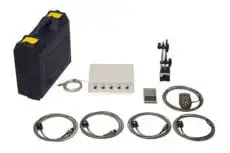
- Validation: Jaribio linahitajika kuanzia boresho — ikiwa ni pamoja na ukaguzi wa kutengana vibration baada ya mabadiliko. Analyzer inayobebeka kama Balancet-1A inafanya uthibitisho kuwa wasifu, kunakamata vibration ya bearing na tabia ya kasi muhimu mahali ili retrofit inaweza kusaidia dhidi ya data iliyopimwa badala ya makadirio tu.
Umbo la bearing ni kigezo cha geometri kwa msingi kinachosambaza tabia ya rotor kwa haba. Kuchagua vizuri wakati wa muundo na kumsikiliza kwa usahihi wakati wa kukamatia ni muhimu kwa kupata mgawanyo wa kasi muhimu, kiwango kinachokubalika cha vibration, na uendeshaji endelevu unaotegemewa kwa mashine yote inayozunguka.

