vibromera.eu › Katalogi ya Kubadilisha Usawa
Katalogi ya Kubadilisha Usawa wa Rotor — Kubadilisha Usawa wa Mahali kwa Kila Mashine Inayozunguka
Kila kategoria katika katalogi hii inaeleza jinsi tunavyobadilisha usawa wa aina fulani ya rotor mahali, kwa kasi ya uendeshaji — kwa kutumia analyzer kubadilisha usawa Balanset-1A. Hakuna kuondolewa, hakuna kusambaza, hakuna kusimama kwa uzalishaji zaidi ya wakati unaohitajika kutengeneza sensorer mbili. Chagua vifaa vyako hapa chini.
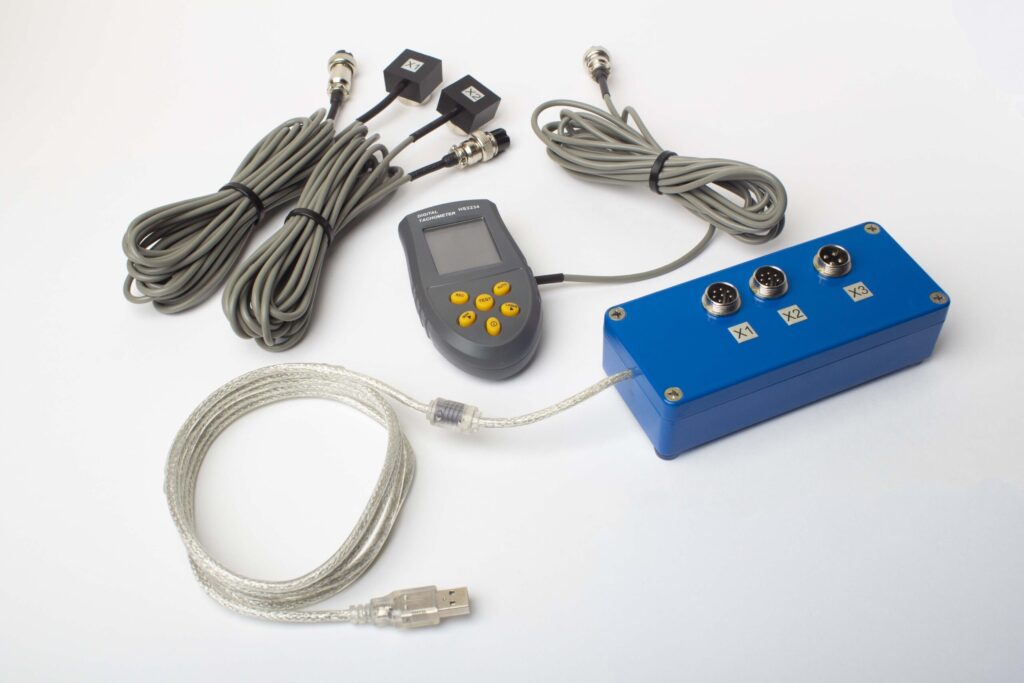
In short: Kubadilisha usawa wa rotor mahali ni mchakato wa kurekebisha wingi wa kupinga usawa katika mashine inayozunguka bila kuiondoa kutoka mahali pake — rotor inaendesha kwa kasi ya uendeshaji wakati sensorer za mitetemo na speedometer ya leza kwenye milongonya inapima hali ya usawa. Balanset-1A inatumia njia ya kuamua athari kwa mipango 3 ili kuhesabu uzani wa marekebisho na pembe halisi, kisha inakodisha matokeo kwa ISO 21940-11. Kazi ya kawaida inachukua chini ya saa moja na inapunguza mitetemo kwa asilimia 70 % au zaidi, na kuongeza maisha ya msomeko kwa sababu ya nane hadi kumi.
Orodha kamili ya huduma
Chagua aina ya rotor yako ili kuona mwongozo wa kuunganisha umeme — dalili, njia ya hatua kwa hatua, uvumilivu, kesi halisi na kikokotoo sahihi.
Vipu & vifaa vya upembuzi hewa
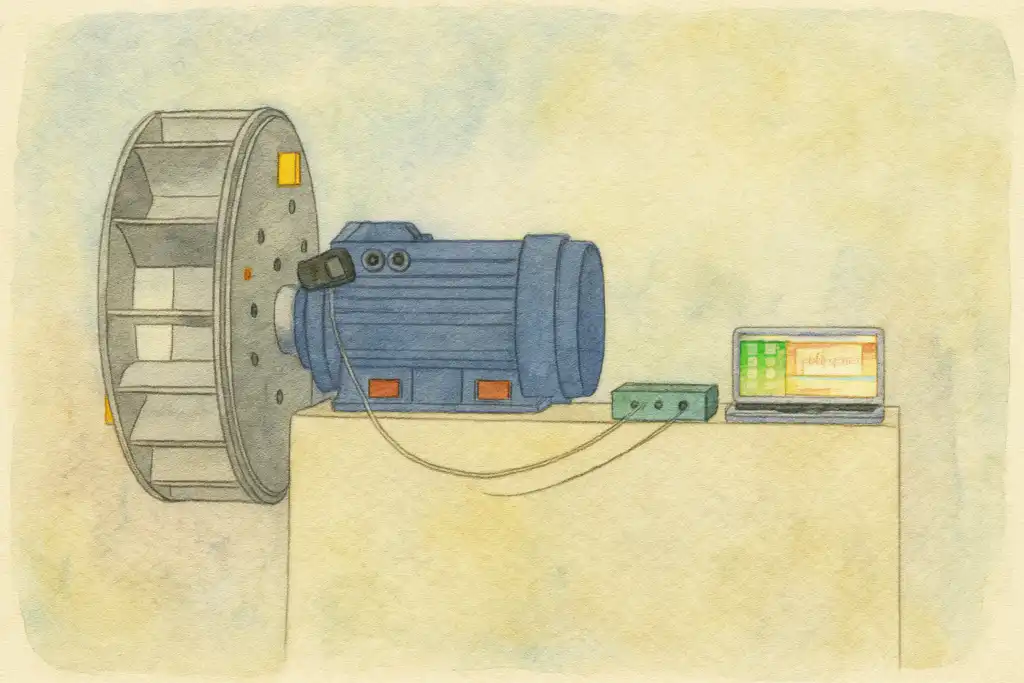
Vipu, Impellers & Mabubuto
Vipu vya kidato, impellers za radial, exhausters na mabubuto yanayounganishwa umeme kwa kasi ya uendeshaji.
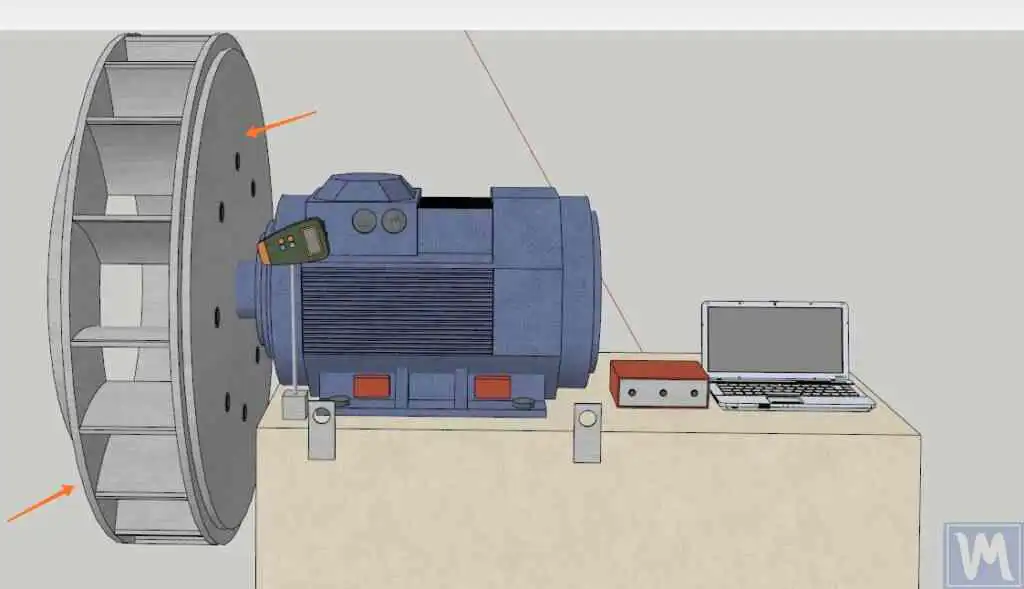
Vipu vya Kidato (ID / FD)
Vipu vya dirisha la kumkamata na vya lazima — kuunganisha umeme katika nyuso mbili bila simu.
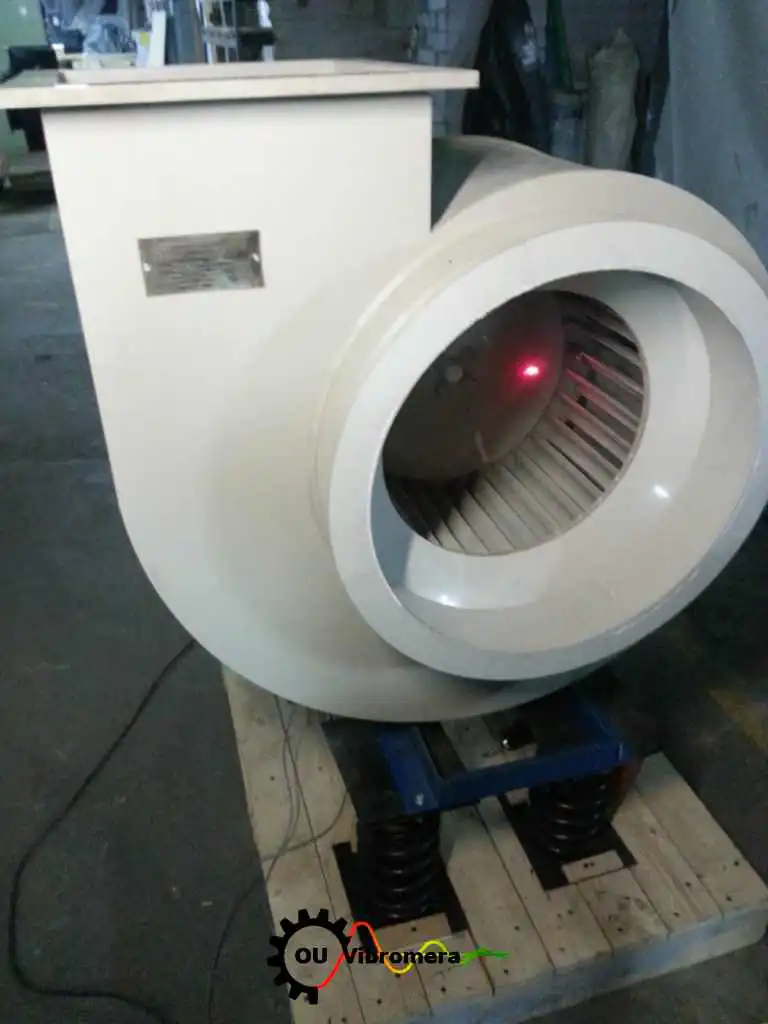
Axial Fans
Vipu vya axial na mabano — matatizo ya pembe na kujenga yalilorekebishwa mahali.
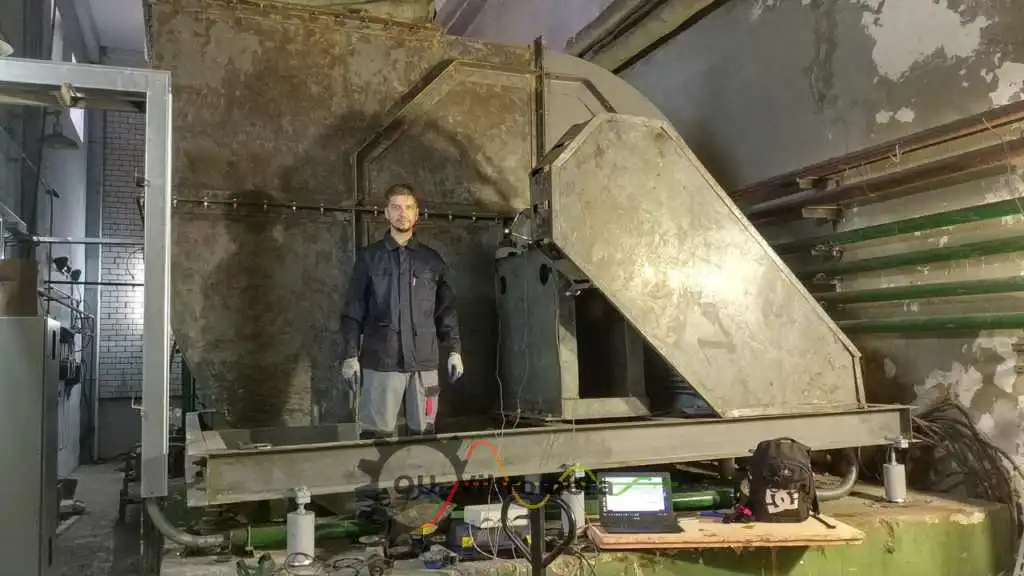
Exhausters & Vipu vya Tafsiri
Vipu vya joto vya nyumba ya boiler iliyoungana naye, vipu vya tafsiri ambavyo vimeunganishwa umeme mahali bila kusimama.

Vipu vya Hauzani la Ubaridi & HVAC
Vipu vikubwa vya kasi ya chini — punguza kelele, linda sanduku za gia na mikanda.
Rotor za kidato
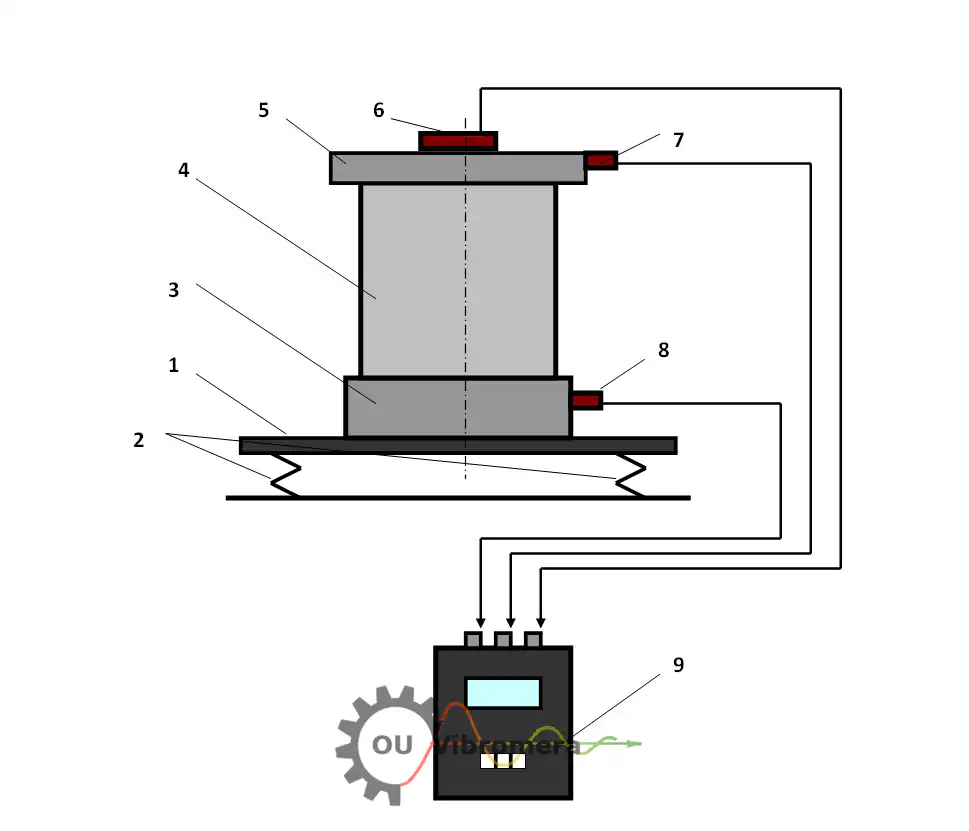
Pampu & Impellers
Impellers za pompe ya centrifugal na kutokuwepo kwa hewa baada ya cavitation, kukorora au kujenga kwa kiwango.
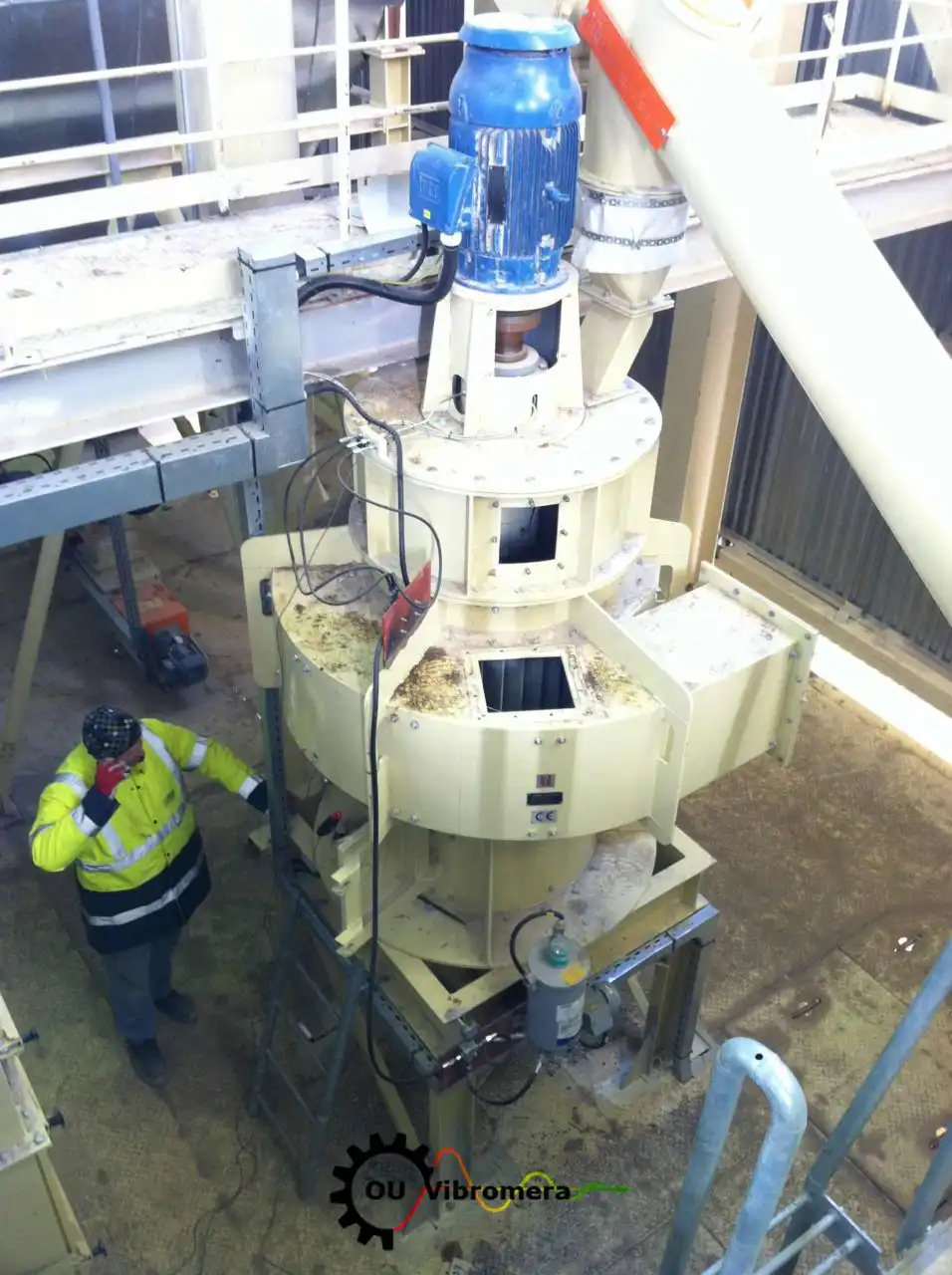
Separators & Centrifuges
Rotor za separator na centrifuge za kasi kubwa zikiwa zimefanywa kuunganishwa umeme mahali hadi G1.0.
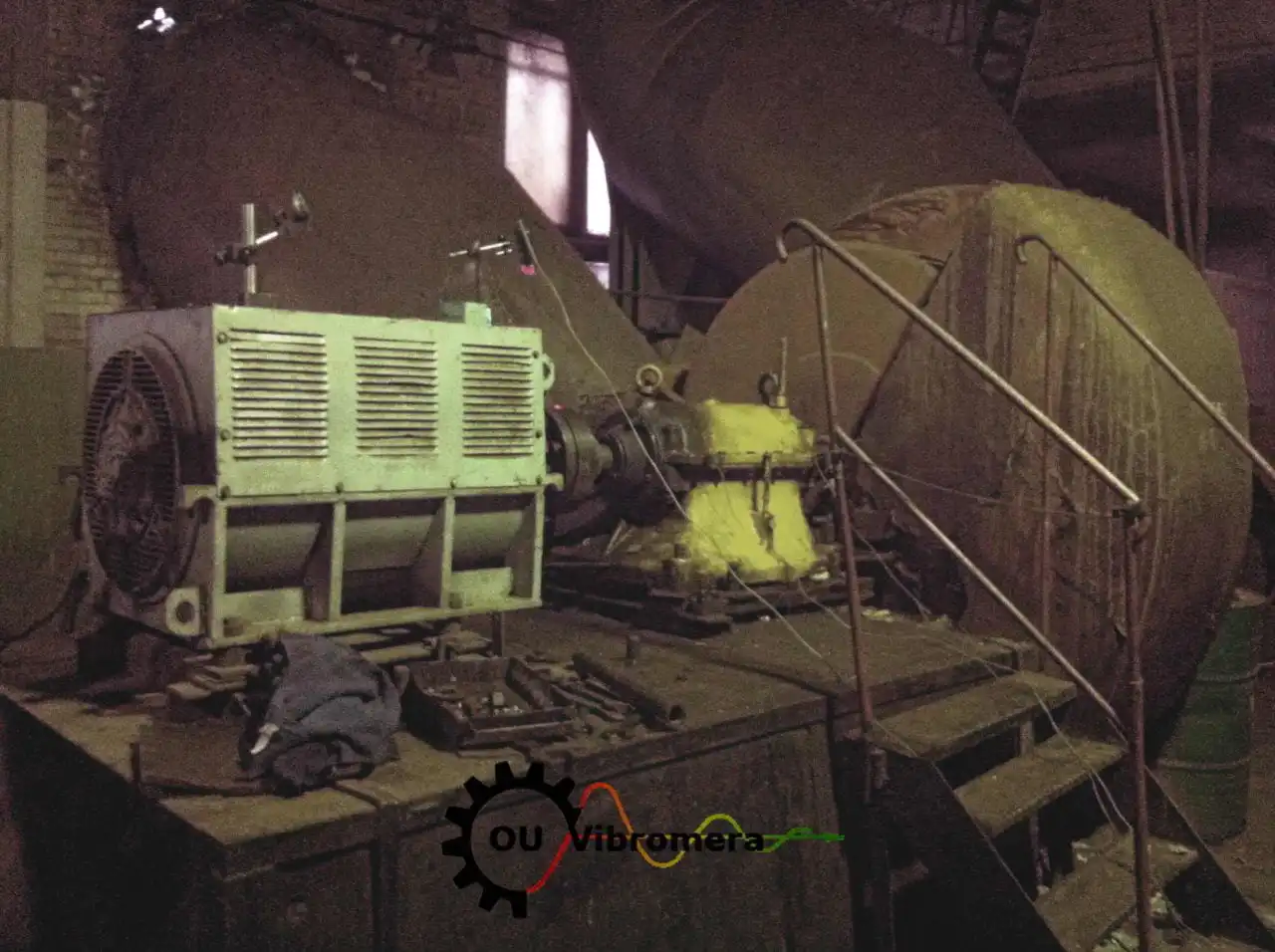
Crushers & Mills
Rotor za kusaga, kinywa na nyumba ya kumimina baada ya kuslipo au kutengenezwa tena.
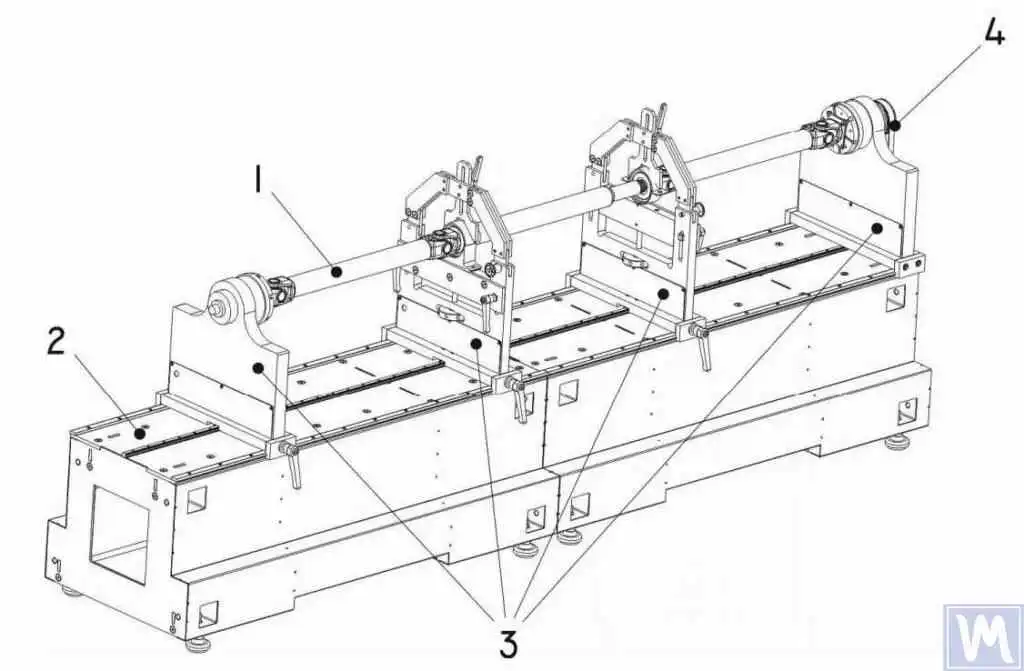
Shafti za Uendaji, Kibanzi & Gurudumu la Jamba
Shafti za Cardan / uendaji na puleza zikizingatiwa ndani ya gari au mahali.
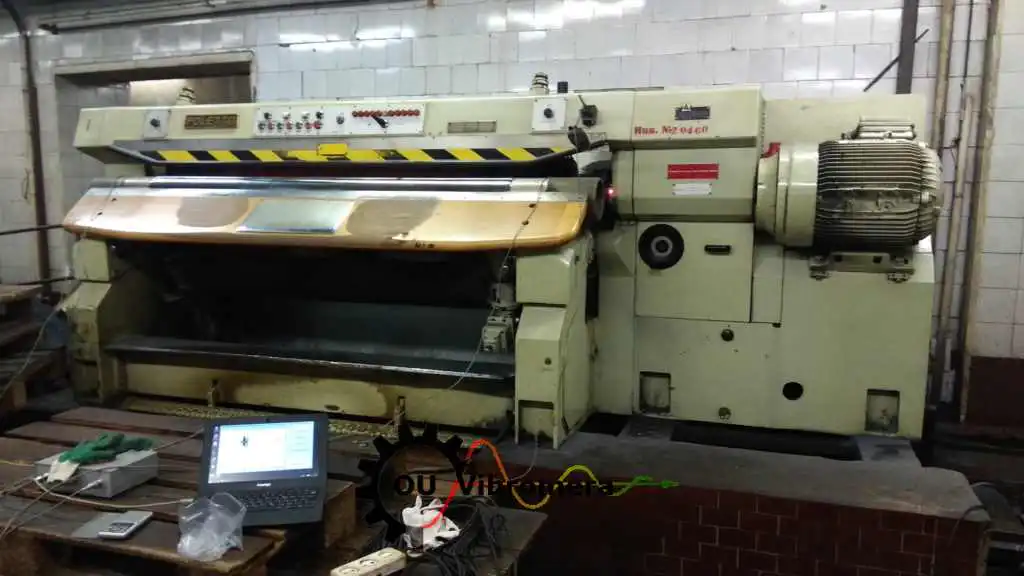
Rutubaini & Ngoma
Rutubaini ra mashine ya karatasi, rolesa za kupaka rangi na ngoma za kazi.
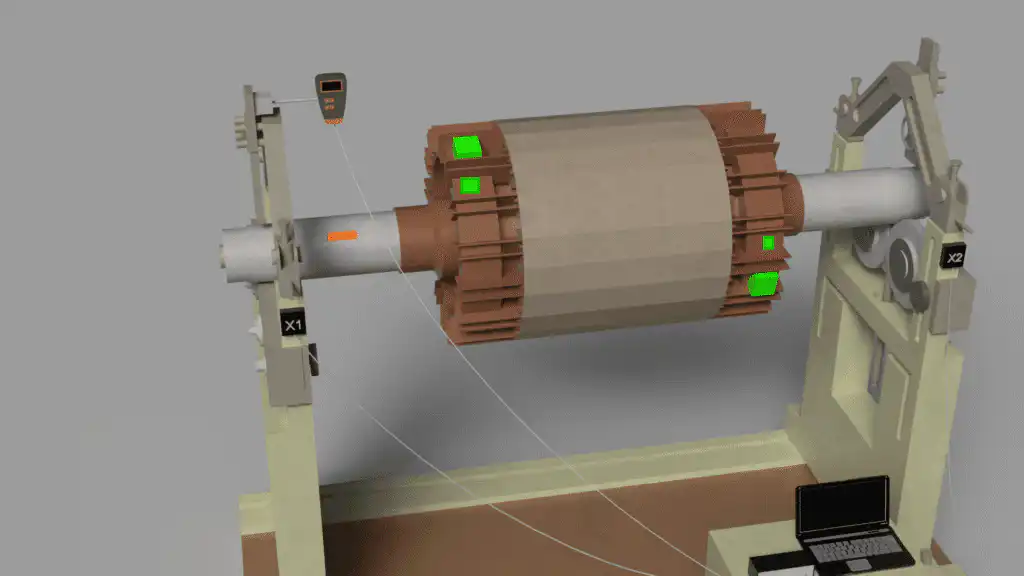
Turbini & Turbocharger
Rotor nzito na kubadilika — tathmini ya mtetemo ISO 20816 na uzani.
Uzani sahihi & kwa kasi kubwa
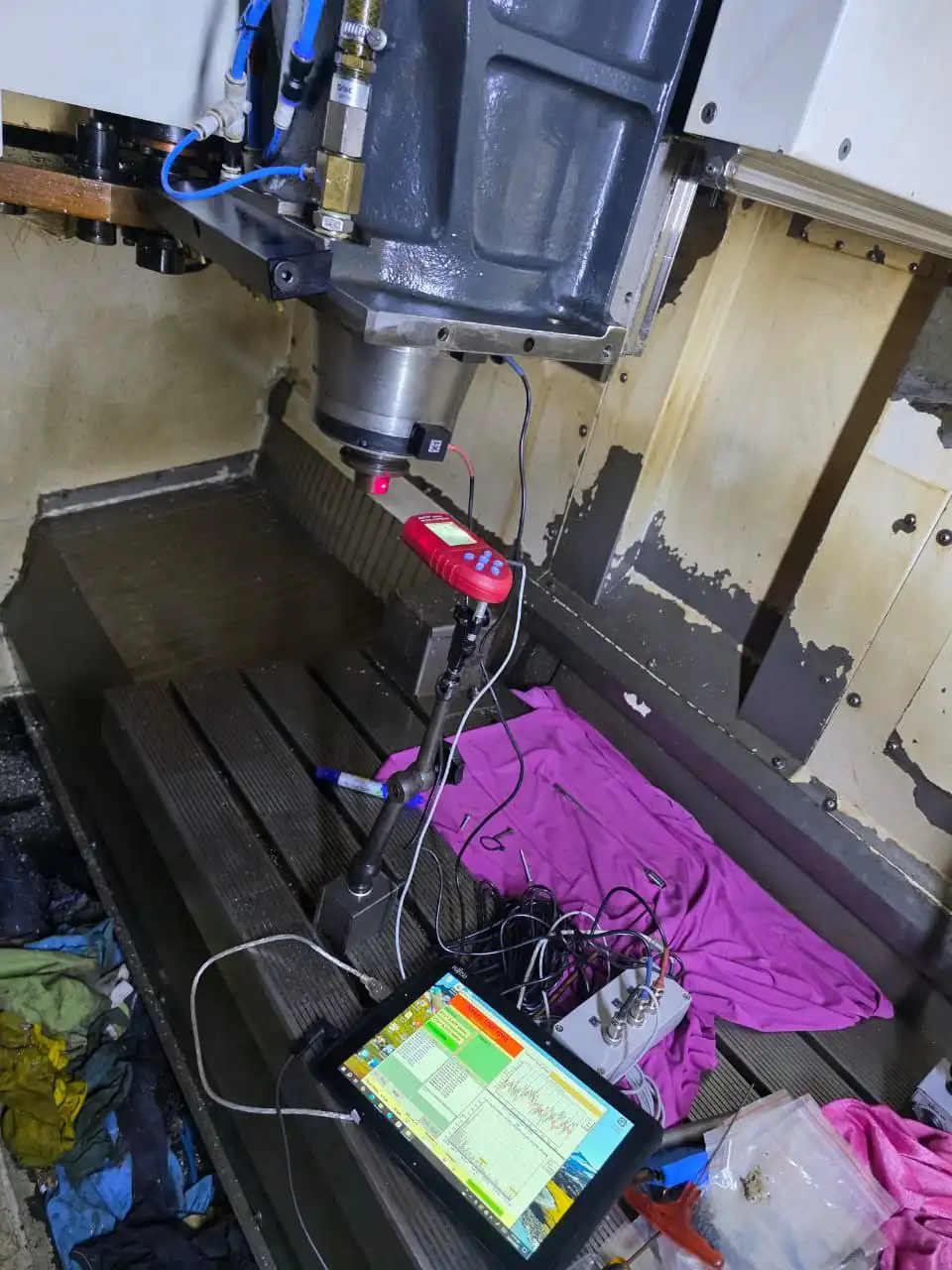
Spindle za CNC & Vihifadhi vya Zana
Spindle za mashine za kasi kubwa hadi kwa daraja la uzani sahihi G2.5 / G1.0.
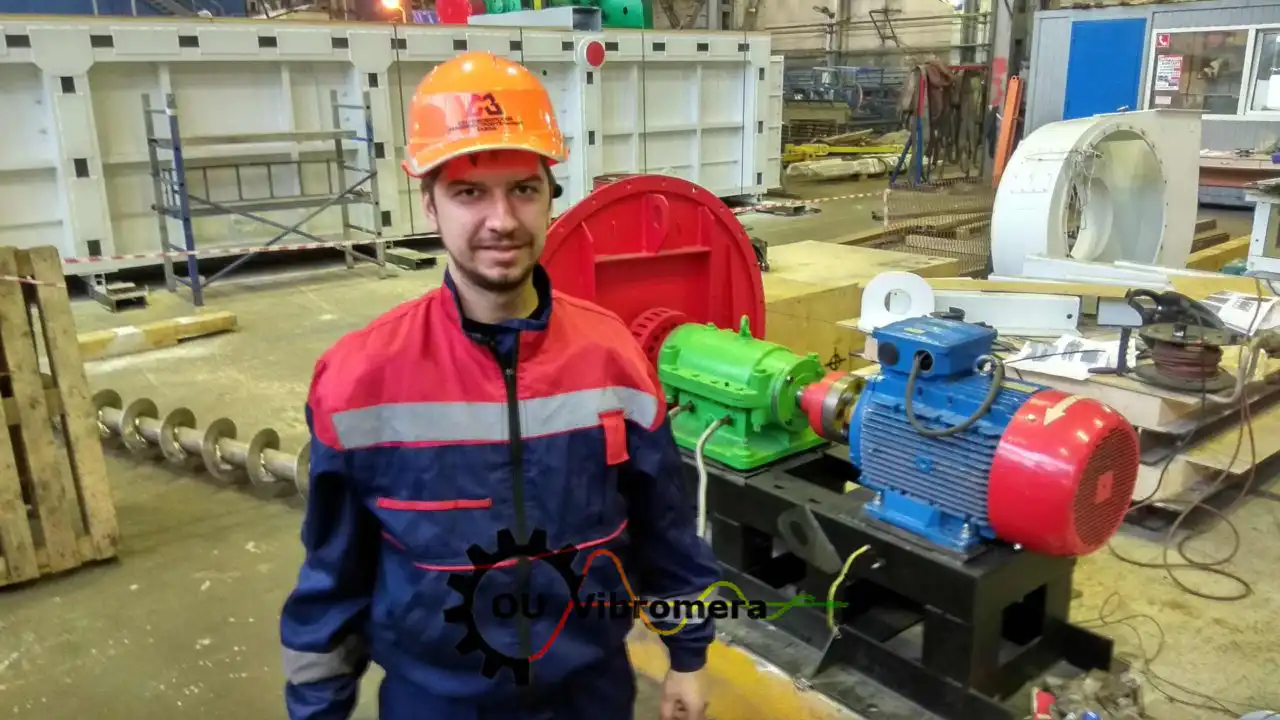
Armature za Injini ya Umeme
Armature za injini na mkutano wa rotor uzani mahali pazote kupunguza mtetemo na kelele.
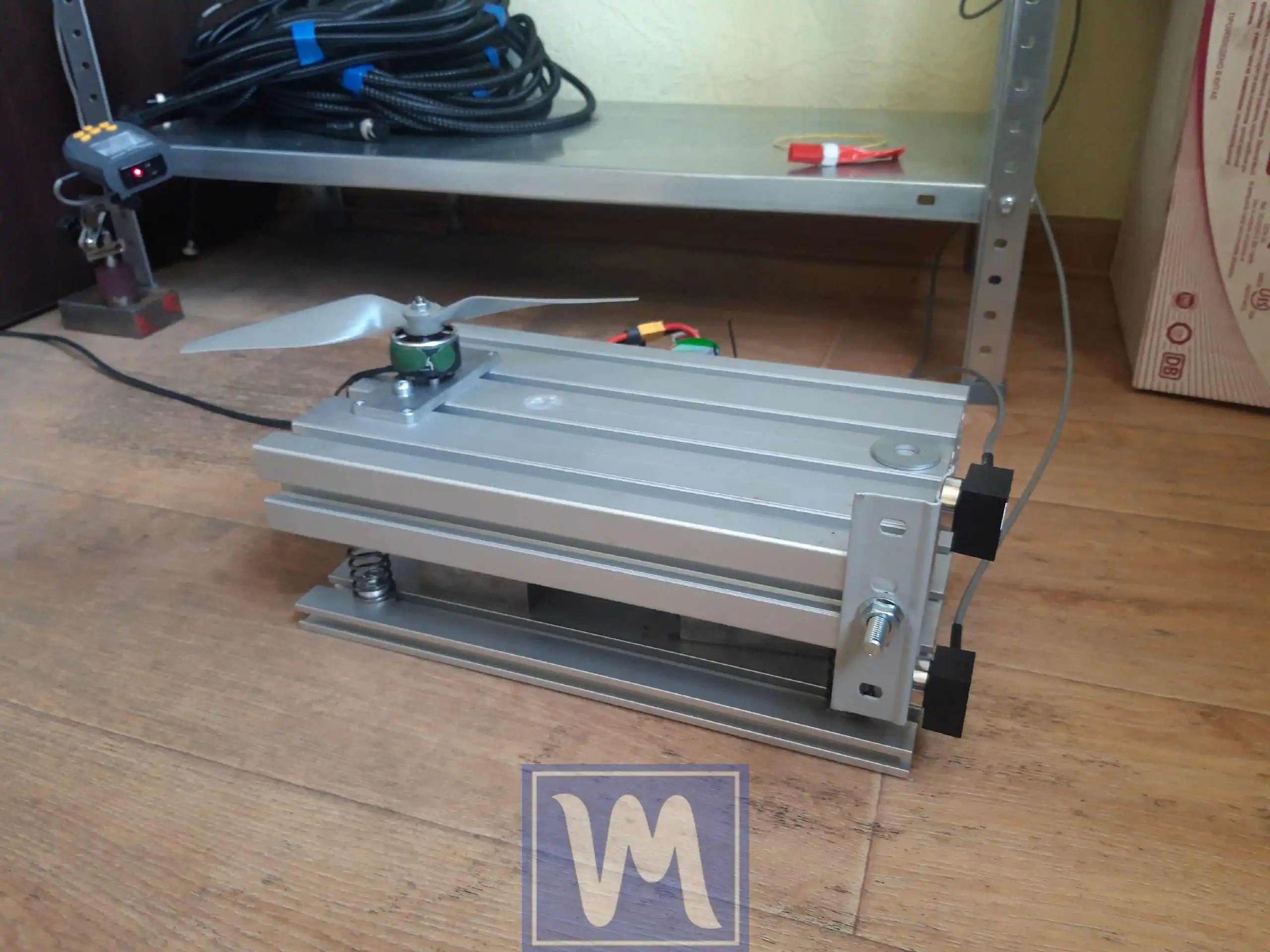
Propela & Rotor za Ndege Isiyo na Njia
Uzani wa propela na rotor ya ndege isiyo na njia ili kuondoa mtetemo unaodestructive.
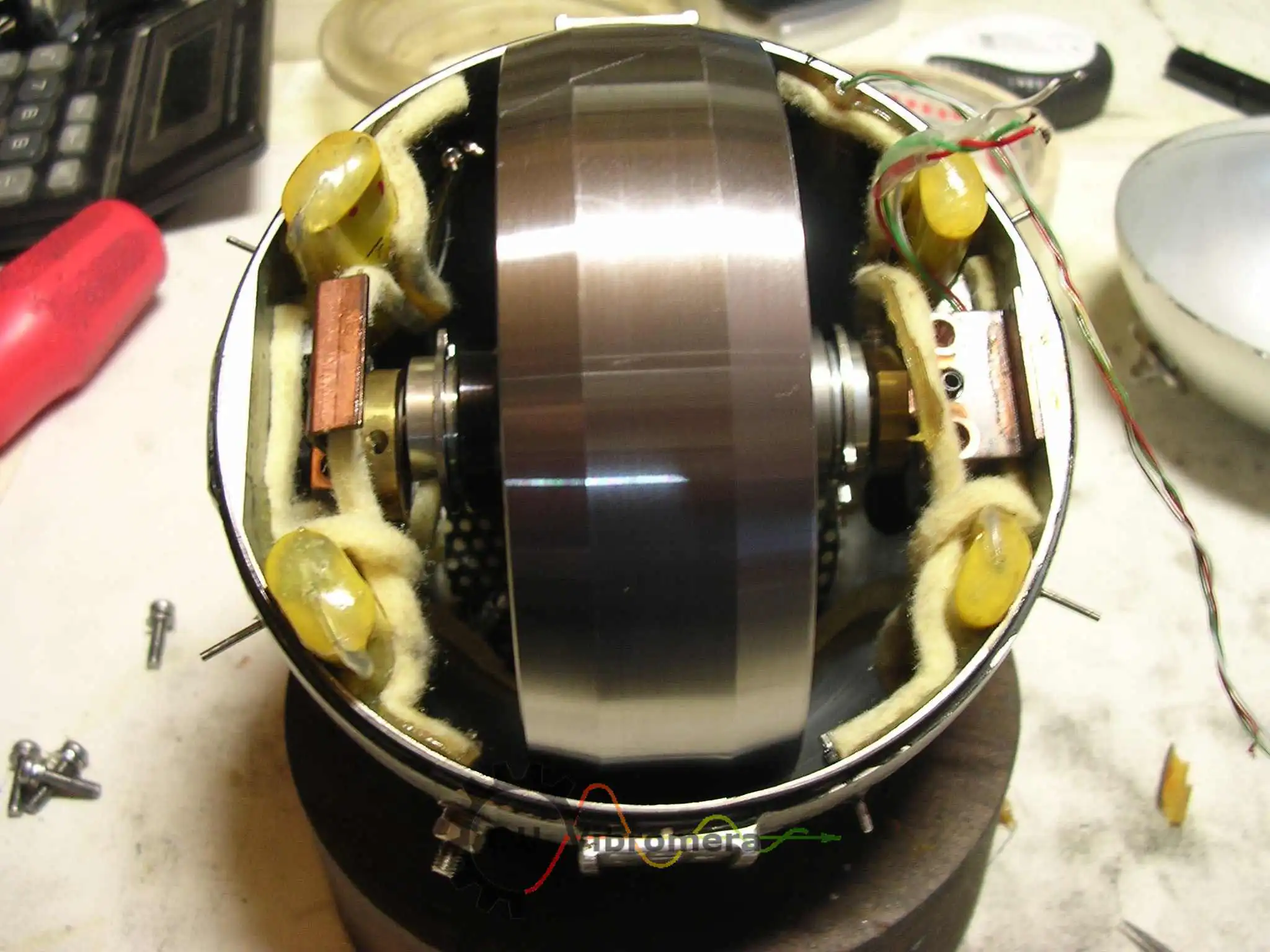
Gyroscopes
Uzani wa rotor wa jairogiroskopi sahihi kwa kiwango kinachofuata uzani wa angular.
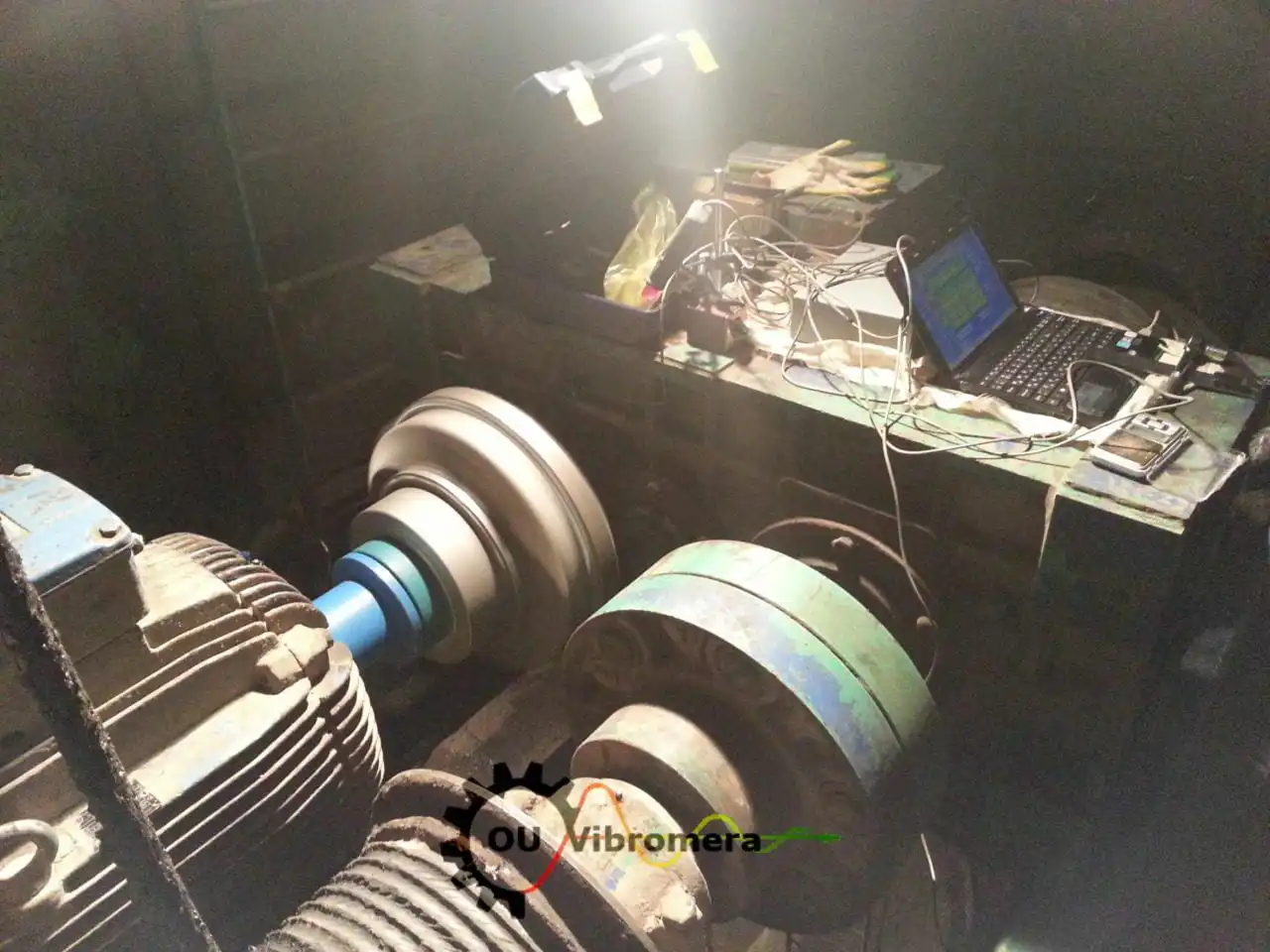
Viunganishi & Gurudumu la Jamba
Uzani wa hydraulic na viunganishi vya mitambo mahali pazote.
Mashine za kilimo
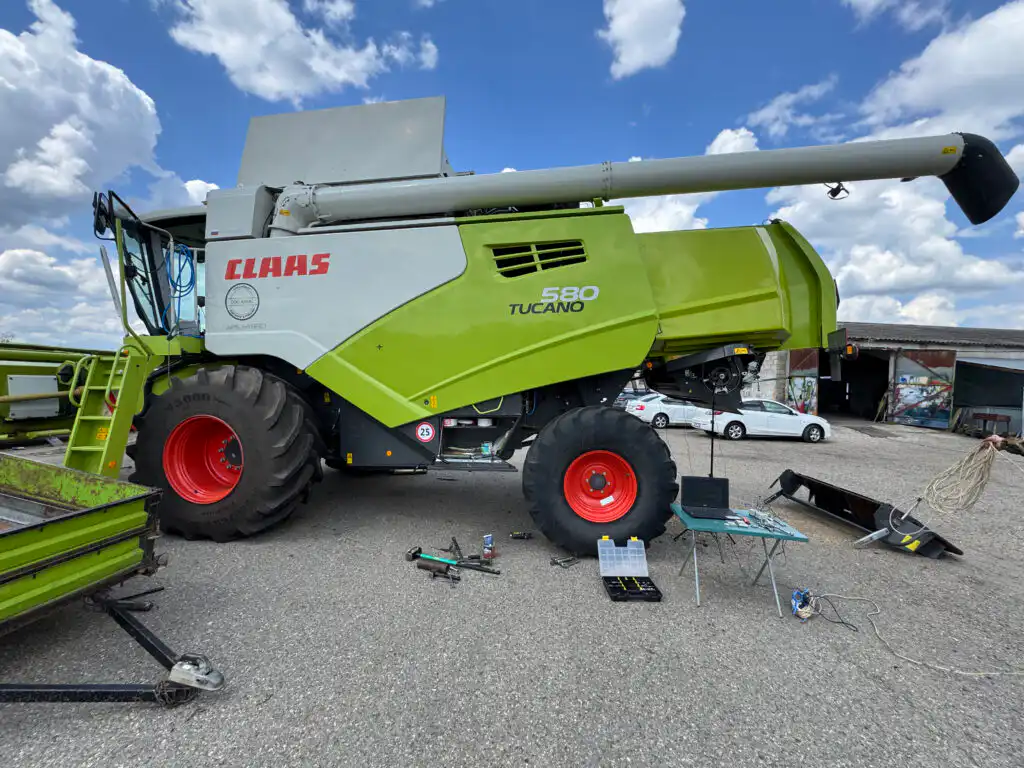
Mashine za Kuokota & Kuvuna
Ngoma za kurudisha virutubishi, vikombozi na fans uzani mahali katika mahala kabla ya msimu wa mavuno.

Mashine za Kugawanya & Msumeno wa Upinde
Rotor za msumeno wa misitu na msumeno wa upinde — rejeza kukata kwa laini baada ya kubadilisha blade.
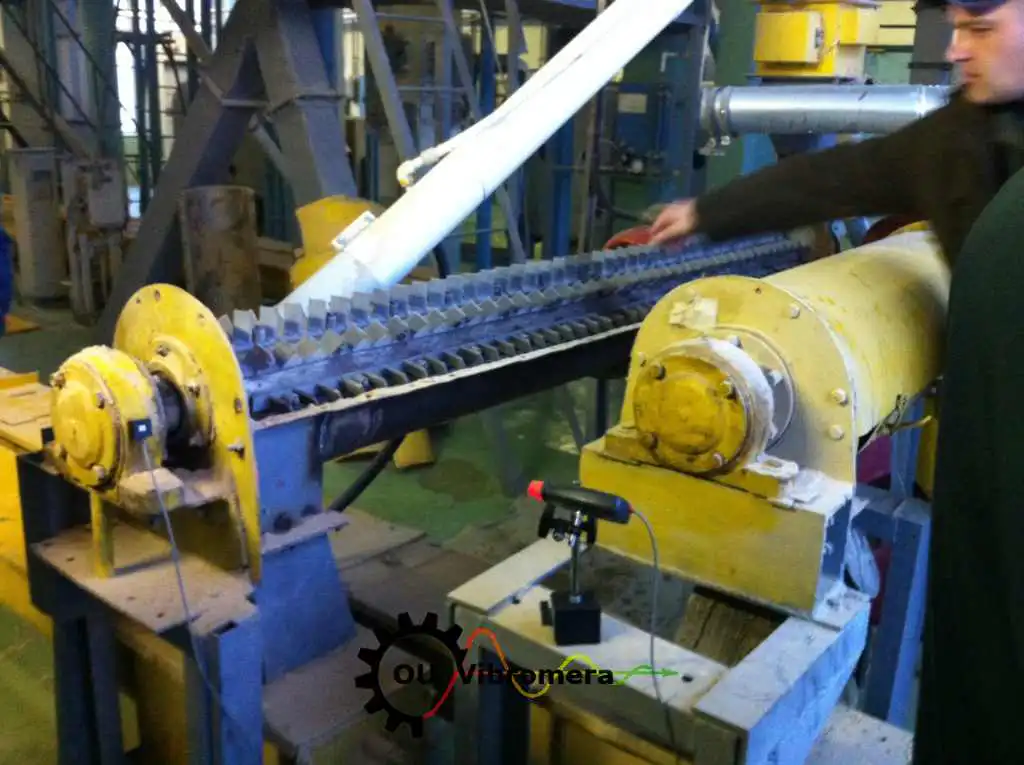
Vigeu na Kuni Mfululizo ya Kubeba
Vigeu vya chakula virefu na rotor za blower za nafaka.
Mbinu & Zana
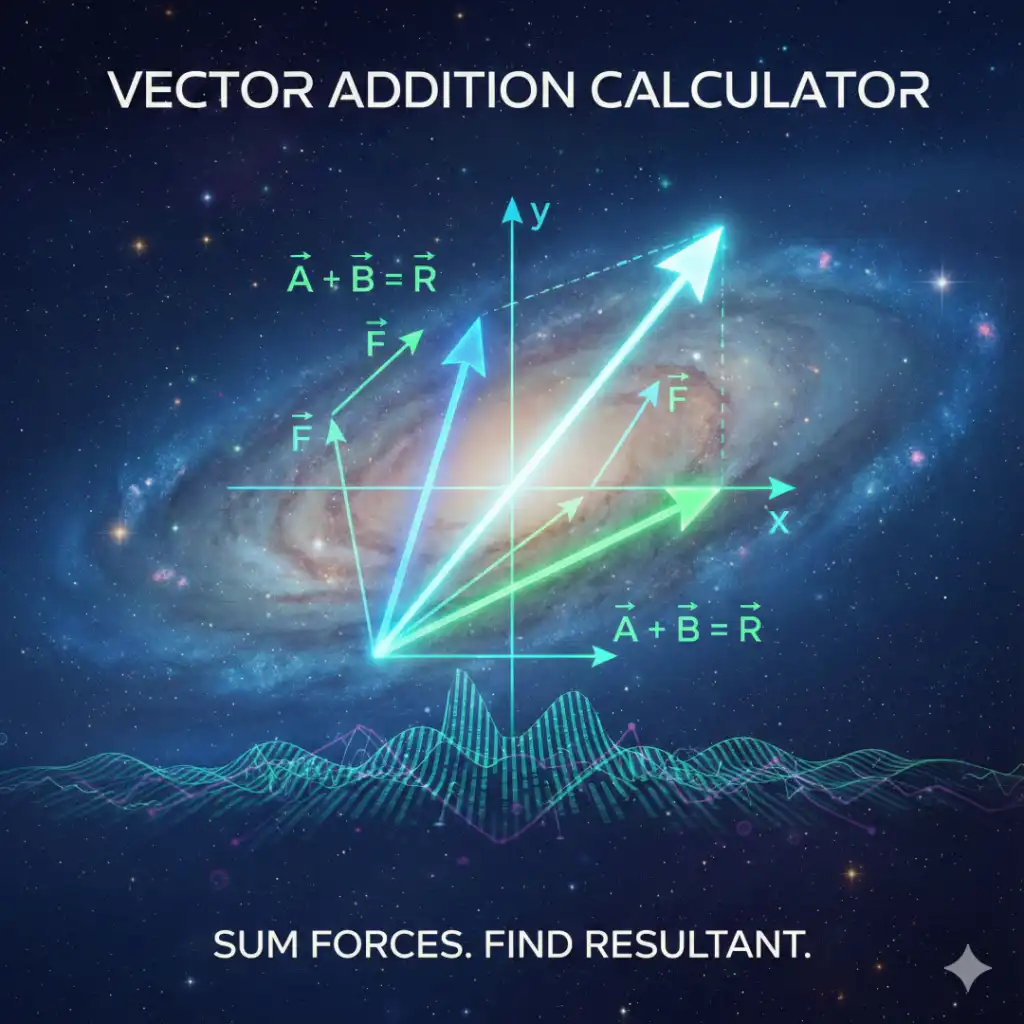
Kusawazisha Nyuso Mbili (Mwendo)
Rotor ndefu ambapo kusawazisha hapajasambazwa kando ya shimoni — njia ya kusawazisha nyuso mbili ilivyoelezwa.

Ondoa Mitetemo ya Mashine
Njia ya utambuzi — tambua na kuondoa chanzo cha mitetemo hatua kwa hatua.
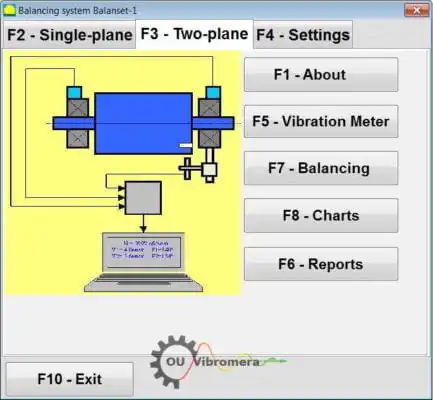
Kachafu cha Mitetemo & FFT
Kutumia Balanset-1A kama kachafu cha FFT spectrum wa kujitegemea kwa ajili ya utambuzi.
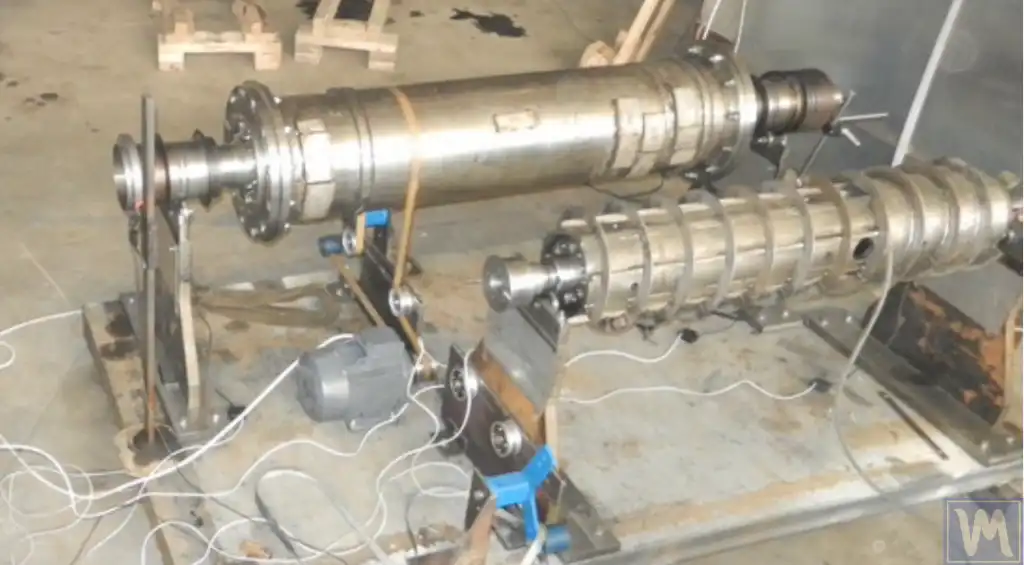
Mashine ya Kusawazisha dhidi ya Kiti Kidonge
Wakati mashine ya warsha ni chaguo sahihi na wakati kachafu kidonge kinabeshia zaidi.
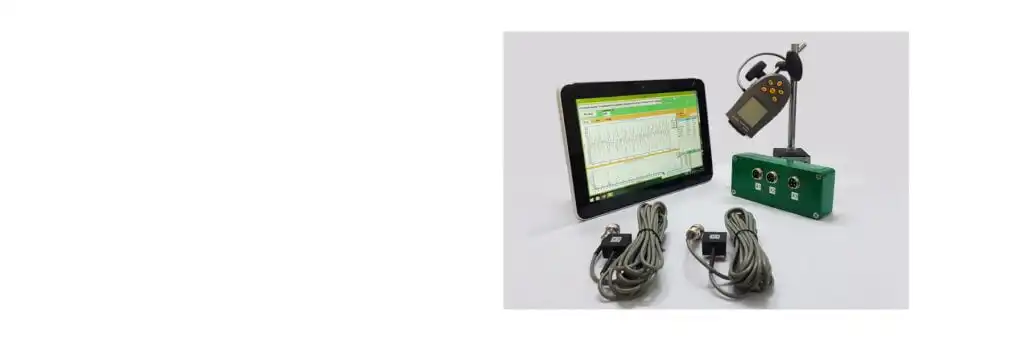
Nunua Kachafu Kidonge cha Kusawazisha
Kiti kamili, bei, usambaji na nini kinatarajia — mwongozo kamili wa ununuzi.
Balanset-1A dhidi ya Njia Zingine
Linganishi yenye nguvu upande-kwa-upande dhidi ya zana zingine za kusawazisha za kidonge.
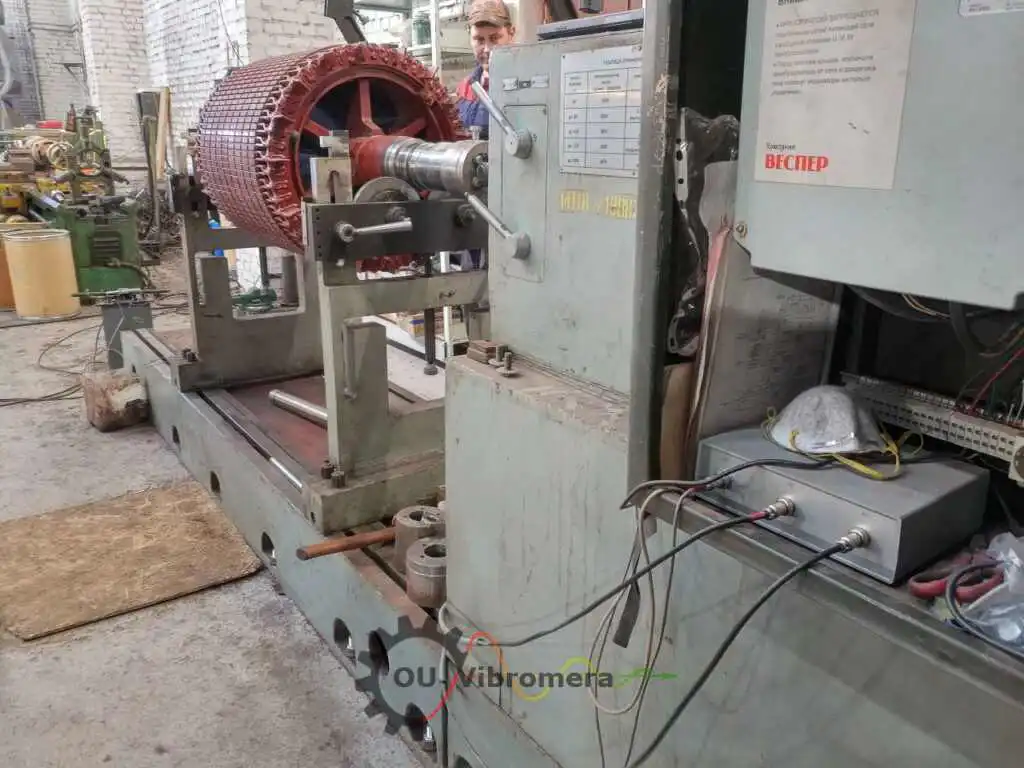
Panua Mashine ya Kusawazisha Yenye Umri
Badilisha umeme wa mashine ya warsha iliyokataa na kitengo cha kupimia USB cha sasa.
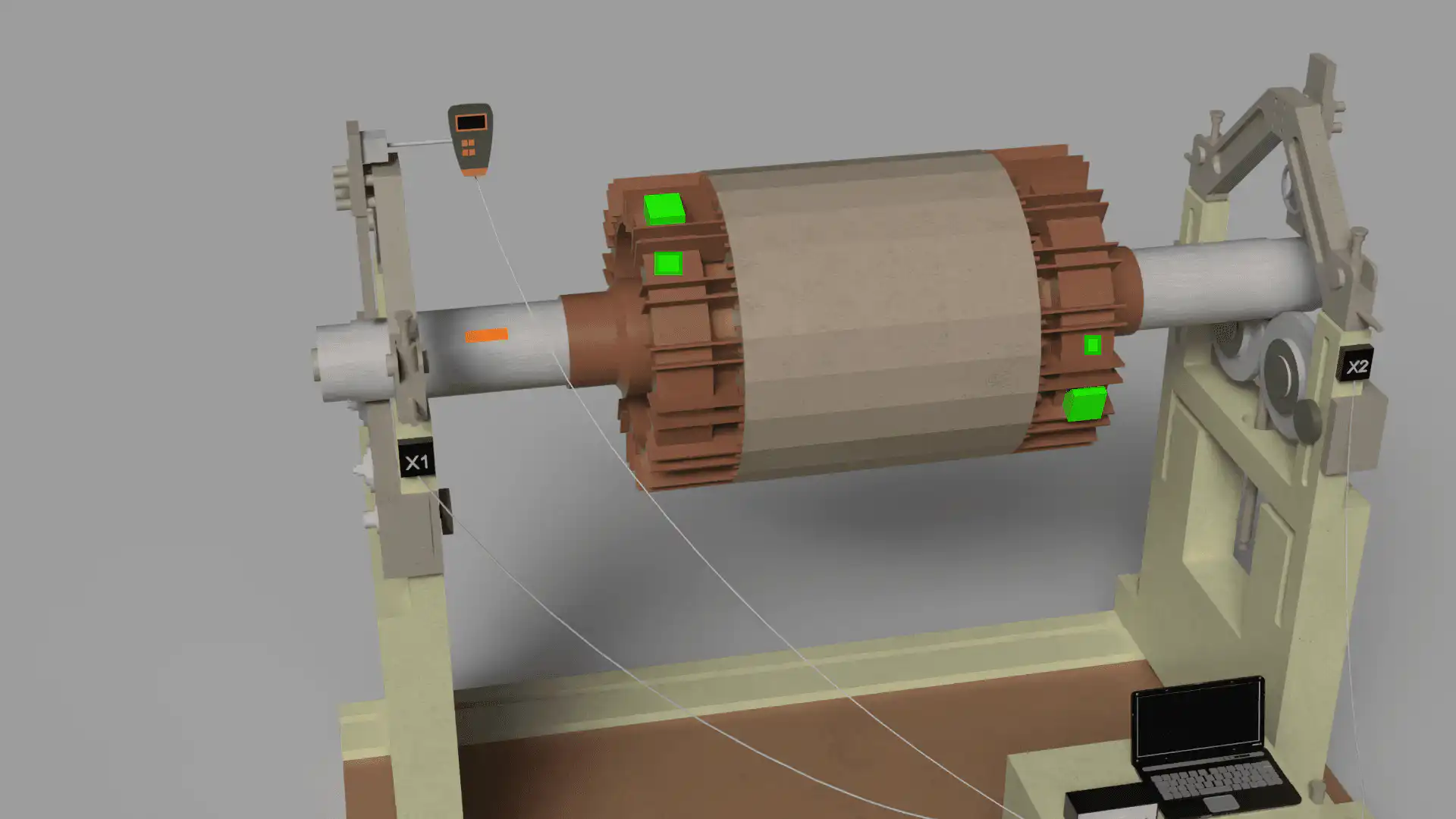
Mwongozo wa Kusawazisha Uwanjani
Mwongozo kamili wa vitendo — nadharia, vitendo na kutatua matatizo na Balanset-1A.
Kwa nini kusawazisha uwanjani (in-situ)?
Uzani wa rotor wa kawaida unazuia kutoa mashine kutoka kwenye mstari, kuipeleka kwa workshop, na kuirejesha — siku kadhaa za kukamatia kazi. Uzani wa uwanja unabadilisha hii kwa kuambatanisha sensor na kukimbia vipimo viwili au vitatu kwa kasi ya operesheni:
Jinsi uzani wa uwanja unavyofanya kazi — mchakato wa ulimwengu
Bila kujali aina ya rotor, kila kazi ya uzani wa uwanja na Balanset-1A inafuata utaratibu sawa wa mgawo wa ushawishi:
- Sanamu sensore. Accelerometer ya vibration imeambatanishwa kwa nyumba ya kumkungu na laser tachometer inaelekeza kwenye mkanda unaoangazia kwenye mhimili. Hakuna disassembly inayohitajika.
- Rekodi msingi. Mzunguko mmoja kwa kasi kamili ya kufanya kazi unakuza amplitude ya vibration na pembe la awamu, inayoeleza vekta ya kutokuwa na usawa (unbalance) ya sasa.
- Ongeza uzani wa jaribio. Uzani wa kalibrasheni unaojulikana unashikiliwa kwa muda kwa nafasi ya angular inayojulikana. Mzunguko wa kipimo cha pili unakamata hekima ya rotor — mgawo wa ushawishi.
- Hesabu marekebisho. Programu ya Balanset-1A hutumia algorithm ya mgawo-wa-ushawishi ili kuhesabu uzani halisi wa marekebisho na pembe kwa uso mmoja au nyuso zote mbili.
- Tekeleza marekebisho. Uzani uliohasibiwa unafungwa kwa mkwaji, bolti au kumkamatia kwa nafasi iliyoonyeshwa. Uzani wa jaribio unaondolewa isipokuwa ikiwa ni sehemu ya suluhisho.
- Thibitisha na andika hati. Mzunguko wa kipimo cha mwisho unakakamata kwamba kutokuwa na usawa (unbalance) cha mabaki kiko ndani ya daraja la ISO linalohusu. Programu inatoa ripoti ya kubalanisha inayoweza kuchapwa.
Balanset-1A — kiti chako kamili cha kubalanisha shambani
Kila huduma katika katalogi hii inafanywa kwa chombo kimoja cha kubeba: Balancet-1A. Ni balancer ya dynamic ya njia mbili na mchanganuzi wa vibration unaobadilisha rotor ngumu katika kubakia kwao, kwa kasi ya kufanya kazi, kwa kutumia mbinu ya mgawo-wa-ushawishi wa mzunguko 3 — programu inakeshauri uzani halisi wa marekebisho na pembe na kuokoa ripoti.
Kuna nini katika Kiti Kamili
€1,975 · Kiti Kamili, kwa stoo, faktura ya VAT
- Kitengo cha kipimo cha kiolesura (USB, njia 2)
- Vikongeza vibration mbili (kebo cha m 4 , 10 m inayoonekana)
- Tachometer ya laser / sensorer ya awamu ya macho (50–500 mm)
- Usikivu wa sumaku kwa ajili ya sensorer
- Mizani ya kidijitali kwa uzani wa majaribio na marekebisho
- Programu ya usambazaji na uchambuzi wa Windows
- Sanduku la usafiri la plastiki
Full Kit
Kitengo · sensorer 2 · tachometer ya laser · usikivu wa sumaku · mizani ya kidijitali · programu · sanduku la usafiri. Kila kitu kinachohitajika kuanza kusawazisha moja kwa moja kutoka kwenye sanduku.
OEM set
Kitengo · sensorer 2 · tachometer ya laser · programu. Kwa waunganisha ambao tayari wana usikivu, mizani na sanduku, au ambao waunganisha kitengo katika mashine ya kusawazisha.
| Parameter | Value |
|---|---|
| Chaneli za kipimo | 2 (kusawazisha kwa uso mmoja na nyuso mbili) |
| Safu ya kasi ya vibration | 0.2–80 mm/s RMS |
| Safu ya masafa | 5–1000 Hz (≤10% amplitude error above 550 Hz) |
| Usahihi wa kipimo | ±5% ya kiwango kamili |
| Method | Mgawo wa ushawishi wa kukimbia 3 (uso 1 au nyuso 2) |
| Analysis | Amplitude & awamu kwa 1×, windo wa FFT & mfumo, ripoti iliyohifadhiwa |
| Laptop | Haijajumuishwa (Kompyuta ya Windows, inayopatikana kwa ombi) |
Viwango ambavyo tunafanya kazi kulingana nazo
ISO 21940-11 (hapo awali ISO 1940-1) inafafanua daraja la ubora wa kulinga kwa rotor ngumu G0.4 hadi G4000. Kutokuwa na usawa kinzani kilichoruhusiwa kwa daraja fulani ni e = G × 9549 / n (g·mm/kg), ambapo n ni kasi ya shafti katika rpm. Daraja la kawaida kulingana na aina ya rotor:
- G0.4 – G1.0 — gyroscopes, spindles za kusafisha kwa usahihi, turbines za meno
- G2.5 — CNC spindles, impellers ya pampu ya sentrifuji, rotors ya turbine ya gesi
- G6.3 — vipepeo vya sentrifuji, impellers ya pampu ya jumla, motori ya umeme ya kawaida
- G16 — mashine ya kilimo, shafts ya cardan, vichanjaji
- G40 — nguvu za kuthreshwa kwa pamoja, vipande vidogo vya moto
ISO 20816 (ukali wa vibration) na ISO 14694 (industrial fans) provide the in-situ vibration limits against which a balancing result is evaluated on-machine. API 610 governs centrifugal pumps in hydrocarbon service (max residual unbalance per correction plane Umax = 6350W/N g·mm, where W is the journal static load for that plane in kg and N is the maximum continuous speed in rpm; the equivalent imperial form is 4W/N oz·in with W in lb). All residual-unbalance figures are documented in the balancing report.
Use our kikokotoo cha kutokuwa na usawa wa kinzani kupata kuzindua kabla ya kuanza, au kikokotoo cha maisha ya kupiga kuona ni maisha ngapi ambayo unakurejea kwa kusahihisha kutokuwa na usawa.
Vikokotoo vya kulinga bila malipo
Jifunze nadharia
Kusawazisha shambani FAQ
Kusawazisha rotor shambani (in-situ) ni nini?
Ni rotors ipi inayoweza kusawazishwa shambani?
Kazi ya kusawazisha shambani inachukua muda gani?
Je, ninahitaji mafunzo maalum ya kueneza Balanset-1A?
Kusawazisha uso mmoja au nyuso mbili — ninakamataje?
Usahihi gani unaweza kusawazisha field?
Sawazisha rotor yoyote — mahali, kwa kasi ya kufanya kazi
Balanset-1A inakutana na kusawazisha field ya uso mmoja na nyuso mbili kwa kila aina ya rotor katika katalogi hii. Kiti kimoja kilichobebeka, njia moja ya utaratibu, matokeo yaliyohathiriwa na ISO. Inatumwa kutoka Portugal na DHL katika siku 1–3.

