Kuelewa Unbalance katika Mashine Inayozunguka


Unbalance (kutumiwa kwa kwa ubadilishaji na imbalance) ni hali katika rota ambapo kituo cha wingi hakiko kwenye mhimili wa mzunguko. Uzoefu huo — eccentricity — inamaanisha wingi unasambazwa bila usawa kuzunguka shimoni. Wakati rotor inazunguka, wingi uliosambazwa hakikana nang'etiwa nje na nguvu ya kituo, na kutengeneza mzigo unaozunguka unaoegezeana na bearings na mashine nzima. Unbalance ni kwa kiwango kikubwa chanzo cha kawaida zaidi cha vibration katika vifaa vinavyozunguka, na ni hiyo kusawazisha ipo kurekebisha.
1. Ufafanuzi na Fizikia Nyuma Yake
Kwa njia ya kimataifa, unbalance U ni bidhaa ya wingi uliosambazwa na radii yake kutoka kwa mhimili — mahali pa wingi m yanayokaa radii r inatoa U = m·r, imeonyeshwa katika gramu-milimita (g·mm) au gramu-inchi. Inaweza kuandikwa kwa njia sawa kama jumla ya wingi wa rotor inakzidishwa na eccentricity ya kituo chake cha mvuto (U = M·e). Kile kinachohitaji kimechanically ni nguvu inayotengenezwa. Nguvu ya centrifugal huongezeka na mraba wa kasi ya angular:
F = m · r · ω² — double the speed and the disturbing force quadruples.
Uhusiano huu wa sheria ya mraba ndio kwa nini rotor inayozunguka kwa urahisi kwa mkono inaweza kutetemeka kwa nguvu sana kwa kasi ya uendeshaji, na kwa nini mashine haraka lazima zizingatiwe kwa usahihi zaidi kuliko moja ya polepole. Nguvu inazunguka na shimoni, kwa hivyo inaendesha muundo mara moja kwa kila mapinduzi — asili ya saini isiyobadilika ya unbalance.
2. Saini ya Kawaida ya Mitetemo
Kutokuwa na usawa ni mojawapo ya kasoro rahisi zaidi ya kumchagua kwa sababu muhtasari wake ni thabiti sana:
- Frequency: mitetemo huonekana kwa sehemu sawa 1× kasi ya mzunguko (the running speed). Badilisha kasi na kilele kinakifuata kwa usahihi — sifa inayobainisha inayoibeza na kasoro nyingi za aina nyingine.
- Direction: nishati huu ndio kuu radial (mlalo na wima), na kidogo axial (kutupia) maudhimisho.
- Amplitude: ni sawia na mraba wa kasi — kukamatia RPM mara mbili takriban kukamatia majibu mara nne, kama fizikia hapo juu inavyofikiria.
- Phase: the 1× phase kusoma ni thabiti na inaweza kurudiwa, ambayo ndio sawa kabisa kufanya nukta nzito iwe inaweza kupingwa na kulichwa.
Jozi hiyo thabiti ya amplitudo-na-awamu ndiyo nyenzo kama kwanza wa marekebisho: kujua ni kiasi gani jibu la 1× ni na where it points lets an analyst calculate the size and angle of the counterweight needed. A pure 1× peak with low axial vibration points to unbalance; a strong 2× component instead suggests misalignment or looseness.
3. Aina Tatu za Kutokuwa na Usawa
Static unbalance
Pia inaitwa “kutokuwa na usawa kwa nguvu,” hii ndio kesi rahisi zaidi: uzani umepingiliwa katika uso mmoja, kama nukta nzito moja kwenye diski nyembamba. Inaitwa static kwa sababu inaonekana na rotor ikiwa mahali — kuweka kwa kingo bila msuguano, rotor inakunja hadi nukta nzito ikapumzika chini. Inarekebishwa na uzani mmoja unaoweka digrii 180 kinyume na nukta nzito, uwanja wa usawazishaji wa uso mmoja.
Kutokuwa na usawa kwa jozi
Hapa nukta mbili sawa za uzani ziko katika ncha tofauti za rotor, digrii 180 zaidi. Zinakansela kama nguvu ya wavu lakini huunda couple — wakati wa kumeta unajaribu kukunja rotor ncha-juu-ncha. Rotor yenye kutokuwa na usawa halisi kwa jozi imesawa kwa tuli (haitakufa kwa kingo bila msuguano) lakini inatetemeka sana ingepozunguka. Marekebisho yanahitaji uzani mbili katika nyuso mbili tofauti ili kukabiliana na wakati wa kumeta.
Kutokuwa na usawa cha mienendo
Hali inayopatikana katika karibu kila mashine halisi, kutokuwa na usawa cha mienendo ni muchanganyiko wa sehemu tuli na za jozi. Kukoreza inahitaji mabadiliko ya uzani katika angazi angapi zaidi mbili kando na rotor — mchakato wa kubalansi cha mienendo (nyuso-mbili). Kesi inayohusiana sana, ambapo athari za tuli na jozi zinashiriki nafasi sawa ya angular, inaitwa kutokuwa na usawa wa quasi-tuli.
4. Sababu za Kawaida za Kutokuwa na Usawa
Kutokuwa na usawa kunaweza kuwepo kutokana na utengenezaji au kuendelea wakati wa uendeshaji. Vyanzo vya kawaida ni vile vifuata:
- Kasoro za utengenezaji: uzeuke katika ufa, msongamano wa dutu usio sawa na toleransi za kuzigamia.
- Hitilafu za muunganisho: sehemu zilizoingiliana vibaya, bolti zilizotighti kwa sawa au funguo zilizobadilika kwa njia isiyosawa na kusambaza misa.
- Wear and tear: ulichaji usio sawa, corrosion or wear kwenye vile vya mpu na mpu impellers.
- Material buildup: ujumuishaji wa uchafu, vumbi au bidhaa kwenye mitungaji ya mpu, mpu za kupumzika na sentrifuji.
- Kushindwa kwa sehemu: uzani wa usawa uliotupwa au vile vilivyovunjika huundisha hali ya kutokuwa na usawa kwa kasi mara moja.
5. Kwa Nini Kurekebisha Kutokuwa na Usawa ni Muhimu Sana
Kuendesha mashine yenye kutokuwa na usawa kwa kiasi kikubwa inaiumbiza kwa kuendelea, kwa sababu nguvu ya kugeuka inapigania muundo kwenye kila mapinduzi:
- Kushindwa kwa maadhimisho kupongeza: maadhimisho yanabeba mizigo ya nguvu kubwa na inaharibika haraka.
- Umemea na kufa: mkazo wa tabia ya cyclic unajumuika fatigue hasara katika shimoni, msingi na muundo.
- Ufanisi uliopungua: nishati hutupwa kama vibration na joto badala ya kazi muhimu.
- Safety risks: kutokwezeana kwa kiwango kikubwa kunaweza kusababisha kushindwa kwa jumla.
6. Kupima, Kusahihisha na Kuamua Uvumilivu wa Kutokwezeana
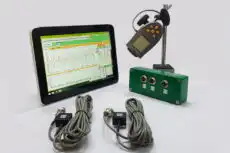
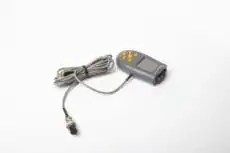
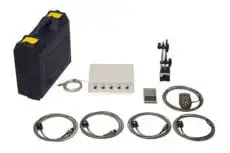
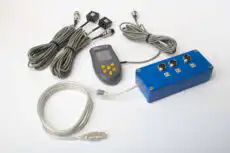
Kutokwezeana huondolewa kwa njia ya kawaida ya uimbaji — moja ya njia za kumfanya kazi na gharama ndogo sana kuongeza utegemezi wa mashine. Kwenye mashine iliyokusanywa hii hufanywa ndani badala ya kwenye mashine ya kusawazisha. Kichakataji kisichozidi chini cha njia mbili kama vile Balancet-1A hupima amplitude na awamu ya 1×, hukokotoa mgawo wa ushawishi from a trial weight, na kumwambia mhandisi uzani na pembe za kurekebishwa kwa uimbaji wa uso mmoja au nyuso mbili field balancing. Kwa sababu inafanya kazi katika vibanda vyake mwenyewe vya mashine kwa kasi ya uendeshaji, inahubisha hali ya kweli ya uendeshaji.
Uimbaji hauozi kuhusu kufikia sifuri — ni kuhusu kusukuma kutokwezeana chini ya kiwango kilichoelezewa. Kiwango hicho kinatoka kwa daraja la ubora wa uimbaji (G-daraja) system of ISO 21940-11 (ambayo ilibadilisha ISO 1940-1 inayojulikana). Daraja na kasi ya huduma zitamkemea uvumilivu unaoruhusiwa kutokuwa na usawa maalum katika g·mm; kichakataji kwa bure Kikokotoo cha Kutokwezeana Mabaki (ISO 21940-11) hubadilisha daraja lililochaguliwa na RPM moja kwa moja kuwa takwimu inayoruhusiwa kwa kila uso.

