బ్యాలెన్సింగ్ సేవలు › Balanset-1A vs. ప్రత్యామ్నాయాలు
Balanset-1A vs. పోర్టబుల్ బ్యాలన్సర్లు & వైబ్రేషన్ అనలైజర్లు — పూర్తి పోలిక
సాధారణ సింగిల్-చానెల్ వైబ్రోమీటర్ మీకు ఒక యంత్రం కంపిస్తోందని చెప్తుంది. Balanset-1A మీకు చెప్తుంది ఎందుకు — మరియు దాన్ని సరిచేస్తుంది. ఒక్కో €1,975 FFT, ఫేజ్, ISO 21940-11 రిపోర్టింగ్ మరియు రెండు సంవత్సరాల వారంటీతో కూడిన పూర్తి టూ-చానెల్ ఫీల్డ్-బ్యాలెన్సింగ్ కిట్ కోసం, ఇది అనేక రెట్లు ఎక్కువ ఖర్చయ్యే పరికరాల కంటే మెరుగైన స్పెసిఫికేషన్లను అందిస్తుంది. ఈ పేజీ కొనుగోలుదారులు చాలా తరచుగా పరిగణించే మూడు ప్రత్యామ్నాయాలతో దాన్ని పోలుస్తుంది.
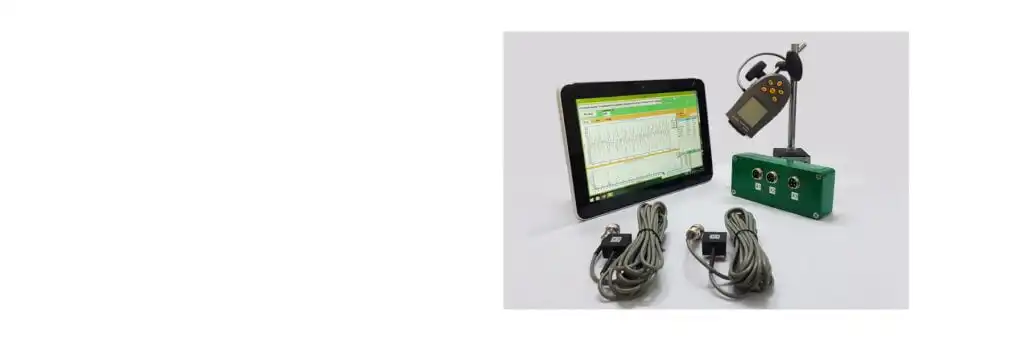
సంక్షిప్త సమాధానం: Balanset-1A దాని ధర వర్గంలో ఏకైక పరికరం, ఇది రెండు ఏకకాలిక కొలత చానెల్లు, ఇన్ఫ్లుయెన్స్-కోఎఫిషియెంట్ పద్ధతి ద్వారా సింగిల్- మరియు టూ-ప్లేన్ డైనమిక్ బ్యాలెన్సింగ్, ఫేజ్-రిఫరెన్స్డ్ FFT స్పెక్ట్రమ్ విశ్లేషణ, మరియు స్వయంచాలక ISO 21940-11 రెసిడ్యువల్ అన్బ్యాలెన్స్ నివేదికను కలిపి, ఒకే పోర్టబుల్ కిట్లో యంత్రం దగ్గరకు తీసుకెళ్ళగలిగేలా అందిస్తుంది. సాధారణ సింగిల్-చానెల్ వైబ్రోమీటర్ తీవ్రతను కొలుస్తుంది కానీ బ్యాలెన్స్ చేయలేదు; షాప్ బ్యాలెన్సింగ్ మెషిన్ బ్యాలెన్స్ చేస్తుంది కానీ రోటర్ తొలగింపు మరియు అంకితమైన సదుపాయం అవసరం. €1,975 పూర్తి ధరకు Balanset-1A అనేది ఆపరేటింగ్ వేగంలో స్థానంలోనే రోటర్లను బ్యాలెన్స్ చేయాల్సిన ఏ మెయింటెనెన్స్ టీమ్ లేదా కాంట్రాక్టర్కైనా సరైన ఎంపిక.
ఫీచర్ పోలిక: Balanset-1A మరియు ప్రత్యామ్నాయాలు
దిగువ పట్టిక Balanset-1Aను కొనుగోలుదారులు సాధారణంగా పరిగణించే మూడు జెనెరిక్ పరికర వర్గాలతో పోలుస్తుంది. నిర్దిష్ట పోటీదారు ఫీచర్లు మోడల్ మరియు తరం వారీగా మారుతాయి కాబట్టి, కాలమ్ హెడ్డర్లు నిర్దిష్ట బ్రాండ్ను కాకుండా వర్గాన్ని వివరిస్తాయి.
| ప్రమాణం | Balanset-1A (పూర్తి కిట్, €1,975) |
సాధారణ సింగిల్-ఛానల్ వైబ్రేషన్ అనలైజర్ (€800–€3,500) |
షాప్ / స్టేషనరీ బ్యాలెన్సింగ్ యంత్రం (€15,000–€100,000+) |
|---|---|---|---|
| మెజర్మెంట్ చానెల్లు | 2 ఏకకాల | 1 | 2 (స్థిర స్పిండిల్) |
| సింగిల్-ప్లేన్ బ్యాలెన్సింగ్ | అవును | యాడ్-ఆన్లతో / మాన్యువల్తో | అవును |
| రెండు-తలాల డైనమిక్ బ్యాలెన్సింగ్ | అవును | లేదు | అవును |
| ఇన్ఫ్లుయెన్స్-కోఎఫిషియెంట్ సాల్వర్ (స్వయంచాలక) | అవును | లేదు | అవును |
| ఇన్-సిటు / ఫీల్డ్ వినియోగం (రోటర్ అమర్చబడిన స్థితిలో ఉంటుంది) | అవును — ప్రధాన వినియోగ సందర్భం | కేవలం కొలత మాత్రమే, బ్యాలెన్సింగ్ లేదు | లేదు — రోటర్ను తొలగించాలి |
| ఫేజ్-రెఫరెన్స్డ్ FFT స్పెక్ట్రమ్ | అవును | కొన్ని మోడళ్లు | పరిమితం / వేరే ప్రయోజనం కోసం |
| 1× RPM వ్యాప్తి & ఫేజ్ (బ్యాలెన్సింగ్) | అవును | ఫేజ్ సెన్సర్ తరచుగా అదనంగా అవసరం | అవును |
| ISO 21940-11 అవశేష అసమతుల్యత నివేదిక | స్వయంచాలక, ముద్రితం | లేదు | అవును (మెషిన్ నిర్దిష్టం) |
| వేవ్ఫార్మ్ & ఆర్డర్ విశ్లేషణ | అవును | మోడల్పై ఆధారపడి ఉంటుంది | లేదు |
| పోర్టబుల్ / తీసుకెళ్ళదగినది | అవును — ఒక కేసులో సరిపోతుంది | అవును | లేదు |
| బేస్ ధరలో ఏమి చేర్చబడింది | యూనిట్, 2 సెన్సర్లు, లేజర్ టాకోమీటర్, మాగ్నెటిక్ స్టాండ్, డిజిటల్ స్కేల్, సాఫ్ట్వేర్, కేస్ | యూనిట్ మాత్రమే — సెన్సర్లు, టాకో, సాఫ్ట్వేర్ అదనంగా | యంత్రం మాత్రమే — టూలింగ్ అదనపు ఖర్చు |
| లేజర్ టాకోమీటర్ / ఫేజ్ సెన్సర్ చేర్చబడింది | అవును | సాధారణంగా అదనపు ఖర్చు | అవును |
| సాఫ్ట్వేర్ లైసెన్స్ & అప్డేట్లు | ఒకసారి, ఉచిత అప్డేట్లు | తరచుగా వార్షిక సబ్స్క్రిప్షన్ | మెషిన్ నిర్దిష్టం, తరచుగా చెల్లింపు అప్గ్రేడ్లు |
| VAT ఇన్వాయిస్ | అవును (EU) | రీసెల్లర్పై ఆధారపడి ఉంటుంది | రీసెల్లర్పై ఆధారపడి ఉంటుంది |
| వారంటీ | 2 సంవత్సరాలు | సాధారణంగా 1 సంవత్సరం | సాధారణంగా 1 సంవత్సరం |
| ఇంజినీర్ మద్దతు చేర్చబడింది | అవును — కమ్యూనిటీ ఫోరమ్ | చెల్లింపు సేవా ఒప్పందం | చెల్లింపు సేవా ఒప్పందం |
| కవర్ చేయబడిన సాధారణ రోటర్ రకాలు | అన్ని ఇన్-సిటు రోటర్లు (ఫ్యాన్లు, పంపులు, మోటార్లు, స్పిండిల్స్, షాఫ్ట్లు, సెంట్రిఫ్యూజ్లు) | మానిటరింగ్ మాత్రమే — బ్యాలెన్సింగ్ లేదు | మీరు తొలగించి రవాణా చేయగలిగే రోటర్లు మాత్రమే & రవాణా చేయదగినవి |
మీ పరిస్థితికి ఏ పరికరం సరిపోతుంది?
మీ అసలు పని కోసం సరైన టూల్ వర్గాన్ని సరిపోల్చడానికి దిగువ కార్డులను ఉపయోగించండి — తర్వాత నిర్ణయ దశలను అనుసరించండి.
Balanset-1A ని ఎంచుకోండి, ఒకవేళ…
మీరు రోటర్లను బ్యాలెన్స్ చేయాల్సి ఉంది వాటిని తొలగించకుండా: ఫ్యాన్లు, పంపులు, మోటార్లు, స్పిండిల్స్, సెంట్రిఫ్యూజ్లు, డ్రైవ్షాఫ్ట్లు. మీకు కొలుస్తుంది, లెక్కిస్తుంది, నివేదిస్తుంది మరియు €2,000 కంటే తక్కువ పూర్తి ఖర్చుతో ఉండే ఒక పరికరం కావాలి.
సింగిల్-చానెల్ అనలైజర్ని ఎంచుకోండి, ఒకవేళ…
మీ మాత్రమే పని అనేది పెద్ద యంత్ర పార్క్ అంతటా మొత్తం వైబ్రేషన్ స్థాయిలను ట్రెండ్ చేయడం — ఎటువంటి బ్యాలెన్సింగ్ దిద్దుబాటు లేకుండా సెవెరిటీ మానిటరింగ్. మీకు ఫేజ్, టూ-ప్లేన్ పని లేదా ISO నివేదిక అవసరం లేదు.
షాప్ బ్యాలెన్సింగ్ మెషిన్ని ఎంచుకోండి, ఒకవేళ…
మీరు చిన్న పర్సీషన్ భాగాలను బ్యాలెన్స్ చేస్తారు — టూల్హోల్డర్లు, గ్రైండింగ్ వీల్స్, చిన్న ఆర్మేచర్లు — ఇవి అంకిత స్పిండిల్పై ఖచ్చితమైన వేగంతో నడవాలి మరియు స్థలంలో బ్యాలెన్స్ చేయడం సాధ్యం కాదు. బడ్జెట్: €15,000+.
- మీ ప్రాథమిక పని నిర్వచించండి. పని చేసే వేగంలో స్థలంలోనే బ్యాలెన్సింగ్ → పోర్టబుల్ టూ-ప్లేన్ బ్యాలెన్సర్. కేవలం ట్రెండ్ మానిటరింగ్ → సింగిల్-చానల్ మీటర్. డిస్మౌంట్ చేసిన భాగాలపై పర్సీషన్ షాప్ పని → స్టేషనరీ మెషీన్.
- మీరు సేవ చేసే రోటర్ రకాలను లెక్కించండి. Balanset-1A అన్ని రిజిడ్ రోటర్లను వాటి స్వంత బేరింగ్లలో నిర్వహిస్తుంది — ఫ్యాన్లు, పంపులు, స్పిండిల్స్, షాఫ్ట్లు, సెంట్రిఫ్యూజ్లు. ఒక కిట్, ఒక ధర, మీరు వేగంగా నడపగలిగే ఏ రోటర్ రకంలోనైనా అపరిమిత పనులు.
- మొత్తం యాజమాన్య వ్యయాన్ని లెక్కించండి. కిట్ ధర (€1,975) మరియు సాఫ్ట్వేర్ సబ్స్క్రిప్షన్ శూన్యం. సింగిల్-చానెల్ అనలైజర్ బాడీ (€800–€3,500)తో పోల్చండి అదనంగా ఒక ప్రత్యేక ఫేజ్ సెన్సర్, టూ-ప్లేన్ పని కోసం రెండవ మెజర్మెంట్ చానల్, మరియు బ్యాలెన్సింగ్ సాఫ్ట్వేర్ — ఇవి కలిసి సాధారణంగా Balanset-1A ధరను మించిపోతాయి.
- డాక్యుమెంటేషన్ అవసరాన్ని తనిఖీ చేయండి. ISO 21940-11 అవశేష అన్బ్యాలెన్స్ను కొలిచి నమోదు చేయాలని నిర్దేశిస్తుంది. Balanset-1A ఈ నివేదికను స్వయంచాలకంగా రూపొందిస్తుంది. వైబ్రేషన్ మీటర్ దాన్ని రూపొందించలేదు.
- కొనుగోలు చేయడానికి ముందు అడగండి. మీ నిర్దిష్ట రోటర్ను పోస్ట్ చేయండి కమ్యూనిటీ ఫోరమ్ — మా ఇంజినీర్ Balanset-1A మీ అప్లికేషన్కు సరిపోతుందా అని నిజాయితీగా చెప్తారు.
రెండు-ప్లేన్ balancing కోసం రెండు ఏకకాల ఛానళ్లు ఎందుకు ప్రాయోగిక ప్రమాణంగా ఉన్నాయి
సన్నని డిస్క్పై స్టాటిక్ అన్బ్యాలెన్స్ను ఒకే సెన్సర్తో సింగిల్ ప్లేన్లో సరిదిద్దవచ్చు. కానీ చాలా నిజమైన పారిశ్రామిక రోటర్లు — వెడల్పైన ఇంపెల్లర్లు గల ఫ్యాన్లు, పొడవైన పంప్ షాఫ్ట్లు, మోటార్ ఆర్మేచర్లు, డ్రైవ్షాఫ్ట్లు — డైనమిక్ అన్బ్యాలెన్స్ దాని పొడవునా విస్తరించి ఉంటుంది. దాన్ని నమ్మకంగా సరిచేయాలంటే రెండు bearing planesనూ ఒకే runలో కొలవాలి. single-channel పరికరం ఇది చేయగలిగేది వరుసగా పునరావృత కొలతల ద్వారా మాత్రమే — అదనపు runsలో sensorను planes మధ్య మార్చుతూ — ఇది నెమ్మదిగా ఉండటమే కాక మారే పరిస్థితుల పట్ల చాలా సున్నితంగా ఉంటుంది. ఫీల్డ్ పనిలో వరుస single-channel కొలత ఎందుకు బలహీనమైన ప్రత్యామ్నాయమో ఇక్కడ ఉంది:
Balanset-1A — మీ పూర్తి ఫీల్డ్-బ్యాలెన్సింగ్ కిట్
ఈ పేజీలో పోల్చబడిన ప్రతిదీ ఒకే పోర్టబుల్ పరికరంతో చేయబడింది: Balanset-1A. ఇది రిజిడ్ రోటర్లను బ్యాలెన్స్ చేసే రెండు-చానల్ డైనమిక్ బ్యాలెన్సర్ మరియు వైబ్రేషన్ అనలైజర్ వాటి స్వంత బేరింగ్లలో, ఆపరేటింగ్ వేగంతో, 3-రన్ ఇన్ఫ్లుయెన్స్-కోఎఫిషియంట్ పద్ధతిని ఉపయోగించి — సాఫ్ట్వేర్ ఖచ్చితమైన కరెక్షన్ మాస్ మరియు కోణాన్ని లెక్కించి, నివేదికను సేవ్ చేస్తుంది.
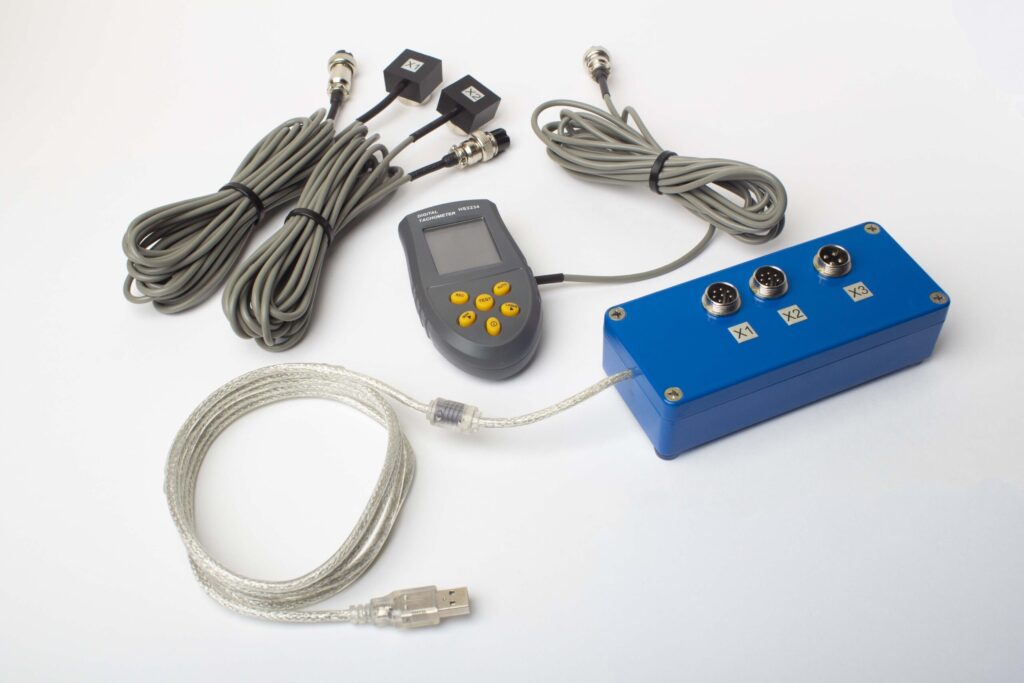
పూర్తి కిట్లో ఏముంది
€1,975 · పూర్తి కిట్, స్టాక్లో ఉంది, VAT ఇన్వాయిస్
- ఇంటర్ఫేస్ మెజర్మెంట్ యూనిట్ (USB, 2 చానెల్లు)
- రెండు వైబ్రేషన్ యాక్సెలెరోమీటర్లు (4 m కేబుల్, 10 m ఐచ్ఛికం)
- లేజర్ టాకోమీటర్ / ఆప్టికల్ ఫేజ్ సెన్సర్ (50–500 mm)
- సెన్సార్ కోసం మాగ్నెటిక్ స్టాండ్
- ట్రయల్ & కరెక్షన్ వెయిట్ల కోసం డిజిటల్ స్కేల్
- Windows బ్యాలెన్సింగ్ & అనాలిసిస్ సాఫ్ట్వేర్
- ప్లాస్టిక్ ట్రాన్స్పోర్ట్ కేస్
పూర్తి కిట్
యూనిట్ · 2 సెన్సార్లు · లేజర్ టాకోమీటర్ · మాగ్నెటిక్ స్టాండ్ · డిజిటల్ స్కేల్ · సాఫ్ట్వేర్ · ట్రాన్స్పోర్ట్ కేస్. బాక్స్ తెరిచిన వెంటనే బ్యాలన్సింగ్ ప్రారంభించడానికి అవసరమైనదంతా.
OEM సెట్
యూనిట్ · 2 సెన్సార్లు · లేజర్ టాకోమీటర్ · సాఫ్ట్వేర్. ఇప్పటికే స్టాండ్, స్కేల్ మరియు కేస్ ఉన్న ఇంటిగ్రేటర్లకు, లేదా యూనిట్ను బ్యాలన్సింగ్ మెషీన్లో పొందుపరచాలనుకున్నవారికి.
| పరామితి | విలువ |
|---|---|
| మెజర్మెంట్ చానెల్లు | 2 (సింగిల్-ప్లేన్ & టూ-ప్లేన్ బ్యాలెన్సింగ్) |
| వైబ్రేషన్ వేగం పరిధి | 0.02–80 mm/s RMS |
| పౌనఃపున్య పరిధి | 5–1000 Hz (550 Hz పైన ≤10% యాంప్లిట్యూడ్ దోషం) |
| కొలత ఖచ్చితత్వం | పూర్తి స్కేల్లో ±5% |
| విధానం | 3-రన్ ఇన్ఫ్లుయెన్స్-కో఼ఎఫిషియెంట్ (1 లేదా 2 ప్లేన్లు) |
| విశ్లేషణ | 1× వద్ద ఆంప్లిట్యూడ్ & ఫేజ్, FFT స్పెక్ట్రమ్ & వేవ్ఫారమ్, సేవ్ అయిన రిపోర్టులు |
| ల్యాప్టాప్ | చేర్చబడలేదు (Windows PC, అభ్యర్థన మేరకు అందుబాటులో) |
వాస్తవ వినియోగ కేస్ స్టోరీలు
వైబ్రోమీటర్ ధరలో పూర్తి బ్యాలెన్సర్
Balanset-1A సాధారణ సింగిల్-ఛానల్ వైబ్రోమీటర్ ధర కంటే తక్కువకు రెండు-ప్లేన్ ఫీల్డ్ బ్యాలెన్సింగ్ను ఎలా అందిస్తుందో వివరమైన ఇంజినీరింగ్ విశ్లేషణ — లెక్కల సహితంగా.
కొనుగోలుదారులకు నిజంగా అవసరమైనది
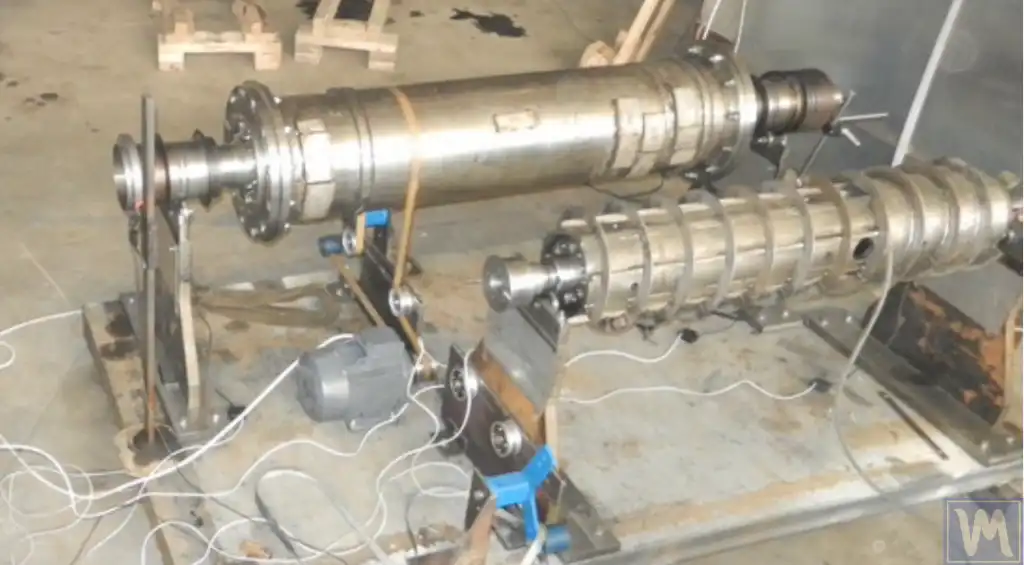
బ్యాలెన్సింగ్ పరికరాన్ని నిర్దేశించేటప్పుడు ఏది ముఖ్యమో, మరియు గణనీయమైన అదనపు ఖర్చుతో సాధారణంగా అతిగా నిర్దేశించబడేది ఏమిటో — అనే విషయాలపై నిజాయితీగా ఇంజినీరింగ్ చర్చ.
ఉచిత బ్యాలెన్సింగ్ కాలిక్యులేటర్లు
కొనుగోలుదారుల FAQ — Balanset-1A vs. ప్రత్యామ్నాయాలు
Balanset-1A చాలా సింగిల్-ఛానల్ వైబ్రేషన్ మీటర్ల కంటే తక్కువ ధరకు ఎందుకు అందుబాటులో ఉంటుంది?
Balanset-1A స్టేషనరీ బ్యాలెన్సింగ్ మెషిన్ను భర్తీ చేయగలదా?
సింగిల్-ఛానల్ వైబ్రేషన్ అనలైజర్ బ్యాలెన్సింగ్ చేయగలదా?
Balanset-1A బ్యాలెన్సింగ్కు అతీతంగా ఏ వైబ్రేషన్ అనాలిసిస్ ఫీచర్లను కలిగి ఉంది?
సాఫ్ట్వేర్ కోసం నిరంతర వ్యయం లేదా వార్షిక సభ్యత్వం ఉందా?
Balanset-1A నా నిర్దిష్ట రోటర్కు సరిపోతుందని నాకు ఎలా తెలుస్తుంది?
ఏ వారంటీ మరియు మద్దతు చేర్చబడ్డాయి?
రెండు ఛానెళ్లు, ఒక కిట్, ఒక ధర — స్పెసిఫికేషన్ను మీరే చూడండి
Balanset-1A రెండు-ఛానెల్ డైనమిక్ బ్యాలెన్సింగ్, ఫేజ్-రిఫరెన్స్డ్ FFT విశ్లేషణ మరియు ISO 21940-11 డాక్యుమెంటేషన్ను ఒకే €1,975 పోర్టబుల్ కిట్లో అందిస్తుంది — 2-సంవత్సరాల వారంటీ, ఉచిత సాఫ్ట్వేర్ అప్డేట్లు మరియు ఇంజినీర్ మద్దతుతో సహా. మీరు పరిశీలిస్తున్న ఏ ప్రత్యామ్నాయంతోనైనా స్పెసిఫికేషన్-వారీగా పోల్చండి.

