Zorlanmış Titreşimi Anlamak




Zorlanmış titreşim harici periyodik bir kuvvetin mekanik bir sisteme etki etmesiyle oluşan salınımlı harekettir. Titreşim, uygulanan kuvvetin frekansında — zorlama frekansında — meydana gelir ve genliği, bu kuvvetin büyüklüğüyle doğru orantılı, sistemin o frekanstaki harekete direnciyle ters orantılıdır. Döner makinelerdeki titreşim titreşimlerin büyük çoğunluğu zorlamalı titreşimdir; olağan nedenler şunlardır: balanssızlık (dönen bir merkezkaç kuvvet), hizasızlık (kavrama kuvvetleri) ve aerodinamik ya da hidrolik darbeler. Zorlamalı titreşim, sistemin kendi salınımını üretip sürdürdüğü kendi kendini uyaran titreşim ve bir darbeden sonra ortaya çıkan geçici sönüm titreşimi olan serbest titreşimden temelden farklıdır. Bu ilkeleri kavramak önemlidir; zira titreşim genliğinin arıza şiddetiyle nasıl ilişkili olduğunu ve titreşimin nasıl kontrol edilebileceğini — ya zorlama azaltılarak ya da sistemin yanıtı değiştirilerek — açıklar.
1. Zorlanmış Titreşimin Özellikleri
Frekans eşleşmesi
- Titreşim frekansı, zorlama frekansına eşittir — sistemi 30 Hz'de zorlarsanız, sistem 30 Hz'de titreşir.
- Bu durum, belirli bir frekansa kilitlenen öz-uyarımlı titreşimden farklıdır; öz-uyarımlı titreşim doğal frekans sürüş hızından bağımsız olarak bu frekansa kilitlenir.
- Dolayısıyla frekans, zorlama kaynağından doğrudan öngörülebilir.
Genlik orantılılığı
- Genlik, zorlama büyüklüğüyle orantılıdır: kuvveti iki katına çıkardığınızda (doğrusal bir sistemde) titreşim de iki katına çıkar.
- Zorlama kaldırıldığında titreşim durur — bu, zorlanmış titreşimin tam olarak kontrol edilebilir olmasının nedenidir.
Faz ilişkisi
- Kuvvet ile tepki arasında belirli bir faz ilişkisi vardır.
- Bu faz, zorlama frekansının doğal frekansa oranına bağlıdır:
- Rezonansın altında: titreşim, kuvvetle esasen aynı fazdadır.
- Rezonansta: 90° faz gecikmesi.
- Rezonans üstünde: 180° faz gecikmesi.
İstikrar
- Sistem kararlıdır: titreşim sınırlı kalır ve sınırsız büyümez.
- Genlik, zorlama ve sistem tepkisinin birlikte belirlediği bir değerdir — bir doğrusal olmayanlık durdurana kadar artmaya devam edebilen kararsız öz-uyarımlı titreşimin tam tersidir.
2. Makinelerde Yaygın Zorlama Fonksiyonları
Dengesizlik — 1× zorlama
- Güç: kütle eksantrizminden kaynaklanan dönen bir merkezkaç kuvveti.
- Frekans: devir başına bir kez (1× mil hızı).
- Büyüklük: F = m·r·ω², dolayısıyla hızın kare değeriyle orantılı olarak artar.
- Önemi: çoğu dönen ekipmanda birincil titreşim kaynağıdır.
ω²'ye olan bu bağımlılık üzerinde durmaya değer: çalışma hızını iki katına çıkarmak dengesizlik kuvvetini dört katına çıkarır; bu nedenle düşük hızda sessizce çalışan bir rotor, çalışma hızına getirildiğinde şiddetle titreşebilir. Bunu bizim Dengesizlikten Kaynaklanan Merkezkaç Kuvveti Hesaplayıcısı.
Diğer başlıca kaynaklar
- Yanlış hizalama — 2× zorlama: açısal veya paralel kaymadan kaynaklanan kavrama kuvvetleri; mil hızının iki katında titreşim ve karakteristik olarak yüksek bir eksenel bileşen.
- Aerodinamik / hidrolik (kanat veya vane geçişi): kanat–stator etkileşiminden kaynaklanan basınç darbecikleri; frekans, kanat sayısı × mil hızıdır — fanların, pompaların ve kompresörlerin imzası; şu unsurlar tarafından üretilir: aerodinamik ve hidrolik kuvvetler.
- Dişli kavrama kuvvetleri: dişli kavramasının diş sayısı × mil hızında ( dişli geçiş frekansı), iletilen tork ve diş kalitesiyle bağlantılı bir büyüklükte periyodik yük oluşturması.
- Elektromanyetik kuvvetler: motor ve jeneratörlerdeki manyetik alan darbelerinin 2× şebeke frekansında (60 Hz şebekede 120 Hz, 50 Hz şebekede 100 Hz) oluşması — mekanik hızdan bağımsız olması dikkat çekicidir; asenkron bir zorlama.
3. Zorlamaya Tepki: Sistem Nasıl Davranır
Aynı kuvvet, zorlama frekansının sistemin doğal frekansına göre konumuna bağlı olarak son derece farklı genlikler üretir. Bunu üç rejim tanımlar.
Doğal frekansın altında (rijitlik kontrollü)
- Genlik ≈ Kuvvet ÷ Sertlik.
- Tepki, zorlamayla aynı fazdadır.
- Hıza bağlı kuvvetlerde genlık hızla birlikte artar.
- Çoğu rijit rotorlar.
Doğal frekansta (rezonans)
- Genlik ≈ Kuvvet ÷ (Sönümleme × Doğal Frekans).
- Q faktörüyle yükseltilir; genellikle 10–50× oranında.
- 90°'lik bir faz gecikmesi ve küçük kuvvetler artık büyük titreşim oluşturur.
- Sönümleme genliği sınırlayan tek şeydir — bu durumun pratik önemi rezonans.
Doğal frekansın üstünde (kütle kontrollü)
- Genlik ≈ Kuvvet ÷ (Kütle × Frekans²).
- 180°'lik bir faz gecikmesi — titreşim kuvvet yönünün tersine hareket eder.
- Frekans yükseldikçe genlik düşer.
- Çalışma bölgesi esnek rotorlar kendi üzerinde çalışan kritik hızlar.
4. Zorlamalı Titreşim ve Diğer Türler
Zorlamalı titreşim ile serbest titreşimin karşılaştırılması
- Zoraki: Sürekli zorlama, titreşim sürdürülür, zorlama frekansında
- Özgür: doğal frekansta azalan bir impuls tepkisi.
- Örnek: a çarpma testi serbest titreşim üretir; çalışan bir makine ise zorlanmış titreşim üretir.
Zorlamalı titreşim ile öz-uyarımlı titreşimin karşılaştırılması
- Zoraki: dış bir kuvvet, o kuvvetle orantılı genlık, kararlı.
- Kendinden uyarımlı: dahili bir enerji kaynağından beslenir; genlik yalnızca doğrusal olmayanlıkla sınırlandırılır, kararsızdır.
- Örnekler: dengesizlik zorlanmıştır; yağ girdabı öz-uyarımlıdır.
5. Kontrol ve Azaltma
Zorlamayı azaltın (genellikle en iyi yol)
- Dengeleme: dengesizlik zorlamasını doğrudan azaltır ve en yaygın düzeltici eylemdir.
- Hizalanma: hizasızlık kuvvetlerini azaltır.
- Arızaları onarın: kuvvetleri üreten mekanik sorunları giderin.
- En etkili yöntem: zorlayıcı kaynağı kökeninde ortadan kaldırmak veya en aza indirmek.
Sistem yanıtını değiştirin veya rezonansı önleyin
- Rijitliği veya kütleyi değiştirin: Doğal frekansları zorlayıcı frekanslardan uzaklaştırın
- Sönümleme ekleyin: rezonans yükseltmesini törpüler.
- İzolasyon: destek yapısına iletilen kuvveti azaltın.
- Rezonansdan kaçının: zorlayıcı frekansları doğal frekanslardan uzak tutun; yaklaşık ±%20–30 ayrım marjıyla, tasarım aşaması analiziyle doğrulanmış ve bir çakışma kaçınılmazsa hız kısıtlamalarıyla uygulanmış şekilde.
6. Pratik Önemi ve Tanı
Makine titreşiminin neredeyse tamamı zorunlu titreşim olduğundan — dengesizlik, hizasızlık, dişli kavraması ve diğerleri — bu titreşimler öngörülebilir ve kontrol edilebilir niteliktedir. Balans alma ve hizalama gibi standart bakım işlemleri de tam olarak bu zorlamayı hedef aldıkları için etkilidir. Tanı yaklaşımı doğrudan buradan çıkar: spektrumdan zorlayıcı frekansı belirleyin, bunu bilinen bir kaynakla eşleştirin (1×, 2×, dişli kavraması, kanat geçişi), o kaynağı teşhis edin ve uygun bakımla zorlamayı azaltın.
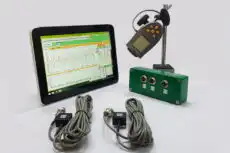
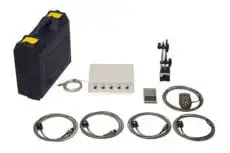
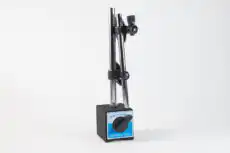
Saha ekipmanlarının asıl değerini kanıtladığı yer burasıdır. Şu gibi taşınabilir iki kanallı bir analizör: Balanset-1A titreşimi ölçer genlik ve çalışma hızında faz ölçümü, 1× dengesizlik tepesini 2× hizasızlık tepesinden spektrumda ayırt etmenize; baskın zorlamanın dengesizlik olduğunu belirledikten sonra bunu yerinde düzeltmenize olanak tanır: yerinde balanslama rotoru kendi yataklarında dengeler. Hem genlik hem de fazın ölçülmesi, zorlama kaynaklı bir sorunu rezonans sorundan ayırt etmeyi sağlar; zira bu ikisi hız değişimine karşı çok farklı davranış gösterir.
Zorunlu titreşim, dönen makinelerde temel titreşim türüdür ve sisteme periyodik bir dış kuvvet etki ettiğinde ortaya çıkar. Temel ilkelerini — frekans eşleşmesi, genlik orantılılığı ve rijitlik, sönümleme ile kütle kontrollü yanıt bölgeleri — kavramak, titreşim kaynaklarının doğru teşhisini, uygun düzeltici eylemi (zorlamayı azaltmak veya yanıtı değiştirmek) ve titreşimi zorlamayı azaltma ile rezonansı önleme yoluyla düşük tutan tasarım stratejilerini mümkün kılar.

