Understanding the Charge Amplifier
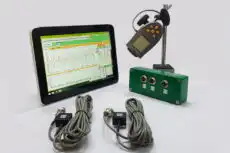
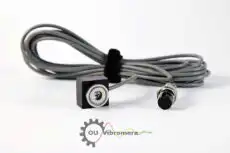
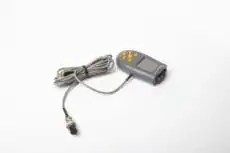
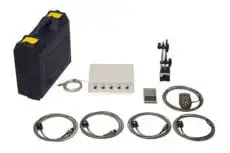


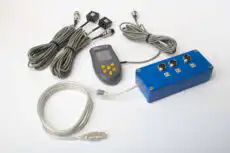
اے چارج یمپلیفائر is an electronic signal-conditioning device that converts the tiny, high-impedance charge output — measured in picocoulombs (pC) — of a charge-mode پیزو الیکٹرک ایکسلرومیٹر into a low-impedance voltage suitable for cabling and for processing by a measurement instrument. It is, in essence, a precision charge-to-voltage converter and amplifier, and it is the element that makes charge-mode sensing practical. Charge-mode sensors carry no built-in electronics, so they survive extreme temperatures and harsh environments where an IEPE ایکسلرومیٹر would simply fail.
Charge amplifiers are far less common in routine industrial monitoring than they once were — the self-contained IEPE sensor has displaced them almost everywhere — but they remain essential wherever sensor electronics cannot survive: above roughly 175 °C, in nuclear radiation fields, and in certain intrinsically safe installations. Understanding how a charge amplifier works therefore matters both for high-temperature کمپن monitoring and for keeping older measurement systems running.
۱۔ آپریٹنگ اصول
Charge-to-voltage conversion
A piezoelectric crystal generates an electrical charge سوال کے مطابق ایکسلریشن it feels. That charge travels down a special low-noise cable into the amplifier, where an operational amplifier integrates it onto a feedback capacitor. The output voltage is then simply:
V = Q / Cfeedback
Because the feedback capacitor — not the cable — sets the gain, the result is a clean, low-impedance voltage, typically up to ±10 V at full scale, that can drive long cable runs without losing fidelity.
Key circuit features
- Very high input impedance (greater than 1012 Ω) so the precious charge does not leak away before it is measured.
- Feedback capacitor defines the gain and therefore the system حساسیت.
- Feedback resistor sets the low-frequency roll-off (the high-pass corner).
- Low-noise design, which is critical because the input signal is so weak.
- Multiple gain settings so one amplifier can serve sensors of different sensitivities.
2. Why Choose a Charge-Mode System
The whole reason to accept the extra hardware of a charge amplifier is the capability of the sensor it feeds:
- Extreme temperature: charge-mode sensors run to 650 °C, and some to 1000 °C, because there are no semiconductors inside to cook. This is indispensable for exhaust systems, furnaces, kilns and engine-test work — an IEPE sensor is capped near 175 °C.
- Radiation resistance: with no active electronics in the sensor head, charge-mode devices suit nuclear environments where IEPE electronics would be destroyed.
- Cable interchangeability: because the gain depends on the feedback capacitor rather than the cable, you can change cable length within limits without recalibrating — a useful flexibility during installation.
3. Disadvantages and Practical Challenges
These advantages come at a real cost, which is why charge mode is now a specialist choice:
- نظام کی پیچیدگی: a separate external amplifier adds cost, bulk and an extra failure point, and setup is more involved than the plug-and-play IEPE chain.
- Cable requirements: the system demands special low-noise cable, because ordinary cable movement generates spurious charge through the triboelectric اثر. کیبل کو لچکنے سے روکنے کے لیے اسے کلیمپ کیا جانا چاہیے، یہ معیاری کوکسیل سے زیادہ مہنگی ہوتی ہے، اور عموماً تقریباً 100 میٹر تک محدود ہوتی ہے۔
- نمی کے بارے میں حساسیت: اس ڈیزائن کی بنیاد جس انتہائی اعلی امپیڈینس پر ہے وہ انسولیشن مزاحمت میں کمی کے لیے بھی خطرناک ہے۔ نمی کا داخل ہونا سگنل میں بہاؤ اور شور پیدا کرتا ہے، اس لیے مناسب سیلنگ اور کیبل کی حالت ضروری ہے۔
4. چارج موڈ کب استعمال کریں — اور کب نہ کریں
واقعی ضروری
- High temperature: 175 °C سے اوپر — اگزاسٹ سسٹمز، بھٹیاں، کِلنز، انجن ٹیسٹنگ۔
- جوہری ماحول: تابکاری کی سطحیں جو سینسر الیکٹرانکس کی برداشت سے باہر ہوں۔
- دھماکہ خیز ماحول: intrinsically safe sensors with no active electronics in the head.
- تحقیق: خصوصی ٹیسٹنگ جو چارج موڈ خصوصیات پر منحصر ہو۔
Better avoided
- معیاری صنعتی حالت کی نگرانی — اس کی بجائے IEPE استعمال کریں۔
- برقی طور پر شور بھرے پلانٹ میں طویل کیبل رنز۔
- بجٹ محدود منصوبے، چونکہ چارج ایمپلیفائرز مہنگے ہوتے ہیں۔
- روٹین روٹ بیسڈ کام، جہاں اضافی پیچیدگی جائز نہ ہو۔
5. خصوصیات، سیٹ اپ اور کیلیبریشن
ایک عام چارج ایمپلیفائر قابل ایڈجسٹ gain/sensitivity — عام طور پر تقریباً 0.1 سے 1000 mV/pC تک، لہذا یہی یونٹ بہت سے سینسرز کے لیے استعمال ہو سکتا ہے بشرطیکہ استعمال ہونے والے سینسر کے لیے کیلیبریٹ کیا گیا ہو — اس کے علاوہ فریکوئنسی ریسپانس کنٹرول ایک قابل ایڈجسٹ ہائی پاس کارنر (اکثر 0.1–10 Hz) کے ذریعے، ایک لو پاس اینٹی ایلائزنگ فلٹر، اور کبھی کبھی بلٹ ان انضمام یا تفریق to deliver velocity or displacement. Its low-impedance output drives long cables — typically ±10 V — and can feed more than one instrument.
Configuration follows a clear sequence: connect the sensor with the correct low-noise cable; set the gain to match the sensor’s charge sensitivity; set the high-pass and low-pass corners for the application; route the output to the analyser; and finally verify the whole chain end to end with a known excitation. That verification is usually done on a shaker table, with a handheld portable calibrator, or by back-to-back comparison against a reference sensor — checking both sensitivity and frequency response. Issuing a fresh کیلیبریشن سرٹیفکیٹ after this step preserves measurement traceability, exactly the discipline that underpins any reliable انشانکن regime.
6. Modern Trends and Where the Charge Amplifier Fits Today
The trajectory is one of declining use: IEPE has replaced charge mode in the great majority of applications because it is simpler, cheaper and easier to deploy, and some facilities are actively phasing charge-mode systems out. Yet a hard core of duties remains — high-temperature monitoring on gas turbines and engines, nuclear power plants, research laboratories, precision measurements that exploit charge-mode characteristics, and the upkeep of legacy installations. For most field work the practical alternative is a self-contained IEPE chain feeding a portable instrument such as the بیلنسیٹ -1 اے, which an engineer uses to measure مقدار اور مرحلہ and to balance a روٹر in its own bearings without a charge-amplifier front end. The charge amplifier, then, is a specialist tool: complex and costly, but the only way to take a sensor where ordinary electronics cannot follow.

