Charge Amplifier-ის გაგება
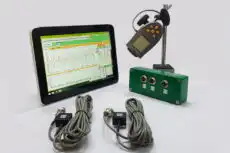
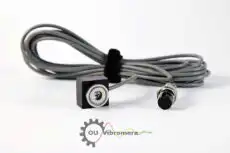
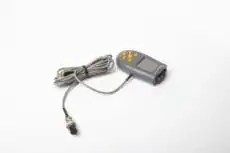
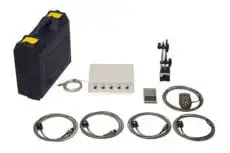
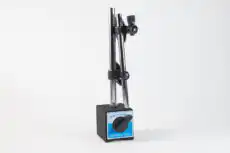

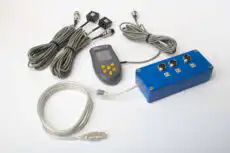
A დამუხტვის გამაძლიერებელი არის ელექტრონული სიგნალის კონდიცირების მოწყობილობა, რომელიც charge-mode პიეზოელექტრული აქსელერომეტრი -ის პაწაწინა, მაღალი იმპედანსის მქონე მუხტურ გამოსავალს — პიკოკულონებში (pC) გაზომილს — კაბელირებისა და საზომი ინსტრუმენტით დამუშავებისთვის შესაფერის დაბალი იმპედანსის ძაბვად გარდაქმნის. არსებითად, ეს არის მაღალი სიზუსტის მუხტი-ძაბვად გარდამქმნელი და გამაძლიერებელი, და სწორედ ეს ელემენტი ხდის charge-mode სენსორების გამოყენებას პრაქტიკულს. Charge-mode სენსორებს ჩაშენებული ელექტრონიკა არ აქვთ, ამიტომ ისინი უძლებენ უკიდურეს ტემპერატურებსა და მძიმე გარემოს, სადაც IEPE აქსელერომეტრი უბრალოდ მწყობრიდან გამოვიდოდა.
Charge amplifier-ები რუტინულ სამრეწველო მონიტორინგში ბევრად იშვიათია, ვიდრე ადრე — თვითკმარმა IEPE სენსორმა ისინი თითქმის ყველგან ჩაანაცვლა — მაგრამ ისინი კვლავ აუცილებელია იქ, სადაც სენსორის ელექტრონიკა ვერ გადარჩება: დაახლოებით 175 °C-ზე მაღლა, ბირთვული გამოსხივების ველებში და ზოგიერთ intrinsically safe დანადგარში. ამიტომ charge amplifier-ის მუშაობის გაგება მნიშვნელოვანია როგორც მაღალი ტემპერატურის ვიბრაცია მონიტორინგისთვის, ისე ძველი საზომი სისტემების სამუშაო მდგომარეობაში შესანარჩუნებლად.
1. მუშაობის პრინციპი
მუხტი-ძაბვად გარდაქმნა
პიეზოელექტრული კრისტალი წარმოქმნის ელექტრულ მუხტს Q პროპორციული აჩქარება ის ჩემი აღჩევია. ეს მუხტი მიემართება სპეციალური დაბალი ხმაურის სადენით გამაძლიერებელში, სადაც ოპერაციული გამაძლიერებელი ის უკუკავშირის კონდენსატორზე ინტეგრირებს. გამომავალი ძაბვა მაშინ უბრალოდ:
V = Q / Cმოსაქცევადი კავშირი
ვინაიდან უკუკავშირის კონდენსატორი — არა სადენი — ადგენს მოგებას, შედეგი არის სუფთა, დაბალი წინააღმდეგობის ძაბვა, ჩვეულებრივ ±10 ვ სრულ სკალაზე, რომელიც შეუძლია გრძელი სადენის გაშვებას დაკარგვის გარეშე.
კრიტიკული წრეს მახასიათებლები
- ძალიან მაღალი შემშებელი წინააღმდეგობა (10-ზე მეტი12 Ω) ასე რომ ის ღირებული მუხტი ის გაზომვამდე ჩეკვი არ გაჟონის.
- უკუკავშირის კონდენსატორი განსაზღვრავს მოგებას და შესაბამისად სისტემას მგრძნობელობა.
- უკუკავშირის რეზისტორი ადგენს დაბალი სიხშირის ჩაკეტვას (მაღალი მხარის კუთხე).
- დაბალი ხმაურის კონსტრუქცია, რომელი კრიტიკული იმიტომ რომ შემშებელი სიგნალი ძალიან სუსტია.
- მრავალი მოგების პარამეტრი ასე რომ ერთი გამაძლიერებელი შეუძლია სხვადსხვა მგრძნობიარობის სენსორებთან სამსახურეობა.
2. რატომ აირჩიოთ მუხტის რეჟიმის სისტემა
მთელი მიზეზი ღიღონის დამატებითი აპარატურა მის სიმძლავრე სენსორი:
- ექსტრემალური ტემპერატურა: მუხტური რეჟიმის სენსორები მუშაობენ 650 °C-მდე, ზოგი კი 1000 °C-მდე, რადგან მათ შიგნით ნახევარგამტარები არ არის, რომელიც შეიძლება დაიწვას. ეს უმნიშვნელოვანესია გამონაბოლქვის სისტემების, ღუმელების, ცეცხლოვანი ღუმელების და ძრავის ტესტირების სამუშაოებისთვის — IEPE სენსორი შეზღუდულია დაახლოებით 175 °C-ით.
- გამოსხივების წინააღმდეგობა: სენსორის თავში აქტიური ელექტრონიკის არარსებობის გამო, მუხტური რეჟიმის მოწყობილობები შესაფერისია ბირთვული გარემოსთვის, სადაც IEPE ელექტრონიკა განადგურდება.
- სადენის ურთიერთმენაბადობა: რადგან მოგება დამოკიდებელი უკუკავშირის კონდენსატორზე და არა სადენზე, თქვენ შეუძლია სადენის სიგრძე შიგნით ლიმიტების ცვლილებამდე რეკალიბრირების გარეშე — სასარგებო მოქნილობა ინსტალაციის დროს.
3. მინუსები და პრაქტიკული გამოწვევები
ეს უპირატესობები რეალურ ხარჯებთან მოდის, რის გამოც მუხტის რეჟიმი ახლა სპეციალიზированული არჩევანია:
- სისტემის სირთულე: ცალკე გარე გამაძლიერებელი ზრდის ღირებულებას, მოცულობას და დამატებითი უკმარობის წერტილს, და დაყენება უფრო რთულია, ვიდრე ჩვენება-და-უკე IEPE ჯაჭვი.
- კაბელის მოთხოვნები: სისტემა მოითხოვს სპეციალურ დაბალი ხმაურის კაბელს, რადგან ჩვეულებრივი კაბელის მოძრაობა ხელოვნურ მუხტს წარმოქმნის ტრიბოელექტრული ეფექტი. კაბელი უნდა იყოს დაკრემილი მისი მოხრის შეზღუდვისთვის, უფრო ძვირი და სტანდარტული თანახელოიანი კაბელი, და ზოგადად შემოიფარგლება დაახლოებით 100 მ-ით.
- სენსიტიურობა ტენიანობისადმი: ძალიან მაღალი წინაღობა, რომელზედაც დიზაინი ეყრდნობა, ასევე დაუცველია იზოლაციის წინაღობის შემცირების აღმიმართ. ტენიანობის გაჭრა იწვევს სიგნალის დრიფტს და ხმაურს, ამიტომ კარგი დალუქვა და კაბელის მდგომარეობა ძველია.
4. როდის გამოვიყენოთ მუხტის რეჟიმი — და როდის არა
მართლაც საჭირო
- მაღალი ტემპერატურა: 175 °C-ზე ზემოთ — გაზაფხულის სისტემები, ღუმელი, კილნი, ძრავის ტესტირება.
- ბირთვული გარემო: რადიაციის დონე, რომელიც სენსორის ელექტრონიკა ითმენს.
- აფეთქებადი ატმოსფერა: თავისთავად უსაფრთხო სენსორები, რომლებსაც თავში აქტიური ელექტრონიკა არ აქვთ.
- კვლევა: სპეციალიზირებული ტესტირება, რომელიც დამოკიდებულია მუხტის რეჟიმის მახასიათებლებზე.
უკეთესია თავიდან ავიცილოთ
- სტანდარტული სამრეწველო მდგომარეობის მონიტორინგი — გამოიყენეთ IEPE ამის ნაცვლად.
- გრძელი კაბელის გაშვება ელექტრულად ხმაურიანი ქარხნის მეშვეობით.
- ბიუჯეტით შეზღუდული პროექტები, რადგან მუხტის ამპლიფიკატორები ძვირია.
- რუტინული მარშრუტზე დაფუძნებული სამუშაო, სადაც დამატებული სირთულე არ არის გამართლებული.
5. მახასიათებლები, დაყენება და კალიბრაცია
ტიპიური დამუხტვის აქტიველი აძლევს რეგულირებადი გაძლიერება/მგრძნობელობა — ჩვეულებრივ დაახლოებით 0,1-დან 1000 mV/pC-მდე, ამიტომ იგივე ბილიკი შეუძლია ბევრი სენსორის გამოყენება, რამდენადაც დაკალიბრირებულია გამოქვემდებარებელი — პლუს სიხშირის-პასუხის კონტროლი რეგულირებადი მაღალი-გამშვები კუთხის საშუალებით (ხშირად 0,1–10 Hz), დაბალი-გამშვები ანტი-ალიასინგის ფილტრი, და ზოგჯერ ჩაშენებული ინტეგრაცია ან დიფერენცირება სიჩქარე ან გადაადგილებაა მისაწოდებელი. მისი დაბალი-წინააღმდეგობის გამომავალი გრძელი კაბელებს აყენებს — ჩვეულებრივ ±10 V — და შეუძლია ერთზე მეტ ინსტრუმენტს კვება.
კონფიგურაცია სუფთა თანმიმდევრობის შემდეგ ხდება: სენსორი სწორი დაბალი-ხმაურის კაბელით დააკავშირეთ; მოგების დააყენოთ სენსორის დამუხტვის სენსიტივობას შესაფერად; მაღალი-გამშვები და დაბალი-გამშვები კუთხეები აპლიკაციისთვის დააყენოთ; გამომავალი ანალიზატორზე მიმართეთ; და ბოლოსთვის მთელი ჯაჭვი ცნობილი აგზნებით დაასრულეთ. ეს დამოწმება ჩვეულებრივ შეკრების მაგიდაზე, ხელში ტარებადი გადაკალიბრების მოწყობილობით, ან უკან-უკან-სენსორის ცნობილი გარკვევით ხდება — სენსიტივობა და სიხშირის პასუხი გამოიკვლევა. სერთიფიკაციის გამოცემა ამ ეტაპის შემდეგ გაზომვის კვალიფიკაციას შენარჩუნებს, ზუსტად ის დისციპლინა, რომელიც ნებისმიერი საიმედო კალიბრაციის სერტიფიკატი ამის შემდეგ შეინახეთ გაზომვის თვალყურილი, ზუსტად ის დისციპლინა, რომელიც ნებისმიერი საიმედო კალიბრაცია რეჟიმი.
6. თანამედროვე ტრენდები და რა ადგილი აქვს დამუხტვის აქტიველს დღეს
მისი გამოყენების ტრაექტორია კლებადია: IEPE-მ შეცვალა charge mode გამოყენებების დიდ უმრავლესობაში, რადგან უფრო მარტივი, იაფი და დასანერგად ადვილია, და ზოგი ობიექტი charge-mode სისტემებს აქტიურადაც კი ხსნის ექსპლუატაციიდან. თუმცა რჩება რამდენიმე მყარი სფერო — მაღალტემპერატურული მონიტორინგი აირის ტურბინებზე და ძრავებზე, ატომური ელექტროსადგურები, კვლევითი ლაბორატორიები, მაღალი სიზუსტის გაზომვები, რომლებიც charge-mode-ის თვისებებს იყენებს, და legacy ინსტალაციების მოვლა. უმეტეს საველე სამუშაოებში პრაქტიკული ალტერნატივაა ჩაშენებული ელექტრონიკით აღჭურვილი თვითკმარი სენსორი — IEPE ან MEMS აქსელერომეტრი — პორტატულ მოწყობილობასთან მიერთებული. მაგალითად, ბალანსეტი-1ა, მაგალითად, მიეწოდება ორი ანალოგური MEMS აქსელერომეტრით, რომლებსაც ინჟინერი იყენებს გასაზომად ამპლიტუდა და ფაზა და დასაბალანსაოდ როტორი მის საკუთარ ტარებაში დამუხტვის-აქტიველი ფრონტ ბოლო. დამუხტვის აქტიველი, შემდეგ, სპეციალური ხელსაწყო: რთული და ძვირი, მაგრამ ერთადერთი გზა სენსორის აღება იქაითკენ, სადაც ჩვეულებრივი ელექტრონიკა ვერ მიჰყვება.

