رجحان تجزیہ کو سمجھنا





رجحان کا تجزیہ is the systematic interpretation of رجحان کمپن data to identify patterns, judge rates of change, predict future behaviour and make informed maintenance decisions. The distinction matters: trending is the act of collecting and plotting measurements over time, whereas trend analysis is the analytical step that extracts meaning from those plots — deciding whether a change is significant, what it says about machine condition, and what to do about it.
Done well, trend analysis turns raw numbers into actionable intelligence and underpins a پیشن گوئی کی دیکھ بھال strategy that improves reliability, controls cost and heads off failures. It draws on two skill sets at once: a technical grasp of how machines actually fail, and the statistical judgement needed to read data patterns without being fooled by noise. It is the analytical heart of any حالت پر مبنی دیکھ بھال پروگرام.
1. بصری پیٹرن کی شناخت
The foundation of trend analysis is recognising the shape of the data. A handful of canonical patterns cover most real machinery.
- Stable pattern: points cluster around a constant value with random scatter of perhaps ±10–20%. This signals a healthy, steady condition, and the right action is to continue routine monitoring.
- Linear upward trend: a steady increase at a roughly constant rate, the classic signature of progressive wear or degradation. The slope can be extrapolated to estimate when the level will reach an alarm limit, and maintenance planned for that window.
- Exponential growth: an increase at an increasing rate, curving upward — typically active fault propagation such as a growing crack or spall. Failure may be imminent, so the response is urgent intervention and tighter monitoring.
- Step change: a sudden jump between two readings, indicating that a discrete event occurred. The first task is to find the cause — a genuine failure, an operating change, or simply a measurement error — and act according to the new level.
2. Statistical and Quantitative Methods
Mean and standard deviation
Computing the average level over a trending period, together with its standard deviation, characterises both the central value and the variability. A high standard deviation points to unstable operation, and control-chart thinking — flagging excursions beyond ±2σ or ±3σ — provides a defensible basis for alarming on statistical grounds rather than gut feel.
Linear regression
Fitting a straight line to the data quantifies the rate of change as a slope, while the R² value reports how well the line actually fits — in effect, how strong and trustworthy the trend is. Projecting the line forward yields a first estimate of future values, the basis of a simple دہلیز-crossing prediction.
Curve fitting
When growth is non-linear, exponential, polynomial or logarithmic fits describe the data better than a straight line and give markedly more accurate predictions for accelerating faults, where a linear extrapolation would dangerously underestimate how soon the limit is reached.
Rate-of-change analysis
Tracking change per unit time — for example mm/s per month — and comparing the current rate against historical rates exposes acceleration directly. An accelerating rate is a warning in its own right, and it is often wise to alarm on an excessive rate of change even while the absolute value is still modest.
3. Comparative Analysis
Numbers gain meaning from comparison. Measuring the percentage increase against a stored بیس لائن reveals how far a machine has drifted from its known-good state. Comparing a machine against similar units answers whether a given level is normal for that type; comparing different measurement points identifies which bearing is worse; and comparing different parameters — overall level versus specific spectral components, for instance — helps localise the developing fault. Each comparison adds a dimension the raw trend alone cannot supply.
4. Failure Prediction Methods
Threshold-crossing prediction
The most direct forecast extrapolates the fitted trend forward and identifies when it is projected to cross an alarm threshold. That date provides the lead time for planning, and it should be refreshed as each new measurement arrives, so the estimate tightens as failure approaches.
P-F interval estimation
The P-F interval is the time from the first detectable sign of a potential failure (P) to the point of functional failure (F). Historical data from similar failures, scaled by the current trend slope and adjusted for fault type and severity, lets an analyst estimate how much of that interval remains.
Remaining useful life (RUL)
Combining the trend projection with the relevant alarm limits gives an estimate of باقی مفید زندگی — the time until maintenance becomes necessary. As a continuously updated input to scheduling it is one of the most valuable outputs of the whole exercise, and a dedicated وائبریشن ٹرینڈ سے RUL تخمینہ لگانے والا can turn a slope and a limit into a projected date in seconds.
5. Common Challenges
Data-quality issues
- باہر والے: erroneous points from measurement errors that distort a fit if not screened.
- Missing data: gaps in the history that weaken any projection.
- Inconsistent conditions: readings taken at different loads or speeds that are not truly comparable.
- Sensor changes: a different transducer type or بڑھتے ہوئے location mid-trend that introduces an artificial step.
Interpretation challenges
- High variability: genuine trends hidden in noisy data.
- Short history: too few points for a reliable prediction.
- Multiple simultaneous changes: ایسے باہم گتھے ہوئے اثرات جنہیں الگ کرنا دشوار ہو، مثلاً عدم توازن ایک بیئرنگ کی خرابی کے ساتھ ہم وقت ترقی پانا۔
- غیر خطی رویہ: ایسے نقائص جو کسی منظم، قابلِ پیش گوئی انداز میں نہیں بڑھتے۔
۶. آلات اور سافٹ ویئر
جدید وائبریشن تجزیاتی سافٹ ویئر رجحانات اور گراف خودبخود مرتب کرتا ہے، شماریاتی ٹولز شامل کرتا ہے، رجحانات کے مقابلے میں الارم منظم کرتا ہے، سپیکٹرل ڈیٹا ظاہر کرتا ہے آبشار کے پلاٹ، اور رجحانی انحرافات خودبخود رپورٹ کرتا ہے۔ CMMS کے ساتھ انضمام ان رجحانات کو ورک آرڈرز سے جوڑتا ہے، مینٹیننس منصوبہ کاروں کو متنبہ کرتا ہے، ماضی کی مینٹیننس تاریخ سے تعلق قائم کرتا ہے اور لاگت و ROI کا حساب رکھتا ہے۔ سب سے جدید سطح پر، اعلیٰ تجزیات مشین لرننگ پیٹرن پہچان، تاریخی ناکامی کے ڈیٹا پر تربیت یافتہ پیش گوئی ماڈلز، اور کثیر متغیر طریقے استعمال کرتے ہیں جو وائبریشن کو درجہ حرارت، بوجھ اور دیگر پیرامیٹرز کے ساتھ ضم کر کے خودکار تشخیص براہِ راست رجحان سے۔
۷. فیلڈ میں رجحان تجزیہ
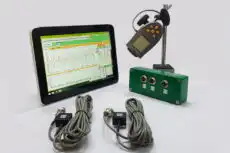
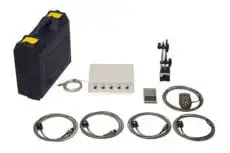
رجحان تجزیہ صرف مستقل طور پر وائرڈ پلانٹس تک محدود نہیں — یہ پورٹیبل آلے سے باقاعدہ روٹ بیسڈ ریڈنگز کے ساتھ بھی یکساں مؤثر ہے۔ ایک فیلڈ انجینئر ہر دورے پر کسی مشین کی مجموعی سطح اور اہم سپیکٹرل بینڈز ریکارڈ کر سکتا ہے اور متواتر سروے کے ذریعے ایک بامعنی رجحان تشکیل دے سکتا ہے۔ بیلنسیٹ -1 اے، ایک پورٹیبل دو چینل تجزیہ گر، طول و عرض کیپچر کرتا ہے، مرحلہ اور سپیکٹرل ڈیٹا جو اس طرح کے رجحان کو پروان چڑھاتا ہے، اور جہاں رجحان عدم توازن کو محرک کے طور پر اشارہ کرے، وہی آلہ فیلڈ توازن انجام دیتا ہے جو اسے درست کرتا ہے — بڑھتے ہوئے رجحان کا پتہ لگانے اور مشین چھوڑے بغیر اس پر عمل کرنے کے درمیان لوپ بند کر کے۔
۸. تجزیے کو فیصلوں میں تبدیل کرنا
رجحان تجزیے کا حتمی حاصل ایک فیصلہ ہے۔ پہلا وقت کا تعین ہے: مینٹیننس اس وقت شیڈول کریں جب رجحان بتائے کہ لمحہ موزوں ہے — نہ اتنا قبل از وقت کہ اچھی بقیہ عمر ضائع ہو، اور نہ اتنا دیر سے کہ ناکامی کا امکان بڑھ جائے — اور اس موقع کو پیداوار کے ساتھ ہم آہنگ کر کے خطرے اور موقع کی لاگت میں توازن قائم کریں۔ دوسرا وسائل کی تقسیم ہے: ایسے آلات کو ترجیح دیں جن کے رجحانات سب سے زیادہ تشویش ناک ہوں، مستحکم مشینوں پر کام مؤخر کریں، اور اسپیئر پارٹس کی انوینٹری اسی کے مطابق رکھیں۔ تیسرا تحقیق ہے: تیز ہوتا رجحان جڑ کی وجہ تلاش کرنے کا باعث بننا چاہیے تاکہ بنیادی مسئلے کو — محض اس کی علامت کو نہیں — حل کیا جائے اور تکرار روکی جائے۔ بصری پیٹرن پہچان، شماریاتی طریقہ کار اور تجربہ کار انجینئرنگ فیصلے کے ذریعے، رجحان تجزیہ ابتدائی خرابی کا پتہ لگانے، ناکامی کی پیش گوئی اور بہترین وقت بندی فراہم کرتا ہے جو کامیاب کنڈیشن بیسڈ مینٹیننس پروگرام کی پہچان ہیں۔

