Razumevanje API 684 standarda
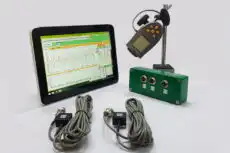


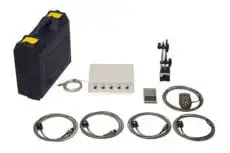



API 684 (standard Američkog instituta za naftu 684: “API Standard paragrafi vodiča za rotordinamiku: lateralne kritične brzine, odziv na nebalansiranrost, stabilnost, torzioni vlakova i balansiranje rotora”) je sveobuhvatan dokument vodiča koji objašnjava kako izvršiti dinamika rotora analizu na turbomašinama. Za razliku od preskriptivne specifikacije, API 684 je edukativna: uči inžinjere kako da izračunaju kritične brzine, predvidi neuravnoteženost odgovor, ocijenite rotor stabilnost, procijeni torzijska vibracija, i utvrdite balansiranje zahtjeve za opremu koji se pokrivaju drugim API standardima (API 610 pumpe, API 617 kompresori, API 612 parne turbine).
1. Definicija: Šta je API 684?
API 684 služi kao teorijska osnova i analitički vodiči koji podupiru zahtjeve vibracija napisane u različitim API standardima opreme. Gdje ti standardi navode šta rotor mora postići, API 684 pruža kako i zašto — metode analize, derivacija kriterija prihvatanja, i pristupe rješavanju problema na koje se inženjeri rotirajuće opreme i analitičari oslanjaju. Njegov tutorial stil znači da se čita kao udžbenik koliko i standard, što je upravo razlog zašto se koristi za obuku.
2. Struktura standarda
API 684 je organiziran u tri tutorial dijela, krećući se od lateralnog ponašanja kroz torzijsko ponašanje do balansiranja.
Dio 1: Lateralna dinamika rotora
- Analiza kritične brzine: metode za izračunavanje lateralnih kritičnih brzina i povezane oblici modova.
- Odziv na debalans: predviđanje vibracija rotor će proizvesti kao odgovor na datu distribuciju neubalansiranoga.
- Analiza stabilnosti: procjena koliko margine rotor ima prije nego što se postavi samopobuđena nestabilnost.
- Tehnike modeliranja: metode konačnih elemenata i transfer-matrice za građenje modela rotor-ležaja.
- Kriteriji prihvatanja: kako suditi je li rezultati analize prihvatljivi.
Dio 2: Analiza torzionskih vibracija vučnog reda
- Torzijske vlastite frekvencije: metode proračuna za cijeli red vratila.
- Prisilni odziv: predviđanje torzijskih vibracija na osnovu poznatih izvora pobude.
- Analiza prelaznih stanja: pokretanje, gašenje i stanja greške kao što su torzijski momenti kratkog spoja.
- Prihvatanje: ograničenja naprezanja i margine odvajanja za sigurnu eksploataciju. Šira disciplina je obuhvaćena u analizi torzijskih vibracija.
Dio 3: Balansiranje rotora
- Kriteriji balansiranja: primjena ISO klase kvalitete balansiranja (G-klase) — sada definirane u modernoj seriji ISO 21940-11, koja je zamijenila stariju ISO 1940-1.
- Balansiranje u fabrici: postupci i tolerancije za mašinu za balansiranje.
- Terensko balansiranje: metode korekcije na mjestu na montiranoj mašini.
- Balansiranje fleksibilnog rotora balansiranje: posebna razmatranja koja se primjenjuju kada se rotor savija blizu ili iznad njegove kritične brzine.
3. Ključni koncepti obrađeni
Nekoliko ponavljajućih pravila projektovanja leži u srcu dokumenta:
- Margine odvajanja: brzina rada trebala bi biti najmanje 15–20% udaljena od bilo koje kritične brzine, sa većim marginama zahtijevanim za sisteme s malom prigušenjem. API 684 pruža smjernice za procjenu da li je margina adekvatna.
- Zahtjevi prigušenja: minimum prigušenje nivoi za sigurnu operaciju, izraženi kroz kriterije logaritamskog dekrementa i ograničenja faktora pojačanja na svakoj kritičnoj brzini.
- Kriteriji stabilnosti: analitičke metode za predviđanje početka nestabilnosti, određivanje praga stabilnosti i odabir ležaja koji održavaju rotor stabilnim.
4. Praktična primjena tokom životnog ciklusa mašine
API 684 se koristi u tri različite faze.
Faza projektovanja
Proizvođač provodi analizu rotorske dinamike koristeći metode API 684, predviđa kritične brzine i odgovore neuravnoteženosti, dokumentuje rad u pristupu dobavljača, a kupac pregleda i odobrava prije nego što se počne s proizvodnjom.
Puštanje u rad
Kada mašina počne sa radom, mjereno ponašanje se uspoređuje sa predviđanjima: kritične brzine se provjeravaju da padnu u predviđeni raspon (obično ±15%), odgovori neuravnoteženosti se potvrde da se podudaraju sa proračunima, i Campbell dijagrami se potvrđuju prema ugrađenom rotoru.
Rješavanje problema
Kada se problem pojavi tijekom eksploatacije, smjernice API 684 pomažu pri dijagnostici: model rotorske dinamike se ažurira iz testnih podataka, predložene izmjene se procjenjuju, i njihovi efekti se predviđaju prije nego što se bilo koja promjena provede.
5. Odnos prema ostalim API standardima i njegova vrijednost
API 684 je vezivno tkivo između standarda opreme. API 617 (kompresori) na njega se poziva za zahtjeve rotorske dinamike i precizira da analiza mora pratiti metode API 684, s kriterijima prihvatanja izvedenim iz njegovih principa. API 610 (pumpe) temelji svoje zahtjeve za kritičnom brzinom, rotorskom dinamikom i balanseranjem na istom dokumentu. API 612 (parne turbine) zahtijeva i bočnu i torzijsku analizu prema API 684. Također dopunjava zahtjeve zaštite mašinerije API 670, koja upravlja instrumentacijom nadzora koja prati rotor tijekom eksploatacije.
Vrijednost ove zajedničke osnove je trostruka. Nudi industriji standardizovan pristup — zajedničku metodologiju koja daje konzistentnu kvalitetu analize i omogućava kupcima da budu na ravnopravnim uslovima pri poređenju dobavljača. Njen tutorijalni format čini je pravim obrazovnim resursom i alatom za obuku, a ne samo listom zahtjeva. A pošto je izgrađena na desetljećima dokazane prakse, uključuje lekcije stečene na težak način, smanjujući rizik od neadekvatne analize i povećavajući pouzdanost opreme.
6. Ko izvršava analizu i šta isporučuje
Analizu izvršavaju proizvođači opreme (OEM-ovi), inženjerske konjukcije, specijalizirani konsultanti za dinamiku rotora i odjeljenja inženjerstva krajnjeg korisnika — rad koji zahtjeva namjensku softver i iskusne analitičare. Tipičan paket isporuke uključuje izvještaj o dinamici rotora, Campbell dijagrame, prognoza odziva nerazvršenosti, analizu stabilnosti, torzijsku analizu gdje je primjenjiva, i preporučene raspone brzina rada. Dok API 684 upravlja dubinskom analitičkom radom na kritičnoj turbomašineriji, svakodnevna provjera koju ultimativno zahtjeva — potvrda stvarnog odziva nerazvršenosti i podešavanje rotora u sopstvenim ležajevima — je upravo ono što prenosiva dvokanalska analizator kao što je Balanset-1A radi na mjestu, mjerujući 1× amplitudu i fazu te balansirajući do klase ISO 21940-11.

