Razumijevanje bazne vrijednosti u analizi vibracija




Osnovna vrijednost — također se naziva baznim podacima ili referentnom signaturom — je prvi niz vibracija mjerenja zabilježena kada je mašina nova, nedavno puštena u rad ili u nekom drugom poznatom dobrom stanju. To je mjera prema kojoj se procjenjuje svako sljedeće čitanje, i to je ono što omogućava praćenje stanja programu da razlikuje između “normalnog rada” i “početka otkazivanja.” Dobar bazni nivo hvata ukupne nivoe, spektra frekvencije, vremenski oblici signala i faza na svakoj tački mjerenja i u svakom smjeru — ukratko, otisak zdravog stroja.
Tačni podaci baznog stanja su temelj efikasnog prediktivno održavanje. Bez toga, trend nema referentne točke, i ostajete u neizvjesnosti je li današnje očitanje normalno za taj stroj ili rani znak problema. Usko povezani koncept referentni podaci pokriva istu ideju sa strane upravljanja podacima.
1. Zašto su podaci baznog stanja važni
Bazno stanje opravdava se na četiri jasna načina:
- Omogućava detekciju promjena. Trenutna očitanja se porede sa baznim stanjem; devijacije signaliziraju razvijajuće probleme, male izmjene se hvataće rano prije nego što postanu ozbiljne, a razlika kvantificira koliko se stroj udaljio (na primjer, postotni porast od baznog stanja).
- Uspostavlja normalne karakteristike rada. Dokumentira kako izgleda “dobro” za ovaj specifičan stroj, uzimajući u obzir dizajne koji su inherentno grubiji od ostalih, postavljajući realne očekivanja i povlačeći jasnu liniju između normalnog i abnormalnog.
- Sidri granične vrijednosti alarma. Nivoi alarma često se postavljaju kao višekratnici osnovne vrijednosti (2×, 3×, 4×), što ih čini specifičnim za mašinu umjesto generičkim, osjetljivijim na promjene te konkretne jedinice, i manje podložnim lažnim alarmima.
- Čini trendove smislenim. Crtanje trenutnih podataka u odnosu na bazno stanje tokom vremena pokazuje brzinu promjene, predviđa kada će biti potrebna intervencija, i potvrđuje je li popravka zaista uspješna.
2. Kada uspostaviti bazno stanje
Idealna vremena
- Puštanje u rad nove opreme: nakon instalacije, usklađivanja i početnog pokretanja — najbolji mogući trenutak.
- Nakon većeg remonta: nakon rekonstrukcije, prenamjene ili zamjene ležaja.
- Nakon balansiranje: kada je vibracija smanjena na prihvatljivu razinu.
- Nakon što je potvrđeno dobro stanje: kada je mašina potvrđena da radi ispravno.
Prihvatljivo vrijeme
- Pokretanje programa: kada započne monitoring stanja, koristite trenutno stanje pod uslovom da je mašina funkcionalna.
- Nakon manjeg održavanja: rutinski radovi koji ne dodiruju glavne komponente.
- Referentna vrijednost flote: prosjek iz nekoliko identičnih jedinica u dobrom stanju.
Loše vrijeme (izbjegavati ako je moguće)
- Kada mašina već ima poznat problem.
- Tijekom nenormalnih uslova rada.
- Kada trend već raste.
- Odmah nakon pokretanja, prije temperaturne stabilizacije.
3. Šta uključiti u referentnu vrijednost
Parametri vibracije
- Ukupni nivoi: RMS brzina, vršna vrijednost ili ubrzanje na svakoj točki.
- Frekvencijski spektri: FFT prikazujući sve frekvencijske komponente.
- Vremenski oblici signala: sirovi signal vibracija naspram vremena.
- Faza: fazni uglovi na dominantnim frekvencijama — posebno radnom brzinom (1×) komponenta.
- Više smjerova: horizontalni, vertikalni i aksijalni na svakom ležaju.
Radni uslovi
- Brzina: stvaran broj okretaja tokom mjerenja.
- Opterećenje: radna opterećenja ili izlazna snaga.
- Temperatura: temperatura ležaja i procesa.
- Pritisak/protok: parametri procesa za pumpe, ventilatore i kompresore.
- Okolina: temperatura okoline i vlažnost gdje je relevantno.
Informacije o opremama
- ID opreme, lokacija i opis.
- Datum bazne mjerenja.
- Lokacije mjerenja i tipovi senzora.
- Postavke instrumenta (raspon frekvencije, rezolucija, usrednjavanje).
- Bilo koje posebne bilješke ili zapažanja.
Razlog za pažljivo bilježenje brzine i opterećenja je taj što vibracija zavisi od obojega. Bazna mjerenja snimljena pri 80% opterećenja nisu uporediva s očitavanjem pri punoj opterećenju, pa uslovi moraju biti oni koje možete reproducirati.
4. Kvaliteta baznih podataka
Uslovi mjerenja
- Toplinska ravnoteža: mašina na punoj radnoj temperaturi.
- Ustaljeno stanje: stabilni uslovi, ne prelazno stanje.
- Reprezentativnost: normalna radna tačka, ne pokretanje niti gašenje.
- Ponovljivost: uslovi koji se mogu ponoviti u budućnosti.
Kvaliteta podataka
- Više mjerenja: izvršiti tri do pet mjerenja, zatim usporediti ili potvrditi da se slažu.
- Odgovarajuća rezolucija: dovoljno spektralnih linija za razrješavanje važnih komponenti.
- Puni frekventni raspon: zabilježiti sve relevantno, od niske frekvencije do 10 kHz gdje greške u ležajima uživo.
- Nizak šum: čist odnos signala i šuma, što u praksi znači dobro pričvršćeni akcelerometar.
5. Korištenje referentnog mjerenja za usporedbu
Numerička usporedba. Izračunajte postotnu promjenu kao [(Current − Baseline) / Baseline] × 100. Tipični kriteriji alarma iznose +50%, +100% i +200%, sa različitim pragovima za različite parametre. Ovaj jednostavan omjer je osnova većine analiza trenda.
Spektralna usporedba. Nanesite trenutno spektar na referentni spektar i potražite nove vrhove (nove greške), rast amplitude na postojećim vrhovima i bilo koje pomaknute komponente. Ovo je gdje se pokazuje dijagnostička vrijednost pohranjenog spektra — umjesto jednog ukupnog broja — doista bljesca.
Usporedba valnog oblika. Usporedite oblike vremenskih valnih oblika kako biste detektovali promjene u periodičnosti, početak udaranja ili clipping. To je subjektivnije, ali otkriva promjene u karakter što skriva ukupan broj.
6. Ažuriranje i održavanje referentne vrijednosti
Kada ažurirati
- Nakon većih popravki: nova referentna vrijednost nakon generalnog pregleda, ponovno balansiranja ili poravnanja.
- Izmjene opreme: bilo koja promjena u konfiguraciji mašine.
- Trajne promjene radnih uvjeta: trajna promjena brzine, opterećenja ili procesa.
- Poboljšano stanje: nakon uspješnog smanjenja vibracija.
Kada se NE treba ažurirati
- Nakon što su vibracije rasle — izbrisali biste upravo historiju trenda koja upozora na neuspjeh.
- Tijekom abnormalnih uvjeta.
- Nakon manjeg održavanja koje ne utječe na karakter vibracija.
- Samo zato što je vrijeme prošlo; referentna vrijednost trebala bi biti stabilna referenca.
Kontrola verzije
- Arhivirajte stare referentne vrijednosti umjesto da ih prepisujete.
- Dokumentirajte razlog za svaku promjenu referentne vrijednosti.
- Datumsku i identificirajte svaku verziju.
- Čuvajte potpuni historijski zapis.
7. Fleet i Opšte Bazne Linije
Za lokacije sa nekoliko identičnih mašina, osnovna vrijednost flote — usrednjena od većeg broja uređaja u dobrom stanju — predstavlja tipičan zdrav potpis i korisna je za nove uređaje ili nakon popravke, mada bi individualne bazne linije trebale i dalje biti razvijane tokom vremena. Gdje su podaci specifični za mašinu uopće dostupni, opšte industrijske bazne linije preuzete iz standarda kao što su ISO 20816-1 (moderni naslednik ISO 10816) ili iskustva daju tipične nivoe po vrsti mašine. Manje su specifične ali boljih od ničega — a logično se povezuju sa formalnim severiteta vibracija zone.
8. Česte Greške i Najbolja Praksa
Ponavljajuće greške su lako nazvati: pokretanje monitoringa sa bez osnovne vrijednosti uopće; hvatanje loše kvalitetne bazne linije tijekom abnormalnih uslova ili sa nebriživom tehnikom; oslanjanje na jedno mjerenje bez provjere ponovljivosti; neadekvatan opis uslova i postavki; postavljanje bazne linije dok je greška već prisutna; i previše česta ažuriranja, što odbacuje istoriju trendova.
Najbolja praksa je zrcalna slika. Pri uspostavljanju bazne linije, skupi sveobuhvatna mjerenja u svim tačkama i smjerovima, ponovi ih da potvrdiš ponovljivost, u potpunosti dokumentuj uslove, čuvaj spektre i talasne oblike (ne samo ukupne nivoe) i fotografiraj mjerne lokacije kako bi se tokom sljedećeg mjerenja identično zauzeli. Pri upravljanju baznim linijama, održavaj centralizovanu bazu podataka, primjeni kontrolu verzija i napomene o promjenama, periodički pregledaj i validiraj, arhiviraj istorijske verzije i obučavaj osoblje zašto je bazna linija važna.
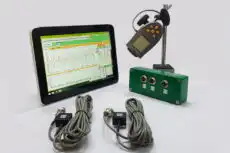
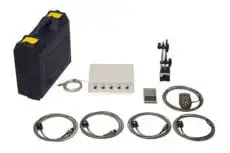
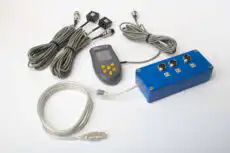
Na terenu, hvatanje prve reference je prirodni dio puštanja u pogon. Kada je rotor uravnotežen i usmjeren, inženjeri koriste prenosivi instrument sa dva kanala kao što je Balanset-1A za snimanje ukupne razine, amplitude 1× i faze, spektra i valnog oblika na svakom ležaju — čistog, post-korekcijskog snimka koji postaje referentna vrijednost stroja i sidro za svaku buduću usporedbu. Kada referenca postoji, Kalkulator ukupne razine vibracija pomaže da se kasniji spektri pretvore u jednu poredjivu brojku za trendiranje.
Podaci o referentnom stanju su, u krajnjoj liniji, temeljac vibracijskog monitoriranja. Hvatanje mjerenja visoke kvalitete dok je stroj zdrav, njihovo temeljito dokumentovanje i zaštita integriteta tijekom ažuriranja samo kada je to stvarno opravdano upravo je ono što omogućava smisleno trendiranje i ranu detekciju kvarova — i upravo to čini da strojevi rade a održavanje bude na vrijeme.

