Razumijevanje Brzine Vrtnje (1X)


Brzina obrtanja je osnovna frekvencija u analizu vibracija koja odgovara brzini vrtnje vratila mašine — frekvencija na kojoj vratilo izvršava jedan puni okret. U terminologiji vibracija gotovo se uvijek piše kao 1X. To je referentna točka gotovo svakog dijagnostičkog rada: čim znaš gdje se 1X nalazi u spektar, većina ostalih frekvencija od interesa može se očitati kao višekratnici (harmonici) ili razlomci (subharmonike) toga.
1. Definicija: Što je Brzina Vrtnje?
Ako ventilator radi pri 1800 obrtaja u minuti (RPM), njegova 1X frekvencija radne brzine iznosi 1800 CPM (ciklusa u minuti), što odgovara 30 Hz (1800 ÷ 60). Konverzija je jednostavno Hz = RPM ÷ 60, i vrijedi imati obje jedinice na umu jer se spektri ponekad prikazuju u CPM, a ponekad u Hz.
Frekvencija 1X služi kao primarni referentni bod gotovo u svim dijagnostičkim radovima. Mjerenje je rijetko značajno kada je izolano; značaj dobija kada se izrazi u odnosu prema brzini vrtnje vratila. Zato je pronalaženje 1X prvom što analitičar radi s bilo kojim novim spektrom.
2. Zašto je 1X Tako Važna?
Frekvencija 1X je važna jer mnogi od najčešćih i najznačajnijih kvarova mašina stvaraju vibracije upravo na ovoj frekvenciji. Visoka razina na 1X je sama po sebi jasan indikator da nešto nije u redu — a obrazac što je okružuje obično vam govori što.
Česti kvarovi koji se manifestiraju na 1X uključuju:
- Neuravnoteženost: Najčešće uzroku visokih vibracija na 1X. Nejednolik raspored mase stvara centrifugalna sila koji se vrti brzinom vratila, stvarajući čistu sinusoidnu vibraciju na 1X. Čista nepobalansiranost pokazuje malo ili nema harmonijskog sadržaja.
- Neporavnanje: Često dominira jak 2X komponenti, ali kutna i paralelna neusklađenost također mogu značajno povećati 1X.
- Savijena osovina: Mehanički se ponaša kao oblik nepobalansiranosti, stvarajući visok 1X vrh (često s jakom aksijalno komponenta koja pomaže razlikovati je).
- Ekscentricitet: Ekscentrična remenica, zupčanik ili jezgro rotora stvara 1X vrh jer njegov rotirajući visoki dio pritiska na sistem jednom po okretaju.
- Rezonanca: Ako je struktura prirodna frekvencija blizu radne brzine, čak i mali ulazni signal — manji disbalans, recimo — je uvelike pojačan, što proizvodi izuzetno visoku vibraciju na 1X. Zbog toga je odnos između 1X i bilo koje bliske kritična brzina tako važan.
Pošto se tako mnoge uzroke preklapaju na 1X, amplituda sama po sebi nije dijagnoza. Presudni korak je mjerenje 1X faza kao i faze, što odvaja disbalans od savijene osovine, mekog stopala ili rezonancije.
3. Harmonici i sub-harmonici radne brzine
Kada je 1X identificiran, ostatak spektra može se interpretirati u relaciji s njim:
- Harmonici (2X, 3X, 4X, …): Cijeli višekratnici radne brzine. Oni obično ukazuju na neporavnanje (izražen 2X), mehanička labavost (dugačka serija harmonika) i drugi nelinearni efekti. Kvaliteta oblik harmoničke obitelji je često dijagnostičnija od samog 1X.
- Sub-harmonici (0,5X, 1/3X, …): Dijelovi radne brzine, obično povezani s nestabilnosti uljnog filma u kliznih ležaja — klasičan vrtložno kretanje ulja pojavljuje se blizu 0,4–0,48X — ili s labavošću u kućištu ležaja. Oni spadaju u širu kategoriju sub-sinhrone vibracije.
Opisivanje frekvencija kao višekratnika temeljne brzine je osnova Analiza redova (Order Analysis). Na strojevima s promjenjivom brzinom, praćenje vibracije prema “redovima” umjesto u fiksnim Hz je bitno, jer se svaki vrhunac povezan sa brzinom kreće s osovinom dok strukturne rezonancije ostaju na mjestu — i ta razlika je upravo kako ih razlikujete. Ono što Kalkulator harmonijskih frekvencija pretvara RPM u njegove frekvencije reda 1×–10× za brzu referencu.
4. Kako se mjeri radna brzina?
Brzina vrtnje se određuje na jedan od dva načina:
- Iz spektra vibracije: U većini slučajeva jasan pik odgovara rotaciji vratila, i obično je to prvi značajniji pik koji analitičar identifikuje. Ovo dobro funkcionira kada mašina radi na stabilnoj, poznatoj brzini.
- Koristeći tahometar: Tahometar daje direktno, nedvosmisleno mjerenje brzine generirajući jedan impuls po okretaju, koji se dovodi u vibracijski analizator. Ovo ne samo da potvrđuje 1X frekvenciju, već otključava i napredne tehnike kao što su analiza faze i analiza reda.
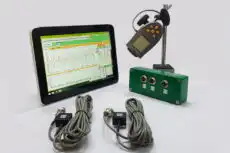
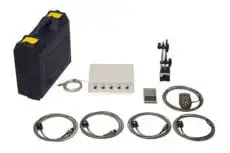
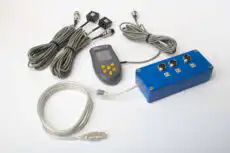
Tahometar je ono što čini 1X djelotvornom umjesto samo vidljive. Prenosivi dvokanalnih instrument kao što je Balanset-1A prima njegov signal brzine od optičkog tahometara koji aktivira reflektivnu traku reflektivne trake, zaključava vibracione podatke na ugao vratila i prikazuje sinhronu 1× amplitudu i fazu. Ta fazna referenca je upravo ono što pretvara vrh 1X neuravnoteženosti u ponovljivo očitavanje amplitude i faze. Izmjerena faza je fazna vrijednost odziva u odnosu na tahometarsku oznaku — a ne sam ugao teške tačke — jer odziv kasni za teškom tačkom za iznos koji zavisi od toga koliko je radna brzina blizu rezonanci, plus kašnjenja instrumenata — pa se metoda koeficijenta uticaja (probni uteg) koristi za pretvaranje tih očitavanja u mase korekcije poznatih dimenzija i lokacije tijekom terensko balansiranje.

