Razumijevanje montaže senzora
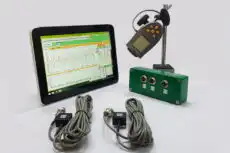
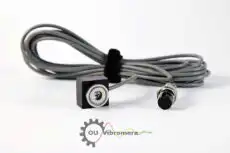
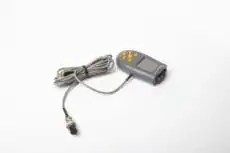
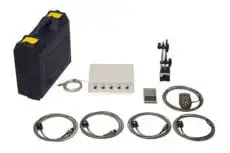
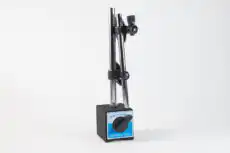

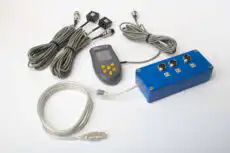
Montaža senzora je metoda i hardver koji se koristi za prikačavanje vibracija senzori — akcelerometri i senzore brzine — na površinu mjerenja na stroju. To je mnogo više od mehaničkog detalja: metoda montaže kritično određuje kvalitetu mjerenja, iskoristivu frekvencija odgovor i pouzdanost. Dobar nosač kreira krut mehanički spoj koji vjerno prenosi vibracije sa stroja u senzor bez dodavanja rezonanci ili gubitaka; loš ograničava frekventni odgovor, uvodi greške amplitude ili dozvoljava da senzor padne.
Metoda mora biti prilagođena poslu. Trajno nadziranje zahtijeva trajnu montažu (vijke); rutinska mjerenja koriste magnetne nosače za brzinu; ručni kontakt je prihvatljiv samo za brzo skrining. Razumijevanje kako svaki nosač utječe na performanse senzora je esencijalno za dobivanje točnih, ponovljivih podataka — i ovo je formalizirano u ISO 5348, standard za mehaničku montažu akcelerometara.
1. Upoređeni Metodi Montaže
Montaža na Vistu — Najbolja Performansa
Metoda: senzor se pričvršćuje na navoj sa integralnim vistom, sa tankim slojem veznog sredstva (mast ili ulje) između dodirnih površina, zategnut prema specifikaciji (obično 20–40 in-lb).
- Frekventni raspon: punih mogućnosti senzora, od DC do 20+ kHz.
- Rezonancija montaže: obično iznad 30 kHz, dobro izvan dijapazona merenja.
- Ponovljivost: odlično.
- Stabilnost: trajno i sigurno.
Primjene: instalacije za trajni monitoring, kvar ležaja detekcija koja zahteva visoke frekvencije, kritična merenja i referentna merenja.
Montaža Adhezivom — Odličnih Performansi
Metoda: senzor se lepí sa cijanokrilatomom (super lepak), epoksidom ili specijalizovanim adhezivom u tankom, ravnomernom sloju, omogućavajući semi-trajnu instalaciju.
- Frekventni raspon: do 7–10 kHz (vrlo dobro).
- Rezonancija montaže: 15–20 kHz.
- Ponovljivost: dobra, pod uslovom da je sloj adheziva primenjen dosljedno.
- Stabilnost: trajna dok se namerno ne ukloni.
Primjene: privremene instalacije koje traju nedelje do mesece, situacije gde nije dozvoljeno bušenje rupa, laka mehanizacija, i većina opšte vibracionalne analize.
Magnetna Montaža — Dobra za Rutinsku Analizu
Metoda: baza sa permanentnim magnetom se pričvršćuje na ferozne površine, omogućavajući brzo pričvršćivanje i uklanjanje bez pripreme površine.
- Frekventni raspon: do 2–3 kHz (zadovoljavajuće za većinu mehanizacije).
- Rezonancija montaže: 4–7 kHz, što ograničava merenja visokih frekvencija.
- Ponovljivost: zadovoljavajuća, u zavisnosti od kontakta površine.
- Stabilnost: može se odvojiti ako je vibration ozbiljna ili je površina masna.
Primjene: rutno zasnovano nadzor stanja, opšta vibration mašineria, brze provjere i pregledi, te svuda gdje je pogodnost važnija od maksimalnih performansi.
Ručni / Sonda — Samo kvalitativno
Metoda: senzor sjednje na vrh sonde koji se drži na površini rukom. Kontaktna sila varira i nema čvrste veze.
- Frekventni raspon: do 500–1000 Hz maksimalno.
- Ponovljivost: loše.
- Tačnost: moguća je varijacija od ±20–50%.
- Stabilnost: drhtanje ruke i promjenjiva kontaktna sila pokvaruju mjerenje.
Primjene: samo za brze preglede, identifikacija većih problema te nedostupne lokacije — nije prikladno za kvantiativnu analizu niti za praćenje trenda.
2. Priprema površine
Za najbolje performanse
- Čista površina: ukloniti boju, hrđu, ulje i nečistoće.
- Ravna površina: piliti ili brušiti ako je potrebno da se osigura potpuni kontakt.
- Glatka površina: ukloniti dobre točke i hrapavost.
- Sredstvo za vezanje: nanijeti tanki sloj masti, ulja ili specijaliziranog kuplanda.
Zašto je ravnost važna
- Ravnost je ključna za čvrstu vezu.
- Razmaci omogućavaju senzoru da se njiše, smanjujući frekvencijski odziv.
- Zračni razmaci funkcioniraju kao opruge, što smanjuje rezonancija montaže.
- Ravnost od 0,02 mm (0,001 in) je idealna.
3. Odabir mjesta montaže
Idealna mjesta
- Ležajne kuće, što bliže izvoru vibracija.
- Putanje strukture sa krutom, direktnom vezom na ležajeve.
- Izbjegavati fleksibilne poklopce i limenu ploču.
- Izbjegavati čvorove ili druga područja niske odgovora.
Dostupnost
- Siguran pristup za tehničare.
- Jasan vidokrug ili doseg.
- Zaštićeno od oštećenja i ne nalazi se u hodnicima.
- Praktičan rad kabela.
Smjer
- Radijalna mjerenja okomita na vratilo.
- Aksijalna mjerenja paralelna sa vratilom.
- Obično mjeriti horizontalno, vertikalno i ponekad aksijalno na svakoj točki.
4. Kako montaža ograničava odziv frekvencije
Svaki nosač ponaša se kao mali sistem masa-opruga čija krutost određuje rezonantnu frekvenciju. Znatno ispod te rezonancije odziv je ravan i pouzdan; približavanjem i iznad nje očitavanje je izobličeno. Tabela sažima praktična ograničenja:
| Metoda montaže | Upotrebljiva frekvencija (kHz) | Rezonancija montaže (kHz) |
|---|---|---|
| Svornjak (idealno) | Preko 20+ | >30 |
| Ljepljivi | Do 7–10 | 15–20 |
| Magnetni | Do 2–3 | 4–7 |
| Ručni | Do 0,5–1 | 2–3 |
Praktično pravilo
- Frekvencije mjerenja treba držati znatno ispod rezonancije nosača. Za nedempovane akcelerometre, ISO 5348 preporučuje ostati na ili ispod otprilike 20% (jedne petine) rezonancije montiranog senzora, čime se greške amplitude ograničavaju na svega nekoliko procenata.
- Ograničenje od jedne trećine predstavlja samo grubo orijentaciono pravilo: pri jednoj trećini rezonancije očitavanje amplitude već je oko 10–12% previsoko.
- Iznad ovih granica, greške amplitude brzo rastu.
Možete staviti brojeve na ovo za danu masu senzora i krutost kontakta sa kalkulatorom rezonancije montaže akcelerometra, što je najbrži način da potvrdite da odabrana montaža neće utjecati na mjerenje ležaja.
5. Najbolje Prakse
Prilagodite metodu primjeni
- Analiza ležaja na visokoj frekvenciji: samo stud ili ljepilo.
- Općenita mašinerija ispod 1 kHz: magnetno je prihvatljivo.
- Pregled: ručno za brzinu, zatim potvrdite boljom montažom.
Trajne instalacije
- Izbušite i navrtajte rupe za stud montažu.
- Koristite spoj za zaključavanje navrtke.
- Zaštitite navrtane rupe kada se senzor uklanja.
- Dokumentujte svaku lokaciju mjerenja za ponovljivo praćenje.
Privremene instalacije
- Ljepilo za instalacije od više dana ili više sedmica.
- Magnetno za premjeravanje na rutama.
- Provjerite sigurnu pričvršćenost prije mjerenja.
- Očistite i magnetnu bazu i površinu za dobar kontakt.
Ista disciplina se primjenjuje na senzore prenosivog balansera. Kada izvršavate balansiranje na licu mjesta pomoću instrumenta kao što je Balanset-1A, ponovljivi amplituda i faza zavise od montaže svakog akselerometra na isti način u istoj točki pri svakom mjerenju — čavao ili čista magnetska baza na pripremljenom kućištu ležaja — tako da se odgovori probne mase mogu smisleno uspoređivati. Bez obzira na tip senzora, od piezoelektričnog akcelerometra na velometar, montaža temeljno određuje kvalitetu podataka. Prilagođavanjem tehnike zahtjevima, osiguravanjem krutog spajanja kroz pripremu površine i poštovanjem granica frekvencije zajedno se postižu točna, pouzdana mjerenja koja su neophodna za učinkovitu dijagnostiku i praćenje stanja stroja zavisi od.

