स्वतंत्रता की डिग्री (DOF) को समझना




यांत्रिकी और कंपन विश्लेषण, स्वतंत्रता की डिग्री (डीओएफ) एक वस्तु या प्रणाली की स्थिति और अभिविन्यास को पूरी तरह से वर्णित करने के लिए आवश्यक स्वतंत्र निर्देशांक की संख्या को संदर्भित करता है — सरल शब्दों में, एक प्रणाली जिन विभिन्न तरीकों से आगे बढ़ सकती है। यह अवधारणा यह समझने के लिए आधारभूत है कि कुछ भी कैसे कंपन करता है, क्योंकि स्वतंत्रता की डिग्री की संख्या सीधे निर्धारित करती है कि कितने प्राकृतिक आवृत्तियाँ and मोड आकार एक प्रणाली रख सकती है।
1. परिभाषा: स्वतंत्रता की डिग्री क्या हैं?
स्वतंत्रता की एक डिग्री (डीओएफ) एक स्वतंत्र तरीका है जिससे कोई द्रव्यमान कंपन के दौरान गतिज और संभावित ऊर्जा को संचित और विनिमय कर सकता है। प्रत्येक स्वतंत्र निर्देशांक एक संभावित गुंजन व्यवहार जोड़ता है, इसलिए डीओएफ की गिनती यह भविष्यवाणी करने का पहला कदम है कि कोई संरचना उत्तेजना के लिए कैसे प्रतिक्रिया देगी। नियम कंपन सिद्धांत के सभी भागों में सुसंगत है: एक प्रणाली जिसमें एन स्वतंत्रता की डिग्री है, उसके पास ठीक एन प्राकृतिक आवृत्तियां हैं, प्रत्येक का अपना मोड आकार है जो उस आवृत्ति पर हर भाग की सापेक्ष गति का वर्णन करता है।
2. डीओएफ के सरल उदाहरण
- एकल स्वतंत्रता की डिग्री (SDOF) प्रणाली: सबसे सरल कंपन करने वाली प्रणाली, आमतौर पर एक वसंत पर एक द्रव्यमान और एक डैम्पर के रूप में खींची जाती है। द्रव्यमान केवल एक दिशा में गति कर सकता है — कहते हैं, ऊपर और नीचे — इसलिए इसके पास एक डिग्री की स्वतंत्रता और ठीक एक प्राकृतिक आवृत्ति है। SDOF मॉडल कंपन सिद्धांत का प्रमुख उपकरण है क्योंकि यह द्रव्यमान की आवश्यक अंतःक्रिया को पकड़ता है, कठोरता and भिगोना एक एकल सुव्यवस्थित समीकरण में।
- दो स्वतंत्रता की डिग्री वाली प्रणाली: दो द्रव्यमानों की कल्पना करें जो एक दूसरे से और स्थिर बिंदुओं से वसंतों द्वारा जुड़े हुए हैं। प्रत्येक द्रव्यमान स्वतंत्र रूप से गति करता है, इसलिए प्रणाली का वर्णन करने के लिए आपको दो निर्देशांकों की आवश्यकता है — प्रत्येक द्रव्यमान की स्थिति। इसलिए इसके पास दो डिग्री की स्वतंत्रता और दो अलग-अलग प्राकृतिक आवृत्तियां हैं, प्रत्येक अपना मोड आकार उत्पन्न करती है (द्रव्यमान एक साथ, फिर विपरीत में गति करते हैं)।
3. वास्तविक दुनिया की संरचनाओं में डीओएफ
अंतरिक्ष में स्वतंत्र रूप से तैरने वाले एक छोटे कठोर शरीर के पास स्वतंत्रता की छह डिग्री — तीन अनुवाद और तीन घूर्णन हैं:
- अनुवाद X-अक्ष के साथ (आगे/पीछे)
- अनुवाद Y-अक्ष के साथ (बाएं/दाएं)
- अनुवाद Z-अक्ष के साथ (ऊपर/नीचे)
- घूर्णन X-अक्ष के बारे में (रोल)
- घूर्णन Y-अक्ष के बारे में (पिच)
- घूर्णन Z-अक्ष के बारे में (यॉ)
यह छः-डीओएफ चित्र ही कारण है कि मशीन के कंपन का वर्णन एक साथ कई दिशाओं में किया जाता है — रेडियल क्षैतिज, रेडियल ऊर्ध्वाधर और अक्षीय — और यह भी कि केवल एक दिशा में रखा गया सेंसर दूसरी दिशा में होने वाली गति को क्यों छोड़ सकता है। हालांकि, वास्तविक मशीनें और संरचनाएं सरल कठोर पिंड नहीं हैं; वे असंख्य आपस में जुड़े कणों से निर्मित निरंतर प्रणालियां हैं। सिद्धांत में एक निरंतर घटक जैसे एक स्टील बीम, एक रोटर या एक मशीन केसिंग के पास एक स्वतंत्रता की अनंत संख्या है, और इसलिए प्राकृतिक आवृत्तियों और मोड आकारों का एक अनंत स्पेक्ट्रम है।
4. कंपन विश्लेषण के व्यावहारिक निहितार्थ
यह तथ्य कि वास्तविक मशीनों के पास स्वतंत्रता की प्रभावी रूप से अनंत संख्या है, इसके एक महत्वपूर्ण परिणाम को वहन करता है: उनमें प्राकृतिक आवृत्तियों और संगत मोड आकृतियों की संख्या बहुत अधिक होती है।
- एकाधिक अनुनाद: एक मशीन का एक भी प्राकृतिक आवृत्ति नहीं होती बल्कि कई होती हैं। यही कारण है कि एक इकाई एक गति पर सुचारु रूप से चल सकती है फिर भी एक गूंज जब गति बढ़ती है और एक उच्च-क्रम की प्राकृतिक आवृत्ति को उत्तेजित करती है — और यही कारण है कि एक से गुजरना क्रांतिक गति चलाने पर कंपन में एक शिखर पैदा करता है।
- मॉडल विश्लेषण and ओडीएस विश्लेषण: ये उन्नत तकनीकें एक संरचना की विभिन्न प्राकृतिक आवृत्तियों से जुड़े मोड आकृतियों की पहचान करती हैं और उन्हें दृश्य रूप में प्रस्तुत करती हैं। पहला मोड एक सरल बंकन मोड हो सकता है, दूसरा एक मुड़ने वाला मोड हो सकता है, और इसी प्रकार अनुक्रम के ऊपर।
- परिमित तत्व विश्लेषण (FEA): डिज़ाइन में, इंजीनियर प्राकृतिक आवृत्तियों और मोड आकृतियों की भविष्यवाणी करने के लिए कंप्यूटर मॉडल का उपयोग करते हैं। FEA एक सतत संरचना को एक सीमित संख्या में छोटे तत्वों में विभाजित करता है (एक जाल), सिस्टम को विवेचना करता है — इसे अनंत DOF से एक बहुत बड़ी लेकिन सीमित संख्या तक कम करता है जिसे एक कंप्यूटर वास्तव में हल कर सकता है।
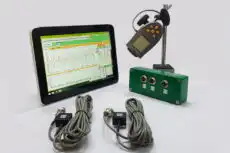
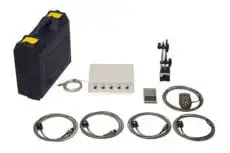
एक क्षेत्र विश्लेषक शायद ही कभी स्वतंत्रता की डिग्री को स्पष्ट रूप से गिनता है, लेकिन यह अवधारणा दैनिक कार्य के आधार को रेखांकित करती है। यह समझाता है कि क्यों मशीनें एक के बजाय कई गुंजन समस्याओं का सामना करती हैं, क्यों रोटर गतिकी व्यवहार गति के साथ अधिक समृद्ध हो जाता है, और यही कारण है कि मोडल विश्लेषण जैसी उन्नत उपकरण कभी-कभी एक जिद्दी कंपन समस्या को हल करने के लिए आवश्यक होते हैं। जब गुंजन का संदेह हो, तो एक व्यावहारिक पहला कदम यह अनुमान लगाना है कि एक प्राकृतिक आवृत्ति चलाने की गति के सापेक्ष कहाँ स्थित है; हमारा प्राकृतिक आवृत्ति कैलकुलेटर एक द्रव्यमान-स्प्रिंग प्रणाली के लिए एक त्वरित SDOF सन्निकटन देता है, जबकि रोटर क्रिटिकल स्पीड कैलकुलेटर सीधे शाफ्ट को लक्षित करता है। और मोडल विश्लेषण के लिए पहुंचने से पहले, सबसे आम एकल-आवृत्ति अपराधी — अवशिष्ट असंतुलन — को बाहर करने लायक है जो Balanset जैसे एक पोर्टेबल उपकरण के साथ है। Balanset-1A, जो मशीन की अपनी बीयरिंग में 1× प्रतिक्रिया को मापता है और पुष्टि करता है कि क्या समस्या बल्यात उत्तेजना है या संरचना का एक सच्चा गुंजन है।

