Тербелісті Бақылаудағы Ескерту Деңгейлерін Түсіну




A warning level аралық болып табылады қауіп сигналы шегіне көп деңгейлі тербелісті бақылау жүйесінде, бірінші төменгі деңгейлі дабыл мен критикалық қауіп деңгейінің арасында орналасады. Тербеліс vibration rises past the warning level it signals a confirmed, progressing problem that calls for planned maintenance — typically within one to four weeks. Conceptually the warning level aligns with operation entering Zone C of ISO 20816 (the modern successor to ISO 10816): unsatisfactory for prolonged continuous operation and requiring corrective action, yet not so severe that the machine must be stopped at once. The numeric value of that boundary is not universal — it comes from the machine-specific part of the standard and depends on machine group and support conditions.
Ескерту деңгейлері — бұл бастапқы іс-қимыл тудырғыштары болжамды ұстау мен қолдау бағдарламасында. Осы шектен өту дегеніміз — жоспарлы түрде араласу үшін уақыт терезесі ашылды: ақау нақты болып, дамып жатыр, бірақ жоспарлы тоқтату барысында жұмысты кестелеуге, бөлшектер дайындауға және жұмысты орындауға жеткілікті уақыт бар. Осы шекті дұрыс белгілеу — шикі техникалық жай-күйді бақылау деректерді үнемді шешімдерге айналдыратын нәрсе.
1. Дабыл иерархиясындағы орын
Ескерту деңгейі тек белгілі бір сатыдағы деңгейлі шектер баспалдағының бір сатысы ретінде ғана мағынаға ие болады, олардың әрқайсысы әртүрлі іс-қимылды талап етеді.
Көп деңгейлі жүйе
- Normal: барлық шектерден төмен — белгілі бір жағдайда қалыпты жұмыс baseline.
- Назар аудару / сақтық: бірінші шек — тексеруді қажет ететін ықтимал мәселе.
- Warning: расталған мәселе; техникалық қызмет көрсетуді жоспарлаңыз (осы деңгей).
- Қауіп / сыни жағдай: шұғыл іс-қимылды талап ететін ауыр жағдай.
- Аварилық тоқтату / іске қосқышты ажырату: the trip level авариялық тоқтатуды міндеттейтін жағдай.
Назар аудару деңгейі алғашқы белгілерді анықтайды; ескерту деңгейі мәселені растайды және жөндеу уақытын белгілейді; threshold жалпы құрылым жабдықты қорғайды.
Typical values
- Baseline-referenced: warning ≈ 4× the baseline vibration recorded when the machine was known to be healthy.
- Standards-based: warning set at an ISO 20816 zone boundary taken from the applicable machine-specific part, for the machine’s group and support conditions.
- Absolute: some ISO 10816/20816 machine-specific tables use values around 7.1 mm/s RMS as a zone boundary for particular machine groups and support conditions — but a real warning threshold should combine the applicable ISO 20816 part with baseline trends and machine criticality, not a single universal number.
- Equipment-specific: бір ережеге сүйенбей, машина түріне, өлшеміне және жылдамдығына сәйкес реттелген.
2. Ескерту деңгейінің маңыздылығы
Расталған мәселе
Ескерту деңгейінің асып кетуі шынайы, қайталанатын өзгерісті көрсетуі тиіс — өткінші ауытқуды немесе өлшеу қателігін емес. Ақау мынадай жолмен расталады: trending бірнеше дәйекті өлшемде байқалып, түзетуші іс-шара қажет болса, тек бақылауды жалғастыру енді жеткіліксіз.
Жоспарлау уақыт аралығы
Ескерту деңгейінің негізгі ерекшелігі — ол береді уақытты. Іс-қимыл реактивті емес, жоспарлы болуы мүмкін: бұл апаттық жағдай емес, бірақ уақыт аралығы да шексіз емес. Бір-төрт аптаға тән мерзім техникалық қызмет көрсетуді кестелеуге және өндірісті бұзбай бөлшектер тапсырыс беруге мүмкіндік береді.
Экономикалық оңтайландыру
Дұрыс белгіленген ескерту деңгейі екінші реттік зақымданудың алдын алуға жеткілікті ерте орнатылады — бұл шамалы bearing ақаудың біліктің (валдің) бұзылуына жол бермейді — бірақ araласудан бұрын бөлшектің пайдалы қызмет ресурсын пайдалану үшін жеткілікті кеш те. Ол мерзімінен бұрын және ысырапты техникалық қызмет көрсету мен ақаулыққа дейін жұмыс істеу тәуекелі арасындағы оңтайлы жөндеу мерзімін белгілей отырып тепе-теңдікті сақтайды.
3. Ескерту деңгейлерін орнату
Берілген машина үшін ескерту деңгейінің орналасуын бірнеше фактор анықтайды.
Жабдықтың маңыздылығы
- Өте маңызды машиналар: неғұрлым төмен, қатаң ескерту деңгейлері мерзімінен бұрын араласуды талап ету үшін жоғары басымдықтағы жабдық.
- Маңызды емес жабдық: ақаудың салдары шектеулі болған жерде жоғары, жұмсақ деңгейлер қолайлы.
- Safety impact: ақаудың қауіпсіздікке қатысы болған жерде неғұрлым төмен деңгейлер.
Ақаудың дамып жету жылдамдығы
- Баяу нашарлау: апта алдын алу уақыты қалғандықтан жоғарырақ ескерту деңгейі қолайлы.
- Жедел дамуы: анықтаудан бастап істен шығуға дейін тек күндер қалғанда төменгі деңгей қажет.
- Evidence base: осы жабдық түрі мен оның басым ақаулықтарының тарихи деректері негізінде белгіленеді ақаулықтың ауырлық дәрежелері.
Техникалық қызмет көрсетуді жоспарлау
- Деңгей тоқтату жұмысын жоспарлауға және жадвалдауға жеткілікті уақыт қалдыруы тиіс.
- Қосалқы бөлшектерді сатып алудың әдеттегі мерзімдерін ескеру қажет.
- Өндірісті жоспарлаудың шектеулерін сақтау қажет.
- Ескерту жеткілікті жоспарлау уақыты бар кезде іске қосылуы тиіс.
4. Ескерту деңгейі асып кеткен жағдайдағы іс-қимыл
Дереу қабылданатын шаралар
- Дабылды растаңыз: іс-қимыл жасамас бұрын оның жалған дабыл немесе өлшем қатесі еместігін тексеріңіз.
- Егжей-тегжейлі талдау: run a спектрлік (FFT) талдауы өсу себебі болған нақты ақаулықты анықтау үшін.
- Ауырлық бағалау: тербелістің қаншалықты жылдам өсіп жатқанын бағалаңыз.
- Жұмыс тапсырмасын жасаңыз: техникалық қызмет көрсетуді жоспарлау процесін бастаңыз.
- Мониторингті ұлғайту: дамуды бақылау үшін аптасына немесе күн сайынғы өлшемдерге көшіңіз.
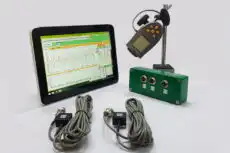
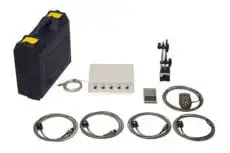
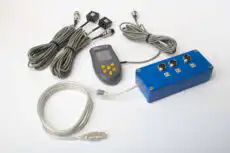
Спектр механикалық мәселеге нұсқаған жерде unbalance себеп ретінде анықталса, диагностика тікелей түзетуге өтуі мүмкін: мысалы, Балансет-1А сияқты екі арналы портативті аспап машинадағы 1× деңгейінің жоғарылауын орнында растай алады және ротормен балансыңыз сол бір келу барысында балансировкалай алады — бұл жиі бөлшектеусіз ескертуді жояды.
Іс-шараларды жоспарлау
- Қажетті жөндеу жұмыстары мен бөлшектерді анықтаңыз.
- Қажетті қосалқы бөлшектерді жеткізіңіз.
- Тоқтату терезесін жоспарлаңыз.
- Ресурстарды бөліңіз — персонал мен жабдықтарды.
- Нақты жұмыс нұсқауларын дайындаңыз.
Орындау мерзімі
- Маңызы аз жабдықтар: келесі қолайлы тоқтату кезеңі, шамамен 2–4 апта ішінде.
- Маңызды құрал-жабдықтар: 1–2 апта ішінде жоспарланған арнайы тоқтату.
- Сыни түрдегі құрал-жабдықтар: жеделдетілген жоспарлау, бірнеше күннен бір аптаға дейін.
- Adjust: вибрацияның өсу қарқынына сәйкес мерзімді қысқартыңыз немесе ұзартыңыз.
5. Құжаттама, Оңтайландыру және Жетілдіру
Сақталатын жазбалар
Әрбір машина үшін барлық дабыл шекті мәндерін, таңдалған деңгейлердің негіздемесін, олардың белгіленген күнін, кез келген кейінгі өзгерістерді, сондай-ақ бекіту мен тексеру процесін құжаттаңыз. Дабыл оқиғаларының журналдарын да жүргізіңіз: ескерту деңгейі қашан асылды, сол кездегі вибрация мәні мен тренді, тергеу нәтижелері, қабылданған шаралар және нәтижесімен бірге шешімі. Сапалы жазбалар тікелей машинаның’ диагностикалық есепке ұсынылған пайдалы жазба history.
Деңгейлерді реттеу
- Жалған дабылдарды бақылау: ақаулық анықталмаған дабылдар санын есепке алыңыз; жалған дабылдар үлесі 10%-дан аспауы тиіс, ал деңгейлер тым жиі іске қосылса — оларды жоғарылатыңыз.
- Өткізіп алынған істен шығулар талдауы: егер ескерту деңгейіне жетпей тұрып істен шығу орын алса, деңгей тым жеңіл орнатылған — шектік мәнді төмендетіңіз немесе бақылау жиілігін арттырып, келесі ақаулықты ертерек анықтаңыз.
- Үздіксіз жетілдіру: жыл сайын немесе кез келген маңызды оқиғадан кейін қайта қараңыз, жинақталған пайдалану тәжірибесін ескеріңіз және жабдықты жаңғырғаннан кейін деңгейлерді жаңартыңыз, барлық өзгерістерді құжатталған тізбекте сақтаңыз.
Ескерту деңгейлері — жоспарлы техникалық қызмет көрсетуді іске қосатын жай-күйді бақылау бағдарламасының іс-қимыл шектері. Бірінші сигнал мен шекті жай-күй арасында дұрыс орнатылса, олар оңтайлы араласу сәтін қамтамасыз етеді: ақаулықтар расталады, ал реттелген ден қою үшін уақыт әлі де бар. Бұл жоспарлы, үнемді техникалық қызмет көрсетуді іске асырады — болжамды техникалық қызмет көрсетудің негізгі уәдесі.

