Дабыл деңгейлерін түсіну




An alarm level (сондай-ақ дабыл шегі, дабыл шектеуі немесе дабыл орнату мәні деп аталады) — алдын ала белгіленген vibration мән; ол асып кеткен жағдайда жүйеде ескерту, хабарлама немесе автоматты түрде әрекет қосылады. condition-monitoring Дабыл деңгейлері рұқсат етілген және рұқсат етілмеген жұмыс аралығының шегін анықтайды; назар аударуды қажет ететін жағдайларды автоматты түрде белгілейді. Олар өлшеу деректерінің үздіксіз ағынын іс-қимылға шақыратын ақпаратқа айналдырады: шұғыл назар талап ететін ауытқуларды ерекшелеп көрсетеді.
Дабыл деңгейлерін дұрыс орнату бақылау бағдарламасының табысты болуы үшін маңызды: тым сезімтал болса жүйе жалған ескертулерден «дабыл шаршауын» тудырады; тым жұмсақ болса нақты мәселелерді асқынған кезге дейін байқамай қалады. Тиімді дабыл деңгейлері ерте анықтауды нақты жауап беру мүмкіндігімен теңестіреді, жабдықтың маңыздылығына, тарихи baseline data, және салалық стандарттарға сүйенеді.
1. Көп деңгейлі дабыл философиясы
Бір «өткізу/тоқтату» шегінің орнына жетілген бағдарламалар деңгейлік құрылым қолданады: ол өсіп келе жатқан үрдісті ерте ұстап, кезең-кезеңмен ескертуді күшейтеді. Типтік құрылым қалыпты жұмыс ауқымынан бастап автоматты аварияға дейін созылады:
- Normal range: ескерту деңгейінен төмен болса жабдық жұмысқа жарамды жағдайда және кезекті бақылау жалғасады. Әдетте базалық мәннің 1,5–2× деңгейінен төмен baseline, or below the ISO 20816 Zone B limit.
- Ескерту (абай болу): базалық мәннің шамамен 2–3× деңгейі, немесе ISO C аймағына кіру. Жай-күй нашарлап барады, себебін тексеру қажет — бақылау жиілігін арттырыңыз, тексеру жоспарлаңыз және trend. Мерзімі: апталар мен айлар ішінде техникалық қызмет көрсету.
- Дабыл (ескерту): базалық мәннің шамамен 4–6×, немесе C аймағының жоғарғы шегі. Шұғыл назар қажет ететін елеулі ақаулық — техникалық қызмет көрсетуді жақын арада жоспарлаңыз (күндер мен апталар), толық диагностика жүргізіңіз, күнделікті бақылаңыз. Мерзімі: 1–4 апта ішінде жөндеу. Бұл орта деңгей жиі warning level.
- Қауіп (критикалық): базалық мәннің шамамен 8–10×, немесе ISO D аймағына кіру. Бірден бұзылу қаупі бар ауыр жағдай — дереу shutdown және жөндеуді жоспарлаңыз. Мерзімі: күндер ішінде, жөндеуге дейін үздіксіз бақылаумен.
- Тоқтату (авариялық өшіру): апатты істен шығу қаупі туды; зақымдануды болдырмау үшін жабдықты тоқтату қажет. Іске асырылады желілік мониторинг автоматты өшіру мүмкіндігімен — бұл trip level.
2. Дабыл шектерін орнату әдістері
Сандық шектерді анықтаудың кеңінен қолданылатын төрт тәсілі бар, олардың әрқайсысының өз артықшылықтары мен шектеулері бар.
Базалық деңгейге негізделген дабылдар
Machine-specific limits derived from historical data — for example alert at 2× baseline, alarm at 4× baseline, danger at 8× baseline. The advantage is that they are customised to each machine’s normal operation; the requirement is good baseline data captured when the machine was known to be healthy.
Стандарттарға негізделген дабылдар
Шектер мынадан алынады: ISO 20816 немесе басқа салалық стандарттардан, мұнда аймақ шекаралары машинаның түрі мен өлшеміне байланысты дабыл деңгейлерін анықтайды. Артықшылығы — стандартталған және кеңінен қабылданған; кемшілігі — нақты машинаның жеке ерекшеліктеріне сәйкес келмеуі мүмкін. Машинаны тиісті аймақтарға қатысты орналастыруды мына құралмен анықтауға болады: ISO 20816 тербеліс аймақтары анықтаушы.
Статистикалық дабылдар
Тарихи деректердің орташа мәні мен стандартты ауытқуына негізделген шектер — орташа + 2σ кезінде ескерту, орташа + 3σ кезінде дабыл беріледі. Артықшылығы — әр машинаның табиғи өзгергіштігіне бейімделеді; талабы — статистиканы мағыналы ету үшін жеткілікті тарихи деректер болуы қажет.
Компонентке арналған дабылдар
Әртүрлі spectrum компоненттер үшін жеке шектер — 1× дабыл unbalance, dedicated bearing-frequency alarms, and gear-mesh дабылдар. Артықшылығы — нақты ақаулықты анықтау: жолақтық дабыл жалпы деңгей өзгермей тұрып, оған баптанған ақаулыққа ертерек жауап береді.
3. Дабылға ден қою рәсімдері
Дабыл деңгейі тек жауап рәсімі анықталған жағдайда ғана пайдалы. Әр деңгейдің өз іс-шаралары бар:
- Alert level: жалған дабыл еместігін тексеру үшін трендті қарап шығыңыз, бақылау жиілігін арттырыңыз, соңғы техникалық қызмет көрсету немесе жұмыс өзгерістерін тексеріңіз, егжей-тегжейлі талдауды жоспарлаңыз және жабдықты мұқият бақылаумен жұмысын жалғастырыңыз.
- Alarm level: егжей-тегжейлі талдау жүргізіңіз (FFT and конвертті анализы), нақты ақауды анықтап, жұмыс тапсырмасын жасаңыз, 1–4 апта ішінде техникалық қызмет көрсетуді жоспарлаңыз және жөндеу аяқталғанша күнделікті немесе үздіксіз бақылаңыз.
- Қауіп / ажырату деңгейі: инженерлік бағалауды дереу жүргізіңіз, жедел тоқтату мен жөндеуді жоспарлаңыз, қосалқы бөлшектер мен ресурстарды дайындаңыз, одан әрі жұмыс жасаудың қауіпсіздігін бағалаңыз және алғашқы мүмкіндікте жөндеуді орындаңыз.
4. Дабыл деңгейлерін орнатудағы жиі кездесетін қателер
Бақылау бағдарламаларында үш ақаулық режимі жиі қайталанады:
- Too sensitive: жалған дабылдардың жиіленуі, дабылдан шаршау (операторлар дабылдарды елемей бастайды), тексеруге уақыттың бекер жұмсалуы және бүкіл бағдарламаға деген сенімнің жоғалуы.
- Too lenient: ақаулар анықталғанға дейін дамыған сатыға жетеді, жоспарлауға арналған уақыт қысқарады, жөндеу шығындары өседі және пайдалану барысындағы істен шығу қаупі артады.
- One-size-fits-all: барлық жабдық түрлеріне бірдей дабыл деңгейін қолдану машиналар арасындағы нақты айырмашылықтарды ескермейді — бұл не тым көп жалған дабылларға, не мәселелердің жіберіп алынуына әкеледі. Машинаға тән дабыл деңгейлерін пайдалану қатаң ұсынылады.
5. Оңтайландыру және реттеу
Дабыл деңгейлері бір рет орнатылып ұмытылмайды — олар тәжірибе жинақталған сайын нақтыланады. Бастапқы параметрлер консервативті (қатаңырақ) болуы керек, стандарттарға немесе базалық мәннің коэффициентіне негізделеді; жалған дабыл жиілігі мұқият бақыланып, тәжірибе артқан сайын түзетіледі. Refinement дабыл тиімділігін бақылауды (нақты және жалған дабылдарды), жалған дабыл жиілігін төмендету үшін шектерді реттеуді және әрбір өзгерістің негіздемесін құжаттауды қамтиды; практикалық мақсат — жалған дабылдардың үлесі 5–10%-дан аспауы. Үздіксіз жетілдіру тізбекті жабады: жіберіп алынған ақаулардан (тым жұмсақ деңгейлер) және жалған дабылдардан (тым сезімтал деңгейлер) сабақ алу, жаңа деректер мен тәжірибені ескеру, дабыл деңгейлерін мерзімді — әдетте жылына бір рет — қарап шығу.
6. Дабыл деңгейлері: далалық тәжірибе
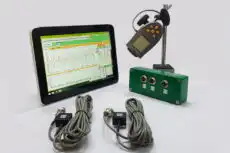
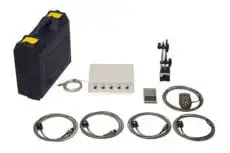
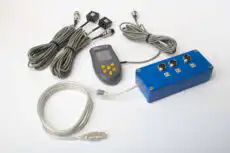
Тұрақты онлайн жүйесінен тыс машиналар үшін дабыл деңгейлері маршруттық немесе жоспардан тыс далалық өлшеулер кезінде қолданылады. Мысалы, Балансет-1А секілді екіканалды портативті анализатор инженерге амплитуданы тіркеуге мүмкіндік береді, phase және жерінде толық спектр алып, әрбір өлшеуді таңдалған ISO 20816 аймағымен немесе базалық еселіктермен салыстыруға — жылдам сайт баруын нақты «жарайды/жарамайды» шешіміне айналдыруға болады. 1× дабылы өсіп келе жатқан дисбалансты белгілегенде, ротормен бірдей аспап роторды шешпестен field balancing теңгерімдеу үшін пайдаланылады. Қысқаша айтқанда, дабыл деңгейлері — техникалық жай-күйді бақылау өлшемдерін іс-қимылға айналдыратын шешім шекаралары: сезімталдық пен нақтылықты теңестіру, жабдықтың маңыздылығы мен тозу жылдамдығына сәйкестендіру және үздіксіз жетілдіру арқылы дұрыс орнатылған деңгейлер нақты мәселелерді ерте анықтай отырып, жалған дабылдарды ең аз деңгейде ұстайды.

