Болжамды техникалық қызмет көрсетуді түсіну
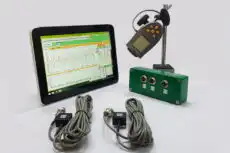
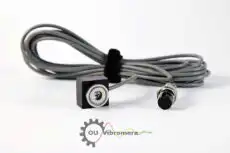
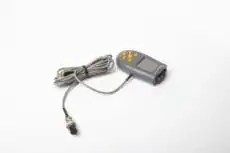
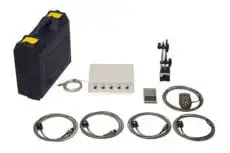

Болжамды ұстап-құру (PdM) — жабдықтың ақаулығы қашан болатынын болжау және жөндеуді оңтайлы сәтте жоспарлау үшін деректерді пайдаланатын техникалық қызмет көрсету стратегиясы техникалық жай-күйді бақылау мәліметтерді пайдаланып жабдықтың ақаулығы қашан орын алатынын болжайды және жөндеуді оңтайлы сәтте жоспарлайды — ақаулық анықталғаннан кейін, бірақ функционалдық істен шығуға дейін. PdM мерзімді немесе үздіксіз өлшеулерді («vibration, температура, майды талдау және басқалар) пайдаланумен бірге trend analysis және диагностикалық сараптамамен үйлестіріп болжау жасайды пайдалану ресурсының қалған ұзақтығы және жабдықты пайдалану тиімділігін барынша арттыра отырып, техникалық қызмет көрсету шығындары мен ақаулық тәуекелін азайту үшін іс-шаралардың уақытын белгілейді.
It represents the evolution from reactive (run-to-failure) and preventive (fixed-schedule) maintenance toward data-driven, condition-based сенімділік пен шығындар арасындағы тепе-теңдікті оңтайландыратын стратегиялар. Дұрыс жүзеге асырылған жағдайда PdM жоспарсыз тоқтаулардың азаюы, компоненттер қызмет мерзімінің ұзаруы және артық техникалық қызмет көрсетуді жоюдың арқасында өз шығынын 5–10 есе қайтарады — сондықтан ол ауыр өнеркәсіптегі сенімділік бағдарламаларының өзегіне айналды.
1. Болжамды техникалық қызмет көрсету мен өзге стратегиялардың салыстырмасы
PdM-ді жақсы түсіну үшін оны жетілдіретін екі ескі тәсілмен салыстыру керек.
Reactive maintenance (run-to-failure)
- Approach: ақаулық болған соң ғана жөндеу.
- Cost: жоспарлы шығындар ең төмен, бірақ жанама зиян мен өндіріс шығыны есепке алынғанда жалпы шығын ең жоғары болады.
- Downtime: жоспарсыз және көбінесе ұзақ мерзімді.
- Қолдануға жарамды: маңызы жоқ, арзан немесе резервтік жабдық.
Алдын алу техникалық қызметі (уақытқа негізделген)
- Approach: белгіленген мерзімдерде жоспарлы техникалық қызмет көрсету.
- Cost: орташа, артық жұмыс үлесі алдын-ала жоспарланған.
- Downtime: жоспарлы, бірақ уақыты мезгілінен ерте болуы мүмкін.
- Issues: пайдалану мерзімі әлі бітпеген компоненттерді ауыстыруы мүмкін, бірақ жоспарлы мерзімдер арасында дамыған ақауларды байқамай қалуы да ықтимал.
Болжамды техникалық қызмет (жағдайға негізделген)
- Approach: өлшенген жағдай қажеттілігін көрсеткенде ғана техникалық қызмет көрсету.
- Cost: мониторингке инвестиция талап етеді, бірақ жалпы шығынның ең төменгі деңгейін қамтамасыз етеді.
- Downtime: жоспарланған және оңтайлы сәтте орындалады.
- Benefits: жабдықты максималды пайдалану, қажетсіз жұмыстарды барынша азайта отырып.
2. Болжамды техникалық қызмет көрсету технологиялары мен әдістері
Бірде-бір әдіс барлығын қамти алмайды, сондықтан жетілген бағдарлама бірін-бірі толықтыратын бірнеше әдісті біріктіреді.
Вибрациялық бақылау
- Маршруттық өлшеулер арқылы портативті аспаптар, and үздіксіз онлайн мониторинг ең маңызды машиналар үшін.
- Спектралдық талдау және деректерге трендтік талдау жүргізу.
- Конверт талдамасы мойынтіректердің ерте диагностикасы үшін.
- Detects unbalance, misalignment, looseness, төлеген сәтсіздіктер және беріліс механизмдерінің ақаулары. Бұл айналмалы жабдықтарды болжамды техникалық қызмет көрсетудің негізгі құралы.
Thermography
- Электрлік ыстық нүктелер мен механикалық үйкелісті анықтайтын инфрақызыл камерамен зерттеу.
- Вибрациялық жұмысты толықтыратын жылдам, кәсіпорын ауқымды скрининг. (Қараңыз thermography.)
Трибология (майды талдау)
- Бөлшектерді санау және анықтау, сондай-ақ тозу металдарын талдау.
- Майдың жай-күйін және оның арқылы басқа әдістермен байқалмайтын компоненттердің ішкі жай-күйін бағалау. (Қараңыз oil analysis.)
Ультрадыбыстық тексеру
- Мойынтіректің жай-күйін бағалау және ағын анықтау (бу, қысылған ауа).
- Электрлік корона разрядын және ұшқын атуды анықтау. (Қараңыз ультрадыбыс талдауы.)
Электр қозғалтқышының токтың қолтаңбасын талдау
- Қозғалтқыш жай-күйінің электрлік қолтаңбасын оқып, келесі ақауларды анықтайды: ротор шиналарының ақаулары and статор ақаулары.
- Толықтай инвазивсіз — двигатель бақылау кезінде жұмысын жалғастыра береді.
3. Болжамды техникалық қызмет бағдарламасын іске асыру
Табысты бағдарлама барлығын бірден емес, нақты кезеңдермен жүзеге асырылады.
- 1-кезең — Бағалау және жоспарлау: equipment criticality талдау, технологияны таңдау, ресурстарға қажеттілік және ROI негіздемесі.
- 2-кезең — Бастапқы деңгейді анықтау және баптау: аспаптарды сатып алу, персоналды оқыту, baseline өлшемдер, деректер базасын баптау және alarm limits.
- 3-кезең — Жұмыс: деректерді жүйелі жинау, талдау және тренд бақылауы, дабыл сигналдарын басқару, жұмыс бұйрықтарын қалыптастыру және техникалық қызметті орындау.
- 4-кезең — Оңтайландыру: маршруттар мен жиіліктерді нақтылау, дабыл шектерін реттеу, қамту аумағын кеңейту және үздіксіз жетілдіруге ұмтылу.
4. Табыс көрсеткіштері
Бағдарламаның тиімділігі үш өлшем бойынша сандық нәтижелермен дәлелденеді.
- Сенімділік көрсеткіштері: ақаулар арасындағы орташа уақыттың (MTBF) өсуі, жоспарланбаған тоқтаулардың азаюы, жабдықтың қолжетімділігінің жақсаруы және апатты істен шығулардың жойылуы.
- Экономикалық көрсеткіштер: техникалық қызмет шығындарының төмендеуі, қосалқы бөлшектер қорының азаюы, өндіріс шығындарының болдырмауы және нақты ROI есебі — оңай модельделетін Болжамды ынамдау ROI калькулятору and the MTBF / MTTR Қолжетімділік калькуляторы.
- Операциялық көрсеткіштер: тексеру барысында анықталған ақаулар саны, анықтаудан бастап істен шығуға дейінгі мерзім, жоспарлы және жоспарсыз жұмыстардың үлесі, сондай-ақ бағдарламаның жалпы қамтуы (бақыланатын жабдықтың пайызы).
5. Қиындықтар мен шешімдер
Бағдарламалар алдын ала болжауға болатын себептермен тоқтап қалады — олардың әрқайсысының белгілі бір шешімі бар.
- Бастапқы инвестиция: жабдықтардың, оқытудың және персоналдың шығындары кезең-кезеңмен енгізу, нақты ROI негіздемесі және ең маңызды жабдықтардан бастау арқылы жабылады сыни маңызды құрылғылар first.
- Мәдени өзгеріс: жаңа жұмыс тәсіліне қарсылық оқыту, алғашқы нәтижелерді нақты көрсету және басшылықтың айқын қолдауы арқылы жеңіледі.
- Data overload: деректердің үлкен көлемі автоматтандырылған талдау, ауытқуларға негізделген есептілік және нақты басымдықтандыру арқылы игеріледі.
- Integration: жағдайды бақылауды CMMS жүйесімен және өндіріспен байланыстыру мәселесі бағдарламалық интеграция, анықталған жұмыс үрдістері және кешенді оқыту арқылы шешіледі.
6. Салалық стандарттар
PdM тәжірибесі халықаралық стандарттар жиынтығына негізделеді:
- ISO 17359: жағдайды бақылау және диагностика бойынша жалпы нұсқаулықтар.
- ISO 13372: машиналарды жағдайын бақылау мен диагностика терминдері мен анықтамалары.
- ISO 13373: тербелісті жағдайлық бақылау рәсімдері.
- ISO 18436: жағдайды бақылау және диагностика саласындағы персоналды сертификаттау.
Өлшенген тербеліс мәндерін қабылдау аймақтарымен салыстырып бағалау қазіргі заманғы ISO 20816 сериясымен реттеледі, ол ескі ISO 10816 стандартын алмастырды.
7. Дала аспаптарының орны
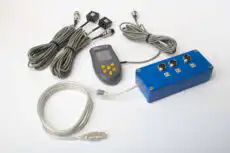
Анықтау — жұмыстың тек жартысы; PdM бағдарламасы ақаул анықталғаннан кейін не болатынына қарай бағаланады. Осы ақаулардың басым бөлігі дисбаланс және misalignment, ал ең тиімді шешім — роторды жіберіп орнынан алмай, тікелей орнында түзету болып табылады. Дәл осы жерде field balancing циклді жабады: мысалы, Балансет-1А 1× күші өлшейді амплитуда және фаза жұмыс жылдамдығында машинаның өз мойынтіректерінде өлшем жасайды, түзету салмақтарын есептейді және нәтижені тексереді ISO 21940-11 тепе-теңдік сапа сыныптары — бұның бәрі бөлшектемей жүргізіледі. Осылайша машинаның тербелісін скринингтеуге де, оны жұмысқа қайтаруға да қызмет ететін бір аспап болжамды техникалық қызмет көрсету тапқан ақаулықты дайын жөндеуге тікелей айналдырады. PdM-нің мәні де осында: ақаулар орын алмас бұрын болжай отырып және жөндеу уақытын дәл таңдай отырып, ол техникалық қызмет көрсетуді шығын орталығынан құнды генераторға айналдырады — қазіргі өнеркәсіптік операцияларда жай-күйге негізделген активтерді басқару уәдесін орындайды.

