BSF ತಿಳುವಳಿಕೆ — ಬಾಲ್ ಸ್ಪಿನ್ ಫ್ರೀಕ್ವೆನ್ಸಿ

BSF (ಬಾಲ್ ಸ್ಪಿನ್ ಫ್ರೀಕ್ವೆನ್ಸಿ, ರೋಲಿಂಗ್-ಎಲಿಮೆಂಟ್ ಸ್ಪಿನ್ ಫ್ರೀಕ್ವೆನ್ಸಿ ಎಂದೂ ಕರೆಯುತ್ತಾರೆ) ನಾಲ್ಕು ಮೂಲಭೂತ ಸ್ಥಾಪನೆ ನೈಮಾಷಿಕತೆ ಆವರ್ತನಗಳು ಮತ್ತು ಒಂದೇ ಒಂದು ರೋಲಿಂಗ್ ಎಲಿಮೆಂಟ್ — ಬಾಲ್ ಅಥವಾ ರೋಲರ್ — ತನ್ನದೇ ಆದ ಅಕ್ಷದ ಚಾರ್ದಿಕೆ ಎಷ್ಟು ವೇಗವಾಗಿ ತಿರುಗುತ್ತಿದೆ ಎಂಬುದನ್ನು ವಿವರಿಸುತ್ತದೆ, ಬೇರಿಂಗ್ ಚಲನಶೀಲವಾಗಿದೆ. ಆ ಎಲಿಮೆಂಟ್ ಮೇಲ್ಮೈಯ ಮೇಲೆ ಒಂದು ನೈಜ ಸೋಲೆ (spall), ಚಿಂತನೆ, ಅಥವಾ ಗಟ್ಟಿ ಸೇರ್ಪಡೆ ಮುಂತಾದ ದೋಷ ಇರುವಾಗ, ಐತಿಹ್ಯವಸಂತ ರೇಸ್ವೇಗಳನ್ನು ಪರಿವರ್ತಿತ ಮಾಡುತ್ತದೆ ಮತ್ತು ಆವರ್ತಕ ಪ್ರಭಾವಗಳನ್ನು ಉತ್ಪಾದಿಸುತ್ತದೆ vibration ಸಿಗ್ನಲ್. ನಾಲ್ಕು ವಿಶೇಷತೆಯ ಫ್ರೀಕ್ವೆನ್ಸಿಗಳಿಂದ, ಬಿಎಸ್ಎಫ್ ಮೆಕ್ಯಾನಿಕ್ಸ್ ಕಡಿಮೆ ಆಗಾಗ ನೋಡುವ, ಏಕೆಂದರೆ ರೋಲಿಂಗ್ ಎಲಿಮೆಂಟ್ಗಳು ಅವುಗಳ ಮೇಲೆ ಸವಾರಿ ಮಾಡುವ ರೇಸ್ಗಳಿಗಿಂತ ಬಹಳ ಕಡಿಮೆ ವೇಗದಿಂದ ವಿಫಲವಾಗುತ್ತವೆ — ಆದರೆ ಅದು ಕಾಣಿಸಿಕೊಂಡಾಗ, ಅದರ ಸಹಿ ಅತ್ಯಂತ ಸಂಕೀರ್ಣವಾಗಿರುತ್ತದೆ vibration analysis.
1. ವ್ಯಾಖ್ಯೆ: ಬಾಲ್ ಸ್ಪಿನ್ ಫ್ರೀಕ್ವೆನ್ಸಿ ಎಂದರೇನು?
ಯಾವುದೇ ರೋಲಿಂಗ್-ಎಲಿಮೆಂಟ್ ಬೇರಿಂಗ್ನ ಒಳಗೆ, ಪ್ರತಿಯೊಂದು ಬಾಲ್ ಅಥವಾ ರೋಲರ್ ಏಕಕಾಲೆ ಎರಡು ಕ್ರಿಯೆಗಳನ್ನು ನಿರ್ವಹಿಸುತ್ತದೆ. ಇದು orbits ಬೇರಿಂಗ್ ಕೇಂದ್ರ, ಕೇಜ್ ಮೂಲಕ ಸುತ್ತಮುತ್ತಾ ತೆಗೆದುಹಾಕಲ್ಪಟ್ಟ ಫಂಡಮೆಂಟಲ್ ಟ್ರೈನ್ ಫ್ರೀಕ್ವೆನ್ಸಿ (FTF), ಮತ್ತು ಅದು ಏಕಕಾಲೆ spins ತನ್ನದೇ ಆದ ಅಕ್ಷದ ಮೇಲೆ. ಆ ತಿರುಗುವಿಕೆ ದರ ಅಲ್ಪ ಸ್ಪಿನ್ ಫ್ರೀಕ್ವೆನ್ಸಿ. ಎಲಿಮೆಂಟ್ನ ಮೇಲ್ಮೈಯ ಮೇಲೆ ನಿರ್ಧಾರಿತ ಒಂದು ನೈಜ ಪ್ರಾತಿಹಾರ್ಯದಿಂದ ಸುತ್ತುತ್ತಾ ತೆಗೆದುಹಾಕಲ್ಪಟ್ಟ ಕಾರಣ, ಅದು ಆವರ್ತಕವಾಗಿ ಯಾವುದೇ ರೇಸ್ನೊಂದಿಗೆ ಸಂಪರ್ಕಿಸುತ್ತದೆ, ಆವರ್ತಕ ಪಾಸಿಪ್ತ ಕ್ರಿಯೆಯನ್ನು ಪ್ರಸ್ತುತ ಮಾಡುತ್ತದೆ, ವಿಶ್ಲೇಷಕ ಪ್ರತ್ಯೇಕ ಮಾಡುತ್ತದೆ.
ರೋಲಿಂಗ್-ಎಲಿಮೆಂಟ್ ನೈಜಗಳು ಬೇರಿಂಗ್ ವಿಫಲತೆಗಳಲ್ಲಿ ಲಗತ್ತಾಗಿ 10–15% ಖಾತೆ ಮಾಡುತ್ತವೆ, ಅದು ಬಿಎಸ್ಎಫ್ ನಾಲ್ಕು ಫ್ರೀಕ್ವೆನ್ಸಿಗಳಲ್ಲಿ ಸಾಮಾನ್ಯವಾಗಿ ಕನ್ನಡ ಮೈಕ್ರೋ. ಆದರೆ ಅದು ಎಂದಿನಿಂದಲೂ ರೋಗನಿರ್ಣಯಾತ್ಮಕ ಚಿತ್ರವನ್ನು ಪೂರ್ಣವಾಗಿ ಮಾಡುತ್ತದೆ: ಒಂದು ಸಮರ್ಥ ಬೇರಿಂಗ್ ಮೂಲ್ಯಮಾಪನ ಒಳ-ರೇಸ್ (BPFI), ಬಾಹ್ಯ-ರೇಸ್ (BPFO), ಕೇಜ್ (FTF), ಮತ್ತು ರೋಲಿಂಗ್-ಎಲಿಮೆಂಟ್ (ಬಿಎಸ್ಎಫ್) ಸಹಿಗಳನ್ನು ಪರಿಶೀಲಿಸುತ್ತದೆ, ಯಾವುದೇ ವಿಫಲತೆ ಪ್ರಾತಿಬಿಂಬ ಕಳೆದುಹೋಗದಂತೆ. ಈ ಸಮಸ್ಯೆಗಳ ವಿಸ್ತೃತ ಪರಿವಾರ ರೋಲಿಂಗ್ ಎಲಿಮೆಂಟ್ ನೈಜಗಳು.
2. ಗಣಿತೀಯ ಲೆಕ್ಕಾಚಾರ
ಸೂತ್ರ ಮತ್ತು ವೇರಿಯೇಬಲ್ಗಳು
ಬಿಎಸ್ಎಫ್ ಬೇರಿಂಗ್ ರೇಖಾಗಣಿತ ಮತ್ತು ಶಾಫ್ಟ್ ವೇಗದಿಂದ ಪಡೆಯಲಾಗಿದೆ:
BSF = (Pd / 2·Bd) × n × [1 − (Bd/Pd)² · cos² β]
- Pd = ಪಿಚ್ ವ್ಯಾಸ (ರೋಲಿಂಗ್-ಎಲಿಮೆಂಟ್ ಕೇಂದ್ರಗಳ ಮೂಲಕ ಹಾದುಹೋಗುವ ವೃತ್ತದ ವ್ಯಾಸ).
- Bd = ಚೆಂಡು ಅಥವಾ ರೋಲರ್ ವ್ಯಾಸ.
- n = ಶಾಫ್ಟ್ ತಿರುಗುವ ಆವೃತ್ತಿ Hz ನಲ್ಲಿ (ಅಥವಾ RPM ÷ 60).
- β = ಸಂಪರ್ಕ ಕೋನ.
ವರ್ಗ ನಿಯಮಿತ ಪದಗಳನ್ನು ಗಮನಿಸಿ: ಬಿಎಸ್ಎಫ್ ವ್ಯಾಸ ಅನುಪಾತದ ವರ್ಗ ಮತ್ತು ಸಂಪರ್ಕ ಕೋನದ ಕೊಸೈನ್ನ ವರ್ಗವನ್ನು ಅವಲಂಬಿಸಿದೆ, ಅದು ಏಕೆ ಇದು ರೇಸ್ ಫ್ರೀಕ್ವೆನ್ಸಿಗಳಿಗಿಂತ ಬೇರಿಂಗ್ ರೇಖಾಗಣಿತಕ್ಕೆ ಹೆಚ್ಚು ಸಂವೇದನಶೀಲವಾಗಿದೆ.
ಸರಳೀಕೃತ ರೂಪ ಮತ್ತು ವಿಶಿಷ್ಟ ಮೌಲ್ಯಗಳು
ಶೂನ್ಯ ಸಂಪರ್ಕ ಕೋನ (β = 0°) ಹೊಂದಿರುವ ರೇಡಿಯಲ್ ಬೇರಿಂಗ್ನ ಮೇಲೆ, ಕೊಸೈನ್ ಪದ ಕೈಬಿಟ್ಟುಹೋಗುತ್ತದೆ:
- BSF ≈ (Pd / 2·Bd) × n × [1 − (Bd/Pd)²]
- For a typical bearing with Bd/Pd ≈ 0.2, this yields BSF ≈ 2.4 × n.
- ಒಂದು ಉಪಸೂಚನೆ ನಿಯಮ ರೂಪದಿಂದ, ಬಿಎಸ್ಎಫ್ ಸಾಮಾನ್ಯವಾಗಿ ನೆಲೆಸುತ್ತದೆ 1.5× and 3× shaft speed.
- ಇದು ಬಿಪಿಎಫ್ಐ ಮತ್ತು ಬಿಪಿಎಫ್ಒ ಎರಡೂ ಕೆಳಗೆ ಇದೆ, ಆದರೆ ಕೇಜ್ ಫ್ರೀಕ್ವೆನ್ಸಿ (ಎಫ್ಟಿಎಫ್) ಮೇಲೆ.
- ಕೆಲಸ ಮಾಡಿದ ಉದಾಹರಣೆ: a bearing at 1800 RPM (30 Hz) with the 2.4× factor gives BSF ≈ 71 Hz.
ನಾಲ್ಕು ಆವರ್ತನಗಳ ಅಂತರ್ಗತ ನಿರ್ವಾಹಕ ಲೆಕ್ಕಾಚಾರವು ಅಂಕಗಣಿತ ದೋಷಗಳಿಗೆ ಕಾರಣವಾಗುವುದರಿಂದ, ಹೆಚ್ಚಿನ ವಿಶ್ಲೇಷಕರು ಮೌಲ್ಯಗಳನ್ನು ನೇರವಾಗಿ ಕಸೂತಿ ನಿಂದ ಎಳೆಯುತ್ತಾರೆ ಬೇರಿಂಗ್ ಡಿಫೆಕ್ಟ್ ಫ್ರೀಕ್ವೆನ್ಸಿ ಕ್ಯಾಲ್ಕುಲೇಟರ್ (BPFO, BPFI, BSF, FTF), ಇದು ಬೇರಿಂಗ್ ಜ್ಯಾಮಿತಿ ಮತ್ತು ವೇಗವನ್ನು ತೆಗೆದುಕೊಂಡು ಪ್ರತಿಟಿ ವಿಶಿಷ್ಟ ಆವರ್ತನವನ್ನು ಪುನಃ ನೀಡುತ್ತದೆ।
3. ಭೌತಿಕ ಚಾಲನಾಶಕ್ತಿ
ಎರಡು ಏಕಕಾಲಿಕ ಚಲನೆಗಳು
BSF ಏಕೆ ಈ ರೀತಿ ವರ್ತಿಸುತ್ತದೆ ಎಂಬುದನ್ನು ಅರ್ಥಮಾಡಲು, ಒಂದು ರೋಲಿಂಗ್ ಅಂಶವನ್ನು ಅನುಸರಿಸಿ:
- ಇದು ಕೇಜ್ ಆವರ್ತನದಲ್ಲಿ ಬೇರಿಂಗ್ ನ ಸುತ್ತಲೂ ಕಕ್ಷೆಯನ್ನು ಸೇರುತ್ತದೆ, ಸರಿಸುಮಾರು ಶಾಫ್ಟ್ ವೇಗದ 0.4×।
- ಅದೇ ಸಮಯದಲ್ಲಿ ಇದು ತನ್ನದೇ ಅಕ್ಷದಲ್ಲಿ BSF ನಲ್ಲಿ ತಿರುಗುತ್ತದೆ।
- ತಿರುಗುವಿಕೆಯ ಪ್ರಮಾಣವನ್ನು ಪಿಚ್ ವ್ಯಾಸ ಮತ್ತು ಚೆಂಡಿನ ವ್ಯಾಸದ ಅನುಪಾತದಿಂದ ನಿಯಂತ್ರಿಸಲಾಗುತ್ತದೆ।
- ಪ್ರತಿ ಸಂಪೂರ್ಣ ತಿರುಗುವಿಕೆ ಯಾವುದೇ ಮೇಲ್ಮೈ ದೋಷವನ್ನು ಎರಡೂ ರೇಸ್ ವೇಗಳೊಂದಿಗೆ ಸಂಪರ್ಕಕ್ಕೆ ತರುತ್ತದೆ।
ಪ್ರತಿ ಕ್ರಾಂತಿಗೆ ಎರಡು ಪ್ರಭಾವ
ರೋಲಿಂಗ್ ಅಂಶದ ಮೇಲಿನ ಎರಡೋ ಸ್ಟ್ರೈಕ್ ಮಾದರಿ ಉತ್ಪಾದನ ಮಾಡುತ್ತದೆ:
- First impact: ದೋಷವು ಆಂತರಿಕ ರೇಸ್ ಅನ್ನು ಹೊಡೆಯುತ್ತದೆ।
- ಅರ್ಧ ಕ್ರಾಂತಿಯ ನಂತರ: ಅದೇ ದೋಷ, ಈಗ 180° ತಿರುಗಿದ, ಬಾಹ್ಯ ರೇಸ್ ಅನ್ನು ಹೊಡೆಯುತ್ತದೆ।
- Result: ಅಂಶ ಕ್ರಾಂತಿಗೆ ಎರಡು ಪ್ರಭಾವಗಳು, ಆದ್ದರಿಂದ ಶಕ್ತಿ ಕೇಂದ್ರೀಕೃತವಾಗಿದೆ 2×BSF.
- In practice: ಶಿಖರಗಳು ಪತ್ತೆಯಾಗುತ್ತವೆ BSF ಮತ್ತು 2×BSF ಎರಡೂ ನಿಂದ, ಮತ್ತು ಎರಡನೇ ಹಾರ್ಮೋನಿಕ್ ಸಾಮಾನ್ಯವಾಗಿ ಎರಡರ ಪೈಕಿ ಪ್ರಬಲವಾಗಿದೆ।
ಕೇಜ್ ಮೂಲಕ ಮಾಡ್ಯುಲೇಶನ್
ಹೆಚ್ಚುವರಿ ಸಂಕೀರ್ಣತೆಯ ಪದರವು ಬೇರಿಂಗ್ ಹೊರೆ ಞೋನ್ನ ಮೂಲಕ ಅಂಶದ ಕಕ್ಷಚಾರಣ ಭ್ರಮಣ ಇಂದ ಆಗುತ್ತದೆ:
- ಕ್ಷತಿಗ್ರಸ್ತ ಚೆಂಡು ಪ್ರತಿ ಕೇಜ್ ಕ್ರಾಂತಿಗೆ ಲೋಡಿಂಗ್ ಪ್ರದೇಶದ ಮೂಲಕ ಹಾದುಹೋಗುತ್ತದೆ।
- ಪ್ರಭಾವ ತೀವ್ರತೆ ಪರಿಣಾಮವಾಗಿ ಹೊರೆ ಞೋನ್ನಲ್ಲಿ ಹೆಚ್ಚುವು ಮತ್ತು ಎಲ್ಲೆಡೆ ದುರ್ಬಲ — ಸಿಗ್ನಲ್ ವೈಶಾಲ್ಯ ಮಾಡ್ಯುಲೇಟೆಡ್ ಆಗಿದೆ।
- This creates sidebands ಇವುಗಳ ನಡುವೆ ಅಂತರವಿಟ್ಟು FTF (ಪಿಂಜರ) ಮಧ್ಯಂತರ, ೧× ಶಾಫ್ಟ್ ವೇಗದಲ್ಲಿಲ್ಲ.
- The pattern is BSF ± n×FTF, for n = 1, 2, 3 …
ಆ FTF ಸೈಡ್ಬ್ಯಾಂಡ್ ಅಂತರವು ರೋಲಿಂಗ್ ಎಲಿಮೆಂಟ್ ಎರಡು ಖಾಮಿಯನ್ನು ಆಂತರಿಕ-ರೇಸ್ ಫಾಲ್ಟ್ನಿಂದ ಬೇರ್ಪಡಿಸುವ ಏಕೈಕ ಅತ್ಯಂತ ಉಪಯುಕ್ತ ಸುಳಿವು, ಯಾದೃಚ್ಛಿಕ ಸೈಡ್ಬ್ಯಾಂಡ್ ಬದಲಿಗೆ ೧× ಅಂತರದಲ್ಲಿ ಕುಳಿತುಕೊಳ್ಳುತ್ತವೆ.
4. ಕಂಪನ ಸಹಿ ಮತ್ತು ಕ್ಷೇತ್ರ ಸನ್ನಿವೇಶ
ಸ್ಪೆಕ್ಟ್ರಮ್ ಗುಣಲಕ್ಷಣಗಳು
- ಪ್ರಾಥಮಿಕ ಶಿಖರ: BSF ನಲ್ಲಿ ಅಥವಾ, ಹೆಚ್ಚಾಗಿ, 2×BSF ನಲ್ಲಿ.
- FTF sidebands: ಪಿಂಜರ-ಆವೃತ್ತಿ ಮಧ್ಯಂತರದಲ್ಲಿ ಅಂತರ — ಗೋಳ ಖಾಮಿಯ ವಿಶಿಷ್ಟ ಚಿಹ್ನೆ.
- ಹಾರ್ಮೋನಿಕ್ಗಳು: 2×BSF and 3×BSF are commonly present.
- ವೇರಿಯಬಲ್ ವೈಶಾಲ್ಯ: ಓದುವಿಕೆ ಅಳತೆಯಿಂದ ಅಳತೆಗೆ ಗಣನೀಯವಾಗಿ ಏರಿಳಿತ ಗುಂಡಿತ ಗೋಳ ಹೊರೆ ವಲಯದ ಮೂಲಕ ಸರಿಸಲಾಗುವುದರಿಂದ — ರೇಸ್ ಖಾಮಿಗಳಿಂದ ಅಪರೂಪವಾಗಿ ಗಮನಿಸಲಾಗುವ ನಡವಳಿಕೆ.
ಏಕೆ ಎನ್ವೆಲೋಪ್ ವಿಶ್ಲೇಷಣೆ ಮುಖ್ಯವಾದೆ
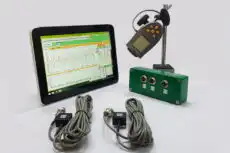
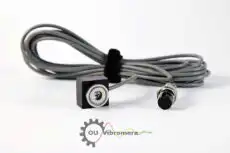
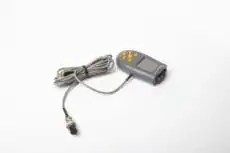
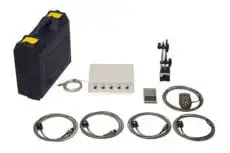
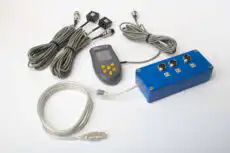
BSF ಶಕ್ತಿ ಅಕ್ಷರಶಃ ಸೂತ್ರಗಳಿಂದ ಚಾಲನೆ-ವೇಗ ಘಟಕಗಳ ಕೆಳಗೆ ಹೆಚ್ಚಾಗಿ ಪೋಷಿತವಾಗಿರುತ್ತದೆ FFT. ಲಕೋಷ್ಠ ವಿಶ್ಲೇಷಣೆ — ಹೆಚ್ಚಿನ ಆವೃತ್ತಿ ಪ್ರಭಾವ ವಿದೋಧಿಯನ್ನು ನಿರ್ಮಾಣ — BSF ಪೀಠ ಮತ್ತು ಅದರ FTF ಸೈಡ್ಬ್ಯಾಂಡ್ ಹೆಚ್ಚಿಕೆ ಫಲಿತಾಂಶದಲ್ಲಿ ಶಬ್ದದ ಹೊರಗೆ ಸುತ್ತುಗೋಲು ವರ್ಣಚಿತ್ರ, ಪ್ರಾಯಶಃ ಪ್ರಮಾಣಿತ ಸನ್ನಿವೇಶ ಮೂಲಕ ದೀರ್ಘ ಬಹಳ ಮೊದಲು ಖಾಮಿ ಬಹಿರಂಗ ಅನುಭವ spectrum. ಕ್ಷೇತ್ರದಲ್ಲಿ, Balanset-1A ನಂತಹ ವಹನೀಯ ಎರಡು-ಚ್ಯಾನಲ್ ಯಂತ್ರ ಬ್ಯಾಲೆನ್ಸೆಟ್-1ಎ ತಾಂತ್ರಿಕ ಹೆಚ್ಚಿನ-ಆವೃತ್ತಿ ಕಂಪನ ಬೆರಿಂಗ್ ಹೌಸಿಂಗ್ನಲ್ಲಿ ಕಾರ್ಯ ವೇಗದಲ್ಲಿ ಕ್ಯಾಪ್ಚರ ಮಾಡಲು ಮತ್ತು ಈ ಪ್ರಭಾವ ಫಲಿತಾಂಶ ಕ್ಷೇತ್ರದಲ್ಲಿ ತೆರೆ ಯಂತ್ರ ನೆತ್ತರಬಿಡದೆ. ರೋಲಿಂಗ್ ಎಲಿಮೆಂಟ್ ಖಾಮಿ ಒಂದೇ ತುದಿ ಇತ್ತೀಚೆ ಅನೇಕ ಸಮಗ್ರ ಪ್ರಭಾವ ಶಕ್ತಿ ಆಗುತ್ತವೆ, ನಿಯತಾಂಕ ಮುದ್ರಿತ ಬೆಂಬಲ ಪರಿಭ್ರಮಣೆ ಖಾಮಿ ಸಂಭವ ಕ್ರೆಸ್ಟ್ ಫ್ಯಾಕ್ಟರ್ and ಕರ್ಚೋಸಿಸ್ ಉಪಯುಕ್ತವಾಗಿ ಅರ್ಥೋದ್ಧಾರ ಪ್ರಮಾಣಪತ್ರದ ಪುರಾವೆ.
5. ರೋಲಿಂಗ್-ಎಲಿಮೆಂಟ್ ಖಾಮಿ ಕಡಿಮೆ ಸಾಮಾನ್ಯವಾಗಿದೆ ಏಕೆ
ಬಿಚ್ಚು ಮತ್ತು ರೋಲರ್ ಖಾಮಿ ಪರಿಣಾಮದಿಂದ ನಿರ್ದಿಷ್ಟ ಯಾಂತ್ರಿಕ ಪ್ರಾಥಮಿಕತೆ ವಿವರಿಸುತ್ತವೆ:
- ಲೋಡ್ ವಿತರಣೆ: ರೋಲಿಂಗ್ ಎಲಿಮೆಂಟ್ ನಿರಂತರ ತಿರುಗುತ್ತದೆ, ಅದರ ಸಂಪೂರ್ಣ ಮೇಲ್ಮೈ ಮೇಲೆ ಸಂಪರ್ಕ ಒತ್ತಡ ಹರಿಸುತ್ತದೆ, ಎದುರು ರೇಸ್ — ವಿಶೇಷವಾಗಿ ಹೊರಗಾರ — ಸ್ಥಿರ ವಲಯದಲ್ಲಿ ಕೇಂದ್ರೀಕೃತ ಲೋಡ್ ಸಾಗುತ್ತದೆ. ಹೆಚ್ಚು ಸಮನಾದ ಒತ್ತಡ ಕ್ಷೇತ್ರ ಅಂಶ ಬಲವಾಗುತ್ತದೆ ಅವನತಿ.
- ಉತ್ಪಾದನೆ ಗುಣಮಾನ: ಚೆಂಡುಗಳು ಮತ್ತು ರೋಲರ್ಗಳು ಸಾಮಾನ್ಯವಾಗಿ ಸಾಮಗ್ರಿ ನೈಪುಣ್ಯದಲ್ಲಿ ಹೆಚ್ಚು ಕಠೋರ ಮಾನದಂಡವನ್ನು ಪಾಲಿಸುತ್ತವೆ, ರೇಸ್ವೇಗಳಿಗಿಂತ ಹೆಚ್ಚು ಕಠಿಣ ಮತ್ತು ಸುಂದರ ಮೇಲ್ಮೈ ಪರಿಮಾಣವನ್ನು ಹೊಂದಿರುವುದರಿಂದ, ಸಾಮಗ್ರಿ ದೋಷಗಳು ಬಿರುದಾಗಿ ಕಂಡುಬರುತ್ತವೆ.
- ಒತ್ತಡದ ನಮೂನೆಗಳು: ರೇಸ್ವೇನ ಅಂಚುಗಳು ಮತ್ತು ಸುತ್ತುಕೊಳ್ಳುವಿಕೆಗಳು ಒತ್ತಡದ ಸಾಂದ್ರತೆ ಮತ್ತು ಹೆಚ್ಚಿನ ಶಿಖರ ಹರ್ಟ್ಜಿಯನ್ ಸಂಪರ್ಕ ಒತ್ತಡಕ್ಕೆ ಹೆಚ್ಚು ಸುಸ್ಥಿರವಾಗಿರುತ್ತದೆ, ಇದು ರೇಸ್ಗಳನ್ನು ಸಾಮಾನ್ಯವಾಗಿ ಮೊದಲ ವಿಫಲತಾ ಬಿಂದುವಾಗಿ ಮಾಡುತ್ತದೆ.
6. ರೋಗನಿರ್ಣಯಕ್ಕೆ ಸಂಬಂಧಿಸಿದ ಸವಾಲುಗಳು ಮತ್ತು ದೃಢೀಕರಣ
ಬಾಲ್ ಪಣ್ಣುನ ಆವೃತ್ತಿ (ಬಿಎಸ್ಎಫ್) ಅನ್ನು ಸಂಕೀರ್ಣವಾಗಿ ಮಾಡುವುದು
- ಎಫ್ಟಿಎಫ್ ಸೈಡ್ಬ್ಯಾಂಡ್ ರಚನೆಯು ಬಿಎಸ್ಎಫ್ ನಮೂನೆಯನ್ನು ಶುದ್ಧ ರೇಸ್-ದೋಷ ತುಪ್ಪಳಿಗಿಂತ ಸ್ವಾಭಾವಿಕವಾಗಿ ಹೆಚ್ಚು ಸಂಕೀರ್ಣವಾಗಿ ಮಾಡುತ್ತದೆ.
- ಬಿಎಸ್ಎಫ್ ಇತರ ಯಂತ್ರ ಆವೃತ್ತಿಗಳ ಬಳಿ ಬೀಳಬಹುದು ಮತ್ತು ತಪ್ಪಾಗಿ ವಿವರಿಸಲ್ಪಡುತ್ತದೆ.
- ಅದರ ನೈಸರ್ಗಿಕ ವೇರಿಯೇಬಲ್ ವೈಶಾಲ್ಯವು ಸಂಕೀರ್ಣತೆಯನ್ನು ಉಂಟು ಮಾಡುತ್ತದೆ ಪ್ರವೃತ್ತಿಯಲ್ಲಿರುವ over time.
- ಹಲವಾರು ಅಂಶಗಳು ಹಾನಿಗ್ರಸ್ತವಾಗಿದ್ದರೆ, ಅವುಗಳ ಸಹಿ ಅತಿಕ್ರಮಣ ಮತ್ತು ವಿಸ್ತೃತವಾಗುತ್ತದೆ, ಚಿತ್ರವನ್ನು ಮಂದಗೊಳಿಸುತ್ತದೆ.
- ಹೋಲಿಸಲಾಗುವ ದೋಷ ಗಾತ್ರಗಳಿಗೆ, ಬಿಎಸ್ಎಫ್ ಶಿಖರಗಳು ಕೆಲವೊಮ್ಮೆ ರೇಸ್-ದೋಷ ಶಿಖರಗಳಿಗಿಂತ ವೈಶಾಲ್ಯದಲ್ಲಿ ಕಡಿಮೆ ಇರುತ್ತವೆ, ಇದು ಹೆಚ್ಚು ಎಚ್ಚರಿಕೆಯ ಅನುವೀಕ್ಷಣ ಅಗತ್ಯವಿದೆ.
ನಿರ್ভರವಾದ ದೃಢೀಕರಣ ಅನುಕ್ರಮ
- Calculate BSF ಪಾಳುವೆಯ ವಿನಿರ್ದೇಶನಗಳಿಂದ.
- ಪರಿವೆಷ್ಟ ಸ್ಪೆಕ್ಟ್ರಂನಲ್ಲಿ ಹುಡುಕಿ ಲೆಕ್ಕಹಾಕಿದ ಆವೃತ್ತಿಯಲ್ಲಿ.
- 2×ಬಿಎಸ್ಎಫ್ ಗಾಗಿ ಪರಿಶೀಲಿಸಿ, ಇದು ಯಾವಾಗಲೂ ಮೂಲಭೂತ ಆವೃತ್ತಿಗಿಂತ ಪ್ರಬಲವಾಗಿದೆ.
- ಎಫ್ಟಿಎಫ್ ಸೈಡ್ಬ್ಯಾಂಡ್ಗಳನ್ನು ಪರಿಶೀಲಿಸಿ — ಪಿಂಜರದ ಆವೃತ್ತಿಯಲ್ಲಿ ಅಂತರ, not 1×, ನಿರ್ಧಾರಾತ್ಮಕ ಪರೀಕ್ಷೆ.
- ವೈಶಾಲ್ಯ ವೇರಿಯೇಬಿಲಿಟಿ ಗಮನಾರ್ಹ ರಾಖಿವಾಗಿರಿ ರನ್ಗಳ ನಡುವೆ, ಚೆಂಡಿನ ದೋষಗಳ ಸೂಚನೆ.
- BPFI ಮತ್ತು BPFO ಅನ್ನು ಹೊರತೆಗೆಯಿರಿ ರೋಲಿಂಗ್-ಎಲಿಮೆಂಟ್ ತೀರ್ಮಾನಕ್ಕೆ ಬಂದು ಉಳಿಯುವ ಮೊದಲು.
ಶಿಖರಗಳು ವಿಸ್ತೃತವಾಗಿದ್ದರೆ ಅಥವಾ ಹಲವಾರು ಆಂಶಿಕ ಆವರ್ತನಗಳಿಗೆ ವಿಭಾಜಿತವಾಗಿದ್ದರೆ, ಬಹುವಿಧ ಅಂಶಗಳು ಹಾನಿಗ್ರಸ್ತವಾಗಿರುವ ಸಾಧ್ಯತೆಯಿದೆ — ಈ ವಿಧೇಯ ಕ್ಷೀಣತೆಯ ಸೂಚನೆ ಎಂದರೆ ತಾತ್ಕಾಲಿಕ ಬೀಜಲುಬ್ಧ ಮೇಲುಭಾಗದ ಸಮಿತಿ ಎಂಬುದು ಸುರಕ್ಷಿತ ಕಾರ್ಯಹಾರವಾಗಿದೆ.
7. ಕಾರಣಗಳು ಮತ್ತು ತಡೆಗಟ್ಟುವಿಕೆ
ರೋಲಿಂಗ್-ಎಲಿಮೆಂಟ್ ದೋಷಗಳ ವಿಶಿಷ್ಟ ಮೂಲಗಳು ಸೇರಿವೆ:
- ವಸ್ತುವಿನ ಅಪದ್ರವ್ಯ: ಚೆಂಡು ಅಥವಾ ರೋಲರ್ನಿಂದ ಎರಕ ಸಮಯದಲ್ಲಿ ಆಂತರಿಕ ಶೂನ್ಯತೆ ಅಥವಾ ವಿಧೇಯ ವಿಷಯ.
- ಸ್ಥಾಪನೆ ಹಾನಿ: ನಿರ್ವಹಣೆ ಅಥವಾ ಮೌಂಟಿಂಗ್ ಸಮಯದ ಪ್ರಭಾವದಿಂದ ಬ್ರಿನೆಲಿಂಗ್.
- ಮಾಲಿನ್ಯ: ಕಠಿಣ ಕಣಗಳು ಎಲಿಮೆಂಟ್ ಮೇಲ್ಮೈಯಲ್ಲಿ ಅಂತರ್ನಿಹಿತವಾಗಿರುವ ಅಥವಾ ಮಾರ್ಜನ ಮಾಡುವುದು.
- ವಿದ್ಯುತ್ ಹಾನಿ: ಬೀಜಲುಬ್ಧದ ಮೂಲಕ ಸ್ಥಿರ ಪ್ರವಾಹ ಆರ್ಕ್, ಮೇಲ್ಮೈ ಹೋಲುವುದು — VFD-ಸಂಚಾಲಿತ ಮೋಟಾರುಗಳ ಮೇಲೆ ಆಗಾಗ್ರ ಸಮಸ್ಯೆ.
- ಸುಳ್ಳು ಬ್ರಿನೆಲಿಂಗ್: ಕಂಪನ ನಿಷ್ಕ್ರಿಯ ಯಂತ್ರ ಇರಿಸಿದಾಗ ಫ್ರೆಟಿಂಗ್ ಅಷ್ಟಿ.
- ಕ್ಷಯ: ಆರ್ದ್ರತೆ ಅಥವಾ ರಾಸಾಯನಿಕ ಬೆಳೆಗಳು ಮೇಲ್ಮೈ ಹೊಂಡಗಳನ್ನು ಸೃಷ್ಟಿ ಮಾಡುವುದು, ಪೂರ್ವಾಪೇಕ್ಷೆಗಳು ಸ್ಪಾಲಿಂಗ್.
ತಡೆಗಟ್ಟುವಿಕೆ ನೇರವಾಗಿ ಕಾರಣಗಳಿಂದ ಅನುಸರಿಸುತ್ತದೆ: ಗುಣಲಕ್ಷಣ ಜ್ಞಾಪನ ತಯಾರಕರಿಂದ ಸಾಮರ್ಥ್ಯವುಳ್ಳ ಬೀಜಲುಬ್ಧಗಳನ್ನು ನಿರ್ದಿಷ್ಟ ಮಾಡಿ, ಸತರ್ಕತೆಯೊಂದಿಗೆ ನಿರ್ವಹಣೆ ಮತ್ತು ಮೌಂಟ್ ಮಾಡಿ, ಪರಿಣಾಮಕಾರಿ ಮುದ್ರೆಗಳು ಮತ್ತು ಸ್ವಚ್ಛ ಜೋಡಣೆಯೊಂದಿಗೆ ಮಾಲಿನ್ಯದಿಂದ ನಿಯಂತ್ರಿಸಿ, ಸೀಳನ ತಡೆಗಟ್ಟುವ ತುಲುಪುಟವನ್ನು ಪುಷ್ಟವಾಗಿ ರಕ್ಷಿಸುವುದು, ವಿಲೋಮ-ಸುವ್ಯವಹಾರ ಚಾಲಿತ ಮೋಟರುಗಳಲ್ಲಿ ಇನ್ಸುಲೇಟೆಡ್ ಅಥವಾ ಸೆರಾಮಿಕ್-ಹೈಬ್ರಿಡ್ ಬೀಜಲುಬ್ಧಗಳನ್ನು ಸಜ್ಜಿತ ಮಾಡಿ, ಮತ್ತು ಸಂಗ್ರಹಿಸಿದ ಅಥವಾ ವಿತರಣಸಲ್ಲಿ ಆಂತರಿಕ ಕಂಪನದಿಂದ ಪ್ರತ್ಯೇಕ ಬಿಎಸಎಫ್ ಸ್ವತಃ ಪರಿಶೋಧನ ಹಾಕುವುದು ಸ್ಥಿತಿ ಮೇಲ್ವಿಚಾರಣೆ ಕಾರ್ಯಕ್ರಮವು ಖಚಿತವಾಗಿ ಅಪರೂಪದ ಆದರೆ ವೇಗದ ಪ್ರಗತಿಶೀಲ ರೋಲಿಂಗ್-ಎಲಿಮೆಂಟ್ ಸಮಸ್ಯೆ ಅದೇ ಆತ್ಮವಿಶ್ವಾಸದೊಂದಿಗೆ ಹಿಡಿಯುವುದನ್ನು ಸಾಕರಿತವಾಗಿ ಪರಿಶೋಧನೆ ಮಾಡುವುದರಿಂದ ಅಪೂರ್ವ ಎಂದರೆ ಮೂಲಕೋಶ ಪ್ರಮುಖದೋಷಗಳು on the races.

