ನಿರ್ಣಯ ಕರಣೆಗಾಗಿ ಕಂಪನ ವಿಶ್ಲೇಷಣೆಯಲ್ಲಿ ಕುರ್ಟೋಸಿಸ್



ಕರ್ಟೋಸಿಸ್ ಸಂಭವನೀಯತೆ ವಿತರಣೆಯ ಆಕಾರವನ್ನು ವರ್ಣಿಸುವ ಸಂಖ್ಯಾಶಾಸ್ತ್ರೀಯ ನಿರ್ಧಾರಣ. ನಲ್ಲಿ vibration analysis ಅದನ್ನು ಅನ್ವಯಿಸಲಾಗುತ್ತದೆ time waveform ಅದರ “ಶಿಖರತೆ” ಅಥವಾ ಪ್ರಭಾವಶೀಲತೆಯನ್ನು ಅಳೆಯಲು. ಅಧಿಕ ಕುರ್ಟೋಸಿಸ್ ಹೊಂದಿರುವ ಸಂಕೇತವು ತೀಕ್ಷ್ಣ, ವಿಶಿಷ್ಟ ಶಿಖರಗಳು ಅಥವಾ ಪ್ರಭಾವಗಳಿಂದ ಸೂಚಿತವಾಗಿದೆ, ಆದರೆ ಕಡಿಮೆ ಕುರ್ಟೋಸಿಸ್ ಹೊಂದಿರುವ ಸಂಕೇತವು ಚಪಲ ಮತ್ತು ಹೆಚ್ಚು ಪೃಷ್ಠಭೂಮಿಯಾಗಿದೆ. ಕುರ್ಟೋಸಿಸ್ನ ಮಹಾ ಪ್ರಾಯೋಗಿಕ ಮೂಲ್ಯವೆಂದರೆ ಈ ಗುಣಲಕ್ಷಣವನ್ನು ಒಂದೇ ಸಂಖ್ಯೆಗೆ ಕುಗ್ಗಿಸುವುದು ಅದು ಸಂಪೂರ್ಣ ಶಕ್ತಿ — ನಲ್ಲಿಯೂ ಕುಂದನ ಸಂಕೇತದ ಸ್ವರೂಪದಲ್ಲಿ ಬದಲಾವಣೆಯನ್ನು ಪ್ರಗತಿಯಾಗಿ ಸೂಚಿಸಬಹುದು RMS ಮೌಲ್ಯ — ಇನ್ನೂ ಗಮನಾರ್ಹವಾಗಿ ಚಲಿಸಿಲ್ಲ.
1. ಸಂಖ್ಯೆಯ ಹಿಂದಿನ ಸಂಖ್ಯಾಶಾಸ್ತ್ರೀಯ
ಕುರ್ಟೋಸಿಸ್ ಸಂಕೇತದ ವೈಪುಲ್ಯ ವಿತರಣೆಯ ಪ್ರಸಾಮಾನ್ಯೀಕೃತ ನಾಲ್ಕನೇ ಸಂಖ್ಯಾಶಾಸ್ತ್ರೀಯ ಕ್ಷಣ. ಪ್ರತಿಯೊಂದು ಸರಾಸರಿಯಿಂದ ವಿಚಲನವನ್ನು ನಾಲ್ಕನೇ ಶಕ್ತಿಯಾಗಿ ಹೆಚ್ಚಿಸಲಾಗಿದೆ ಮತ್ತು ನಂತರ ಸರಾಸರಿ ಮಾಡಲಾಗಿದೆ, ಆಗಾಗ್ಗೆ ದೊಡ್ಡ ವಿಚಲನಗಳು — ನಿಖಿಲ ಪ್ರಭಾವವು ತೋರುವ ಅದೇ ರೀತಿಯ — ಫಲಿತಾಂಶವನ್ನು ದೂರದಲ್ಲಿ ಪ್ರಾಬಲ್ಯ ಮಾಡುತ್ತವೆ ಅವರು RMS ಲೆಕ್ಕಾಚಾರಿನಲ್ಲಿ ಬೆಳೆಯುತ್ತಿದ್ದರು, ಅದು ಮಾತ್ರ ಎರಡನೇ ಶಕ್ತಿ ಬಳಸುತ್ತದೆ. ಆ ಗಣಿತದ ತೀವ್ರತೆ ಕುರ್ಟೋಸಿಸ್ಠ ಅಸಾಕ್ಷಿ ಮಾಡುವ ಕಾರಣ ಅಲ್ಪಾವಧಿ, ತೀಕ್ಷ್ಣ ಸಂಕ್ರಮಿತ ಕಾಯುತ್ತಿದೆ ಇನ್ನೊಂದು ಸಂಕೇತ. ಪರಿಣಾಮವಾಗಿ, ಇದು RMS ಇಂದ ವಿಭಿನ್ನ ಪ್ರಶ್ನೆಗೆ ಉತ್ತರ ನೀಡುತ್ತದೆ: “ಎಷ್ಟು ಶಕ್ತಿ ಸಂಜಯವಾಗಿದೆ?” ಆದರೆ “ಇದು ಎಷ್ಟು ಅಲಿನ್ನ?”
2. ಕುರ್ಟೋಸಿಸ್ನ ರೋಗನಿರ್ಣಯ ಮೌಲ್ಯ
ಕರ್ಟೋಸಿಸ್ನ ಪ್ರಾಥಮಿಕ ಮೌಲ್ಯ ಸ್ಥಿತಿ ಮೇಲ್ವಿಚಾರಣೆ ಇದು ಹೆಚ್ಚಿನ ಸಂವೇದನೆ ಆರಂಭಿಕ ಸ್ತರದ, ಆವೇಗ ದೋಷಗಳು. ಹೆಚ್ಚಿನ ಯಾಂತ್ರಿಕ ದೋಷಗಳು ಸೂಕ್ಷ್ಮ ಬಿರುಕು ಅಥವಾ ಸ್ಪಾಲ್ಗಳಾಗಿ ಪ್ರಾರಂಭವಾಗುತ್ತವೆ. ಈ ಬೆಳೆಯುತ್ತಿರುವ ದೋಷಗಳು ಸಂಪರ್ಕಕ್ಕೆ ಬಂದಾಗ, ಅವು ಅಲ್ಪಾವಧಿಯ, ಉನ್ನತ-ಆವರ್ತನ ಪ್ರಭಾವಗಳನ್ನು ಉತ್ಪಾದಿಸುತ್ತವೆ. ಈ ಪ್ರಭಾವಗಳು ಕಂಪನ ಸಮಯ ತರಂಗರೂಪದಲ್ಲಿ ತೀಕ್ಷ್ಣ ಶಿಖರಗಳನ್ನು ಉಂಟುಮಾಡುತ್ತವೆ, ಇದು ಕರ್ಟೋಸಿಸ್ನ ಮೌಲ್ಯವನ್ನು ನಾಟಕೀಯವಾಗಿ ಹೆಚ್ಚಿಸುತ್ತದೆ — ದೋಷವು ಯಂತ್ರದ ಒಟ್ಟು RMS ಮಟ್ಟವನ್ನು ಪ್ರಭಾವಿತ ಮಾಡುವಷ್ಟು ಬೆಳೆದ ಬಹುದೂರ ಮುನ್ನ.
ಕರ್ಟೋಸಿಸ್ ಆದ್ದರಿಂದ ಇದಕ್ಕಾಗಿ ಅತ್ಯುತ್ತಮ ಸಾಧನವಾಗಿದೆ:
- ಆರಂಭಿಕ ಬೇರಿಂಗ್ ದೋಷ ಸನ್ನಿವೇಶನೆ: ಇದು ಅತ್ಯಂತ ಪ್ರಥಮ ಸೂಚನೆಗಳನ್ನು ಹಿಡಿಯಲು ಅತ್ಯಂತ ಪರಿಣಾಮಕಾರಿ ವಿಧಾನಗಳಲ್ಲಿ ಒಂದಾಗಿದೆ ಸ್ಪಾಲಿಂಗ್ ಬೇರಿಂಗ್ ರೇಸ್ ಅಥವಾ ರೋಲಿಂಗ್ ಅಂಶದಲ್ಲಿ, ಮತ್ತು ಪೂರಕತೆಯನ್ನು ಎನ್ವಲಪ್ ವಿಶ್ಲೇಷಣೆ ನಲ್ಲಿ ಬೇರಿಂಗ್ ರೋಗನಿರ್ಣಯ.
- ಗೇರ್-ಹಲ್ಲು ದೋಷ ಸನ್ನಿವೇಶನೆ: ಚಿಂದಿದ ಅಥವಾ ಮುರಿದ ಹಲ್ಲು ಪ್ರತಿ ವಿಪ್ಲವಕ್ಕೆ ಒಮ್ಮೆ ವಿಶಿಷ್ಟ ಪ್ರಭಾವವನ್ನು ಉತ್ಪಾದಿಸುತ್ತದೆ, ಇದನ್ನು ಹೆಚ್ಚುತ್ತಿರುವ ಕರ್ಟೋಸಿಸ್ ಮೌಲ್ಯ ಸುಲಭವಾಗಿ ಸನ್ನಿವೇಶಿಸುತ್ತದೆ — ಇದು ಉಪಯುಕ್ತ ಅಡ್ಡ-ಪರೀಕ್ಷೆ ಗಿಯರ್ ದೋಷಗಳು.
- ಆಂತರ ಉಪರಿಪೃಷ್ಠ ಘರ್ಷಣೆ ಅಥವಾ ಪ್ರಭಾವಗಳನ್ನು ಸನ್ನಿವೇಶಿಸುವುದು: ಯಂತ್ರದೊಳಗಿನ ಯಾವುದೇ ಏಕರೂಪವಲ್ಲದ, ಪ್ರಭಾವ ಘಟನೆ, ಉದಾಹರಣೆಗೆ ರಬ್ಬಿಂಗ್ ಅಥವಾ ಯಾಂತ್ರಿಕ ಸಂಸ್ಥೋಲನ, ಈ ಮಾಪನದಿಂದ ಎತ್ತರಕ್ಕೆ ತರಲಾಗುತ್ತದೆ.
3. ಕರ್ಟೋಸಿಸ್ ಮೌಲ್ಯಗಳನ್ನು ವ್ಯಾಖ್ಯಾನಿಸುವುದು
ಕರ್ಟೋಸಿಸ್ ಒಂದು ಸಾಮಾನ್ಯೀಕೃತ ಮೌಲ್ಯವಾಗಿದೆ. ಪರಿಪೂರ್ಣ ಗಾಸಿಯನ್ (ಸಾಮಾನ್ಯ) ವಿತರಣೆಗೆ — ಆರೋಗ್ಯವಂತ ಯಂತ್ರದಲ್ಲಿ ಯಾದೃಚ್ಛಿಕ ಹಿನ್ನಲೆ ಕಂಪನದ ವಿಶಿಷ್ಟ — ಕರ್ಟೋಸಿಸ್ ಮೌಲ್ಯ 3.0. ಈ ಅಂಕಿಯಿಂದ ವಿಚಲನಗಳು ರೋಗನಿರ್ಣಯಾತ್ಮಕವಾಗಿ ಮಹತ್ವದ್ದಾಗಿವೆ:
- ಕರ್ಟೋಸಿಸ್ ≈ 3.0: ಕಂಪನವು ಯಾದೃಚ್ಛಿಕ ಮತ್ತು ಗಾಸಿಯನ್, ಸಾಮಾನ್ಯ, ಆರೋಗ್ಯವಂತ ಕಾರ್ಯನಿರ್ವಹಣೆ ಸೂಚಿಸುತ್ತದೆ.
- ಕರ್ಟೋಸಿಸ್ > 3.0: ಸಿಗ್ನಲ್ ಸಾಮಾನ್ಯಕ್ಕಿಂತ ಹೆಚ್ಚು ತೀಕ್ಷ್ಣವಾಗಿ ಅಥವಾ ಪ್ರಭಾವಿತವಾಗಿ ಆಗುತ್ತಿದೆ. ಏರುತ್ತಿರುವ ಮೌಲ್ಯವು ಅಭಿವೃದ್ಧಿ ಹೊಂದುತ್ತಿರುವ ಪ್ರಭಾವಗಳ ಸ್ಪಷ್ಟ ಎಚ್ಚರಿಕೆ; 5, 10 ಅಥವಾ ಅದಕ್ಕಿಂತ ಹೆಚ್ಚಿನ ಮೌಲ್ಯಗಳು ಗಮನಾರ್ಹ ಬೀರಿಂಗ್ ಅಥವಾ ಗಿಯರ್ ದೋಷಗಳು ಇರುವಾಗ ಸಾಮಾನ್ಯವಾಗಿದೆ.
- ಕರ್ಟೋಸಿಸ್ < 3.0: ಸಿಗ್ನಲ್ ಸಾಮಾನ್ಯ ವಿತರಣೆಗಿಂತ ಚಪ್ಪಡೆಯಾಗಿದೆ. ಇದು ನಿರ್ದಿಷ್ಟ ರೀತಿಯ ಘರ್ಷಣೆಯ ಸಾಲಿನಲ್ಲಿ ಅಥವಾ ಸಿಗ್ನಲ್ ಅತ್ಯಂತ ಶುದ್ಧ, ಸಿನುಸೊಯ್ಡಲ್ ಕಂಪನದಿಂದ ಪ್ರಾಧಾನ್ಯವಾಗಿರುವ ಸಂದರ್ಭದಲ್ಲಿ ಸಂಭವಿಸಬಹುದು, ಉದಾಹರಣೆಗೆ ಶುದ್ಧ unbalance.
ಇದು ಗಮನಾರ್ಹವಾಗಿದೆ ಕೆಲವು ಯಂತ್ರಗಳು ಅತಿರಿಕ್ತ ಕರ್ಟೋಸಿಸ್ಎಂದು ವರದಿ ಮಾಡುತ್ತವೆ, ಇದು 3.0 ಅನ್ನು ಕಳೆಯುತ್ತದೆ ಇದರಿಂದ ಆರೋಗ್ಯಕರ ಗೌಸಿಯನ್ ಸಿಗ್ನಲ್ 3.0 ಬದಲಾಗಿ 0 ರೆಡ್ ಇಂಡಿಕೇಟ್ ಆಗುತ್ತದೆ. ಅರ್ಥಾವ್ಯಾಖ್ಯಾನವು ಸಮಾನವಾಗಿರುತ್ತದೆ; ಕೇವಲ ಉಲ್ಲೇಖ ಬಿಂದುವು ವರ್ಣಯಾತ್ರ ಆಗುತ್ತದೆ. ಕರ್ಟೋಸಿಸ್ ಘನಿಷ್ಠವಾಗಿ ಸಂಬಂಧಿತವಾಗಿದೆ ಕ್ರೆಸ್ಟ್ ಫ್ಯಾಕ್ಟರ್, ಇದು ಪೀಕ್ ಅನ್ನು RMS ನೊಂದಿಗೆ ಹೋಲಿಕೆ ಮಾಡುತ್ತದೆ ಮತ್ತು ಸ್ವಲ್ಪ ವಿಭಿನ್ನ ಕೋನದಿಂದ ಅದೇ ಪ್ರಭಾವಿತ ಘಟನೆಗಳಿಗೆ ಪ್ರತಿಕ್ರಿಯಿಸುತ್ತದೆ.
4. ಬೀರಿಂಗ್ ದೋಷದ ಕರ್ಟೋಸಿಸ್ ಜೀವನ ಚಕ್ರ
ಬೀರಿಂಗ್ ದೋಷವನ್ನು ಸೃಷ್ಟಿಯಿಂದ ವೈಫಲ್ಯಕ್ಕೆ ಟ್ರ್ಯಾಕ್ ಮಾಡುವಾಗ, ಕರ್ಟೋಸಿಸ್ ಮೌಲ್ಯವು ಸಾಮಾನ್ಯವಾಗಿ ಪೂರ್ವನಿರ್ಧಾರಿತ — ಮತ್ತು ಅತಿ ಮೊದಲಾಗಿ ಪ್ರತಿ-ಆಭಾಸಿತ — ಮಾದರಿ ಅನುಸರಿಸುತ್ತದೆ:
- ಆರೋಗ್ಯಕರ ಹಂತ: ಕರ್ಟೋಸಿಸ್ ಸ್ಥಿರವಾಗಿದೆ ಮತ್ತು 3.0 ಕ್ಕೆ ಸಮೀಪವಾಗಿದೆ.
- ಆರಂಭಿಕ ದೋಷ ಹಂತ: ಸೂಕ್ಷ್ಮ ದೋಷ ರಚನೆಯಾಗುತ್ತದೆ. ತೀಕ್ಷ್ಣವಾದ, ವಿಶಿಷ್ಟ ಪ್ರಭಾವಗಳು ಉತ್ಪನ್ನವಾಗುತ್ತವೆ, ಕರ್ಟೋಸಿಸ್ ಮಹತ್ವಪೂರ್ವಕವಾಗಿ ಏರಿಸುತ್ತವೆ (ಉದಾಹರಣೆಗೆ 5.0 ಅಥವಾ ಅದಕ್ಕಿಂತ ಹೆಚ್ಚಾಗಿ). ಒಟ್ಟು RMS ಕಂಪನವು ಇನ್ನೂ ಕಡಿಮೆ ಇರಬಹುದು. ಇದು ದೋಷವನ್ನು ಕಂಡುಹಿಡಿಯುವ ನೆಮ್ಮದಿ ಸಮಯ.
- ಅಭಿವೃದ್ಧಿ ಹೊಂದಿದ ದೋಷ ಹಂತ: ದೋಷವು ಬೆಳೆಯುತ್ತದೆ ಮತ್ತು ಹರಡುತ್ತದೆ, ಪ್ರಭಾವವು ಹೆಚ್ಚು ಆಗಾಗ್ಗೆ ಮತ್ತು ಕಡಿಮೆ ವಿಶಿಷ್ಟವಾಗುತ್ತದೆ. ಸಿಗ್ನಲ್ ಪುನಃ ಯಾದೃಚ್ಛಿಕ ಶಬ್ದದಂತೆ ಕಾಣಿಸಲು ಪ್ರಾರಂಭ ಮಾಡುತ್ತದೆ, ಆದರೆ ಬಹಳ ಹೆಚ್ಚಿನ ಶಕ್ತಿ ಮಟ್ಟದಲ್ಲಿ. ಆದ್ದರಿಂದ ಕರ್ಟೋಸಿಸ್ ಮೌಲ್ಯವು ಸಾಧ್ಯವಾಗಬಹುದು ಇಳಿಕೆ 3.0 ಕ್ಕೆ ಮರುಭರಿತವಾಗಲು, RMS ಮಟ್ಟವು ನାಟಕೀಯವಾಗಿ ಏರಿಸಲು ಪ್ರಾರಂಭ ಮಾಡಿದರೂ.
- ಲೇಟ್/ವೈಫಲ್ಯ ಹಂತ: ಬೀರಿಂಗ್ ಭಾರೀ ಹಾನಿ ಪ್ರಾಪ್ತವಾಗಿದೆ ಮತ್ತು ಕಂಪನವು ಹೆಚ್ಚಿದೆ ಮತ್ತು ಬಹುಮಾನ ಯಾದೃಚ್ಛಿಕವಾಗಿದೆ. ಕರ್ಟೋಸಿಸ್ 3.0 ಕ್ಕೆ ಸಮೀಪವಾಗಿದೆ, ಆದರೆ RMS ಮೌಲ್ಯವು ಈಗ ಎಚ್ಚರಿಕೆ ಸ್ಥಿತಿಯಲ್ಲಿದೆ.
ಈ ಜೀವನ ಚಕ್ರವು ನಿಖಿಲವಾಗಿ ಕರ್ಟೋಸಿಸ್ ಎಷ್ಟು ಮೌಲ್ಯವಾನ ಯಾಕೆ ತೋರಿಸುತ್ತದೆ. ಪತ್ತೆ ಕಾರ್ಯಕ್ಷೇತ್ರವು ಆರಂಭಿಕ ಹಂತವಾಗಿದೆ ಅಲ್ಲಿ ಕರ್ಟೋಸಿಸ್ ಏರುತ್ತದೆ; ಏಕೈಕವಾಗಿ RMS ಅನ್ನು ಅವಲಂಬಿಸುವುದು ಆ ದೋಷವು ಈಗಾಗಲೇ ಗಮನಾರ್ಹವಾಗಿ ಬಿಟ್ಟುಕೊಂಡ ತನಕ ಪತ್ತೆಯಾಗದ ಬಿಡುವಿರಿತು. ರೇಖೀಯವಲ್ಲದ ನಡವಳಿಕೆ ಸಾವಧಾನತೆಯೂ ಸಹ: ಕರ್ಟೋಸಿಸ್ ಮೆಪನವು 3.0 ಕ್ಕೆ ಮರುಭರಿತವಾಗಿರುವುದು, ಪ್ರತ್ಯೇಕವಾಗಿ, ಬೀರಿಂಗ್ ಆರೋಗ್ಯಕರ ಎಂದು ಸಾಬೀತುಪಡಿಸುವುದಿಲ್ಲ — ಇದನ್ನು RMS ಪ್ರವೃತ್ತಿಯೊಂದಿಗೆ ಓದಬೇಕು.
5. ಪ್ರೇಕ್ಷೇತ್ರದಲ್ಲಿ ಕರ್ಟೋಸಿಸ್ ಅಳತೆ
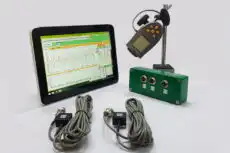
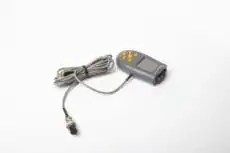
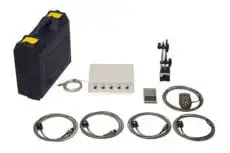
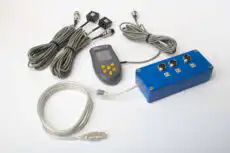
ಕರ್ಟೋಸಿಸ್ ಶುದ್ಧ, ಎಚ್ಛರಿತ ಸಮಯ ತರಂಗರೂಪದಿಂದ ನೇರವಾಗಿ ಕಂಪ್ಯೂಟ್ ಮಾಡಲಾಗುತ್ತದೆ, ಇದು ಎಂಜಿನಿಯರ್ ಮಾಡುತ್ತಿರುವ ಕೆಲಸಕ್ಕೆ ನೈಸರ್ಗಿಕ ಸಙ್ಗಿ ಮಾಡುತ್ತದೆ. ಬ್ಯಾಲನ್ಸೆಟ್ನಂತಹ ಪೋರ್ಟೆಬಲ್ ಅನಾಲೈজರ್ ಬ್ಯಾಲೆನ್ಸೆಟ್-1ಎ ಕಂಪನದ ಸಮಯ ತರಂಗರೂಪ ಆರೋಹಣ ಮತ್ತು spectrum ತನ್ನ ಸ್ವಂತ ಬೇರಿಂಗುಗಳಲ್ಲಿ ಚಲನೆಯಲ್ಲಿರುವ ಯಂತ್ರದಿಂದ, ಆದ್ದರಿಂದ ಖಾತ್ರಿಪಡಿಸಿದಾಗ unbalance ಹೊಂದಿಸಲ್ಪಡುತ್ತದೆ field balancing ಅದೇ ಡೇಟಾಸೆಟ್ ಕುರ್ಟೋಸಿಸ್ ಮೇಲ್ಮೈಗೆ ತರುವ ಪ್ರಭಾವಿ ಬೇರಿಂಗ್ ಅಥವಾ ಗಿಯರ್ ಸಂಕೇತಗಳಿಗೆ ತನಿಖೆ ಮಾಡಬಹುದು. ಆ ಮೌಲ್ಯವನ್ನು ಆವರ್ತಕ ಮಾಪನಗಳಾದ್ಯಂತ ಪ್ರವೃತ್ತಿ ಮಾಡುವುದು ಒಮ್ಮೆಯ ಓದುವಿಕೆಯನ್ನು ಒಂದಕ್ಕೆ ಪರಿವರ್ತಿಸುತ್ತದೆ ಮುಂಚಿತ ಎಚ್ಚರಿಕೆಯ ಸೂಚಕ.
6. ಮಿತಿಗಳು
ಅದೆಷ್ಟೇ ಶಕ್ತಿಶಾಲಿಯಾಗಿದೆ, ಕುರ್ಟೋಸಿಸ್ ಅನ್ನು ಇತರ ತಂತ್ರಗಳ ಜೊತೆಗೆ ಬಳಸಬೇಕು ಉದಾಹರಣೆಗೆ spectrum ಮತ್ತು ತರಂಗರೂಪ ವಿಶ್ಲೇಷಣೆ. ಇದು ಯಾದೃಚ್ಛಿಕ, ಯಂತ್ರ-ಸಂಬಂಧಿತವಲ್ಲದ ಆಘಾತಗಳಿಗೆ ಸಂವೇದನಶೀಲವಾಗಿರುತ್ತದೆ, ಆದ್ದರಿಂದ ಇದನ್ನು ಸೂಚಿಸಲು ಸಾಕಷ್ಟು ಚಿಕಿತ್ಸೆ ಮಾಡಲಾಗುತ್ತದೆ ಪ್ರವೃತ್ತಿಯಲ್ಲಿರುವ ಮಾನದಂಡ ಬದಲಾಗಿ ಸಂಪೂರ್ಣ ಮಿತಿ. ಕಾಲಾವಧಿಯ ಅನುಸಾರ ಕುರ್ಟೋಸಿಸ್ನಲ್ಲಿನ ಸುಸಂಗತ ಏರಿಕೆ ಒಂದೇ ಹೆಚ್ಚಿನ ಓದುವಿಕೆಗಿಂತ ಹೆಚ್ಚು ವಿಶ್ವಾಸಾರ್ಹ ಸೂಚಕವಾಗಿದೆ, ಮತ್ತು ಸ್ಪೆಕ್ಟ್ರಮ್ನಲ್ಲಿ ಮೂಲವನ್ನು ದೃಢೀಕರಿಸುವುದು ಒಂದು ಯಾದೃಚ್ಛಿಕ ಪೀನವನ್ನು ಬೆಳೆಯುತ್ತಿರುವ ದೋಷಗೆ ತಪ್ಪಾದರೆ ತಡೆಯುತ್ತದೆ.

