Understanding the Diagnostic Report




A ರೋಗನಿರ್ಣಯ ವರದಿ is the formal document that communicates the results of vibration analysis or a wider machinery condition assessment. It records the identified faults, classifies their severity, presents the supporting data — ಸ್ಪೆಕ್ಟ್ರಗಳು, trends and ತರಂಗರೂಪಗಳು — and ties everything together with a root-cause diagnosis and timed maintenance recommendations. In short, the report is where raw measurement becomes a decision: it translates technical data into actionable information for maintenance planners, managers and technicians, bridging the gap between analysis findings and maintenance execution.
1. Definition: The Purpose of a Diagnostic Report
The diagnostic report is both a communication tool and a permanent historical record. A good one is concise yet comprehensive — it presents complex technical information in an accessible format while still carrying every detail needed for informed decision-making. It documents not only ಏನು condition the equipment is in, but ಏಕೆ a particular action was recommended, so that the reasoning survives long after the analyst has moved on.
Within a structured ಸ್ಥಿತಿ-ಮಾನದರ್ಶನ programme the report is the deliverable that converts measurement effort into business value. Without it, even the best diagnosis stays locked in the analyst’s head; with it, the organisation gains a traceable chain from symptom to cause to corrective action.
2. Essential Report Components
ಕಾರ್ಯನಿರ್ವಾಹಕ ಸಾರಾಂಶ
The summary lets a decision-maker act without reading the full report. It should fit on a single page and contain:
- Equipment identification: tag number, description and location.
- Key finding: the primary defect or condition stated in one clear sentence.
- ತೀವ್ರತೆ: a classification — minor, moderate, serious or critical.
- ಶಿಫಾರಸು: the required action and the timeline for it.
ವಿವರವಾದ ಕಂಡುಬಂದ ಸಂಗತಿಗಳು
The body of the report substantiates the summary. Fault identification names the specific defect (for example a bearing outer-race spall or a shaft crack), the affected component and its location, the analyst’s confidence level, and any alternative possibilities where the diagnosis is uncertain. The supporting evidence then proves the case:
- Vibration data: current values compared against baseline and limits.
- ಸ್ಪೆಕ್ಟ್ರಗಳು: FFT and ಆವರಣ ಸ್ಪೆಕ್ಟ್ರಾ with the relevant fault frequencies annotated.
- ಟ್ರೆಂಡ್ಗಳು: historical progression plots from ಪ್ರವೃತ್ತಿ ವಿಶ್ಲೇಷಣೆ.
- ಅಲೆರೂಪಗಳು: ಆ time waveform where it adds diagnostic value, such as showing impulsive impacts.
- ಫೋಟೋಗಳು: of equipment condition if the machine was physically inspected.
Severity Assessment and Root Cause
Each finding needs a severity classification — a 1-to-5 scale or a descriptive grade — together with the basis for that rating (amplitude, rate of change, fault type), an estimate of ಉಳಿದ ಉಪಯುಕ್ತ ಜೀವನ, and the progression rate where one can be established. The root-cause analysis answers why the fault developed at all: it weighs operating conditions, maintenance history and age, identifies contributing factors, and recommends measures to prevent recurrence rather than merely treating the symptom.
Recommendations
Recommendations should be tiered by urgency: immediate actions (revised monitoring frequency, operating restrictions), short-term repairs with timing in weeks, and long-term root-cause corrections or design improvements. When several items compete for attention, the report must prioritise them so the planner knows what to schedule first.
3. Report Formats
Different audiences and intervals call for different report types:
- Exception reports focus only on equipment that has exceeded its alarm thresholds. They are usually generated automatically from the monitoring database and distributed daily or weekly — the most common format for routine surveillance because they highlight only what needs attention.
- Detailed investigation reports document the full diagnostic process for a specific problem, drawing on multiple data types and analyses. They are produced on demand for complex problems or critical machinery.
- Trend reports emphasise condition progression over time, machine-by-machine or as fleet summaries, typically monthly or quarterly. They are a strategic planning tool built on continuous ಪ್ರವೃತ್ತಿಯಲ್ಲಿರುವ.
- Executive dashboards give high-level programme status, a fleet-health overview and key performance indicators for management review.
4. Best Practices for Clear, Actionable Reporting
Clarity and conciseness come first: write for the intended audience — managers want conclusions, technicians want detail — avoid unnecessary jargon, use specific language, and aim for that one-page summary wherever possible. Because a graphic is often clearer than a paragraph, lean on visual communication: annotated spectra that highlight fault frequencies, trend plots that show progression, colour coding for severity, and photographs of damaged components when available.
Above all, recommendations must be genuinely actionable. Compare the two columns below — the right-hand style is what drives reliable maintenance:
| Weak recommendation | Actionable recommendation |
|---|---|
| “Investigate further” | “Replace the drive-end bearing” |
| “Soon” | “Within two weeks” |
| Unprioritised list | Most urgent item first, with practical constraints considered |
Finally, good documentation discipline closes the loop: archive every report, link it to the equipment history, track whether each recommendation was implemented, and feed the results back into programme improvement.
5. A Standard Template and Quality Criteria
A consistent template makes reports easy to write and easy to read. A widely used structure runs: (1) equipment info — ID, description, criticality; (2) summary — key finding and recommendation; (3) current condition — latest measurements versus limits; (4) trend data; (5) detailed analysis — spectra, waveforms and diagnostic reasoning; (6) fault identification — what defect, which component; (7) severity — classification and justification; (8) recommendations — actions, timeline, priority; and (9) appendices with full data and references where needed.
Three quality criteria separate a report that is trusted from one that is filed and forgotten:
- Technical accuracy: correct fault identification, sound interpretation of the data, defensible diagnostic reasoning, and peer review for complex cases.
- ಸಂಪೂರ್ಣತೆ: all necessary information present, supporting data attached, recommendations clear, and no critical question left unanswered.
- Timeliness: issued promptly after analysis, with urgent findings communicated immediately and routine reports kept to a regular schedule.
6. Where the Field Data Comes From
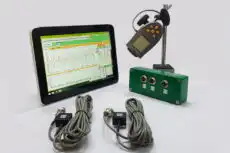
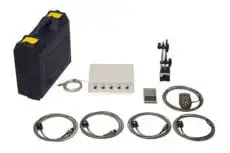
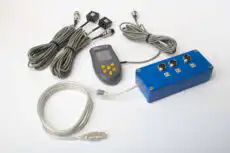
A report is only as good as the measurements behind it, and much of that data is gathered on the machine itself. A portable two-channel instrument such as the ಬ್ಯಾಲೆನ್ಸೆಟ್-1ಎ lets the analyst capture the spectra, amplitude-and-phase readings and waveforms that populate the detailed-findings section, then verify the result after a correction so the report can document a clear before-and-after. Recording those values directly from the running machine — at operating speed, in its own bearings — gives the diagnosis an evidentiary backbone that a desk-only assessment cannot match. Well-crafted reports built on this kind of data, combining clear problem identification, solid evidence, accurate severity assessment and specific recommendations, are what ultimately maximise the return on a condition-monitoring investment.

