ಕಂಪನ ವಿಶ್ಲೇಷಣೆಯಲ್ಲಿ ಹಂತ ತಿಳಿಸಿಕೊಳ್ಳುವುದು
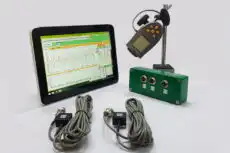


ಫೇಸ್ ಎರಡು ಸಂಕೇತಗಳ ನಡುವಿನ ಸಮಯದ ಸಂಬಂಧವನ್ನು ವಿವರಿಸುತ್ತದೆ ಅಥವಾ, ತಿರುಗುವ ಯಂತ್ರಗಳ ಕೆಲಸದಲ್ಲಿ ಹೆಚ್ಚು ಉಪಯುಕ್ತವಾಗಿ, ತಿರುಗುವ ಶಾಫ್ಟ್ನ ಸ್ಥಿರ ಉಲ್ಲೇಖ ಬಿಂದುವಿಗೆ ಸಂಕೇತದ ಸಮಯ vibration ತಿರುಗುವ ಶಾಫ್ಟ್ನ ಸ್ಥಿರ ಉಲ್ಲೇಖ ಬಿಂದುವಿಗೆ ಸಂಬಂಧಿಸಿದೆ. ಇದು "ಯಾವಾಗ" ಪ್ರಶ್ನೆಗೆ ಉತ್ತರ ನೀಡುತ್ತದೆ where ಯಲ್ಲಿ ವೈಬ್ರೇಶನ್ ಸಂಭವಿಸುತ್ತಿದೆ ಎಂಬ ಪ್ರಶ್ನೆಗೆ ಉತ್ತರಿಸುತ್ತದೆ, ಮತ್ತು ಇದನ್ನು ಸಾಮಾನ್ಯವಾಗಿ 0° ನಿಂದ 360° ವರೆಗೆ ಡಿಗ್ರಿಗಳಲ್ಲಿ ಅಳೆಯಲಾಗುತ್ತದೆ, ಶಾಫ್ಟ್ನ ಒಂದು ಪೂರ್ಣ ತಿರುಗುವಿಕೆ. ಒಂದು ವೇಳೆ amplitude tells you how much ಯಂತ್ರವು ಕಂಪನ ಮಾಡುತ್ತಿದೆ ಮತ್ತು frequency tells you how fast, ಹಂತವು ನಿಮಗೆ ಹೇಳುತ್ತದೆ ಅದು ಹೇಗೆ ಚಲಿಸುತ್ತಿದೆ — ಇದು ನಿಖರವಾಗಿ ಅದೇ ಆವರ್ತನವನ್ನು ಹಂಚಿಕೊಳ್ಳುವ ದೋಷಗಳನ್ನು ಬೇರೆ ಮಾಡುತ್ತದೆ.
ಆ ಕೊನೆಯ ಅಂಶವೇ ಹಂತವು ಏಕೆ ಮಹತ್ವವನ್ನು ಹೊಂದಿದೆ ಎಂಬುದರ ಹೃದಯ. Unbalance, misalignment, a bent shaft and looseness ಎಲ್ಲಾ 1× ಉನ್ನತ ಬಿಂದುವನ್ನು ಹೆಚ್ಚಿಸಬಹುದು running-speed ಶಿಖರ; ಯಂತ್ರವನ್ನು ನಿರ್ಮಾಣ ಮಾಡದೆಯೇ ಅವುಗಳನ್ನು ಬೇರೆ ಮಾಡಲು ಹಂತವು ಸಾಮಾನ್ಯವಾಗಿ ಏಕೈಕ ಮಾರ್ಗವಾಗಿದೆ.
1. ಹಂತವನ್ನು ಹೇಗೆ ಅಳೆಯಲಾಗುತ್ತದೆ
ಹಂತವನ್ನು ಓದಲು ಎರಡು ಸಂಕೇತಗಳು ಅಗತ್ಯವಾಗಿರುತ್ತವೆ:
- ಕಂಪನ ಸಂಕೇತ — ಒಂದು ಯಂತ್ರದ ಥರಾಥರಾ ವಿಶ್ಲೇಷಕದಿಂದ ಪ್ರಾಥಮಿಕ ಮಾಪನ accelerometer ಅಥವಾ ಪ್ರಾಕ್ಸಿಮಿಟಿ ಪ್ರೋಬ್ ಯಂತ್ರದ ಚಲನೆಯನ್ನು ವೀಕ್ಷಿಸುತ್ತದೆ.
- ಉಲ್ಲೇಖ ಸಂಕೇತ — ಒಂದು ಟ್ಯಾಕೋಮೀಟರ್ ಸೆನ್ಸರ್ ನಿಂದ ಪ್ರತಿ ರೆವೊಲ್ಯೂಷನ್ ಸಮಯದ ನಾಡಿ tachometer, ಗುರಿ ಪ್ರತಿಫಲಿತ ಟೇಪ್ ಅಥವಾ ಕೀವೇ ಆದ್ದರಿಂದ ಪ್ರತಿ ಬಾರಿ ಬುರುಕ ಸೆನ್ಸರ್ ಮೂಲಕ ಹಾದುಹೋಗುತ್ತದೆ ಅದು ಸ್ವಚ್ಛ ನಾಡಿಯನ್ನು ಫೈರ್ ಮಾಡುತ್ತದೆ. ಕಾರ್ಯಾತ್ಮಕವಾಗಿ ಇದು ಶಾಶ್ವತವಾಗಿ ಸ್ಥಾಪಿತ ಕೀಫೇಸರ್.
ದಿ ಥರಾಥರಾ ವಿಶ್ಲೇಷಕ ನಂತರ ಆಯ್ಕೆ ಮಾಡಿದ ಆವೃತ್ತಿಯಲ್ಲಿ — ಸಾಮಾನ್ಯವಾಗಿ 1× ಓಡುವ ವೇಗ — ಉಲ್ಲೇಖ ಸ್ಪಂದನ ಮತ್ತು ಕಂಪನ ಸಂಕೇತದ ಮೊದಲ ಧನಾತ್ಮಕ ಶಿಖರದ ನಡುವಿನ ಸಮಯ ವಿಳಂಬವನ್ನು ಅಳೆಯುತ್ತದೆ ಮತ್ತು ಆ ವಿಳಂಬವನ್ನು ಕೋನವಾಗಿ ಪರಿವರ್ತಿಸುತ್ತದೆ. ಉದಾಹರಣೆಗೆ 90° ವಾಚನವು ಉಲ್ಲೇಖ ಗುರುತು ಟ್ಯಾಕೋಮೀಟರ್ ಮುಂದೆ ಹಾದ ನಂತರ ಕಂಪನ ಶಿಖರವು ಕ್ರಾಂತಿಯ ಕಾಲು ಭಾಗದ ನಂತರ ತಲುಪುತ್ತದೆ ಎಂದು ಅರ್ಥ. ಫಲಿತಾಂಶವು ನಿರ್ದಿಷ್ಟ ಆವೃತ್ತಿಗೆ ಸಂಬಂಧಿಸಿರುವ ಕಾರಣ, ಫೇಸ್ ಅನ್ನು ಹೆಚ್ಚಾಗಿ 1× ಘಟಕದ ಜೊತೆಯಲ್ಲಿ ಉಲ್ಲೇಖಿಸಲಾಗುತ್ತದೆ; ಅದೇ ಕಲ್ಪನೆಯನ್ನು ಸ್ಪೆಕ್ಟ್ರಮ್ನಾದ್ಯಂತ ಸಾಮಾನ್ಯೀಕರಿಸಿದಾಗ ಅದು phase angle ಅಂತಹ ಪ್ರಸ್ತುತಿಯ ನಿರ್ಮಾಣ ಬ್ಲಾಕ್ Bode and ನೈಕ್ವಿಸ್ಟ್ diagrams.
2. ಹಂತದ ರೋಗನಿರ್ಣಯ ಶಕ್ತಿ
ಹಂತವು ಕೇವಲ ಒಂದು ಸಂಖ್ಯೆಗಿಂತ ಹೆಚ್ಚು. ಯಂತ್ರದ ವಿವಿಧ ಬಿಂದುಗಳಲ್ಲಿ, ಅದೇ ಮಾಪನ ದಿಕ್ಕಿನಲ್ಲಿ ತೆಗೆದ ಮಾಪನಗಳನ್ನು ಹೋಲಿಸುವ ಮೂಲಕ, ವಿಶ್ಲೇಷಕರು ನಿರ್ದಿಷ್ಟ ರೋಗನಿರ್ಣಯಗಳನ್ನು ಹೆಚ್ಚಿನ ಆತ್ಮವಿಶ್ವಾಸದೊಂದಿಗೆ ದೃಢೀಕರಿಸಬಹುದು ಅಥವಾ ತಿರಸ್ಕರಿಸಬಹುದು. ಮುಖ್ಯ ಥೀಮ್ ಎರಡು ಸ್ಥಳಗಳ ಹೋಲಿಕೆ: ಅವರು together ಚಿತ್ರ ಒಂದು ದಿಕ್ಕಿಗೆ ಸೂಚಿಸುತ್ತದೆ; ಅವರು ಚಲಿಸಿದರೆ opposition ಇದು ಇನ್ನೊಂದು ಕಡೆಗೆ ಸೂಚಿಸುತ್ತದೆ. ಕೆಳಗಿನ ಉಪವಿಭಾಗಗಳು ಶ್ರೇಷ್ಠ ಮಾದರಿಗಳನ್ನು ಅಧ್ಯಯನ ಮಾಡುತ್ತವೆ.
ಅಸಮತೋಲನ ದೃಢೀಕರಿಸುವುದು
ಶುದ್ಧ ಅಸಂತುಲನವು ಒಂದು ರೋಟರ್ನ ಎರಡೂ ಬೇರಿಂಗ್ಗಳಲ್ಲಿ ಒಂದೇ ರೇಡಿಯಲ್ ದಿಕ್ಕಿನಲ್ಲಿ (ಉದಾ., ಅಡ್ಡಲಾಗಿ) ಅಳೆದಾಗ ಒಂದೇ ರೀತಿಯ ಫೇಸ್ ವಾಚನಗಳನ್ನು — ಸಾಮಾನ್ಯವಾಗಿ ±30° ವ್ಯಾಪ್ತಿಯಲ್ಲಿ — ನೀಡುತ್ತದೆ. ರೋಟರ್ ಸಂಪೂರ್ಣವಾಗಿ ಒಂದು ಕ್ಷಣದಲ್ಲಿ ಭಾರವಾದ ಭಾಗದಿಂದ ಒಂದು ದಿಕ್ಕಿನಲ್ಲಿ ಎಳೆಯಲ್ಪಡುವ ಕಾರಣ, ಎರಡೂ ತುದಿಗಳು ಸಮಾನಾಂತರವಾಗಿ ಚಲಿಸುತ್ತವೆ. ಒಂದು ಬೇರಿಂಗ್ನಲ್ಲಿ ಅಡ್ಡ ಮತ್ತು ಲಂಬ ವಾಚನಗಳನ್ನು ಹೋಲಿಸುವುದು ಮತ್ತೊಂದು ಸುಳಿವನ್ನು ಸೇರಿಸುತ್ತದೆ: ನಿಜವಾದ ಅಸಂತುಲನವು ಅವುಗಳ ನಡುವೆ ಸರಿಸುಮಾರು 90° ವ್ಯತ್ಯಾಸವನ್ನು ತೋರಿಸುವ ಪ್ರವೃತ್ತಿ ಹೊಂದಿರುತ್ತದೆ.
ತಪ್ಪು ಜೋಡಣೆ ರೋಗನಿರ್ಣಯ ಮಾಡುವುದು
ಹಂತವು ಶಾಫ್ಟ್ ದೃಢೀಕರಿಸುವ ಸುಸ್ಪಷ್ಟವಾದ ಮಾರ್ಗಗಳಲ್ಲಿ ಒಂದಾಗಿದೆ misalignment. ಅಕ್ಷೀಯ ಹಂತದ ಮಾಪನಗಳನ್ನು ಒಂದು ಎರಡೂ ಬದಿಯಲ್ಲಿ ತೆಗೆಯಿರಿ coupling: ಅದರಾದ್ಯಂತ 180° ಫೇಸ್ ಬದಲಾವಣೆ (±30°) ಕೋನೀಯ ತಪ್ಪಾಗಿ ಜೋಡಣೆಯ ಪ್ರಮಾಣಿತ ಲಕ್ಷಣವಾಗಿದ್ದು, ಒಂದು ಶಾಫ್ಟ್ ಅಕ್ಷೀಯವಾಗಿ ಹೊರಕ್ಕೆ ಚಲಿಸಿದಾಗ ಇನ್ನೊಂದು ಒಳಕ್ಕೆ ಚಲಿಸುತ್ತದೆ ಎಂದು ತೋರಿಸುತ್ತದೆ — ಕಪ್ಲಿಂಗ್ನಲ್ಲಿ ಅಲ್ಲಾಡುವ, ತೊಟ್ಟಿಲಿನ ಚಲನೆ.
ಅಸಮತೋಲನವನ್ನು ವಾಯುವಿಲೀನ ಶಾಫ್ಟ್ ಎಂದ ವ್ಯತ್ಯಾಸ ಮಾಡುವುದು
ಅಸಮತೋಲನ ಮತ್ತು ಒಂದು ಎರಡೂ bent shaft ಎರಡೂ 1× ಕಂಪನವನ್ನು ಹೆಚ್ಚಿಸುತ್ತವೆ, ಆದರೆ ಫೇಸ್ ಅವುಗಳನ್ನು ಪ್ರತ್ಯೇಕಿಸುತ್ತದೆ. ಒಂದೇ ಮೋಟಾರ್ ಅಥವಾ ಪಂಪ್ ಶಾಫ್ಟ್ನ ಎರಡೂ ತುದಿಗಳಲ್ಲಿ ತೆಗೆದ ಅಕ್ಷೀಯ ಫೇಸ್ ವಾಚನಗಳು ಸುಮಾರು 180° ವ್ಯತ್ಯಾಸ ತೋರಿಸಿದರೆ ಅದು ಬಾಗು ಸೂಚಿಸುತ್ತದೆ: ಬಾಗು ತಿರುಗಿದಂತೆ ತುದಿಗಳು ವಿರುದ್ಧ ಅಕ್ಷೀಯ ದಿಕ್ಕಿನಲ್ಲಿ ಚಲಿಸುತ್ತವೆ.
ಸ್ವಾಭಾವಿಕ ಸ್ಪಂದನ ಅಥವಾ ಪೀಠದ ಬಿರುಕನ್ನು ಗುರುತಿಸುವುದು
ಹಂತದ ಮಾಪನಗಳು ವಿಲಕ್ಷಣ, ಅಸ್ಥಿರ ಅಥವಾ ಪುನರಾವರ್ತಿಸಲಾಗದ ವಿದ್ಯುತ್ ಯಾಂತ್ರಿಕವಾಗಿರುತ್ತವೆ looseness ಅದು ಸಾಮಾನ್ಯವಾದ ಶಂಕೆ. ಪರೀಕ್ಷೆ ಯಂತ್ರ ಪಾದದಿಂದ ಅದರ ಪೆದಾಂತಿಕೆಗೆ, ಅಥವಾ ಪೆದಾಂತಿಕೆಯಿಂದ ಪೀಠಕ್ಕೆ ನಡೆಯುವಾಗ ಹಂತದಲ್ಲಿನ ಚೆನ್ನಾಗಿ ಗುರುತಿಸಿದ ಬದಲಾವಣೆ ತೆಗೆಗಳಿ ನಂಬೋಲ್ಟ್ ಅಥವಾ ಪೀಠದ ಬಿರುಕನ್ನು ಸೂಚಿಸುತ್ತದೆ — ಮತ್ತು ಅಸಾಕ್ಷಾತ್ ಸುತ್ತಲಿನ ಅಸ್ತಿವಾರ ನಿಷ್ಠುರತೆ.
ಪುನರುಜ್ಜೀವನ ದೃಢೀಕರಿಸುವುದು
ಯಂತ್ರವು ಚಲನಾ ಪ್ರಾರಂಭಿಸಿದಾಗ ಅಥವಾ ಪರಸ್ಪರ ಹಾರಿಸಿದಾಗ critical speed, 1× ಫೇಸ್ ರೆಸೊನೆನ್ಸ್ನ ನಿಖರವಾಗಿ resonance ಪೀಠ ಮತ್ತು ಸಂಪೂರ್ಣ 180° ಸಂಪೂರ್ಣ ಪುನರುಜ್ಜೀವನ ಪ್ರದೇಶದಲ್ಲಿ ವಿಭಜನೆ. ಆ ದುಂಡುಲೆ ವೀಕ್ಷಣೆ — ಸುಲಭವಾಗಿ ಹೊಂದಾಣಿಕೆ ಸಮಯದಲ್ಲಿ coastdown — ಒಂದು ಪುನರುಜ್ಜೀವನಾಪ್ನೋ ಬದಲಾಯಿ ಪ್ರಕ್ರಿಯೆ ಸಮಸ್ಯೆ ವಿರುದ್ಧ ಖಚಿತ ಮಾರ್ಗ.
3. ಹಂತದ ಮಾದರಿಗಳಿಗಾಗಿ ತ್ವರಿತ ಉಲ್ಲೇಖ
| Observation | ಸಂಭವನೀಯ ರೋಗನಿರ್ಣಯ |
|---|---|
| ಇಬ್ಬರು ಕೈಲುಗಳು ಹಂತದಲ್ಲಿ, ಅದೇ ರೇಡಿಯಲ್ ದಿಕ್ಕಿನಲ್ಲಿ | Unbalance |
| ಕಪ್ಲಿಂಗ್ನಾದ್ಯಂತ ≈180°, ಅಕ್ಷೀಯ | ಕೋನೀಯ ವಿಚಲನ |
| ಒಂದು ಶಾಫ್ಟ್ನ ಎರಡೂ ತುದಿಗಳಾದ್ಯಂತ ≈180°, ಅಕ್ಷೀಯ | ಬಾಗಿದ / ಪೂರ್ಣವಾಗಿ ವಾಲಿದ ರೋಟರ್ |
| ಅನಿಯಮಿತ, ಪುನರಾವರ್ತನೀಯವಲ್ಲದ ಹಂತ | ಯಾಂತ್ರಿಕ ಸಡಿಲತೆ |
| ಶಿಖರದಲ್ಲಿ 90° ಬದಲಾವಣೆ, ಪ್ರದೇಶದಾದ್ಯಂತ 180° | ಅನುರಣನ / ವಿಚಾರಕ ವೇಗ |
ಈ ನಿಯಮಗಳು ಮಾರ್ಗದರ್ಶಕಗಳು, ಖಚಿತತೆ ಅಲ್ಲ: ವೈಶಾಲ್ಯ, ಸ್ಪೆಕ್ಟ್ರಮ್ ಆಕಾರ ಮತ್ತು harmonic ದೃಷ್ಟಿಕೋನ ದೋಷಸಂಶೋಧನಕ್ಕೆ ಮುಂದುವರಿಯುವ ಮೊದಲು ಖಚಿತಪಡಿಸಿಕೊಳ್ಳಿ.
4. ಸಮತೋಲನಕ್ಕೆ ಹಂತ ಪ್ರಮುಖ ಸಾಧನ
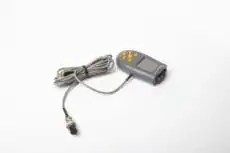
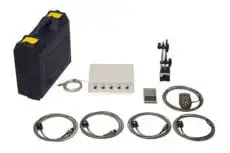
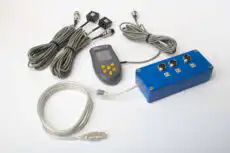
ಹಂತವು ಅಪರಿಹಾರ್ಯ rotor balancing. 1× ಹಂತ ಓದುವಿಕೆ ಉಲ್ಲೇಖ ಗುರುತಿನ ಸಾಪೇಕ್ಷವಾಗಿ ಭಾರೀ ಸ್ಥಳದ ಕೋನೀಯ ಸ್ಥಳವನ್ನು ನೇರವಾಗಿ ಸೂಚಿಸುತ್ತದೆ, ತಂತ್ರಜ್ಞನಿಗೆ ಎಲ್ಲಿ ಸೇರಿಸುವುದು ಅಥವಾ ತೆಗೆದುಹಾಕುವುದು ಎಂಬುದನ್ನು ನಿಖರವಾಗಿ ಹೇಳುತ್ತದೆ ತಿದ್ದುಪಡಿ ತೂಕ. ಪ್ರಾಯೋಗಿಕವಾಗಿ ವಿಶ್ಲೇಷಕವು ಸ್ಥಾಪನೆಯ ಮೊದಲು ವೈಶಾಲ್ಯ ಮತ್ತು ಹಂತವನ್ನು ದಾಖಲಿಸುತ್ತದೆ trial weight ಅನ್ನು ಅಳವಡಿಸಲಾಗುತ್ತದೆ, ನಂತರ ಮತ್ತೆ, ಮತ್ತು ಅಂತಿಮ ದೋಷಸಂಶೋಧನವನ್ನು ಲೆಕ್ಕಿಸಲು ಬದಲಾವಣೆಯನ್ನು ಬಳಸುತ್ತದೆ ಪ್ರಭಾವ ಗುಣಾಂಕಗಳು ಸಂತೋಷ ಫಲಿತಾಂಶವನ್ನು ನೀಡುವ ವಸ್ತುಗಳು. ರೂಢಿ ಎರಡು-ಚ್ಯಾನೆಲ್ ಸಾಧನ ಹಾಗೂ ಬ್ಯಾಲೆನ್ಸೆಟ್-1ಎ ಕಾರ್ಯಾಚರಣ ವೇಗದಲ್ಲಿ ಯಂತ್ರದ ತನ್ನದೇ ಧರಣಿಗಳಲ್ಲಿ ಈ ವೈಶಾಲ್ಯ-ಮತ್ತು-ಹಂತ ಅಳತೆಯನ್ನು ನಿರ್ವಹಿಸುತ್ತದೆ, ತರುವಾಯ ತೀರ್ಪು ನೀಡುತ್ತದೆ ಉಳಿದ ಅಸಮತೋಲನ ತೂಕವನ್ನು ಸ್ಥಾಪಿಸಿದ ನಂತರ. ಕೋನೀಯ ವಿಭಜನವನ್ನು ಕೆಲಸ ಮಾಡುವಾಗ ದೋಷಸಂಶೋಧನವನ್ನು ತೂಕದ ನಡುವೆ ಹಂಚಿಕೆ ಮಾಡಬೇಕಾದಾಗ, ನಮ್ಮ Vibration Phase Angle Calculator ವೆಕ್ಟರ್ ರೇಖಾಗಣಿತವನ್ನು ನಿರ್ವಹಿಸುತ್ತದೆ.
5. ಹಂತವು ಚಿತ್ರವನ್ನು ಪೂರ್ಣಗೊಳಿಸುವುದು ಏಕೆ
ಹಂತವಿಲ್ಲದೆ, ವಿಶ್ಲೇಷಕವು ಕಥೆಯ ಭಾಗವನ್ನು ಮಾತ್ರ ನೋಡುತ್ತಾರೆ — ಮಾಪಿತಗಳು ಮತ್ತು ಆವರ್ತನಗಳು, ಆದರೆ ರಚನೆಯು ಪ್ರತಿ ತಿರುವಿನಲ್ಲಿ ನಿಜವಾಗಿ ಹೇಗೆ ವಿರೂಪಗೊಳ್ಳುತ್ತದೆ ಎಂಬುದರ ಯಾವುದೇ ಗ್ರಹಣ ಇಲ್ಲ. ಹಂತವು ಆ ಕಾಣೆ ಸಂದರ್ಭವನ್ನು ಪೂರೈಸುತ್ತದೆ, ಶಿಖರಗಳ ಪಟ್ಟಿಯನ್ನು ಚಲನೆಯ ಸ್ಪಷ್ಟ ಹೇಳಿಕೆಗೆ ಪರಿವರ್ತಿಸುತ್ತದೆ ಮತ್ತು ರೋಗನಿರ್ಣಯ ಆತ್ಮವಿಶ್ವಾಸವನ್ನು ನಾಟಕೀಯವಾಗಿ ಹೆಚ್ಚಿಸುತ್ತದೆ. ಇದು ಯಂತ್ರವು ಕಂಪನ ಮಾಡುತ್ತದೆ ಎಂದು ತಿಳಿದುಕೊಳ್ಳುವುದು ಮತ್ತು ಅದು ಏಕೆ ತಿಳಿಯುವುದರ ಭಿನ್ನತೆ. ಆ ಕಾರಣಕ್ಕಾಗಿ, ಹಂತವು ಪ್ರತಿಯೊಂದು ಗಂಭೀರ ರೋಗನಿರ್ಣಯದಲ್ಲಿ ಸೇರಿರಬೇಕು ಮತ್ತು ಕ್ಷೇತ್ರ ಸಮತೋಲನ.

