ಶಬ್ದ ಒತ್ತಡ ಸ್ತರವನ್ನು ಅರ್ಥಮಾಡಿಕೊಳ್ಳುವುದು
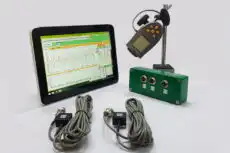
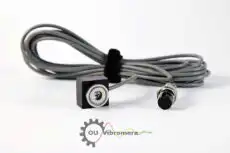
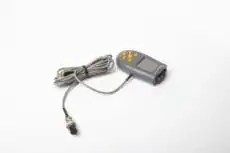
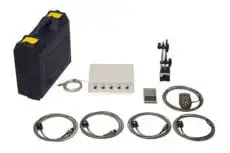

ಶಬ್ದ ಒತ್ತಡ ಸ್ತರ (SPL) ಇದು ಉಲ್ಲೇಖ ಸಾಪೇಕ್ಷವಾಗಿ ಅಕೌಸ್ಟಿಕ್ ಒತ್ತಡದ ಲಾಗರಿದಮಿಕ ಪರಿಮಾಪ ಆಗಿದೆ, ಇದನ್ನು ಡೆಸಿಬೆಲ್ಗಳಲ್ಲಿ (dB) ವ್ಯಕ್ತಪಡಿಸಲಾಗುತ್ತದೆ. ಯಂತ್ರಗಳಿಗೆ ಇದು ಶಬ್ದ-ಪ್ರಸರಣ ತೀವ್ರತೆಯನ್ನು ಪರಿಮಾಪ ಮಾಡುತ್ತದೆ — ಯಂತ್ರದಿಂದ ವಿಕಿರಣ ಗಳಾಯಿತ, ನಿರ್ದಿಷ್ಟ ದೂರದಲ್ಲಿ ಮೈಕ್ರೊಫೋನ್ ಅಥವಾ ಶಬ್ದ-ಸ್ತರ ಮೆಟರ್ನೊಂದಿಗೆ ಅಳೆಯಲಾಗುತ್ತದೆ. SPL ಎಂಬುದು ಘನಿಷ್ಠವಾಗಿ ಸಂಬಂಧಿತವಾಗಿದೆ vibration, ಏಕೆಂದರೆ ಕಂಪನ ಮಾಡುವ ಮೇಲ್ಮಂಡಳಿಗಳು ಶಬ್ದವನ್ನು ವಿಕಿರಣ ಮಾಡುತ್ತವೆ, ಇದು ಅಕೌಸ್ಟಿಕ್ ಪರಿಮಾಪನೆಯನ್ನು ಪ್ರಾಕೃತಿಕ ಪೂರಕವನ್ನಾಗಿ ಮಾಡುತ್ತದೆ vibration analysis ಯಂತ್ರ ಸ್ಥಿತಿ ನಿರ್ಣಯಕ್ಕಾಗಿ — ವಿಶೇಷವಾಗಿ ವಾಯುಗತಿಶಾಸ್ತ್ರೀಯ, ಗಿಯರ್ ಮತ್ತು ಹೊಮ್ಮೆಕೇಂದ್ರ ತೃಟುಗಳಿಗೆ ಇದು ವಿಶೇಷ ಟೋನಲ್ ಅಥವಾ ವಿಶಾಲ-ಪ್ರಬಂಧ ಸಂಕೇತಗಳನ್ನು ರಚಿಸುತ್ತದೆ.
ಆದಿ SPL ಪ್ರಾಯೋಗಿಕವಾಗಿ ಪೇಶೆಗತ-ಸ್ವಾಸ್ಥ್ಯ ಮತ್ತು ಪರಿಸರ ಪರಿಮಿತಿ — ಆಲಿ ರಕ್ಷಣೆ, ಶಬ್ದ ನಿಯಮಗಳು, ಸಮುದಾಯ ಸೀಮೆಗಳು — ಇದು ನೈಜ ನಿರ್ಣಯ ಮೂಲ್ಯವನ್ನು ಹೊಂದಿದೆ. ಶಬ್ದ ಪರಿವರ್ತನಗಳು ಯಾಯಾವುದೋ ಸಂಚಯ ಕೊಳೆತನ ಹಿಂದೆ ಅಥವಾ ಪಟ್ಟುಣಮಾಗಿ ಇರುತ್ತವೆ, ಮತ್ತು ಒಂದು ಅಕೌಸ್ಟಿಕ್ ಸ್ಪೆಕ್ಟ್ರಮ್ ನಿರ್ದಿಷ್ಟ ತೃಟುಗಳನ್ನು ಆವೃತ್ತಿ ಮಾದರಿಗಳ ಮೂಲಕ ಎಂಬುದನ್ನು ಗುರುತಿಸಬಹುದು ಅವು ಕಂಪನದಲ್ಲಿ ತೋರಿಸುವ ವಿಷಯವನ್ನು ಪ್ರತಿಫಲಿಸುತ್ತವೆ spectrum.
1. ಗಣಿತಶಾಸ್ತ್ರ: ಏಕೆ ಡೆಸಿಬೆಲ್ಗಳು?
SPL ಅನ್ನು ಹೀಗೆ ವ್ಯಾಖ್ಯಾನಿಸಲಾಗುತ್ತದೆ:
SPL (dB) = 20 × log₁₀(P / P₀), ಇಲ್ಲಿ P ಎನ್ನುವುದು ಪಾಸ್ಕಲ್ಗಳಲ್ಲಿ ಅಳೆಯಲಾದ ಧ್ವನಿ ಒತ್ತಡ ಮತ್ತು P₀ = 20 µPa, ಮಾನವ ಶ್ರವಣದ ಮಿತಿಗೆ ಅನುಗುಣವಾದ ಉಲ್ಲೇಖ ಒತ್ತಡ.
ಲಾಗರಿದಮ್ ಪ್ರಾಯೋಗಿಕ ಕಾರಣಕ್ಕಾಗಿ ಅಸ್ತಿತ್ವದಲ್ಲಿದೆ: ಕಿವಿ ಅಪಾರ ಶ್ರೇಣಿಯ ಒತ್ತಡವನ್ನು ನಿಭಾಯಿಸುತ್ತದೆ — ದುರ್ಬೋಧವಾದ ಶ್ರವ್ಯ ಧ್ವನಿಯಿಂದ ನೋವಿನ ಮಿತಿವರೆಗೆ ಸುಮಾರು ಹತ್ತು ಲಕ್ಷ ಪಟ್ಟು ಒತ್ತಡದ ವ್ಯಾಪ್ತಿ. ಲಾಗರಿದಮಿಕ್ ಮಾಪಕವು ಆ ವ್ಯಾಪ್ತಿಯನ್ನು ನಿರ್ವಹಣೀಯ 0–120+ dB ಗಾಗಿ ಸಂಕುಚಿತಗೊಳಿಸುತ್ತದೆ. ಇದು ಹೊಸದಾಗಮನದವರನ್ನು ಆಶ್ಚರ್ಯಚಕಿತ ಮಾಡುವ ಅಂಕಗಣಿತವನ್ನೂ ವಿವರಿಸುತ್ತದೆ: ಮಾಪಕವು ಲಾಗರಿದಮಿಕ್ ಆಗಿರುವುದರಿಂದ, ಧ್ವನಿ ದ್ವಿಗುಣಿತ ಶಕ್ತಿ ಕೇವಲ 3 dB ಸೇರಿಸುತ್ತದೆ, ಮತ್ತು ಎರಡು ಸಮಾನ ಜೋರಾದ ಯಂತ್ರಗಳು ಒಂದಕ್ಕಿಂತ 3 dB ಜೋರಾದ — ಎರಡು ಬಾರಿ ಜೋರಾಗಿಲ್ಲ. ಆದ್ದರಿಂದ ಮೂಲಗಳನ್ನು ಸಂಯೋಜಿಸುವುದು ಲಾಗರಿದಮಿಕ್ ಮೊತ್ತ, ನಮ್ಮ ಸಾಮರ್ಥ್ಯದೊಂದಿಗೆ ಸುಲಭವಾಗಿ ನಿರ್ವಹಿಸಲ್ಪಟ್ಟ ನಾಯಿಸ್ ಲೆವೆಲ್ ಸೇರ್ಪಡೆ ಕ್ಯಾಲ್ಕುಲೇಟರ್ ಅಥವಾ ಒತ್ತಡ ಮತ್ತು ಡೆಸಿಬೆಲ್ಗಳ ನಡುವೆ ರೂಪಾಂತರಿಸಲಾಗಿದೆ Sound Level Converter.
ಮಾಪಕಕ್ಕೆ ಒರಟು ಕ್ಷೇತ್ರ ಮಾರ್ಗದರ್ಶಕ ಆಗಿ: 0 dB ಶ್ರವ್ಯತೆಯ ಮಿತಿ; 30–40 dB ಶಾಂತ ಕೋಣೆ; 60–70 dB ಸಾಮಾನ್ಯ ಸಂವಾದ; 80–90 dB ಗದ್ದಲದಾಯಕ ಯಂತ್ರೋಪಕರಣ ಅಲ್ಲಿ ಶ್ರವಣ ಸುರಕ್ಷೆಯನ್ನು ಸೂಚಿಸಲಾಗುತ್ತದೆ; 100–110 dB ಅತ್ಯಂತ ಗದ್ದಲದಾಯಕ ಯಂತ್ರೋಪಕರಣ ಅಲ್ಲಿ ಇದು ಅಗತ್ಯ; ಮತ್ತು 120 dB ಮತ್ತು ಹೆಚ್ಚಿನ ನೋವಿನ ಮಿತಿ, ತಕ್ಷಣದ ಶ್ರವಣ ಹಾನಿಯ ಅಪಾಯದೊಂದಿಗೆ.
2. SPL ಅನ್ನು ಹೇಗೆ ಮಾಪನ ಮಾಡಲಾಗುತ್ತದೆ
ಧ್ವನಿ-ಮಟ್ಟ ಮೀಟರ್ಗಳು
- ಒಂದು ನಿಖರ ಮೈಕ್ರೋಫೋನ್ ಒಂದು ಮೀಟರಾಗಿ ಇರುತ್ತದೆ ಇದು ಆವರ್ತನ ತೂಕ ಮತ್ತು ಸಮಯ ತೂಕ ಅನ್ವಯ ಮಾಡುತ್ತದೆ ಮತ್ತು dB SPL ನಲ್ಲಿ ಫಲಿತಾಂಶವನ್ನು ಪ್ರದರ್ಶಿಸುತ್ತದೆ.
- ಯಂತ್ರಗಳನ್ನು ತರಗತಿ 1 (ನಿಖರತೆ) ಅಥವಾ ತರಗತಿ 2 (ಸಾಮಾನ್ಯ ಉದ್ದೇಶ) ಅಡಿಯಲ್ಲಿ ವರ್ಗೀಕೃತಗೊಳಿಸಲಾಗುತ್ತದೆ IEC 61672.
ಮಾಪನ ದೂರ
- Near field: ಮೂಲದಿಂದ 1 ಮೀ ಗಿಂತ ಕಡಿಮೆ, ಗದ್ದಲದಾಯಕ ಅಂಶವನ್ನು ಗುರುತಿಸಲು ಉಪಯುಕ್ತ.
- Far field: 1 ಮೀ ಹೆಚ್ಚಾಗಿ, ಅಲ್ಲಿ ಮುಕ್ತ-ಕ್ಷೇತ್ರ ಪರಿಸ್ಥಿತಿಗಳು ಹೊಂದಿರುತ್ತದೆ; 1 ಮೀ ಯಂತ್ರೋಪಕರಣಕ್ಕೆ ಸಾಮಾನ್ಯ ಮಾನದಂಡ.
- ಮುಕ್ತ ಕ್ಷೇತ್ರದಲ್ಲಿ SPL ಸುಮಾರು ಬೀಳುತ್ತದೆ 6 dB ದೂರದ ಪ್ರತಿ ದ್ವಿಗುಣನ — ಆಧಾರ ನಾಯಿಸ್ ದೂರ ಕ್ಷೀಣತೆ ಕ್ಯಾಲ್ಕುಲೇಟರ್.
ಆವರ್ತನ ತೂಕ
- A-ತೂಕ (dBA): ಕಿವಿಯ ಸೂಕ್ಷ್ಮತೆಯನ್ನು ಅನುಕರಣ ಮಾಡಲು ಪ್ರತಿಕ್ರಿಯೆಯನ್ನು ರೂಪಿಸುತ್ತದೆ; ಧ್ವನಿ ಮೌಲ್ಯಮಾಪನಕ್ಕೆ ಅತ್ಯಂತ ಸಾಮಾನ್ಯ.
- C-ತೂಕ (dBC): ತುಲನಾತ್ಮಕವಾಗಿ ಸಮತಟ್ಟಾದ, ಶಿಖರ ಮತ್ತು ಪ್ರಭಾವಿತ ಧ್ವನಿಗೆ ಕಡಿಮೆ-ಆವರ್ತನ ಸಾಮಗ್ರೀಯನ್ನು ಧರಿಸಿದೆ.
- Z / ರೇಖೀಯ (dBZ): ತೂಕ ಅಪ್ರಯುಕ್ತ; ಪ್ರತಿಯೊಂದು ಆವೃತ್ತಿಯೂ ಸಮಾನವಾಗಿ ಲೆಕ್ಕ ಹಾಕಲಾಗುತ್ತದೆ, ಎಂಜಿನಿಯರಿಂಗ್ ವಿಶ್ಲೇಷಣೆಗೆ ಆದ್ಯತೆ ನೀಡಲಾಗುತ್ತದೆ.
3. ಕಂಪನ ಸಂಬಂಧ
ಕಂಪಿಸುವ ಮೇಲ್ಮೈಯಿಂದ ವಿಕಿರಿತ ಧ್ವನಿ
- ಕಂಪಿಸುವ ಮೇಲ್ಮೈ ಸುತ್ತಮುತ್ತ ಗಾಳಿಯನ್ನು ಒತ್ತಿಕೊಳ್ಳುತ್ತದೆ ಮತ್ತು ಧ್ವನಿ ಅಲೆಗಳನ್ನು ವಿಕಿರಿಸುತ್ತದೆ.
- ವಿಕಿರಿತ ಧ್ವನಿ ಶಕ್ತಿ ಸರಿಸುಮಾರು ಏರುತ್ತದೆ velocity² × area, ಆದ್ದರಿಂದ ಹೆಚ್ಚಿನ ಮೇಲ್ಮೈ ವೇಗ ಸಾಮಾನ್ಯವಾಗಿ ಹೆಚ್ಚಿನ SPL ಅರ್ಥ ನೀಡುತ್ತದೆ.
- ಲಿಂಕ್ ಸಂಪೂರ್ಣ ಅಲ್ಲ, ಆದಾಗ್ಯೂ — ವಿಕಿರಣ ದಕ್ಷತೆ ಆವೃತ್ತಿ ಮತ್ತು ಪ್ಯಾನೆಲ್ ಜ್ಯಾಮಿತಿಗಳೊಂದಿಗೆ ಬಲವಾಗಿ ಬದಲಾಗುತ್ತದೆ, ಆದ್ದರಿಂದ ಸಮಾನವಾಗಿ ಕಂಪಿಸುವ ಎರಡು ಮೇಲ್ಮೈಗಳು ಅತ್ಯಂತ ವಿಭಿನ್ನವಾಗಿ ವಿಕಿರಿಸಬಹುದು.
ರೋಗನಿರ್ಣಯ ಸಂಬಂಧ
- ಬೆರಿಂಗ್ ಸಮಸ್ಯೆಗಳು: ಹೆಚ್ಚಿನ-ಆವೃತ್ತಿ ಸಿಪ್ಪೆ ಅಥವಾ ಅರಣ್ಯ.
- ಗಿಯರ್ ಸಮಸ್ಯೆಗಳು: ಜಾಲಕ ಆವೃತ್ತಿಯಲ್ಲಿ ವಿಶಿಷ್ಟವಾದ ಕಣ್ಣಿ.
- Unbalance: 1× ನಲ್ಲಿ ಕಡಿಮೆ-ಆವೃತ್ತಿ ಗರಜೆ running speed.
- ಕ್ಯಾವಿಟೇಶನ್: ಆವಿ ಗುಳ್ಳೆಗಳು ಕುಸುಮ್ಸಾಗುವಂತೆ ಯಾದೃಚ್ಛಿಕ ಕ್ರ್ಯಾಕ್ಲಿಂಗ್ ಅಥವಾ ಪಾಪಿಂಗ್.
4. ಅಕೌಸ್ಟಿಕ್ ಸ್ಪೆಕ್ಟ್ರಮ್ ವಿಶ್ಲೇಷಣೆ
ಕಂಪನದೊಂದಿಗೆ ಹಾಗೆಯೇ, ಧ್ವನಿ ಸಂಕೇತವನ್ನು ಆವೃತ್ತಿ ಸ್ಪೆಕ್ಟ್ರಮ್ನಲ್ಲಿ ರೂಪಾಂತರ ಸಂಕೀರ್ಣ ಶಬ್ದವನ್ನು ರೋಗನಿರ್ಣಯಕ್ಷಮ ಭಾಗಗಳಾಗಿ ಬೇರ್ಪಡಿಸುತ್ತದೆ.
ಟೋನಲ್ ಘಟಕಗಳು
- ಗಿಯರ್ ಮೆಶ್: ಹಲ್ಲು-ನಿಯೋಜನೆ ಆವೃತ್ತಿಯಲ್ಲಿ ಶುದ್ಧ ಟೋನ್, ಸಾಮಾನ್ಯವಾಗಿ sidebands.
- Blade passing: ಫ್ಯಾನ್ ಅಥವಾ ಕಂಪ್ರೆಸರ್ ಬ್ಲೇಡ್-ಪಾಸ್ ಆವೃತ್ತಿಯಲ್ಲಿ ಟೋನ್.
- ವಿದ್ಯುತೀಯ: ಮೋಟರ್ಗಳಿಂದ ಲೈನ್ ಆವೃತ್ತಿಯ ಎರಡು ಬಾರಿ 120/100 Hz ಮೋರೆ.
- Bearing tones: a family of ಬೇರಿಂಗ್ ದೋಷ ಆವೃತ್ತಿ harmonics.
ಅಗಲವಾದ ಬ್ರೇಟ್ ಶಬ್ದ
- ವಾಯುಗತಿಕ: ಅಶಾಂತಿ ಮತ್ತು ಹರಿವಿನ ಶಬ್ದ.
- ಕ್ಯಾವಿಟೇಶನ್: ವಿಸ್ತೃತ ಬ್ರೂಡ್ನ ಯಾದೃಚ್ಛಿಕ ಮೀರುವಿಕೆ.
- ಬೇರಿಂಗ್ ಕ್ಷತಿ: ಮೇಲ್ಮೈಗಳು ಕ್ಷೀಣಿಸುತ್ತಿದ್ದಂತೆ ವಿಸ್ತೃತ ಹೆಚ್ಚಳ.
- ಘರ್ಷಣೆ: ನಿರಂತರ ಯಾದೃಚ್ಛಿಕ ನಿಸ್ಸರಣ.
5. ಅನ್ವಯಗಳು
SPL ಮಾಪನವು ನಾಲ್ಕು ಪ್ರಾಯೋಗಿಕ ಕ್ಷೇತ್ರಗಳಲ್ಲಿ ಅದರ ಸ್ಥಾನವನ್ನು ಗಳಿಸುತ್ತದೆ:
- ಸ್ಥಿತಿ ನೋಂದಣಿ: ವೈಭವಿಕ ಡೇಟಾವನ್ನು ಪೂರಕವಾಗಿ, ಬೇರಿಂಗ್ ದೋಷದ ಆರಂಭಿಕ ಸುಳಿವನ್ನು ಅನ್ನಿಸಿಕೊಳ್ಳುತ್ತದೆ — ಶಬ್ದ ಪರಿವರ್ತನೆ ಪ್ರಕರಣ ವೈಭವಿಕತೆಗಿಂತ ಮೊದಲೆ ಹೆಚ್ಚಾಗಬಹುದು — ಮತ್ತು ಶಬ್ದ ಗುಣಮಟ್ಟದ ಬದಲಾವಣೆಗಳ ಮೂಲಕ ಗೇರ್ ಧರಣ ಪತ್ತೆ.
- ಗುಣಮಟ್ಟ ನಿಯಂತ್ರಣ: ಶಬ್ದ ಮಿತಿಗಳ ವಿರುದ್ಧ ಹೊಸ ಸರಂಜಾಮ ಸ್ವೀಕಾರ ಪರೀಕ್ಷೆ, ದುರಸ್ತಿ ನಂತರ ಪರಿಶೋಧನೆ ಮತ್ತು ಉತ್ಪಾದನೆಯಲ್ಲಿ ಉತ್ಪನ್ನ-ಗುಣಮಟ್ಟ ಪರೀಕ್ಷೆ.
- ನಿಯಂತ್ರಕ ಅನುವರ್ತನ: ವೃತ್ತಿವಾಣಿಜ್ಞ ಒಡ್ಡಣೆ ಮಿತಿಗಳು (OSHA, EU ನಿರ್ದೇಶನಗಳು), ಸಮುದಾಯ ಶಬ್ದ ಮಿತಿಗಳು ಮತ್ತು ಸರಂಜಾಮ ನಿರ್ದಿಷ್ಟತೆಗಳು, ಅಸಿ-ಮತ್ತು ಸಂಪರ್ಕ ಸ್ಥೈರ್ಯವೆಂದು ಸಮರ್ಥನೆ ನಾಯಿಸ್ ಎಕ್ಸ್ಪೋಷರ್ ಕ್ಯಾಲ್ಕುಲೇಟರ್.
- ಟ್ರಬಲ್ಶೂಟಿಂಗ್: ಶಬ್ದ ಮೂಲಗಳನ್ನು ಸ್ಥಳೀಕರಣ, ಒಟ್ಟು ಸೌಲಭ್ಯ ಶಬ್ದಕ್ಕೆ ಕೊಡುಗೆದಾರರನ್ನು ಶ್ರೇಣೀಕರಣ ಮತ್ತು ಶಬ್ದ-ಕಡಿತ ಕ್ರಮಗಳ ಪ್ರಭಾವವನ್ನು ಪರಿಶೋಧಿಸುವುದು.
ಎಂದು ನಿರೀಕ್ಷೆಯಿಂದ ನಿರ್ಭರಿಸುವ ಸುಳಿವಿನಂತೆ, 1 ಮೀ ದಲ್ಲಿ ವಿಶಿಷ್ಟ A-ತೂಕದ ಮಟ್ಟ ವಿದ್ಯುತ್ ಮೋಟರ್ಗಳಿಗೆ ಸುಮಾರು 70–85 dBA, ಕೇಂದ್ರಾಭಿಮುಖ ಪಂಪ್ಗಳಿಗೆ 75–90 dBA, ಅಭಿಮುಖಗಳು ಮತ್ತು ಚಾಪರ್ಗಳಿಗೆ 80–100 dBA, ಸ್ಪರ್ಪ ಪೆಟ್ಟಿಗೆಗಳಿಗೆ 75–95 dBA, ಸಂಕೋಚಕಗಳಿಗೆ 85–105 dBA ಮತ್ತು ಡೀಸೆಲ್ ಇಂಜಿನ್ಗಳಿಗೆ 95–110 dBA.
6. ರೋಗನಿರ್ಣಯ ಸೂಚಕವಾಗಿ ಶಬ್ದ
ಸಮಯದ ಪ್ರವಾಹದ ಹೊಸ ಆಲಿಸುವಾಗ ಎರಡು ರೀತಿಯ ಬದಲಾವಣೆ ವಿಷಯಗಳು. A rising level ಬೇರಿಂಗ್ ವಿಕಾಸೋನ್ನತಿಯನ್ನು (ಗ್ರೈಂಡಿಂಗ್ ಅಥವಾ ಕೀರು) ನಿರ್ದೇಶಿಸುತ್ತದೆ, ಗೇರ್ ಪಾಲ್ನೆ (ತೀವ್ರಗೊಳಿಸುವ ಹೈವೈ), ನಿರ್ವಚನೆ ಸಮಸ್ಯೆಗಳು (ಹೆಚ್ಚುತ್ತಿರುವ ಘರ್ಷಣ ಶಬ್ದ) ಅಥವಾ ಸಡಿಲಿಕೆ (ಠಣ ಠಣ ಶಬ್ದ). ಒಂದು ಚಿತ್ರದಲ್ಲಿ ಬದಲಾವಣೆ — ಹೊಸ ಟೋನ್ಗಳು ಕಾಣಿಸಿಕೊಳ್ಳುವುದು, ಆವರ್ತನಗಳು ಬದಲಾಗುವುದು, ಸಾಂದರ್ಭಿಕ ಅಥವಾ ಮಾಡುಲೇಟಿಂಗ್ ಶಬ್ದಗಳು — ಸಮಾನವಾಗಿ ಗಮನಾರ್ಹವಾಗಿದೆ, ಒಟ್ಟಾರೆ dBA ರೀಡಿಂಗ್ ಬಹುತೇಕ ನಿರ್ಮಾಣವಾಗಿಲ್ಲದಿದ್ದರೂ ಅಭಿವೃದ್ಧಿಶೀಲ ಸಮಸ್ಯೆಯನ್ನು ಸೂಚಿಸುತ್ತದೆ.
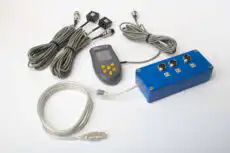
ಅಕೌಸ್ಟಿಕ್ ವಿಧಾನಗಳು ಸೀಮೆ ಹೊಂದಿವೆ: SPL ಮೀಟರ್ everything ಪ್ರದೇಶದಲ್ಲಿ, ಆದ್ದರಿಂದ ಹೆಚ್ಚು ಶಬ್ದವಾಲ್ಯ ನೆರೆ ಯಂತ್ರ, ಗೋಡೆಗಳಿಂದ ಪ್ರತಿಫಲನ ಮತ್ತು ಹಿನ್ನೆಲೆ ಸ್ಥಾವರ ಶಬ್ದ ಸಂಪರ್ಕ ಸಂವೇದಕ ತಪ್ಪಿಸುವ ವಿಧಾನದಲ್ಲಿ ಓದುವಿಕೆಯನ್ನು ಅಪ್ರದೂಷಿತ ಮಾಡುತ್ತದೆ. ಯಾಂತ್ರಿಕ ದೋಷವನ್ನು ಖಚಿತಪಡಿಸಿಕೊಳ್ಳುವುದು ಮತ್ತು ವಿಶೇಷವಾಗಿ ಅದನ್ನು ಸರಿಪಡಿಸುವುದಕ್ಕೆ ಎಂಜಿನಿಯರ್ಗಳು ನೇರ ಕಂಪನ ಮಾಪನಕ್ಕೆ ತಿರುಗುತ್ತಾರೆ. ಶಬ್ದ ಸಮೀಕ್ಷೆ ಅಸಮತೋಲನವನ್ನು ಸೂಚಿಸಿದಾಗ, ಇದರ ಅನುರೂಪ ಸಾಧನ ತೆರೆದುಕೊಳ್ಳುತ್ತಾರೆ: ಬ್ಯಾಲೆನ್ಸೆಟ್-1ಎ ತೆರೆದುಕೊಳ್ಳುವ ಮೂಲಕ ತಾಮ್ರ ಕ್ಷೇತ್ರದಲ್ಲಿ ದ್ವಿ-ಚಾನೆಲ ವಿಶ್ಲೇಷಕವು 1× ವೈಶಾಲ್ಯ ಮತ್ತು ಪ್ರಾರಂಭಿಕ ಸ್ಥಿತಿಯನ್ನು ಮಾಪನ ಮೂಲಕ ಅದನ್ನು ಖಚಿತಪಡಿಸಿಕೊಳ್ಳುತ್ತದೆ ಮತ್ತು ನಂತರ ರೋಟರ್ಕೆ ಸ್ಥಳದಲ್ಲಿ ತೂಕ ನೀಡುತ್ತದೆ — ಮೈಕ್ರೋಫೋನ್ ಕೇವಲ ಸೂಚನೆ ಮಾತ್ರ ನೀಡುವ ಸತ್ಯ ಯಾಂತ್ರಿಕ ಆಧಾರವನ್ನು ಪ್ರತ್ಯೇಕ ಮಾಡುತ್ತದೆ.
7. ಮಾಪನ ಮಾನದಂಡಗಳು
- IEC 61672: ಶಬ್ದ-ಸ್ತರದ ಮೀಟರ್ಗಳ ವಿವರಣೆ.
- ISO 3744: ಶಬ್ದ ಒತ್ತಡದಿಂದ ಶಬ್ದ ಶಕ್ತಿಯ ನಿರ್ಣಯ.
- ISO 1680: ತಿರುಗುವ ವಿದ್ಯುತ್ಕಾರ್ಯ ಯಂತ್ರಗಳಿಗೆ ಶಬ್ದ ಪರೀಕ್ಷಾ ಸಂಕೇತ।
- ANSI S12.19: ಯಂತ್ರ ಶಬ್ದದ ಮಾಪನ।
ಕಂಪನದೊಂದಿಗೆ ಬಳಸಿದಾಗ, SPL ಯಂತ್ರ ಆರೋಗ್ಯದ ಸಂಪೂರ್ಣ ಚಿತ್ರವನ್ನು ಪೂರ್ಣ ಮಾಡುತ್ತದೆ: ಮೈಕ್ರೋಫೋನ್ ಕೆಲವೊಮ್ಮೆ ಮೊದಲು ಎಚ್ಚರಿಸುತ್ತದೆ, accelerometer ಖಚಿತಪಡಿಸುತ್ತದೆ ಮತ್ತು ಸ್ಥಾನೀಯೀಕರಿಸುತ್ತದೆ, ಮತ್ತು ಒಂದೇ ಯಾವುದೂ ಆಗುವುದಕ್ಕಿಂತ ಅವರು ಒಟ್ಟಿಗೆ ಹೆಚ್ಚು ಸಂಪೂರ್ಣ ಮೌಲ್ಯಾಂಕನ ನೀಡುತ್ತಾರೆ।

