ಸ್ಪೈಕ್ ಎನರ್ಜಿ ಅರ್ಥೈಸುವುದು






ಸ್ಪೈಕ್ ಶಕ್ತಿ (ಪ್ರಭಾವ ಶಕ್ತಿ ಅಥವಾ ಆಘಾತ-ನಾಡಿ ಶಕ್ತಿ ಎಂದೂ ಕರೆಯಲ್ಪಡುವ) ಒಂದು vibration ಮಾಪನ ಪ್ರಾಚಲ ಇದು ಹೆಚ್ಚಿನ-ಆವೃತ್ತಿ ಪ್ರಭಾವ ಘಟನೆಗಳ ಶಕ್ತಿ ಅಂತರ್ಗತವನ್ನು ಪರಿಮಾಣವಾಗಿ ಮಾಪಕ ಮಾಡುತ್ತದೆ — ವಿಶೇಷವಾಗಿ ರೋಲಿಂಗ್-ಅಂಶ ಚಾಲಿತವಾದುದು ಮೂಲಕೋಶ ಪ್ರಮುಖದೋಷಗಳು. ಇದನ್ನು ರೋಲಿಂಗ್ ಅಂಶಗಳು ಬೇರಿಂಗ್ ಜಾತಿಗಳ ದೋಷಗಳನ್ನು ಹೊಡೆದಾಗ ಸಂಭವಿಸುವ ಶಿಖರ ಹೆಚ್ಚಿನ-ಆವೃತ್ತಿ ಪ್ರವೇಗ ಪ್ರತಿಕ್ರಿಯೆ ಸನ್ನಿವೇಶಿತ ಮಾಡುವ ಮೂಲಕ ಮಾಪಿತವಾಗುತ್ತದೆ ಮತ್ತು ಇದು ಸಮಗ್ರ ಕಂಪನ ಮಟ್ಟ ಅಥವಾ ಸಹ ಪ್ರಮಾಣಿತ ಆವೃತ್ತಿ ವಿಶ್ಲೇಷಣೆಕ್ಕಿಂತ ಹೆಚ್ಚು ಸುಸಂವೇದನೆಯ ಬೇರಿಂಗ್ ನುಕಸಾನದ ಆರಂಭಿಕ-ಎಚ್ಚರಿಕೆ ಸೂಚಕವಾಗಿ ಕಾರ್ಯನಿರ್ವಹಿಸುತ್ತದೆ.
ಈ ವಿಧಾನವು ಕ್ರಿಯಾತ್ಮಕವಾಗಿ ಸಂಬಂಧಿತವಾಗಿದೆ ಆಘಾತ ನಾಡಿ ವಿಧಾನ (SPM). ಎರಡೂ ಚೆಂಡುಗಳು ಅಥವಾ ರೋಲರ್ಗಳು ಪ್ರಭಾವದಿಂದ ತಯಾರುವ ಸಂಕ್ಷಿಪ್ತ, ಹೆಚ್ಚಿನ-ವೈಪ್ಲವ ಪ್ರವೇಗ ಸ್ಪೈಕ್ಗಳಿಗೆ ಒಟ್ಟುಗಡೆ ಅವಲೋಕನ ಮಾಡುವುದು ಸ್ಪಾಲ್ಗಳು, ಬಿರುಕುಗಳು ಅಥವಾ ಗುಂಡಿಗಳು, ಪರಿಪೂರ್ವ ಆಂದೋಲನ ನಿರೀಕ್ಷಣಕ್ಕಿಂತ ಹಲವು ತಿಂಗಳುಗಳ ಮುಂಚೆಯೇ ಬೇರಿಂಗ್ ನ್ಯೂನತೆ ಪತ್ತೆ ಸಾಧ್ಯವಾಗುತ್ತದೆ.
1. ಭೌತಿಕ ಆಧಾರ
ಬೇರಿಂಗ್ಗಳಲ್ಲಿ ಪ್ರಭಾವಗಳು ಹೇಗೆ ಉದ್ಭವಿಸುತ್ತವೆ
ಗಿರಣ್ಣ ಅಂಶವು ಬೇರಿಂಗ್ ನ್ಯೂನತೆಗೆ ಹೊಡೆದಾಗ, ಬೇಗನೆ ಮತ್ತು ಅನುಕ್ರಮ ಘಟನೆಗಳು ಸಂಭವಿಸುತ್ತವೆ:
- ಮೈಕ್ರೋ ಸೆಕೆಂಡುಗಳ ಕಾಲದವರೆಗೆ ನಡೆಯುವ ಸಂಕ್ಷಿಪ್ತ, ಉನ್ನತ ಬಲದ ಪ್ರಭಾವ ಉಂಟಾಗುತ್ತದೆ.
- ಆ ಪ್ರಭಾವವು ಬೇರಿಂಗ್ ರಚನೆಯ ಉನ್ನತ-ಆವೃತ್ತಿ ಪ್ರತಿಧ್ವನಿಗಳನ್ನು ಸಕ್ರಿಯಗೊಳಿಸುತ್ತದೆ, ಸಾಮಾನ್ಯತಃ 5–40 kHz.
- ಉನ್ನತ-ಆವೃತ್ತಿ ರಿಂಗಿಂಗ್ನ ಸಂಕ್ಷಿಪ್ತ ಸ್ಫೋಟವು ಉಂಟಾಗುತ್ತದೆ.
- ಶಕ್ತಿ ಸಂಕ್ಷಿಪ್ತ-ಕಾಲಾವಧಿಯ ಸೂಜಿಯೊಳಗೆ ಕೇಂದ್ರೀಕೃತವಾಗುತ್ತದೆ.
- ಸೂಜಿ ಶಕ್ತಿ ಆ ಸೂಜಿಯ ಶಕ್ತಿ ವಿಷಯವಸ್ತುವನ್ನು ಮಾಪಿಸುತ್ತದೆ.
ಪ್ರಭಾವಗಳು ಸಂಬಂಧಿತ ಬೇರಿಂಗ್ ದೋಷ ಆವೃತ್ತಿನಲ್ಲಿ ಪುನರಾವರ್ತನೆಯಾಗುತ್ತವೆ, ಆದ್ದರಿಂದ ಸೂಜಿ ಪುನರಾವರ್ತನೆಯ ಪ್ರಮಾಣವು ನ್ಯೂನತೆ ಪಕ್ವವಾಗಿ ಸ್ಪೆಕ್ಟ್ರಾಲ್ವಾಗಿ ವಿಶ್ಲೇಷಿಸಲು ಸಾಕಾಗುವ ಹೊತ್ತಿಗೆ ನಿರೂಪಕವಾಗುತ್ತದೆ.
ಉನ್ನತ ಆವೃತ್ತಿಗಳ ಮೇಲೆ ಏಕೆ ಕೇಂದ್ರೀಕರಿಸಬೇಕು?
- ಬೇರಿಂಗ್ ಪ್ರಭಾವಗಳು ತಮ್ಮ ಶಕ್ತಿಯನ್ನು ಮುಖ್ಯತಃ ಉನ್ನತ ಆವೃತ್ತಿಗಳಲ್ಲಿ ಪಡೆಯುತ್ತವೆ.
- ಸಮತೋಲನದಂತಹ ನಿಮ್ನ-ಆವೃತ್ತಿ ಆಂದೋಲನವು ಸೂಜಿಗಳಿಗೆ ಕೊಡುಗೆ ನೀಡುವುದಿಲ್ಲ.
- ಉನ್ನತ-ಆವೃತ್ತಿ ಮಾಪನವು ಬೇರಿಂಗ್ನಿಂದ ಉಂಟಾದ ಘಟನೆಗಳನ್ನು ಪ್ರತ್ಯೇಕಿಸುತ್ತದೆ.
- ಇದು ಆರಂಭಿಕ ಬೇರಿಂಗ್ ನ್ಯೂನತೆಗಳಿಗಾಗಿ ಅನೇಕ ಉತ್ತಮ ಸಂಕೇತ-ಪೃಷ್ಠಭೂಮಿ ಅನುಪಾತವನ್ನು ನೀಡುತ್ತದೆ.
2. ಮಾಪನ ವಿಧಾನ
ಇನ್ಸ್ಟ್ರುಮೆಂಟೇಶನ್
- ಉನ್ನತ-ಆವೃತ್ತಿ ವೇಗವರ್ಧನ ಸೂಕ್ಷ್ಮವಿವರ: ವಿಶಾಲ-ಬ್ಯಾಂಡ್ವಿಡ್ಥ ಸೂಕ್ಷ್ಮವಿವರ (>30 kHz).
- ಪ್ರತಿಧ್ವನಿ ಸೂಕ್ಷ್ಮವಿವರ: ಕೆಲವು ವ್ಯವಸ್ಥೆಗಳು ಉದ್ದೇಶಪೂರ್ವಕವಾಗಿ accelerometer ಅನುರಣನ (ಸುಮಾರು 32 kHz) ಪ್ರಭಾವಗಳನ್ನು ವರ್ಧಿಸಲು ಬಳಸುತ್ತವೆ.
- ಬ್ಯಾಂಡ್ಪಾಸ್ ಫಿಲ್ಟರ್: ಸಾಮಾನ್ಯವಾಗಿ 5–40 kHz, ಪ್ರಭಾವ ಆವರ್ತನಗಳನ್ನು ಪ್ರತ್ಯೇಕಿಸಲು.
- ಪೀಕ್ ಡಿಟೆಕ್ಟರ್: ಪ್ರತಿಯೊಂದು ಪ್ರಭಾವದಲ್ಲಿ ಗರಿಷ್ಠ ವೇಗವರ್ಧನೆಯನ್ನು ಸೆರೆಹಿಡಿಯುತ್ತದೆ.
- ಶಕ್ತಿ ಲೆಕ್ಕಾಚಾರ: ಪ್ರಭಾವ ಅವಧಿಯಲ್ಲಿ ವರ್ಗೀಕೃತ ವೇಗವರ್ಧನೆಯ ಅವಿಭಾಜ್ಯ.
ಕೆಲಸ ಮಾಡುವ ಬ್ಯಾಂಡ್ ತುಂಬಾ ಹೆಚ್ಚಾಗಿರುವುದರಿಂದ, ಸಂವೇದಕವನ್ನು ಹೇಗೆ ಅಂಟಿಸಲಾಗುತ್ತದೆ ಎಂಬುದರ ಮೇಲೆ ಮಾಪನವು ಅತ್ಯಂತ ಸೂಕ್ಷ್ಮವಾಗಿರುತ್ತದೆ — ಸಂವೇದಕ ಅಳವಡಿಕೆ ಗಣನೀಯವಾಗಿ ಸೇರೆ ಅಥವಾ ಸ್ವಚ್ಛ ಮ್ಯಾಗ್ನೆಟಿಕ್ ಆಧಾರ, ಹಿಡಿದುಕೊಳ್ಳುವ ತನಿಖೆ ಅಲ್ಲ, ಇಲ್ಲಿ ಅವಶ್ಯಕ ಏಕೆ ಗೋಚರಿಸುತ್ತದೆ.
ಘಟಕಗಳು ಮತ್ತು ಸ್ಕೇಲಿಂಗ್
- ಡೆಸಿಬೆಲ್ಗಳಿಂದ (dB) ಪ್ರಕಟಿಸಲಾಗುತ್ತದೆ, ಉದ್ಧರಣ ಮಟ್ಟಕ್ಕೆ ಸಂಬಂಧಿತವಾಗಿ.
- ವಿಶಿಷ್ಟ ಪ್ರಮಾಣವು 0 ರಿಂದ 60 dB ವರೆಗೆ ಚಲಿತವಾಗುತ್ತದೆ.
- ಕೆಲವೊಮ್ಮೆ gSE ಆಗಿ ವ್ಯಕ್ತಪಡಿಸಲಾಗುತ್ತದೆ — g ಘಟಕಗಳಲ್ಲಿ ಶಿಖರ ಶಕ್ತಿ.
- ಲಾಗರಿದಮಿಕ್ ಪ್ರಮಾಣವು ಪ್ರಭಾವ ಶಕ್ತಿಯ ವಿಸ್ತೃತ ಕ್ರಿಯಾಶೀಲ ವ್ಯಾಪ್ತಿಗೆ ತಕ್ಕತೆ ಕೊಡುತ್ತದೆ.
3. ವ್ಯಾಖ್ಯಾನ ಮತ್ತು ತೀವ್ರತೆಯ ಮಾನದಂಡಗಳು
ವಿಶಿಷ್ಟ ತೀವ್ರತೆಯ ಮಟ್ಟಗಳು
- ಒಳ್ಳೆಯ ಸ್ಥಿತಿ (< 20 dB): ಕನಿಷ್ಠ ಪ್ರಭಾವ ಶಕ್ತಿ, ಸಾಮಾನ್ಯ ನಿರ್ಗಮನ ಸಹಿತ ಉತ್ತಮ ಸ್ಥಿತಿಯಲ್ಲಿರುವ ಬೋರಿಂಗ್, ಯಾವುದೇ ಸುಧಾರಾತ್ಮಕ ಕ್ರಿಯೆಯ ಅಗತ್ಯತೆ ಇಲ್ಲ.
- ಸಮನ್ವಯ ಸ್ಥಿತಿ (20–35 dB): ಕೆಲವು ಪ್ರಭಾವ ಕ್ರಿಯೆ, ಆರಂಭಿಕ-ಹಂತದ ಉಡುಪು ಅಥವಾ ಅಪೂರ್ಣತೆ ಆರಂಭ; ಹೆಚ್ಚಾಗಿ ಮೇಲ್ವಿಚಾರಣೆ ಮಾಡಿ ಮತ್ತು 3–6 ತಿಂಗಳುಗಳಲ್ಲಿ ನಿರ್ವಹಣೆಯ ಯೋಜನೆ ಮಾಡಿ.
- ಕೆಟ್ಟ ಸ್ಥಿತಿ (35–50 dB): ಗಮನಾರ್ಹ ಆಘಾತ ಶಕ್ತಿ, ಸಕ್ರಿಯ ದೋಷಗಳು ಇವೆ; ಮಾನಿಟರಿಂಗ್ ಅನ್ನು ವಾರಕ್ಕೊಮ್ಮೆ ಅಥವಾ ದಿನಕ್ಕೊಮ್ಮೆ ಹೆಚ್ಚಿಸಿ ಮತ್ತು ಕೆಲವು ವಾರಗಳೊಳಗೆ ಬದಲಾವಣೆ ಯೋಜಿಸಿ.
- ನಿರ್ಣಾಯಕ ಸ್ಥಿತಿ (> 50 dB): ಅತ್ಯಂತ ಹೆಚ್ಚಿನ ಪ್ರಭಾವ ಶಕ್ತಿ, ಮುಂದುವರಿದ ಹಾನಿ; ತಕ್ಷಣ ಬದಲಾವಣೆಯ ಶಿಫಾರಸು ಮಾಡಲಾಗುತ್ತದೆ, ಯಾವುದೇ ಸಮಯದಲ್ಲಿ ವಿಫಲತೆಯ ನೈಜ ঝೋಕೆದೊಂದಿಗೆ.
ಈ ಶ್ರೇಣಿಗಳು ನಿಯೋಜಿಸಲು ಒಂದು ಪ್ರಾಯೋಗಿಕ ವಿಧಾನ ದೋಷ ತೀವ್ರತೆ ಏಕ ಓದುವಿಕೆಯಿಂದ, ಆದರೆ ಸಮಯದೊಂದಿಗೆ ನಿರ್ದಿಷ್ಟ ಯಂತ್ರ ಮತ್ತು ಸಂವೇದಕಕ್ಕೆ ಮಾಪನ ಮಾಡಬೇಕು.
ಬಿಲ್ಲೆ ಜೀವನ ಹಂತಗಳು ಮತ್ತು ಸ್ಪೈಕ್ ಶಕ್ತಿ
- ಹೊಸ ಬೆರಿಂಗ್: ಕಡಿಮೆ ಸ್ಪೈಕ್ ಶಕ್ತಿ, ಸುಮಾರು 10–15 dB.
- ಸಾಮಾನ್ಯ ಧರಣೆ: ಕ್ರಮೇಣ ಹೆಚ್ಚಳ, 15–25 dB.
- ನೈಜ ಪ್ರಾರಂಭ: ಸ್ಪೈಕ್ ಶಕ್ತಿ ಏರಿಕೆ ಪ್ರಾರಂಭ, 25–35 dB.
- ಸಕ್ರಿಯ ದೋಷ: ತ್ವರಿತ ಹೆಚ್ಚಳ, 35–50 dB.
- ಮುಂದುವರಿದ ವಿಫಲತೆ: ಅತ್ಯಂತ ಹೆಚ್ಚು, > 50 dB — ಮತ್ತು ಬಿಲ್ಲೆ ಅವಶೇಷವಾಗಿ ಪರಿವರ್ತನೆಯಾಗುವುದರೊಂದಿಗೆ ಮತ್ತು ತೀಕ್ಷ್ಣ ನೈಜ ಅಂಚುಗಳನ್ನು ನಯಗೊಳಿಸಿ ಧರಿಸಿದ ಪರಿಸ್ಥಿತಿಯಲ್ಲಿ ಮತ್ತೆ ಖಸೀಸ್.
ಆ ಅಂತಿಮ ಸ್ಥಳಾಂತರ ಯಾವುದೇ ಏಕ-ಸಂಖ್ಯೆ ಬಿಲ್ಲೆ ನಿಯತಾಂಕ ಶ್ರೇಣಿಯ ಅನ್ನಮುಖ ನೋಟುಗೆ: ಕುಸುತ್ತ ಓದುವಿಕೆ ಆವಶ್ಯಕ ಅರ್ಥ ಚೇತನೆ, ಇದು ಯಾಕೆ ಸ್ಪೈಕ್ ಶಕ್ತಿ ಟ್ರೆಂಡೆಡ, ನಿರ್ಗಮನದಲ್ಲಿ ಓದುವಿಕೆಯಾಗಿಲ್ಲ.
4. ಪ್ರಯೋಜನಗಳು
ಆರಂಭಿಕ ಅನುಭವ
- ಬಿಲ್ಲೆ ನೈಜ ಕೊರತೆ 6–18 ತಿಂಗಳ ಮೊದಲೆ ನಿರ್ಧರಿಸುತ್ತದೆ FFT-ನ ಆಧಾರಿತ ವಿಧಾನಗಳು.
- ಮೈಕ್ರೋ-ಸ್ಪಲ್ ಮತ್ತು ನವಿಧ ಹಾನಿಗೆ ಸುಸ್ಪೃಶ್ಯ.
- ನೈಜ ಅಭಿವೃದ್ಧಿಯಲ್ಲಿ ಶೀಘ್ರವಾಗಿ ಏರುತ್ತದೆ.
- ನಿರ್ವಾಹಣೆ ಯೋಜನೆಗಾಗಿ ಗರಿಷ್ಠ ಪ್ರಮುಖ ಸಮಯ ಒದಗಿಸುತ್ತದೆ.
ಸರಳತೆ
- dB ನಲ್ಲಿ ಒಂದೇ ಸಂಖ್ಯೆಯ ಮೌಲ್ಯ।
- ಸುಲಭವಾಗಿ ಪ್ರವೃತ್ತಿ ಕಾಲಕ್ರಮದಲ್ಲಿ.
- ಸರಳ ಮಿತಿ-ಆಧಾರಿತ ಎಚ್ಚರಿಕೆ।
- ದೋಷ ಸಂಗ್ರಹಣೆಗೆ ನ್ಯೂನ ತರಬೇತಿ ಅಗತ್ಯ।
ಕಡಿಮೆ ವೇಗದಲ್ಲಿ ಪ್ರಭಾವಶೀಲತೆ
- ಕಡಿಮೆ ವೇಗದಲ್ಲಿ ಚೆನ್ನಾಗೆ ಕಾರ್ಯ ನಿರ್ವಹಿಸುತ್ತದೆ, ಅಲ್ಲಿ ವೇಗ ಮಾಪನ ದುರ್ಬಲವಾಗಿರುತ್ತದೆ।
- ಶಾಫ್ಟ್ ವೇಗ ಯಾವುದೇ ಆಗಿದ್ದರೂ ಪ್ರಭಾವಗಳು ಹೆಚ್ಚಿನ-ಆವೃತ್ತಿ ಶಿಖರಗಳನ್ನು ಉತ್ಪಾದಿಸುತ್ತವೆ।
- 500 rpm ಕ್ಕಿಂತ ಕೆಳಗೆ ಚಲಿಸುವ ನಿಧಾನ-ವೇಗ ಸರಞ್ಜಾಮಗಳಿಗೆ ಸುಲಭವಾಗಿ ಸೂಕ್ತ।
5. ಮಿತಿಗಳು
ಬೇರಿಂಗ್-ನಿರ್ದಿಷ್ಟ
- ಇದು ಪ್ರಾಥಮಿಕವಾಗಿ ಬೇರಿಂಗ್ ದೋಷಗಳನ್ನು ಕಂಡುಹಿಡಿಯುತ್ತದೆ।
- ಇದು ಸಮತೋಲನ ಅಸಮೀಕರಣ, ದುರಾಲೋಚನೆ ಅಥವಾ ಹೆಚ್ಚಿನ ಇತರ ದೋಷಗಳಿಗೆ ರೋಗನಿರ್ಣಾಯಕವಲ್ಲ।
- ವ್ಯಾಪಕ ಮೇಲ್ವಿಚಾರಣೆಗಾಗಿ ಇತರ ತಂತ್ರಗಳನ್ನು ಪೂರಕವಾಗಿರಬೇಕು।
ಯಾವುದೇ ದೋಷ ಗುರುತಿಸುವಿಕೆ ಇಲ್ಲ
- ಇದು ಬೇರಿಂಗ್ ಸಮಸ್ಯೆಯನ್ನು ಸೂಚಿಸುತ್ತದೆ ಆದರೆ ಯಾವ ಘಟಕವನ್ನು — ಬಾಹ್ಯ ಉಂಗುರ, ಆಂತರಿಕ ಉಂಗುರ, ರೋಲಿಂಗ್ ಅಂಶ ಅಥವಾ ಕೇಜ್ — ನಿರ್ದಿಷ್ಟಪಡಿಸುವುದಿಲ್ಲ।
- ನಿರ್ದಿಷ್ಟ ದೋಷ ಗುರುತಿಸುವಿಕೆಯು ಸ್ಪೆಕ್ಟ್ರಲ್ ಮತ್ತು ಎನ್ವಲಪ್ ವಿಶ್ಲೇಷಣೆ.
- ಒಂದೇ ಸಂಖ್ಯೆ ಸ್ವಲ್ಪ ರೋಗನಿರ್ಣಾಯಕ ವಿವರಣೆ ಕೊರತೆ ಇದೆ।
ಸಂವೇದಕ ಮತ್ತು ಮೌಂಟಿಂಗ್ ಸಂವೇದನೀಯತೆ
- ಇದು ಒಂದು ಚೆನ್ನ ಉನ್ನತ-ಆವೃತ್ತಿ ಸಂವೇದಕ ಅಗತ್ಯ ಪಡುತ್ತದೆ।
- ಮೌಂಟಿಂಗ್ ವಿಧಾನ ನಿರ್ಣಾಯಕ — ಸ್ಟಡ್ ಮೌಂಟ್ ಆದರ್ಶ, ಆಯಸ್ಕಾಂತ ಸ್ವೀಕಾರ, ಕೈಯಲ್ಲಿ ನಿರ್ಣೀತ ದುರ್ಬಲ।
- ದೋಷ ಮತ್ತು ಸಂವೇದಕ ನಡುವಿನ ಸಂಪ್ರೇಷಣ ಮಾರ್ಗ ಮಾಪನ ಪ್ರಭಾವಿತ ಮಾಡುತ್ತದೆ।
6. ಪ್ರಾಯೋಗಿಕ ಅನ್ವಯ
ಮಾರ್ಗ-ಆಧಾರಿತ ಮೇಲ್ವಿಚಾರಣೆ
- ಪ್ರತಿ ಬೇರಿಂಗಿನಲ್ಲಿ ತ್ವರಿತ ಸ್ಪೈಕ್ ಎನರ್ಜಿ ರೀಡಿಂಗ್ ತೆಗೆದುಕೊಳ್ಳಿ.
- ಎತ್ತರದ ರೀಡಿಂಗ್ ಹೊಂದಿರುವ ಬೇರಿಂಗ್ಗಳನ್ನು ಗುರುತಿಸಿ.
- ವಿವರವಾದ FFT ಅಥವಾ ಎನ್ವಲೋಪ್ ವಿಶ್ಲೇಷಣೆಗಾಗಿ ಅವುಗಳನ್ನು ಗುರುತಿಸಿ.
- ಒಂದೇ ಸಮೀಕ್ಷಾ ಮಾರ್ಗದಲ್ಲಿ ಅನೇಕ ಬೇರಿಂಗ್ಗಳನ್ನು ದಕ್ಷತೆಯಿಂದ ಸ್ಕ್ರೀನ್ ಮಾಡಿ.
ಟ್ರೆಂಡಿಂಗ್
- ಸಮಯದ ವಿರುದ್ಧ ಸ್ಪೈಕ್ ಎನರ್ಜಿ ಪ್ಲಾಟ್ ಮಾಡಿ.
- ಮೇಲ್ಮುಖ ಪ್ರವೃತ್ತಿಗಳನ್ನು ವೀಕ್ಷಿಸಿ.
- ತ್ವರಿತ ಹೆಚ್ಚಳವನ್ನು ವೇಗವರ್ಧಕ ಹಾನಿಯ ಸೂಚನೆ ಎಂದು ಪರಿಗಣಿಸಿ.
- ವಿವರವಾದ ವಿಶ್ಲೇಷಣೆ ಅಥವಾ ನಿರ್ವಹಣೆ ಪ್ರವರ್ತಿಸಲು ಪ್ರವೃತ್ತಿ ಬಳಸಿ.
ಸ್ಪೈಕ್ ಎನರ್ಜಿ ಇತರ ಸಾಧನಗಳ ಜೊತೆಗೆ ಹೆಚ್ಚುವರಿಯಾಗಿ ಎಲ್ಲಿ ಹೊಂದಿಕೆಯಾಗುತ್ತದೆ
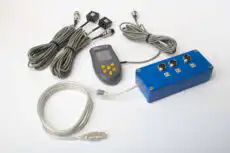
ಸ್ಪೈಕ್ ಎನರ್ಜಿ ಸ್ಕ್ರೀನಿಂಗ್ ಮತ್ತು ಟ್ರೆಂಡಿಂಗ್ಗಾಗಿ ಅತ್ಯುತ್ತಮವಾಗಿದೆ; ರೀಡಿಂಗ್ ಎತ್ತರದಿದ್ದಾಗ, ನೋಟೋ ಕ್ಷೇತ್ರದಲ್ಲಿ ಪದ್ಧತಿಗಳನ್ನು ಅನುಸರಿಸುವುದಿದೆ — ಒಂದು ಏಕ ಸಂಖ್ಯೆಯಿಂದ ನಿಜವಾದ ವಿಖ್ಯಾನ ಸ್ವಿಚ್ ಮಾಡುವುದು — ವಿಸ್ತರಣೀಯ ಸ್ಪೆಕ್ಟ್ರಮ್ ಸಂಗ್ರಹ ಮತ್ತು spectrum, ನಿರ್ದಿಷ್ಟ ದೋಷಕ್ಕಾಗಿ ಎನ್ವಲೋಪ್ ವಿಶ್ಲೇಷಣೆ ನಿರ್ವಹಿಸುವುದು, ಮತ್ತು ಸಂಯೋಜಿತ ಬೇರಿಂಗ್ ಮೇಲ್ಮುಖದ ಸಾಕಾರ ಮೂಲಕ ಕ್ರೆಸ್ಟ್ ಫ್ಯಾಕ್ಟರ್ and ಕರ್ಚೋಸಿಸ್ Balanset-1A ವಂತಹ ಪೋರ್ಟಬಲ್ ಎರಡು-ಚಾನೆಲ್ ವಿಶ್ಲೇಷಕ ಬ್ಯಾಲೆನ್ಸೆಟ್-1ಎ ತಂತ್ರಜ್ಞಾನಿ ಕಾರಣೆಗಳೊಕ್ಕೆ ಆ ಅನುಸರಣೆಯ ಹಂತದ ವೈಭವಾದ ಕಂಪನ ರೋಹಿತ ಮಾಪುತ್ತದೆ, ಮತ್ತು ನಿರೀಕ್ಷಿತ ದೋಷ ಪೂರ್ವವರ್ತಿತೆ ಹೇಗೆ ಸಮಾನವಾಗಿ ಒಂದು ಪೂರ್ವಗ್ರಾಹನ ಹೋಗಿ ಬೇರಿಂಗ್ ದೋಷ ಪ್ರವೃತ್ತಿ ಕ್ಯಾಲ್ಕುಲೇಟರ್ ಸಂದೇಹಾಸ್ಪದ ಶಿಖರವನ್ನು ದೃಢಮತೆಯಿಂದ ಪರಿಶೋಧಿಸಲು ಸುಲಭವಾಗುತ್ತದೆ.
ಸ್ಪೈಕ್ ಎನರ್ಜಿ ಮೌಲ್ಯವಾನ ಬೇರಿಂಗ್-ಸ್ಥಿತಿ ಸೂಚಕವಾಗಿದೆ ಸಾಧಾರಣ, ಏಕ-ಮೌಲ್ಯ ಮಾಪನೀಯತೆ ಮೂಲಕ ಅಭಿವೃದ್ಧಿಶೀಲ ದೋಷಗಳು ಪೂರ್ವಪ್ರೇಷಣ ಜಾರಿ ಮಿಸ್ವುಟ್ಟು. ಇದು ಆವೃತ್ತಿ ವಿಶ್ಲೇಷಣೆಯ ವಿಖ್ಯಾನ ವಿವರವಾಗಿತ್ತು ಹೋಗುತ್ತದೆ, ಆದರೆ ಅದರ ಸರಳತೆ, ಆರಂಭಿಕ-ಶೋಧಕ ಸಾಮರ್ಥ್ಯ ಮತ್ತು ಕೆಳ ವೇಗದಲ್ಲಿ ಪರಿಣಾಮಕಾರಿತೆ ಯಾವುದೇ ಸಂಪೂರ್ಣ ಬೇರಿಂಗ್-ಮಾನಿಟರಿಂಗ್ ಮತ್ತು ಸರಳೀಕರಣ ಭಾಗ ಸಾಕಾರ ಪೂರ್ವಾನುಮಾನ ನಿರ್ವಹಣಾ ಕಾರ್ಯಕ್ರಮ — ವಿಶೇಷವಾಗಿ ಬೇರಿಂಗ್ಗಳ ದೊಡ್ಡ ಜನಸಂಖ್ಯೆಯನ್ನು ಸ್ಕ್ರೀನಿಂಗ್ ಮಾಡಲು ಮತ್ತು ಸಮಸ್ಯೆ ಕಾಣಿಸಿಕೊಳ್ಳುವ ಕ್ಷಣದ ಗಾಢ ವಿಶ್ಲೇಷಣೆ ಪ್ರವರ್ತಿತ ಆ ಚಿತ್ರೀಕರಣ.

