ਬਲੇਡ ਟਿਪ ਟਾਈਮਿੰਗ ਨੂੰ ਸਮਝਣਾ

ਬਲੇਡ ਟਿਪ ਟਾਈਮਿੰਗ (BTT — ਜਿਸਨੂੰ ਨਾਨ-ਇੰਟਰੂਸਿਵ ਸਟ੍ਰੈੱਸ ਮੈਜ਼ਰਮੈਂਟ ਸਿਸਟਮ, ਜਾਂ NSMS ਵੀ ਕਿਹਾ ਜਾਂਦਾ ਹੈ) ਸਟੇਸ਼ਨਰੀ ਆਪਟੀਕਲ ਜਾਂ ਕੈਪੇਸਿਟਿਵ ਸੈਂਸਰਾਂ ਦੀ ਵਰਤੋਂ ਕਰਦਿਆਂ ਵਿਅਕਤੀਗਤ ਟਰਬਾਈਨ, ਕੰਪ੍ਰੈਸਰ ਜਾਂ ਫੈਨ ਬਲੇਡਾਂ ਦੀ ਨਿਗਰਾਨੀ ਕਰਨ ਲਈ ਇੱਕ ਅਡਵਾਂਸਡ ਤਕਨੀਕ ਹੈ, ਜੋ ਹਰੇਕ ਬਲੇਡ ਟਿਪ ਦੇ ਸੈਂਸਰ ਕੋਲੋਂ ਲੰਘਣ ਵੇਲੇ ਸਹੀ ਆਗਮਨ ਸਮੇਂ ਨੂੰ ਰਿਕਾਰਡ ਕਰਦੀ ਹੈ, ਦੀ ਵਾਈਬ੍ਰੇਸ਼ਨ ਅਤੇ ਤਣਾਅ ਦੀ। ਅਸਲ ਆਗਮਨ ਸਮੇਂ ਤੋਂ ਰੋਟਰ ਸਪੀਡ ਤੋਂ ਸੰਭਾਵਿਤ ਸਮੇਂ ਨਾਲ ਤੁਲਨਾ ਕਰਕੇ, ਇੱਕ BTT ਸਿਸਟਮ ਬਲੇਡ ਵਿਗਾੜ (deflection), ਵਾਈਬ੍ਰੇਸ਼ਨ ਫ੍ਰੀਕੁਐਂਸੀ ਅਤੇ ਐਂਪਲੀਟਿਊਡ ਦੀ ਗਣਨਾ ਕਰਦਾ ਹੈ, ਅਤੇ ਬਲੇਡ ਰੈਜ਼ੋਨੈਂਸ, ਦਰਾੜਾਂ ਅਤੇ ਅਸਧਾਰਨ ਹਰਕਤ ਨੂੰ ਬਲੇਡ-ਦਰ-ਬਲੇਡ ਆਧਾਰ 'ਤੇ ਫਲੈਗ ਕਰ ਸਕਦਾ ਹੈ — ਇਹ ਸਭ ਘੁੰਮ ਰਹੇ ਬਲੇਡਾਂ 'ਤੇ ਕਿਸੇ ਵੀ ਇੰਸਟਰੂਮੈਂਟੇਸ਼ਨ ਦੇ ਬਿਨਾਂ। ਇਹ ਗੈਸ ਟਰਬਾਈਨਾਂ ਵਿੱਚ, ਏਅਰਕ੍ਰਾਫਟ ਇੰਜਣਾਂ ਤੋਂ ਲੈ ਕੇ ਉਦਯੋਗਿਕ ਯੂਨਿਟਾਂ ਤੱਕ, ਬਲੇਡ-ਸਿਹਤ ਨਿਗਰਾਨੀ ਦਾ ਮੁੱਖ ਤਰੀਕਾ ਹੈ, ਅਤੇ ਬਲੇਡ ਥਕਾਵਟ (ਫੈਟੀਗ), ਗੂੰਜ (resonance) ਅਤੇ ਬਾਹਰੀ-ਵਸਤੂ ਨੁਕਸਾਨ (foreign-object damage) ਨੂੰ ਫੜਨ ਲਈ ਬਹੁਤ ਮਹੱਤਵਪੂਰਨ ਹੈ ਜੋ ਨਹੀਂ ਤਾਂ ਭਿਆਨਕ ਬਲੇਡ ਫੇਲ੍ਹ ਅਤੇ ਇੰਜਣ ਵਿਨਾਸ਼ ਵਿੱਚ ਵਧ ਸਕਦਾ ਹੈ।
1. ਸੰਚਾਲਨ ਸਿਧਾਂਤ: ਆਗਮਨ-ਸਮਾਂ ਮਾਪ (Time-of-Arrival Measurement)
BTT ਹਰੇਕ ਬਲੇਡ ਟਿਪ ਨੂੰ ਇੱਕ ਚੱਲਦੀ ਘਟਨਾ ਵਜੋਂ ਮੰਨ ਕੇ ਅਤੇ ਬਹੁਤ ਸ਼ੁੱਧਤਾ ਨਾਲ ਇਸਦਾ ਸਮਾਂ ਮਾਪ ਕੇ ਕੰਮ ਕਰਦਾ ਹੈ। ਮਾਪ ਲੜੀ ਇਸ ਤਰ੍ਹਾਂ ਚੱਲਦੀ ਹੈ:
- ਸੈਂਸਰ ਸਥਿਤੀ: ਕਈ ਸੈਂਸਰ — ਆਮ ਤੌਰ 'ਤੇ ਦੋ ਤੋਂ ਅੱਠ ਤੱਕ — ਕੇਸਿੰਗ ਦੇ ਘੇਰੇ ਦੁਆਲੇ ਜਾਣੀਆਂ-ਪਛਾਣੀਆਂ ਕੋਣੀ ਸਥਿਤੀਆਂ 'ਤੇ ਲਗਾਏ ਜਾਂਦੇ ਹਨ।
- ਸੰਭਾਵਿਤ ਆਗਮਨ: ਤੁਰੰਤ ਰੋਟਰ ਸਪੀਡ ਤੋਂ (ਜੋ ਇੱਕ ਪ੍ਰਤੀ-ਚੱਕਰ ਟੈਕੋਮੀਟਰ ਜਾਂ ਕੀਫੇਜ਼ਰ ਸੰਦਰਭ ਦੁਆਰਾ ਸਪਲਾਈ ਕੀਤੀ ਜਾਂਦੀ ਹੈ), ਸਿਸਟਮ ਗਣਨਾ ਕਰਦਾ ਹੈ ਕਿ ਹਰੇਕ ਬਲੇਡ ਟਿਪ ਕਦੋਂ ਚਾਹੀਦਾ ਹੈ ਹਰੇਕ ਸੈਂਸਰ ਤੱਕ ਪਹੁੰਚੇਗੀ।
- ਅਸਲ ਆਗਮਨ: ਸੈਂਸਰ ਮਾਈਕ੍ਰੋਸਕਿੰਟ ਸ਼ੁੱਧਤਾ ਨਾਲ ਟਿਪ ਦੇ ਅਸਲ ਲੰਘਣ ਦਾ ਪਤਾ ਲਗਾਉਂਦਾ ਹੈ।
- ਸਮਾਂ ਅੰਤਰ: ਸੰਭਾਵਿਤ ਅਤੇ ਅਸਲ ਆਗਮਨ ਵਿਚਕਾਰ ਕੋਈ ਵੀ ਭਟਕਾਅ ਬਲੇਡ ਵਿਗਾੜ (deflection) ਨੂੰ ਦਰਸਾਉਂਦਾ ਹੈ — ਟਿਪ ਦਾ ਜਲਦੀ ਜਾਂ ਦੇਰ ਨਾਲ ਆਉਣਾ ਕਿਉਂਕਿ ਬਲੇਡ ਮੁੜ ਰਿਹਾ ਹੈ।
- ਕਈ ਸੈਂਸਰ: ਪ੍ਰਤੀ ਚੱਕਰ ਕਈ ਆਗਮਨ ਮਾਪ, ਵੱਖ-ਵੱਖ ਪਰਿਧੀ ਸਥਿਤੀਆਂ 'ਤੇ ਲਏ ਗਏ, ਸਿਸਟਮ ਨੂੰ ਬਲੇਡ ਦੀ ਵਾਈਬ੍ਰੇਸ਼ਨ ਨੂੰ ਦੁਬਾਰਾ ਬਣਾਉਣ ਦਿੰਦੇ ਹਨ।
- ਬਲੇਡ-ਦਰ-ਬਲੇਡ: ਪੜਾਅ ਦੇ ਹਰੇਕ ਬਲੇਡ ਨੂੰ ਵੱਖਰੇ ਤੌਰ 'ਤੇ ਟਰੈਕ ਕੀਤਾ ਜਾਂਦਾ ਹੈ, ਤਾਂ ਜੋ ਆਮ ਨਾਲੋਂ ਵੱਖਰੇ ਬਲੇਡ ਸਪੱਸ਼ਟ ਦਿਖਾਈ ਦੇਣ।
ਡਿਫਲੈਕਸ਼ਨ ਗਣਨਾ
ਸਮੇਂ ਨੂੰ ਗਤੀ ਵਿੱਚ ਬਦਲਣਾ ਜਿਓਮੈਟਰੀ ਦਾ ਮਾਮਲਾ ਹੈ: ਸਮਾਂ ਭਟਕਾਅ ਨੂੰ ਬਲੇਡ-ਟਿਪ ਵੇਗ ਨਾਲ ਗੁਣਾ ਕਰਨ ਨਾਲ ਟਿਪ ਦਾ ਵਿਸਥਾਪਨ ਮਿਲਦਾ ਹੈ, ਅਤੇ ਇਹ ਵਿਸਥਾਪਨ ਬਲੇਡ ਦੇ ਝੁਕਾਅ ਜਾਂ ਵਾਈਬ੍ਰੇਸ਼ਨ ਦਾ ਸਿੱਧਾ ਮਾਪ ਹੈ। ਕਿਉਂਕਿ ਟਿਪਾਂ ਬਹੁਤ ਤੇਜ਼ੀ ਨਾਲ ਚਲਦੀਆਂ ਹਨ, ਮਾਈਕ੍ਰੋਸਕਿੰਟ ਟਾਈਮਿੰਗ ਰੈਜ਼ੋਲੂਸ਼ਨ ਮਾਈਕ੍ਰੋਮੀਟਰ-ਪੱਧਰ ਦੇ ਵਿਸਥਾਪਨ ਰੈਜ਼ੋਲੂਸ਼ਨ ਵਿੱਚ ਤਬਦੀਲ ਹੋ ਜਾਂਦਾ ਹੈ — ਖਤਰਨਾਕ ਹੋਣ ਤੋਂ ਬਹੁਤ ਪਹਿਲਾਂ ਵਾਈਬ੍ਰੇਸ਼ਨ ਦੇਖਣ ਲਈ ਕਾਫ਼ੀ ਬਾਰੀਕ।
2. ਸੈਂਸਰ ਦੀਆਂ ਕਿਸਮਾਂ
ਸੈਂਸਰ ਦੀ ਚੋਣ ਵਾਤਾਵਰਣ, ਬਲੇਡ ਦੀ ਸਮੱਗਰੀ ਅਤੇ ਸੈਂਸਰ ਨੂੰ ਕਿੰਨੀ ਗੰਦਗੀ ਸਹਿਣੀ ਪੈਂਦੀ ਹੈ, ਦੁਆਰਾ ਨਿਰਧਾਰਤ ਹੁੰਦੀ ਹੈ।
ਆਪਟੀਕਲ ਸੈਂਸਰ
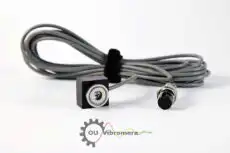
- ਲੰਘ ਰਹੀ ਟਿਪ ਤੋਂ ਪ੍ਰਤੀਬਿੰਬਿਤ ਰੌਸ਼ਨੀ ਨੂੰ ਮਹਿਸੂਸ ਕਰਨ ਵਾਲੇ ਫੋਟੋਡਿਟੈਕਟਰ ਨਾਲ ਲੇਜ਼ਰ ਜਾਂ LED ਲਾਈਟ ਸਰੋਤ ਦੀ ਵਰਤੋਂ ਕਰੋ।
- ਸਭ ਤੋਂ ਆਮ BTT ਸੈਂਸਰ ਕਿਸਮ, ਜੋ ਚੰਗੀ ਸ਼ੁੱਧਤਾ ਅਤੇ ਭਰੋਸੇਯੋਗਤਾ ਪ੍ਰਦਾਨ ਕਰਦੀ ਹੈ — ਸੰਕਲਪਿਕ ਤੌਰ 'ਤੇ ਇਸ ਨਾਲ ਸੰਬੰਧਿਤ ਹੈ ਫੋਟੋਇਲੈਕਟ੍ਰਿਕ ਸੈਂਸਰ ਅਤੇ ਆਪਟੀਕਲ ਟੈਕੋਮੀਟਰ ਜੋ ਵਾਈਬ੍ਰੇਸ਼ਨ ਦੇ ਹੋਰ ਕੰਮਾਂ ਵਿੱਚ ਵਰਤੇ ਜਾਂਦੇ ਹਨ।
ਕੈਪੈਸਿਟਿਵ ਸੈਂਸਰ
- ਬਲੇਡ ਟਿਪ ਦੇ ਲੰਘਣ ਵੇਲੇ ਕੈਪੇਸਿਟੈਂਸ ਵਿੱਚ ਤਬਦੀਲੀ ਰਾਹੀਂ ਇਸਦਾ ਪਤਾ ਲਗਾਓ।
- ਇੱਕ ਸੰਚਾਲਕ (conductive) ਬਲੇਡ ਦੀ ਲੋੜ ਹੁੰਦੀ ਹੈ, ਪਰ ਆਪਟੀਕਲ ਸੈਂਸਰਾਂ ਦੇ ਮੁਕਾਬਲੇ ਗੰਦਗੀ ਤੋਂ ਘੱਟ ਪ੍ਰਭਾਵਿਤ ਹੁੰਦੇ ਹਨ — ਪਰ ਇਸਦੀ ਕੀਮਤ ਇੱਕ ਛੋਟੀ ਸੈਂਸਿੰਗ ਦੂਰੀ ਹੈ।
ਐਡੀ ਕਰੰਟ ਸੈਂਸਰ
- ਸਿਧਾਂਤ ਵਿੱਚ ਇਸ ਦੇ ਸਮਾਨ ਪ੍ਰੌਕਸਿਮਿਟੀ ਪ੍ਰੋਬ ਅਤੇ ਐਡੀ-ਕਰੰਟ ਪ੍ਰੋਬ ਜੋ ਸ਼ਾਫਟ ਨਿਗਰਾਨੀ ਲਈ ਵਰਤਿਆ ਜਾਂਦਾ ਹੈ।
- ਧਾਤੂ ਬਲੇਡਾਂ ਦਾ ਪਤਾ ਲਗਾਉਂਦੇ ਹਨ, ਅਤੇ ਕਠਿਨ ਹਾਲਾਤਾਂ ਵਿੱਚ ਮਜ਼ਬੂਤ ਅਤੇ ਭਰੋਸੇਯੋਗ ਹੁੰਦੇ ਹਨ।
3. ਉਪਯੋਗ
BTT ਹਰ ਥਾਂ ਵਰਤਿਆ ਜਾਂਦਾ ਹੈ ਜਿੱਥੇ ਬਲੇਡ ਦੀ ਅਖੰਡਤਾ ਸੁਰੱਖਿਆ-ਨਾਜ਼ੁਕ ਹੈ ਅਤੇ ਰਵਾਇਤੀ ਸੈਂਸਰ ਘੁੰਮ ਰਹੇ ਹਿੱਸਿਆਂ ਤੱਕ ਨਹੀਂ ਪਹੁੰਚ ਸਕਦੇ।
ਗੈਸ ਟਰਬਾਈਨ ਇੰਜਣ
- ਏਅਰਕ੍ਰਾਫਟ-ਇੰਜਣ ਵਿਕਾਸ ਅਤੇ ਪ੍ਰਮਾਣੀਕਰਨ ਟੈਸਟਿੰਗ।
- ਉਦਯੋਗਿਕ ਗੈਸ-ਟਰਬਾਈਨ ਕਮਿਸ਼ਨਿੰਗ।
- ਲਗਾਤਾਰ ਕੰਪ੍ਰੈਸਰ- ਅਤੇ ਟਰਬਾਈਨ-ਬਲੇਡ ਨਿਗਰਾਨੀ।
- ਫਲਟਰ ਅਤੇ ਗੂੰਜ (resonance) ਦਾ ਪਤਾ ਲਗਾਉਣਾ।
ਸਟੀਮ ਟਰਬਾਈਨ
- ਲੋਅ-ਪ੍ਰੈਸ਼ਰ (LP) ਟਰਬਾਈਨ ਬਲੇਡ ਨਿਗਰਾਨੀ।
- ਬਲੇਡ ਨੁਕਸਾਨ ਜਾਂ ਗੂੰਜ ਦਾ ਪਤਾ ਲਗਾਉਣਾ।
- ਲੰਬੇ, ਪਤਲੇ LP ਬਲੇਡਾਂ ਦਾ ਵਾਈਬ੍ਰੇਸ਼ਨ ਮੁਲਾਂਕਣ।
ਵੱਡੇ ਪੱਖੇ ਅਤੇ ਕੰਪ੍ਰੈਸਰ
- ਪਾਵਰ ਪਲਾਂਟਾਂ ਵਿੱਚ ਇੰਡਿਊਸਡ-ਡਰਾਫਟ ਪੱਖੇ।
- ਐਕਸੀਅਲ ਕੰਪ੍ਰੈਸਰ ਸਟੇਜਾਂ।
- ਆਮ ਤੌਰ 'ਤੇ ਨਾਜ਼ੁਕ ਬਲੇਡਡ ਰੋਟਰਾਂ ਦੀ ਸਥਿਤੀ ਨਿਗਰਾਨੀ — ਇੱਕ ਸਮੱਸਿਆ ਜਿਸਦਾ ਹੋਰ ਤਰੀਕੇ ਨਾਲ ਨਿਦਾਨ ਕੀਤਾ ਜਾਂਦਾ ਹੈ ਬਲੇਡ ਪਾਸ ਆਵਿਰਤੀ ਕੇਸਿੰਗ ਵਾਈਬ੍ਰੇਸ਼ਨ ਰਾਹੀਂ।
4. ਦਿੱਤੀ ਗਈ ਜਾਣਕਾਰੀ
ਇੱਕ ਪਰਿਪੱਕ BTT ਸਥਾਪਨਾ ਇੱਕ ਸਿੰਗਲ ਸਿਹਤ ਨੰਬਰ ਨਾਲੋਂ ਕਿਤੇ ਵੱਧ ਦਿੰਦੀ ਹੈ; ਇਹ ਹਰੇਕ ਬਲੇਡ ਨੂੰ ਕਈ ਪਹਿਲੂਆਂ ਵਿੱਚ ਦਰਸਾਉਂਦੀ ਹੈ।
ਵਿਅਕਤੀਗਤ ਬਲੇਡ ਵਿਵਹਾਰ
- ਹਰੇਕ ਬਲੇਡ ਨੂੰ ਵੱਖਰੇ ਤੌਰ 'ਤੇ ਟਰੈਕ ਕੀਤਾ ਜਾਂਦਾ ਹੈ, ਤਾਂ ਜੋ ਵਿਸ਼ਲੇਸ਼ਕ ਸਹੀ ਢੰਗ ਨਾਲ ਦੇਖ ਸਕੇ ਕਿ ਕਿਹੜੇ ਬਲੇਡ ਵਾਈਬ੍ਰੇਟ ਕਰ ਰਹੇ ਹਨ।
- A ਦਰਾੜ ਵਾਲਾ ਬਲੇਡ ਆਪਣੇ ਗੁਆਂਢੀਆਂ ਦੇ ਮੁਕਾਬਲੇ ਇੱਕ ਬਦਲੀ ਹੋਈ ਕੁਦਰਤੀ ਫ੍ਰੀਕੁਐਂਸੀ ਰਾਹੀਂ ਆਪਣੇ ਆਪ ਨੂੰ ਪ੍ਰਗਟ ਕਰਦਾ ਹੈ।
- ਵਿਦੇਸ਼ੀ-ਵਸਤੂ ਨੁਕਸਾਨ (FOD) ਦਾ ਪਤਾ ਬਲੇਡ ਦੇ ਵਿਵਹਾਰ ਵਿੱਚ ਅਚਾਨਕ ਬਦਲਾਅ ਵਜੋਂ ਲਗਾਇਆ ਜਾਂਦਾ ਹੈ।
ਵਾਈਬ੍ਰੇਸ਼ਨ ਫ੍ਰੀਕੁਐਂਸੀ
- ਬਲੇਡ ਦੀ ਮਾਪਦਾ ਹੈ ਕੁਦਰਤੀ ਬਾਰੰਬਾਰਤਾਵਾਂ ਅਸਲ ਸੰਚਾਲਨ ਦੌਰਾਨ।
- ਗੂੰਜ (resonance) ਹਾਲਤਾਂ ਦਾ ਪਤਾ ਲਗਾਉਂਦਾ ਹੈ ਅਤੇ ਫਲਟਰ (flutter) ਦੀ ਪਛਾਣ ਕਰਦਾ ਹੈ।
- ਸੰਚਾਲਨ ਲੋਡਾਂ ਹੇਠ ਬਲਪੂਰਵਕ ਪ੍ਰਤੀਕਿਰਿਆ (forced response) ਦੀ ਵਿਸ਼ੇਸ਼ਤਾ ਦੱਸਦਾ ਹੈ — ਜੋ ਕਿ ਨੇੜਿਓਂ ਸਬੰਧਤ ਹੈ ਐਰੋਡਾਇਨਾਮਿਕ ਬਲ ਜੋ ਬਲੇਡਾਂ ਨੂੰ ਉਤੇਜਿਤ ਕਰਦੇ ਹਨ।
ਤਣਾਅ ਦਾ ਮੁਲਾਂਕਣ
- ਬਲੇਡ ਦੇ ਵਿਗਾੜ (deflection) ਨੂੰ ਝੁਕਣ ਵਾਲੇ ਦਬਾਅ (bending stress) ਵਿੱਚ ਬਦਲਿਆ ਜਾਂਦਾ ਹੈ।
- ਡਿਜ਼ਾਈਨ ਸੀਮਾਵਾਂ ਦੇ ਵਿਰੁੱਧ ਉੱਚ-ਚੱਕਰ ਥਕਾਵਟ (high-cycle fatigue) ਨਿਗਰਾਨੀ ਨੂੰ ਸਮਰੱਥ ਬਣਾਉਂਦਾ ਹੈ।
- ਦੀ ਭਵਿੱਖਬਾਣੀ ਦਾ ਸਮਰਥਨ ਕਰਦਾ ਹੈ ਬਾਕੀ ਬਚੀ ਬਲੇਡ ਦੀ ਉਮਰ.
5. ਸਟ੍ਰੇਨ ਗੇਜਾਂ ਉੱਤੇ ਫਾਇਦੇ
BTT ਨੇ ਬਲੇਡ-ਮਾਊਂਟਡ ਸਟ੍ਰੇਨ ਗੇਜਾਂ ਦੀਆਂ ਵਿਹਾਰਕ ਸੀਮਾਵਾਂ ਨੂੰ ਪਾਰ ਕਰਕੇ ਵੱਡੇ ਪੱਧਰ 'ਤੇ ਆਪਣੀ ਥਾਂ ਬਣਾਈ।
ਕੋਈ ਘੁੰਮਣ ਵਾਲਾ ਇੰਸਟਰੂਮੈਂਟੇਸ਼ਨ ਨਹੀਂ
- ਸਟ੍ਰੇਨ ਗੇਜਾਂ ਨੂੰ ਬਲੇਡਾਂ ਉੱਤੇ ਬੌਂਡ ਕਰਨਾ ਪੈਂਦਾ ਹੈ ਅਤੇ ਸਲਿੱਪ ਰਿੰਗਾਂ ਜਾਂ ਟੈਲੀਮੈਟਰੀ ਦੀ ਲੋੜ ਹੁੰਦੀ ਹੈ ਤਾਂ ਜੋ ਸਿਗਨਲ ਨੂੰ ਰੋਟਰ ਤੋਂ ਬਾਹਰ ਲਿਆਂਦਾ ਜਾ ਸਕੇ — ਜੋ ਕਿ ਗੁੰਝਲਦਾਰ ਅਤੇ ਮਹਿੰਗਾ ਹੈ।
- BTT ਸਿਰਫ਼ ਸਥਿਰ ਸੈਂਸਰਾਂ ਦੀ ਵਰਤੋਂ ਕਰਦਾ ਹੈ, ਜਿਸ ਨਾਲ ਘੱਟ ਲਾਗਤ ਅਤੇ ਘੱਟ ਗੁੰਝਲਤਾ ਮਿਲਦੀ ਹੈ।
ਸਾਰੇ ਬਲੇਡਾਂ ਦੀ ਨਿਗਰਾਨੀ
- ਸਟ੍ਰੇਨ ਗੇਜ ਸਿਰਫ਼ ਇੱਕ ਜਾਂ ਦੋ ਬਲੇਡਾਂ 'ਤੇ ਵਿਹਾਰਕ ਹੁੰਦੇ ਹਨ; BTT ਸਟੇਜ ਦੇ ਹਰ ਬਲੇਡ ਦੀ ਨਿਗਰਾਨੀ ਕਰਦਾ ਹੈ।
- ਇਹ ਸੰਪੂਰਨ-ਆਬਾਦੀ ਦ੍ਰਿਸ਼ਟੀਕੋਣ ਉਹਨਾਂ ਆਊਟਲਾਇਰ ਬਲੇਡਾਂ ਦੀ ਪਛਾਣ ਕਰਦਾ ਹੈ ਜਿਹਨਾਂ ਨੂੰ ਕੁਝ ਕੁ ਇੰਸਟ੍ਰੂਮੈਂਟਿਡ ਨਮੂਨੇ ਖੁੰਝਾ ਦੇਣਗੇ।
ਸਥਾਈ ਸਮਰੱਥਾ
- BTT ਨੂੰ ਲਗਾਤਾਰ ਜਾਂ ਸਮੇਂ-ਸਮੇਂ 'ਤੇ ਲਈ ਸਥਾਈ ਤੌਰ 'ਤੇ ਸਥਾਪਿਤ ਕੀਤਾ ਜਾ ਸਕਦਾ ਹੈ ਸਥਿਤੀ ਨਿਗਰਾਨੀ, ਜਦਕਿ ਸਟ੍ਰੇਨ ਗੇਜ ਆਮ ਤੌਰ 'ਤੇ ਸਿਰਫ਼ ਟੈਸਟ ਲਈ ਲਗਾਏ ਜਾਂਦੇ ਹਨ।
6. ਚੁਣੌਤੀਆਂ
ਇਹ ਤਕਨੀਕ ਸ਼ਕਤੀਸ਼ਾਲੀ ਹੈ ਪਰ ਮੰਗ ਕਰਨ ਵਾਲੀ ਹੈ, ਅਤੇ ਇਸ ਦੀਆਂ ਮੁਸ਼ਕਲਾਂ ਤਿੰਨ ਖੇਤਰਾਂ ਵਿੱਚ ਕੇਂਦਰਿਤ ਹਨ।
ਗੁੰਝਲਦਾਰ ਸਿਗਨਲ ਪ੍ਰੋਸੈਸਿੰਗ
- ਡਾਟਾ ਬਹੁਤ ਜ਼ਿਆਦਾ ਅੰਡਰ-ਸੈਂਪਲਡ ਹੈ — ਹਰ ਘੁੰਮਣ ਵਿੱਚ ਸਿਰਫ਼ ਕੁਝ ਕੁ ਬਿੰਦੂ — ਇਸ ਲਈ ਵਾਈਬ੍ਰੇਸ਼ਨ ਨੂੰ ਦੁਬਾਰਾ ਬਣਾਉਣ ਲਈ ਸੂਝਵਾਨ ਐਲਗੋਰਿਦਮਾਂ ਦੀ ਲੋੜ ਹੁੰਦੀ ਹੈ।
- ਅਲਾਈਸਿੰਗ ਇੱਕ ਸਥਾਈ ਖ਼ਤਰਾ ਹੈ, ਅਤੇ ਸਮਰਪਿਤ ਵਿਸ਼ੇਸ਼ ਸੌਫਟਵੇਅਰ ਜ਼ਰੂਰੀ ਹੈ।
ਇੰਸਟਾਲੇਸ਼ਨ ਲੋੜਾਂ
- ਸੈਂਸਰਾਂ ਨੂੰ ਬਲੇਡ ਦੇ ਰਸਤੇ ਤੱਕ ਪਹੁੰਚ ਹੋਣੀ ਚਾਹੀਦੀ ਹੈ, ਜਿਸ ਲਈ ਕੇਸਿੰਗ ਵਿੱਚ ਸੋਧਾਂ ਦੀ ਲੋੜ ਹੋ ਸਕਦੀ ਹੈ।
- ਸੈਂਸਰ ਦੀ ਸਥਿਤੀ ਸਟੀਕ ਹੋਣੀ ਚਾਹੀਦੀ ਹੈ, ਅਤੇ ਸਿਸਟਮ ਨੂੰ ਖਾਸ ਬਲੇਡ ਜਿਓਮੈਟਰੀ ਲਈ ਕੈਲੀਬ੍ਰੇਟ ਕੀਤਾ ਜਾਣਾ ਚਾਹੀਦਾ ਹੈ।
ਵਾਤਾਵਰਣ ਸੰਬੰਧੀ ਮੁੱਦੇ
- ਐਗਜ਼ੌਸਟ ਜਾਂ ਤੇਲ ਤੋਂ ਗੰਦਗੀ ਆਪਟੀਕਲ ਸੈਂਸਰਾਂ ਨੂੰ ਅੰਨ੍ਹਾ ਕਰ ਸਕਦੀ ਹੈ।
- ਉੱਚ ਤਾਪਮਾਨ ਸੈਂਸਰਾਂ 'ਤੇ ਦਬਾਅ ਪਾਉਂਦੇ ਹਨ, ਅਤੇ ਕੇਸਿੰਗ ਵਾਈਬ੍ਰੇਸ਼ਨ ਆਗਮਨ-ਸਮੇਂ (arrival-time) ਦੇ ਮਾਪ ਨੂੰ ਖ਼ਰਾਬ ਕਰ ਸਕਦੀ ਹੈ।
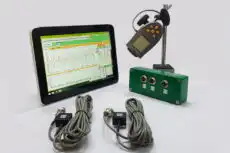
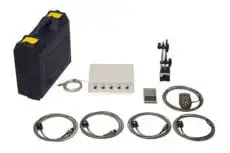
ਬਲੇਡ ਟਿਪ ਟਾਈਮਿੰਗ ਟਰਬੋਮਸ਼ੀਨਰੀ ਵਿੱਚ ਗੈਰ-ਇਨਵੇਸਿਵ ਬਲੇਡ ਵਾਈਬ੍ਰੇਸ਼ਨ ਮਾਪ ਦਾ ਇੱਕ ਵਿਸ਼ੇਸ਼ ਪਰ ਵਿਲੱਖਣ ਤੌਰ 'ਤੇ ਸਮਰੱਥ ਤਰੀਕਾ ਹੈ। ਕਈ ਸੈਂਸਰ ਸਥਾਨਾਂ 'ਤੇ ਮਾਈਕਰੋਸੈਕਿੰਡ ਸ਼ੁੱਧਤਾ ਨਾਲ ਬਲੇਡ-ਟਿਪ ਆਗਮਨਾਂ ਦਾ ਸਮਾਂ ਮਾਪ ਕੇ, BTT ਸਟੇਜ ਦੇ ਹਰ ਬਲੇਡ ਦੀ ਸਿਹਤ ਦੀ ਨਿਗਰਾਨੀ ਕਰਦਾ ਹੈ, ਗੂੰਜਾਂ ਅਤੇ ਦਰਾਰਾਂ ਦਾ ਪਤਾ ਲਗਾਉਂਦਾ ਹੈ, ਅਤੇ ਗੈਸ ਟਰਬਾਈਨਾਂ ਅਤੇ ਹੋਰ ਬਲੇਡ ਵਾਲੀਆਂ ਮਸ਼ੀਨਾਂ ਵਿੱਚ ਵਿਨਾਸ਼ਕਾਰੀ ਬਲੇਡ ਅਸਫਲਤਾਵਾਂ ਨੂੰ ਰੋਕਣ ਵਿੱਚ ਮਦਦ ਕਰਦਾ ਹੈ, ਜਿੱਥੇ ਬਲੇਡ ਦੀ ਇਕਸਾਰਤਾ ਸੁਰੱਖਿਅਤ ਸੰਚਾਲਨ ਅਤੇ ਵਿਨਾਸ਼ ਵਿਚਕਾਰ ਫਰਕ ਹੈ। ਸਮੁੱਚੇ ਰੋਟਰ ਲਈ — ਇਸ ਦੇ ਵਿਅਕਤੀਗਤ ਬਲੇਡਾਂ ਦੇ ਵਿਪਰੀਤ — ਉਹੀ ਮਸ਼ੀਨਾਂ ਅਜੇ ਵੀ ਰਵਾਇਤੀ ਨਾਲ ਸੰਤੁਲਿਤ ਅਤੇ ਟ੍ਰੈਂਡ ਕੀਤੀਆਂ ਜਾਂਦੀਆਂ ਹਨ ਵਾਈਬ੍ਰੇਸ਼ਨ ਵਿਸ਼ਲੇਸ਼ਣ; ਬਲਕ ਅਸੰਤੁਲਨ ਪੱਖੇ ਜਾਂ ਕੰਪ੍ਰੈਸਰ ਰੋਟਰ ਦਾ, ਉਦਾਹਰਨ ਲਈ, ਸਾਈਟ 'ਤੇ ਇੱਕ ਪੋਰਟੇਬਲ ਦੋ-ਚੈਨਲ ਵਿਸ਼ਲੇਸ਼ਕ ਨਾਲ ਮਾਪਿਆ ਅਤੇ ਠੀਕ ਕੀਤਾ ਜਾਂਦਾ ਹੈ ਜਿਵੇਂ ਕਿ Balanset-1A, ਜੋ ਮਸ਼ੀਨ ਦੇ ਆਪਣੇ ਬੇਅਰਿੰਗਾਂ ਵਿੱਚ ਸੰਚਾਲਨ ਗਤੀ 'ਤੇ ਕੰਮ ਕਰਦਾ ਹੈ। BTT ਅਤੇ ਸ਼ਾਫਟ-ਪੱਧਰ ਸੰਤੁਲਨ ਇਸ ਤਰ੍ਹਾਂ ਇੱਕੋ ਸਮੱਸਿਆ ਦੇ ਵੱਖ-ਵੱਖ ਪੈਮਾਨਿਆਂ 'ਤੇ ਕੰਮ ਕਰਦੇ ਹਨ — ਇੱਕ ਹਰ ਬਲੇਡ ਦੇ ਮੋੜ ਨੂੰ ਦੇਖਦਾ ਹੈ, ਦੂਜਾ ਸਮੁੱਚੇ ਰੋਟਰ ਦੀਆਂ ਪ੍ਰਤੀ-ਘੁੰਮਣ ਸ਼ਕਤੀਆਂ ਨੂੰ ਕਾਬੂ ਵਿੱਚ ਰੱਖਦਾ ਹੈ।

