ਸਪੈਕਟ੍ਰਲ ਵਿਸ਼ਲੇਸ਼ਣ ਨੂੰ ਸਮਝਣਾ

ਸਪੈਕਟ੍ਰਲ ਵਿਸ਼ਲੇਸ਼ਣ ਇੱਕ ਗੁੰਝਲਦਾਰ ਸਿਗਨਲ ਨੂੰ ਲੈ ਕੇ — ਜਿਵੇਂ ਕਿ ਇੱਕ ਟਾਈਮ ਵੇਵਫਾਰਮ (ਸਮਾਂ ਤਰੰਗ-ਰੂਪ) ਵਾਈਬ੍ਰੇਸ਼ਨ ਸੈਂਸਰ ਤੋਂ — ਅਤੇ ਉਸ ਨੂੰ ਉਸਦੇ ਵਿਅਕਤੀਗਤ ਫ੍ਰੀਕੁਐਂਸੀ ਅੰਸ਼ਾਂ ਵਿੱਚ ਵੰਡਣ ਦੀ ਪ੍ਰਕਿਰਿਆ ਹੈ। ਇਸਦਾ ਉਦੇਸ਼ ਸਿਗਨਲ ਨੂੰ ਟਾਈਮ ਡੋਮੇਨ (ਐਂਪਲੀਟਿਊਡ ਬਨਾਮ ਸਮਾਂ) ਤੋਂ ਬਾਰੰਬਾਰਤਾ ਡੋਮੇਨ (ਐਂਪਲੀਟਿਊਡ ਬਨਾਮ ਫ੍ਰੀਕੁਐਂਸੀ) ਵਿੱਚ ਬਦਲਣਾ ਹੈ। ਆਉਟਪੁੱਟ ਇੱਕ ਸਪੈਕਟ੍ਰਮ (ਬਹੁਵਚਨ: spectra) ਹੈ: ਇੱਕ ਗ੍ਰਾਫ਼ ਜੋ ਹਰੇਕ ਖਾਸ ਫ੍ਰੀਕੁਐਂਸੀ 'ਤੇ ਵਾਈਬ੍ਰੇਸ਼ਨ ਦੀ ਐਂਪਲੀਟਿਊਡ ਦਰਸਾਉਂਦਾ ਹੈ। ਸਪੈਕਟ੍ਰਲ ਵਿਸ਼ਲੇਸ਼ਣ ਵਾਈਬ੍ਰੇਸ਼ਨ ਡਾਇਗਨੌਸਟਿਕਸ ਵਿੱਚ ਸਭ ਤੋਂ ਬੁਨਿਆਦੀ ਅਤੇ ਸ਼ਕਤੀਸ਼ਾਲੀ ਤਕਨੀਕ ਹੈ, ਕਿਉਂਕਿ ਇਹ ਵਿਸ਼ਲੇਸ਼ਕ ਨੂੰ ਵੱਖ-ਵੱਖ ਮਸ਼ੀਨ ਨੁਕਸਾਂ ਨਾਲ ਜੁੜੀਆਂ ਵਿਲੱਖਣ ਫ੍ਰੀਕੁਐਂਸੀ ਵਿਸ਼ੇਸ਼ਤਾਵਾਂ ਨੂੰ ਪਹਿਚਾਣਨ ਦੇਣ ਯੋਗ ਬਣਾਉਂਦਾ ਹੈ।
ਫੀਲਡ ਵਿੱਚ ਸਪੈਕਟ੍ਰਲ ਵਿਸ਼ਲੇਸ਼ਣ ਇੱਕ ਵਧੀਆ ਸੈਂਸਰ ਅਤੇ ਦੋ-ਚੈਨਲ ਵਿਸ਼ਲੇਸ਼ਕ ਨਾਲ ਸ਼ੁਰੂ ਹੁੰਦਾ ਹੈ: ਦੇਖੋ ਵਾਈਬ੍ਰੇਸ਼ਨ ਸੈਂਸਰ ਅਤੇ ਮਸ਼ੀਨ ਨੁਕਸ ਡਾਇਗਨੌਸਟਿਕਸ ਗਾਈਡ.
1. ਪਰਿਭਾਸ਼ਾ: ਸਪੈਕਟ੍ਰਲ ਵਿਸ਼ਲੇਸ਼ਣ ਕੀ ਹੈ?
ਕਿਸੇ ਮਸ਼ੀਨ ਦੀ ਵਾਈਬ੍ਰੇਸ਼ਨ ਕਈ ਇੱਕੋ ਸਮੇਂ ਚੱਲਣ ਵਾਲੀਆਂ ਆਵਰਤੀ ਤਾਕਤਾਂ ਦਾ ਜੋੜ ਹੈ, ਅਤੇ ਸਮੇਂ ਦੇ ਖੇਤਰ ਵਿੱਚ ਉਹ ਤਾਕਤਾਂ ਇੱਕ ਗੁੰਝਲਦਾਰ ਟਰੇਸ ਵਿੱਚ ਧੁੰਦਲੀਆਂ ਹੋ ਜਾਂਦੀਆਂ ਹਨ ਜਿਸ ਦੀ ਵਿਆਖਿਆ ਕਰਨਾ ਮੁਸ਼ਕਲ ਹੁੰਦਾ ਹੈ। ਸਪੈਕਟ੍ਰਲ ਵਿਸ਼ਲੇਸ਼ਣ ਉਸ ਟਰੇਸ ਨੂੰ ਸੁਲਝਾਉਂਦਾ ਹੈ। ਗਣਿਤਕ ਆਧਾਰ ਫੁਰੀਅਰ ਸਿਧਾਂਤ ਹੈ: ਕੋਈ ਵੀ ਆਵਰਤੀ ਸਿਗਨਲ, ਭਾਵੇਂ ਕਿੰਨਾ ਵੀ ਗੁੰਝਲਦਾਰ ਹੋਵੇ, ਸਧਾਰਨ ਸਾਈਨ ਤਰੰਗਾਂ ਦੇ ਜੋੜ ਵਜੋਂ ਦਰਸਾਇਆ ਜਾ ਸਕਦਾ ਹੈ, ਹਰੇਕ ਦੀ ਆਪਣੀ ਫ੍ਰੀਕੁਐਂਸੀ, ਐਂਪਲੀਟਿਊਡ ਅਤੇ ਫੇਜ਼ ਹੁੰਦੀ ਹੈ। ਸਪੈਕਟ੍ਰਲ ਵਿਸ਼ਲੇਸ਼ਣ ਸਾਈਨ ਤਰੰਗਾਂ ਦੀ ਉਹ ਸੂਚੀ ਮੁੜ ਪ੍ਰਾਪਤ ਕਰਦਾ ਹੈ ਅਤੇ ਇਸਨੂੰ ਸਪੈਕਟ੍ਰਮ ਵਜੋਂ ਪ੍ਰਦਰਸ਼ਿਤ ਕਰਦਾ ਹੈ — “ਸਮੇਂ ਦੇ ਨਾਲ ਇੱਕ ਉਲਝੇ ਹੋਏ ਉਤਾਰ-ਚੜ੍ਹਾਅ” ਨੂੰ “ਜਾਣੀਆਂ ਫ੍ਰੀਕੁਐਂਸੀਆਂ 'ਤੇ ਸਾਫ਼-ਸੁਥਰੀਆਂ ਚੋਟੀਆਂ ਦੇ ਸੰਗ੍ਰਹਿ” ਵਿੱਚ ਬਦਲਦਾ ਹੈ। ਇਹ ਰੂਪਾਂਤਰਣ ਹੀ ਮੁੱਖ ਉਦੇਸ਼ ਹੈ, ਅਤੇ ਬਾਕੀ ਸਭ ਕੁਝ ਇਸੇ ਤੋਂ ਨਿਕਲਦਾ ਹੈ।
2. ਫਾਸਟ ਫੁਰੀਅਰ ਟ੍ਰਾਂਸਫਾਰਮ (FFT) ਦੀ ਭੂਮਿਕਾ
ਆਧੁਨਿਕ ਸਪੈਕਟ੍ਰਲ ਵਿਸ਼ਲੇਸ਼ਣ ਨੂੰ ਇੱਕ ਉੱਚ ਕੁਸ਼ਲ ਐਲਗੋਰਿਦਮ ਦੁਆਰਾ ਵਿਹਾਰਕ ਬਣਾਇਆ ਗਿਆ ਹੈ ਜਿਸਨੂੰ ਫਾਸਟ ਫੂਰੀਅਰ ਟ੍ਰਾਂਸਫਾਰਮ (FFT) ਕਿਹਾ ਜਾਂਦਾ ਹੈ। FFT ਇੱਕ ਗਣਿਤਕ ਪ੍ਰਕਿਰਿਆ ਹੈ ਜੋ ਹਰੇਕ ਡਿਜੀਟਲ ਵਾਈਬ੍ਰੇਸ਼ਨ ਵਿਸ਼ਲੇਸ਼ਕ ਵਿੱਚ ਪ੍ਰੋਗ੍ਰਾਮ ਕੀਤੀ ਗਈ ਹੈ। ਇਹ ਡਿਜੀਟਾਈਜ਼ਡ ਸਮਾਂ-ਵੇਵਫਾਰਮ ਡੇਟਾ ਨੂੰ ਇਨਪੁੱਟ ਵਜੋਂ ਲੈਂਦੀ ਹੈ ਅਤੇ ਫ੍ਰੀਕੁਐਂਸੀ ਸਪੈਕਟ੍ਰਮ ਨੂੰ ਆਉਟਪੁੱਟ ਵਜੋਂ ਦਿੰਦੀ ਹੈ, ਮਿਲੀਸਕਿੰਟਾਂ ਵਿੱਚ ਉਹ ਗਣਨਾ ਕਰਦੀ ਹੈ ਜੋ ਕਦੇ ਹੱਥਾਂ ਨਾਲ ਘੰਟਿਆਂ ਵਿੱਚ ਕੀਤੀ ਜਾਂਦੀ ਸੀ।
FFT ਇੱਕ ਗੁੰਝਲਦਾਰ, ਪ੍ਰਤੀਤ ਹੁੰਦੇ ਅਰਾਜਕ ਸਿਗਨਲ — ਜੋ ਸਮੇਂ ਦੇ ਖੇਤਰ ਵਿੱਚ ਪੜ੍ਹਨਾ ਬਹੁਤ ਮੁਸ਼ਕਲ ਹੈ — ਨੂੰ ਫ੍ਰੀਕੁਐਂਸੀ ਖੇਤਰ ਵਿੱਚ ਵੱਖਰੀਆਂ ਫ੍ਰੀਕੁਐਂਸੀ ਚੋਟੀਆਂ ਦੀ ਇੱਕ ਸਾਫ਼ ਲੜੀ ਵਜੋਂ ਦੇਖਣ ਦੀ ਆਗਿਆ ਦਿੰਦੀ ਹੈ। FFT ਦੀ ਵੈਧਤਾ ਲਈ, ਸਿਗਨਲ ਨੂੰ ਪਹਿਲਾਂ ਸਹੀ ਢੰਗ ਨਾਲ ਸੈਂਪਲ ਕੀਤਾ ਜਾਣਾ ਚਾਹੀਦਾ ਹੈ ਅਤੇ ਅਲਾਈਜ਼ਿੰਗ (aliasing) ਤੋਂ ਸੁਰੱਖਿਅਤ ਕੀਤਾ ਜਾਣਾ ਚਾਹੀਦਾ ਹੈ, ਇਸੇ ਲਈ ਟ੍ਰਾਂਸਫਾਰਮ ਤੋਂ ਪਹਿਲਾਂ ਹਮੇਸ਼ਾ ਇੱਕ ਐਂਟੀ-ਅਲਾਈਜ਼ਿੰਗ ਫਿਲਟਰ ਲਗਾਇਆ ਜਾਂਦਾ ਹੈ।
3. ਸਪੈਕਟ੍ਰਮ ਦੀ ਡਾਇਗਨੌਸਟਿਕ ਸ਼ਕਤੀ
ਸਪੈਕਟ੍ਰਲ ਵਿਸ਼ਲੇਸ਼ਣ ਇੰਨਾ ਪ੍ਰਭਾਵਸ਼ਾਲੀ ਹੈ ਕਿਉਂਕਿ ਘੁੰਮਣ ਵਾਲੀ ਮਸ਼ੀਨਰੀ ਵਿੱਚ ਵੱਖ-ਵੱਖ ਮਕੈਨੀਕਲ ਅਤੇ ਬਿਜਲਈ ਸਮੱਸਿਆਵਾਂ ਅਨੁਮਾਨਯੋਗ, ਵਿਸ਼ੇਸ਼ ਫ੍ਰੀਕੁਐਂਸੀਆਂ 'ਤੇ ਵਾਈਬ੍ਰੇਸ਼ਨ ਪੈਦਾ ਕਰਦੀਆਂ ਹਨ। ਸਪੈਕਟ੍ਰਮ ਦੀ ਜਾਂਚ ਕਰਕੇ, ਇੱਕ ਵਿਸ਼ਲੇਸ਼ਕ ਚੋਟੀਆਂ ਦੀਆਂ ਫ੍ਰੀਕੁਐਂਸੀਆਂ ਨੂੰ ਜਾਣੇ-ਪਛਾਣੇ ਨੁਕਸ ਪੈਟਰਨਾਂ ਨਾਲ ਮਿਲਾ ਕੇ ਸਮੱਸਿਆ ਦੇ ਮੂਲ ਕਾਰਨ ਦਾ ਨਿਦਾਨ ਕਰ ਸਕਦਾ ਹੈ। ਆਮ ਉਦਾਹਰਨਾਂ ਵਿੱਚ ਸ਼ਾਮਲ ਹਨ:
- 1× 'ਤੇ ਇੱਕ ਵੱਡੀ ਚੋਟੀ ਚੱਲਣ ਦੀ ਗਤੀ ਅਕਸਰ ਦਰਸਾਉਂਦੀ ਹੈ ਅਸੰਤੁਲਨ — ਬੈਲੇਂਸਿੰਗ ਕਾਰਜ ਲਈ ਸੰਕੇਤ।
- ਚੱਲਣ ਦੀ ਗਤੀ ਦੇ 2× 'ਤੇ ਇੱਕ ਵੱਡੀ ਚੋਟੀ ਇਸ ਦੀ ਕਲਾਸਿਕ ਨਿਸ਼ਾਨੀ ਹੈ ਮਿਸਅਲਾਈਨਮੈਂਟ.
- ਚੱਲਣ ਦੀ ਗਤੀ ਦੇ ਹਾਰਮੋਨਿਕਸ ਦੀ ਇੱਕ ਕਤਾਰ ਆਮ ਤੌਰ 'ਤੇ ਮਕੈਨੀਕਲ ਢਿੱਲ ਦਾ ਸੰਕੇਤ ਦਿੰਦੀ ਹੈ।
- ਚੱਲਣ ਦੀ ਗਤੀ ਦੇ ਗੈਰ-ਪੂਰਨ ਅੰਕ ਗੁਣਜਾਂ 'ਤੇ ਚੋਟੀਆਂ ਦੀ ਇੱਕ ਲੜੀ ਵੱਲ ਸੰਕੇਤ ਕਰ ਸਕਦੀ ਹੈ ਬੇਅਰਿੰਗ ਨੁਕਸ, ਜਿਸਦੀ ਅਕਸਰ ਸਭ ਤੋਂ ਵਧੀਆ ਪੁਸ਼ਟੀ ਕੀਤੀ ਜਾਂਦੀ ਹੈ ਐਨਵਲਪ ਵਿਸ਼ਲੇਸ਼ਣ.
- ਗੇਅਰ ਮੈਸ਼ ਫ੍ਰੀਕੁਐਂਸੀ 'ਤੇ ਉੱਚ-ਐਂਪਲੀਟਿਊਡ ਚੋਟੀ ਸਾਈਡਬੈਂਡਸ ਸੰਕੇਤ ਦਿੰਦਾ ਹੈ ਗੇਅਰ ਦੇ ਨੁਕਸ.
- ਬਿਜਲਈ ਲਾਈਨ ਫ੍ਰੀਕੁਐਂਸੀ ਦੇ 2× 'ਤੇ ਇੱਕ ਚੋਟੀ ਮੋਟਰ ਸਟੇਟਰ ਸਮੱਸਿਆ ਦਾ ਸੰਕੇਤ ਦੇ ਸਕਦੀ ਹੈ।
4. ਸਪੈਕਟ੍ਰਲ ਵਿਸ਼ਲੇਸ਼ਣ ਦੇ ਮੁੱਖ ਮਾਪਦੰਡ
ਇੱਕ ਉਪਯੋਗੀ ਸਪੈਕਟ੍ਰਮ ਪ੍ਰਾਪਤ ਕਰਨ ਲਈ, ਵਿਸ਼ਲੇਸ਼ਕ ਨੂੰ ਕਈ ਮੁੱਖ ਮਾਪਦੰਡ ਨਿਰਧਾਰਿਤ ਕਰਨੇ ਪੈਂਦੇ ਹਨ। ਜੇ ਇਹ ਗਲਤ ਹੋ ਜਾਣ ਤਾਂ ਸੰਪੂਰਨ FFT ਵੀ ਤੁਹਾਨੂੰ ਗੁੰਮਰਾਹ ਕਰ ਸਕਦੀ ਹੈ:
- Fmax (ਵੱਧ ਤੋਂ ਵੱਧ ਫ੍ਰੀਕੁਐਂਸੀ): ਸਪੈਕਟ੍ਰਮ ਵਿੱਚ ਸ਼ਾਮਲ ਸਭ ਤੋਂ ਉੱਚੀ ਫ੍ਰੀਕੁਐਂਸੀ। ਇਸਨੂੰ ਸ਼ੱਕੀ ਨੁਕਸਾਂ ਨੂੰ ਕੈਪਚਰ ਕਰਨ ਲਈ ਕਾਫ਼ੀ ਉੱਚਾ ਸੈੱਟ ਕਰਨਾ ਚਾਹੀਦਾ ਹੈ — ਗੇਅਰ ਅਤੇ ਬੇਅਰਿੰਗ ਸਮੱਸਿਆਵਾਂ ਲਈ ਉੱਚਾ, ਘੱਟ ਗਤੀ ਵਾਲੇ ਅਸੰਤੁਲਨ ਲਈ ਘੱਟ।
- ਰੈਜ਼ੋਲਿਊਸ਼ਨ (ਰੈਜ਼ੋਲਿਊਸ਼ਨ ਲਾਈਨਾਂ): ਇਹ ਵੇਰਵੇ ਦਾ ਪੱਧਰ ਨਿਰਧਾਰਿਤ ਕਰਦਾ ਹੈ। ਵੱਧ ਲਾਈਨਾਂ ਬਾਰੀਕ ਫ੍ਰੀਕੁਐਂਸੀ ਰੈਜ਼ੋਲਿਊਸ਼ਨ ਦਿੰਦੀਆਂ ਹਨ, ਜਿਸ ਨਾਲ ਵਿਸ਼ਲੇਸ਼ਕ ਨੇੜੇ-ਨੇੜੇ ਦੋ ਚੋਟੀਆਂ ਨੂੰ ਵੱਖ ਕਰ ਸਕਦਾ ਹੈ — ਗੇਅਰਬਾਕਸ ਵਿਸ਼ਲੇਸ਼ਣ ਵਿੱਚ ਸਾਈਡਬੈਂਡਾਂ ਨੂੰ ਸੁਲਝਾਉਣ ਲਈ ਜ਼ਰੂਰੀ। ਇਸ ਦਾ ਸਮਝੌਤਾ ਲੰਬਾ ਡਾਟਾ ਸੰਗ੍ਰਹਿ ਸਮਾਂ ਹੈ, ਇੱਕ ਸੰਬੰਧ ਜਿਸਨੂੰ ਤੁਸੀਂ ਇੱਕ FFT ਰੈਜ਼ੋਲਿਊਸ਼ਨ ਕੈਲਕੁਲੇਟਰ.
- ਔਸਤੀਕਰਨ: ਇੱਕ ਸਾਫ਼, ਸਥਿਰ ਸਪੈਕਟ੍ਰਮ ਪ੍ਰਾਪਤ ਕਰਨ ਲਈ, ਵਿਸ਼ਲੇਸ਼ਕ ਕਈ “ਸਨੈਪਸ਼ੌਟ” ਲੈਂਦਾ ਹੈ ਅਤੇ ਉਹਨਾਂ ਦੀ ਔਸਤ ਕੱਢਦਾ ਹੈ, ਬੇਤਰਤੀਬ ਸ਼ੋਰ ਨੂੰ ਦਬਾਉਂਦੇ ਹੋਏ ਅਤੇ ਅਸਲ ਸਥਿਰ-ਅਵਸਥਾ ਦੇ ਵਾਈਬ੍ਰੇਸ਼ਨ ਨੂੰ ਪ੍ਰਗਟ ਕਰਦੇ ਹੋਏ।
- ਵਿੰਡੋਇੰਗ: ਹਰ ਡਾਟਾ ਬਲਾਕ 'ਤੇ ਲੀਕੇਜ ਨੂੰ ਰੋਕਣ ਲਈ ਇੱਕ ਗਣਿਤਕ ਫੰਕਸ਼ਨ ਜਿਵੇਂ ਕਿ Hanning ਵਿੰਡੋ ਲਾਗੂ ਕੀਤੀ ਜਾਂਦੀ ਹੈ ਸਪੈਕਟ੍ਰਲ ਲੀਕੇਜ, ਜੋ ਕਿ ਨਹੀਂ ਤਾਂ ਚੋਟੀਆਂ ਦੇ ਐਂਪਲੀਟਿਊਡਾਂ ਅਤੇ ਆਕਾਰਾਂ ਨੂੰ ਫੈਲਾ ਦੇਵੇਗਾ ਅਤੇ ਵਿਗਾੜ ਦੇਵੇਗਾ।
5. ਫੀਲਡ ਵਿੱਚ ਸਪੈਕਟ੍ਰਲ ਵਿਸ਼ਲੇਸ਼ਣ
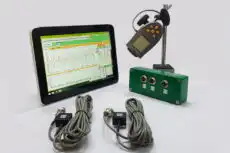
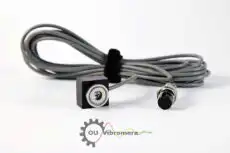
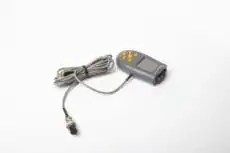
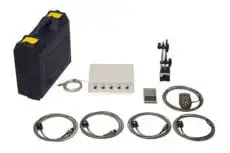
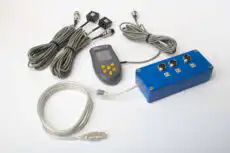
ਸਪੈਕਟ੍ਰਲ ਵਿਸ਼ਲੇਸ਼ਣ ਸਿਰਫ਼ ਪ੍ਰਯੋਗਸ਼ਾਲਾ ਤੱਕ ਸੀਮਿਤ ਨਹੀਂ ਹੈ — ਇਹ ਬਿਲਕੁਲ ਉਹੀ ਹੈ ਜੋ ਇੱਕ ਰੱਖ-ਰਖਾਅ ਇੰਜੀਨੀਅਰ ਪੋਰਟੇਬਲ ਯੰਤਰ ਨਾਲ ਸਾਈਟ 'ਤੇ ਕਰਦਾ ਹੈ। ਦੋ-ਚੈਨਲ ਵਿਸ਼ਲੇਸ਼ਕ ਜਿਵੇਂ ਕਿ Balanset-1A ਇੱਕ ਤੋਂ ਸਿਗਨਲ ਸੈਂਪਲ ਕਰਦਾ ਹੈ ਐਕਸੀਲਰੋਮੀਟਰ ਬੇਅਰਿੰਗ ਹਾਊਸਿੰਗ 'ਤੇ, FFT ਚਲਾਉਂਦਾ ਹੈ, ਅਤੇ ਸਪੈਕਟ੍ਰਮ ਤੁਰੰਤ ਦਿਖਾਉਂਦਾ ਹੈ, ਤਾਂ ਜੋ ਤਕਨੀਸ਼ੀਅਨ ਅਗਲੀ ਸ਼ਿਫਟ ਤੋਂ ਪਹਿਲਾਂ ਨੁਕਸ ਦੀ ਪਛਾਣ ਕਰ ਸਕੇ ਅਤੇ ਕਾਰਵਾਈ ਕਰ ਸਕੇ। ਕਿਉਂਕਿ ਉਹੀ ਯੰਤਰ ਸ਼ਾਫਟ ਫੇਜ਼ ਤੋਂ ਇੱਕ ਟੈਕੋਮੀਟਰ ਵੀ ਪੜ੍ਹਦਾ ਹੈ, 1× ਅਸੰਤੁਲਨ ਦੀ ਜਾਂਚ ਸਿੱਧੀ ਔਜ਼ਾਰ ਬਦਲੇ ਬਿਨਾਂ ਬੈਲੇਂਸਿੰਗ ਸੁਧਾਰ ਵਿੱਚ ਤਬਦੀਲ ਹੋ ਸਕਦੀ ਹੈ — ਇੱਕੋ ਵਰਕਫਲੋ ਵਿੱਚ ਜਾਂਚ ਅਤੇ ਮੁਰੰਮਤ।
6. ਸਪੈਕਟ੍ਰਲ ਵਿਸ਼ਲੇਸ਼ਣ ਬਨਾਮ ਟਾਈਮ ਵੇਵਫਾਰਮ
ਸਪੈਕਟ੍ਰਮ ਬਹੁਤ ਸ਼ਕਤੀਸ਼ਾਲੀ ਹੈ, ਪਰ ਇਹ ਪੂਰੀ ਤਸਵੀਰ ਨਹੀਂ ਦਿੰਦਾ। ਔਸਤਣ ਅਤੇ FFT ਛੋਟੀਆਂ, ਤਿੱਖੀਆਂ ਅਸਥਾਈ ਘਟਨਾਵਾਂ ਨੂੰ ਲੁਕਾ ਸਕਦੇ ਹਨ — ਜਿਵੇਂ ਕਿ ਟੁੱਟੇ ਹੋਏ ਗੇਅਰ ਦੰਦ ਜਾਂ ਖਰਾਬ ਬੇਅਰਿੰਗ ਦੇ ਝਟਕੇ — ਜੋ ਕੱਚੇ ਟਾਈਮ ਵੇਵਫਾਰਮ ਵਿੱਚ ਸਪੱਸ਼ਟ ਤੌਰ 'ਤੇ ਉੱਭਰਦੇ ਹਨ। ਇਸ ਲਈ ਮਾਹਰ ਵਿਸ਼ਲੇਸ਼ਕ ਦੋਵਾਂ ਦ੍ਰਿਸ਼ਟੀਕੋਣਾਂ ਨੂੰ ਭਾਈਵਾਲ ਵਜੋਂ ਵਰਤਦੇ ਹਨ: ਸਪੈਕਟ੍ਰਮ ਇਹ ਦੱਸਣ ਲਈ ਕਿ ਕਿਹੜੀਆਂ ਜੋ ਫ੍ਰੀਕੁਐਂਸੀਆਂ ਊਰਜਾ ਲੈ ਜਾਂਦੀਆਂ ਹਨ, ਅਤੇ ਟਾਈਮ ਵੇਵਫਾਰਮ ਇਹ ਅਧਿਐਨ ਕਰਨ ਲਈ ਕਿ ਕਿਵੇਂ ਉਹ ਊਰਜਾ ਕਿਵੇਂ ਪਹੁੰਚਾਈ ਜਾਂਦੀ ਹੈ। ਸੰਖੇਪ ਵਿੱਚ, ਸਪੈਕਟ੍ਰਲ ਵਿਸ਼ਲੇਸ਼ਣ ਆਧੁਨਿਕ ਵਾਈਬ੍ਰੇਸ਼ਨ ਡਾਇਗਨੌਸਟਿਕਸ ਦਾ ਕੇਂਦਰ ਹੈ, ਜੋ ਮਸ਼ੀਨ ਦੇ ਅੰਦਰ ਹੋਣ ਵਾਲੀਆਂ ਸ਼ਕਤੀਆਂ ਅਤੇ ਗਤੀਵਿਧੀਆਂ ਦਾ ਸਪੱਸ਼ਟ “X-ray” ਦ੍ਰਿਸ਼ ਦਿੰਦਾ ਹੈ — ਅਤੇ ਵੇਵਫਾਰਮ ਅਤੇ ਇੱਕ ਸਹੀ ਬੇਸਲਾਈਨ ਹਵਾਲੇ ਦੇ ਨਾਲ ਪੜ੍ਹਨ 'ਤੇ, ਇਹ ਕੱਚੀ ਵਾਈਬ੍ਰੇਸ਼ਨ ਨੂੰ ਭਰੋਸੇਯੋਗ ਫ਼ੈਸਲਿਆਂ ਵਿੱਚ ਬਦਲਦਾ ਹੈ।

