ਵਾਈਬ੍ਰੇਸ਼ਨ ਡਾਇਗਨੌਸਟਿਕਸ: ਮਸ਼ੀਨਾਂ ਦੀ ਭਾਸ਼ਾ ਨੂੰ ਸਮਝਣਾ
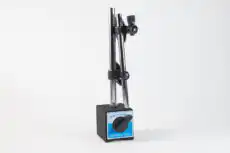

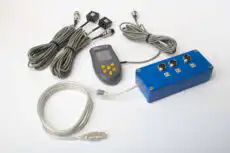
ਵਾਈਬ੍ਰੇਸ਼ਨ ਡਾਇਗਨੌਸਟਿਕਸ ਦਾ ਇੱਕ ਉੱਨਤ ਰੂਪ ਹੈ ਸਥਿਤੀ ਨਿਗਰਾਨੀ ਜਿਸ ਵਿੱਚ ਵਾਈਬ੍ਰੇਸ਼ਨ ਡਾਟਾ ਸਿਰਫ਼ ਇਕੱਠਾ ਹੀ ਨਹੀਂ ਕੀਤਾ ਜਾਂਦਾ, ਸਗੋਂ ਮਸ਼ੀਨ ਦੀ ਸਿਹਤ ਦਾ ਪਤਾ ਲਗਾਉਣ ਅਤੇ ਖਾਸ ਨੁਕਸਾਂ ਦੇ ਮੂਲ ਕਾਰਨ ਦਾ ਪਤਾ ਲਾਉਣ ਲਈ ਡੂੰਘਾਈ ਨਾਲ ਵਿਸ਼ਲੇਸ਼ਣ ਅਤੇ ਵਿਆਖਿਆ ਵੀ ਕੀਤੀ ਜਾਂਦੀ ਹੈ। ਇਹ ਕੱਚੇ ਵਾਈਬ੍ਰੇਸ਼ਨ ਸਿਗਨਲਾਂ ਨੂੰ ਕਾਰਵਾਈਯੋਗ ਰੱਖ-ਰਖਾਅ ਜਾਣਕਾਰੀ ਵਿੱਚ ਬਦਲਣ ਦੀ ਪ੍ਰਕਿਰਿਆ ਹੈ। ਜਿੱਥੇ ਸਧਾਰਨ ਨਿਗਰਾਨੀ ਪੁੱਛਦੀ ਹੈ “ਕੀ ਕੁਝ ਗਲਤ ਹੈ?”, ਡਾਇਗਨੌਸਟਿਕਸ ਵਧੇਰੇ ਔਖਾ ਅਤੇ ਵਧੇਰੇ ਕੀਮਤੀ ਸਵਾਲ ਪੁੱਛਦਾ ਹੈ: “ਬਿਲਕੁਲ ਕੀ ਗਲਤ ਹੈ, ਇਹ ਕਿੰਨਾ ਗੰਭੀਰ ਹੈ, ਅਤੇ ਇਹ ਕਿਉਂ ਹੋਇਆ?”
1. ਪਰਿਭਾਸ਼ਾ: ਵਾਈਬ੍ਰੇਸ਼ਨ ਡਾਇਗਨੌਸਟਿਕਸ ਕੀ ਹੈ?
ਜਦਕਿ ਵਾਈਬ੍ਰੇਸ਼ਨ ਨਿਗਰਾਨੀ ਸਮੁੱਚੇ ਪੱਧਰਾਂ ਦੀ ਨਿਗਰਾਨੀ ਕਰ ਸਕਦਾ ਹੈ ਅਤੇ ਸੀਮਾ ਪਾਰ ਹੋਣ 'ਤੇ ਅਲਾਰਮ ਵਧਾ ਸਕਦਾ ਹੈ, ਡਾਇਗਨੌਸਟਿਕਸ “ਕਿਉਂ” 'ਤੇ ਧਿਆਨ ਕੇਂਦਰਿਤ ਕਰਦਾ ਹੈ। ਇਹ ਅਜਿਹੇ ਸਵਾਲਾਂ ਦੇ ਜਵਾਬ ਲੱਭਦਾ ਹੈ: ਕੀ ਇਹ ਵਾਈਬ੍ਰੇਸ਼ਨ ਇਸ ਕਾਰਨ ਹੈ ਅਸੰਤੁਲਨ ਜਾਂ ਮਿਸਅਲਾਈਨਮੈਂਟ? ਕੀ ਉਹ ਬੇਅਰਿੰਗ ਖਰਾਬ ਹੋ ਰਹੀ ਹੈ? ਕੀ ਗੀਅਰਾਂ, ਕਪਲਿੰਗ ਜਾਂ ਬੁਨਿਆਦ ਵਿੱਚ ਕੋਈ ਸਮੱਸਿਆ ਹੈ? ਇਸ ਲਈ ਡਾਇਗਨੌਸਟਿਕਸ ਖੋਜ ਨਾਲੋਂ ਇੱਕ ਪੱਧਰ ਡੂੰਘਾ ਹੈ: ਇਹ ਵਿਆਖਿਆਤਮਕ ਪਰਤ ਹੈ ਜੋ “ਉੱਚ ਵਾਈਬ੍ਰੇਸ਼ਨ” ਰੀਡਿੰਗ ਨੂੰ ਇੱਕ ਨਾਮਿਤ ਹਿੱਸੇ 'ਤੇ ਇੱਕ ਨਾਮਿਤ ਨੁਕਸ ਵਿੱਚ ਬਦਲ ਦਿੰਦੀ ਹੈ।
ਇਹ ਫਰਕ ਮਹੱਤਵਪੂਰਨ ਹੈ ਕਿਉਂਕਿ ਹਰੇਕ ਨੁਕਸ ਲਈ ਵੱਖਰੀ ਸੁਧਾਰਾਤਮਕ ਕਾਰਵਾਈ ਦੀ ਲੋੜ ਹੁੰਦੀ ਹੈ। ਅਨਬੈਲੇਂਸ ਨੂੰ ਮਿਸਅਲਾਈਨਮੈਂਟ ਨਾਲ, ਜਾਂ ਬੇਅਰਿੰਗ ਨੁਕਸ ਨੂੰ ਢਿੱਲੇਪਣ ਨਾਲ ਗਲਤ ਸਮਝਣਾ, ਮਿਹਨਤ ਬਰਬਾਦ ਕਰਦਾ ਹੈ ਅਤੇ ਅਸਲ ਸਮੱਸਿਆ ਨੂੰ ਬਿਨਾਂ ਹੱਲ ਕੀਤੇ ਛੱਡ ਸਕਦਾ ਹੈ — ਇਸ ਲਈ ਸਹੀ ਡਾਇਗਨੌਸਿਸ ਹੀ ਇੱਕ ਸਥਾਈ ਮੁਰੰਮਤ ਅਤੇ ਦੁਹਰਾਈ ਜਾਣ ਵਾਲੀ ਅਸਫਲਤਾ ਵਿਚਕਾਰ ਫਰਕ ਹੈ।
2. ਡਾਇਗਨੌਸਟਿਕ ਪ੍ਰਕਿਰਿਆ
ਇੱਕ ਆਮ ਵਾਈਬ੍ਰੇਸ਼ਨ ਡਾਇਗਨੌਸਟਿਕਸ ਪ੍ਰਕਿਰਿਆ ਇੱਕ ਢਾਂਚਾਗਤ, ਦੁਹਰਾਈ ਜਾਣ ਯੋਗ ਲੜੀ ਦੀ ਪਾਲਣਾ ਕਰਦੀ ਹੈ:
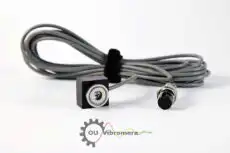
- ਡਾਟਾ ਸੰਗ੍ਰਹਿ: ਸੈਂਸਰਾਂ ਨਾਲ ਉੱਚ-ਗੁਣਵੱਤਾ ਵਾਲਾ ਡਾਟਾ ਇਕੱਠਾ ਕਰਨਾ, ਜਿਵੇਂ ਕਿ ਐਕਸੀਲੇਰੋਮੀਟਰ ਅਤੇ ਇੱਕ ਡਾਟਾ ਵਿਸ਼ਲੇਸ਼ਕ। ਇਸਦਾ ਮਤਲਬ ਹੈ ਸਹੀ ਸੈਂਸਰ ਚੁਣਨਾ, ਇਸਨੂੰ ਸਹੀ ਢੰਗ ਨਾਲ ਮਾਊਂਟ ਕਰਨਾ — ਦੇ ਅਨੁਸਾਰ ISO 5348 — ਅਤੇ ਢੁਕਵੀਆਂ ਸੈਟਿੰਗਾਂ (Fmax, ਰੈਜ਼ੋਲੂਸ਼ਨ, ਐਵਰੇਜਿੰਗ) ਚੁਣਨਾ। ਗਲਤ ਮਾਊਂਟਿੰਗ ਜਾਂ ਗਲਤ Fmax ਉਸ ਨੁਕਸ ਨੂੰ ਲੁਕਾ ਸਕਦਾ ਹੈ ਜਿਸਦੀ ਤੁਸੀਂ ਭਾਲ ਕਰ ਰਹੇ ਹੋ।
- ਸਿਗਨਲ ਪ੍ਰੋਸੈਸਿੰਗ: ਕੱਚੇ ਨੂੰ ਬਦਲਣਾ ਟਾਈਮ ਵੇਵਫਾਰਮ (ਸਮਾਂ ਤਰੰਗ-ਰੂਪ) ਇੱਕ ਵਧੇਰੇ ਉਪਯੋਗੀ ਰੂਪ ਵਿੱਚ, ਆਮ ਤੌਰ 'ਤੇ ਇੱਕ ਫ੍ਰੀਕੁਐਂਸੀ ਸਪੈਕਟ੍ਰਮ ਦੇ ਜ਼ਰੀਏ FFT (ਫਾਸਟ ਫੂਰੀਅਰ ਟ੍ਰਾਂਸਫਾਰਮ)। ਫੇਜ਼ ਵਿਸ਼ਲੇਸ਼ਣ ਅਤੇ ਲਿਫ਼ਾਫ਼ਾ ਬਣਾਉਣਾ (enveloping) ਹੋਰ ਦ੍ਰਿਸ਼ਟੀਕੋਣ ਜੋੜਦੇ ਹਨ।
- ਸਪੈਕਟ੍ਰਲ ਵਿਸ਼ਲੇਸ਼ਣ: ਡਾਇਗਨੌਸਟਿਕਸ ਦਾ ਮੂਲ। ਵਿਸ਼ਲੇਸ਼ਕ ਪੈਟਰਨਾਂ ਲਈ ਸਪੈਕਟ੍ਰਮ ਦੀ ਜਾਂਚ ਕਰਦਾ ਹੈ, ਕਿਉਂਕਿ ਵੱਖ-ਵੱਖ ਨੁਕਸ ਪੂਰਵ-ਅਨੁਮਾਨਯੋਗ ਫ੍ਰੀਕੁਐਂਸੀਆਂ 'ਤੇ ਊਰਜਾ ਪੈਦਾ ਕਰਦੇ ਹਨ। ਉਦਾਹਰਨ ਲਈ:
- ਅਸੰਤੁਲਨ: ਰੋਟਰ ਦੀ 1× 'ਤੇ ਉੱਚ ਐਂਪਲੀਟਿਊਡ ਚੱਲਣ ਦੀ ਗਤੀ, ਜ਼ਿਆਦਾਤਰ ਰੇਡੀਅਲ।
- ਗਲਤ ਅਲਾਈਨਮੈਂਟ: ਚੱਲਣ ਦੀ ਗਤੀ ਦੇ 1× ਅਤੇ ਖਾਸ ਕਰਕੇ 2× 'ਤੇ ਉੱਚ ਐਂਪਲੀਟਿਊਡ, ਅਕਸਰ ਮਜ਼ਬੂਤ ਧੁਰੇ ਦੇ ਨਾਲ ਕੰਬਣੀ.
- ਬੇਅਰਿੰਗ ਦੇ ਨੁਕਸ: ਗੈਰ-ਸਿੰਕਰੋਨਸ, ਉੱਚ-ਫ੍ਰੀਕੁਐਂਸੀ ਪੀਕ ਖਾਸ ਬੇਅਰਿੰਗ ਫਾਲਟ ਫ੍ਰੀਕੁਐਂਸੀਆਂ (BPFO, BPFI, BSF, FTF)।
- ਗੇਅਰ ਦੇ ਨੁਕਸ: ਤੇ ਪੀਕ ਗੀਅਰ ਮੇਸ਼ ਫ੍ਰੀਕੁਐਂਸੀ ਅਤੇ ਇਸਦੇ ਸਾਈਡਬੈਂਡਸ.
- ਨੁਕਸ ਦੀ ਪੁਸ਼ਟੀ: ਡਾਇਗਨੌਸਿਸ ਦੀ ਪੁਸ਼ਟੀ ਕਰਨ ਲਈ ਕਈ ਡਾਟਾ ਕਿਸਮਾਂ ਦੀ ਵਰਤੋਂ ਕਰਨਾ — ਬੇਅਰਿੰਗ ਨੁਕਸ ਦਾ ਪਤਾ ਦੇਣ ਵਾਲੀ ਟੱਕਰ ਲਈ ਟਾਈਮ-ਵੇਵਫਾਰਮ ਸ਼ਕਲ ਦੀ ਜਾਂਚ ਕਰਨਾ, ਜਾਂ ਵਰਤੋਂ ਕਰਨਾ ਫੇਜ਼ ਅਨਬੈਲੇਂਸ ਨੂੰ ਇਸ ਤੋਂ ਵੱਖ ਕਰਨ ਲਈ ਝੁਕਿਆ ਹੋਇਆ ਸ਼ਾਫਟ। ਇੱਕ ਇਕੱਲੀ ਪੀਕ ਬਹੁਤ ਘੱਟ ਹੀ ਕਿਸੇ ਨੁਕਸ ਨੂੰ ਸਾਬਤ ਕਰਦੀ ਹੈ; ਇੱਕ ਪੂਰਾ, ਇਕਸਾਰ ਸਿਗਨੇਚਰ ਕਰਦਾ ਹੈ।
- ਰਿਪੋਰਟਿੰਗ ਅਤੇ ਸਿਫਾਰਸ਼: ਖੋਜਾਂ ਨੂੰ ਸਪਸ਼ਟ ਤੌਰ 'ਤੇ ਸੰਚਾਰਿਤ ਕਰਨਾ — ਪਛਾਣਿਆ ਗਿਆ ਨੁਕਸ, ਇਸਦੀ ਗੰਭੀਰਤਾ, ਅਤੇ ਸਿਫਾਰਸ਼ ਕੀਤੀ ਕਾਰਵਾਈ — ਰੱਖ-ਰਖਾਅ ਸਟਾਫ ਨੂੰ।
3. ਮੁੱਖ ਸੰਦ ਅਤੇ ਤਕਨੀਕਾਂ
ਵਾਈਬ੍ਰੇਸ਼ਨ ਡਾਇਗਨੌਸਟਿਕਸ ਪੂਰਕ ਵਿਸ਼ਲੇਸ਼ਣਾਤਮਕ ਵਿਧੀਆਂ ਦੇ ਇੱਕ ਟੂਲਕਿੱਟ 'ਤੇ ਨਿਰਭਰ ਕਰਦਾ ਹੈ, ਹਰੇਕ ਕੁਝ ਅਜਿਹਾ ਦਿਖਾਉਂਦਾ ਹੈ ਜੋ ਬਾਕੀ ਖੁੰਝ ਜਾਂਦੇ ਹਨ:
- ਸਪੈਕਟ੍ਰਮ ਵਿਸ਼ਲੇਸ਼ਣ (FFT): ਸਿਗਨਲ ਵਿੱਚ ਮੌਜੂਦ ਫ੍ਰੀਕੁਐਂਸੀਆਂ ਦੀ ਪਛਾਣ ਕਰਨ ਲਈ ਮੁੱਖ ਟੂਲ।
- ਟਾਈਮ ਵੇਵਫਾਰਮ ਵਿਸ਼ਲੇਸ਼ਣ: ਸਿਗਨਲ ਸ਼ਕਲ, ਟੱਕਰਾਂ, ਅਤੇ ਮੌਡਿਊਲੇਟਿੰਗ ਘਟਨਾਵਾਂ ਦੇਖਣ ਲਈ ਲਾਭਦਾਇਕ ਜੋ FFT ਵਿੱਚ ਖੁੰਝ ਸਕਦੀਆਂ ਹਨ।
- ਫੇਜ਼ ਵਿਸ਼ਲੇਸ਼ਣ: ਅਨਬੈਲੇਂਸ, ਮਿਸਅਲਾਈਨਮੈਂਟ, ਅਤੇ ਦੀ ਪੁਸ਼ਟੀ ਕਰਨ ਲਈ ਇੱਕ ਮਹੱਤਵਪੂਰਨ ਟੂਲ ਢਿੱਲਾਪਣ, ਅਤੇ ਲਈ ਜ਼ਰੂਰੀ ਹਵਾਲਾ ਬੈਲੇਂਸਿੰਗ.
- ਐਨਵੈਲਪ ਵਿਸ਼ਲੇਸ਼ਣ (ਡੀਮੌਡੂਲੇਸ਼ਨ): ਸ਼ੁਰੂਆਤੀ-ਪੜਾਅ ਦੇ ਬੇਅਰਿੰਗ ਅਤੇ ਗੀਅਰ ਨੁਕਸਾਂ ਨਾਲ ਜੁੜੀਆਂ ਬਹੁਤ ਘੱਟ-ਊਰਜਾ ਵਾਲੀਆਂ, ਦੁਹਰਾਈਆਂ ਜਾਣ ਵਾਲੀਆਂ ਟੱਕਰਾਂ ਦਾ ਪਤਾ ਲਗਾਉਣ ਦੀ ਤਕਨੀਕ।
- ਆਰਡਰ ਵਿਸ਼ਲੇਸ਼ਣ: ਵੇਰੀਏਬਲ-ਸਪੀਡ ਮਸ਼ੀਨਾਂ ਲਈ ਵਰਤੀ ਜਾਂਦੀ ਹੈ, ਵਾਈਬ੍ਰੇਸ਼ਨ ਨੂੰ ਸਥਿਰ ਫ੍ਰੀਕੁਐਂਸੀਆਂ ਦੀ ਬਜਾਏ ਚੱਲਣ ਦੀ ਗਤੀ ਦੇ ਗੁਣਾਂਕਾਂ (ਆਰਡਰ) ਨਾਲ ਜੋੜਦੀ ਹੈ।
- ਓਪਰੇਟਿੰਗ ਡਿਫਲੈਕਸ਼ਨ ਸ਼ੇਪ (ODS): ਇੱਕ ਐਨੀਮੇਸ਼ਨ ਜੋ ਦਿਖਾਉਂਦੀ ਹੈ ਕਿ ਇੱਕ ਮਸ਼ੀਨ ਜਾਂ ਢਾਂਚਾ ਇੱਕ ਦਿੱਤੀ ਫ੍ਰੀਕੁਐਂਸੀ 'ਤੇ ਅਸਲ ਵਿੱਚ ਕਿਵੇਂ ਹਿਲਦਾ ਹੈ, ਦਾ ਡਾਇਗਨੌਸਿਸ ਕਰਨ ਲਈ ਕੀਮਤੀ ਰੈਜ਼ੋਨੈਂਸ (ਅਨੁਨਾਦ) ਅਤੇ ਢਾਂਚਾਗਤ ਕਮਜ਼ੋਰੀ।
4. ਖੇਤਰ ਵਿੱਚ ਡਾਇਗਨੌਸਟਿਕਸ — ਪਹਿਲਾਂ ਪੁਸ਼ਟੀ ਕਰੋ, ਫਿਰ ਸੁਧਾਰੋ
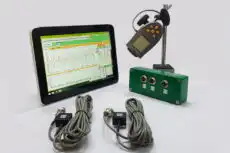
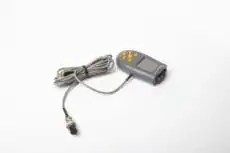
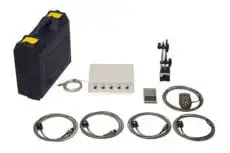
ਜ਼ਿਆਦਾਤਰ ਡਾਇਗਨੌਸਟਿਕ ਕੰਮ ਚੱਲ ਰਹੇ ਪਲਾਂਟ 'ਤੇ ਹੁੰਦਾ ਹੈ, ਲੈਬ ਵਿੱਚ ਨਹੀਂ। ਇੱਕ ਰੱਖ-ਰਖਾਅ ਇੰਜੀਨੀਅਰ ਇੱਕ ਪੋਰਟੇਬਲ ਇੰਸਟਰੂਮੈਂਟ ਲੈ ਕੇ ਆਉਂਦਾ ਹੈ, ਹਰੇਕ ਬੇਅਰਿੰਗ 'ਤੇ ਇੱਕ ਐਕਸੀਲਰੋਮੀਟਰ ਮਾਊਂਟ ਕਰਦਾ ਹੈ, ਸਪੈਕਟ੍ਰਾ ਅਤੇ ਫੇਜ਼ ਕੈਪਚਰ ਕਰਦਾ ਹੈ, ਅਤੇ ਸਾਈਟ 'ਤੇ ਹੀ ਡਾਇਗਨੌਸਿਸ ਬਣਾਉਂਦਾ ਹੈ। ਜਦੋਂ ਫੈਸਲਾ ਅਨਬੈਲੇਂਸ ਦਾ ਹੁੰਦਾ ਹੈ, ਤਾਂ ਉਹੀ ਦੌਰਾ ਇਸਨੂੰ ਹੱਲ ਕਰ ਸਕਦਾ ਹੈ: ਇੱਕ ਦੋ-ਚੈਨਲ ਵਿਸ਼ਲੇਸ਼ਕ ਅਤੇ ਫੀਲਡ ਬੈਲੈਂਸਰ ਜਿਵੇਂ ਕਿ Balanset-1A 1× ਐਂਪਲੀਟਿਊਡ ਅਤੇ ਫੇਜ਼ ਨੂੰ ਮਾਪਦਾ ਹੈ, ਇਨਫਲੂਐਂਸ ਕੋਐਫੀਸ਼ੀਐਂਟਸ ਦੀ ਗਣਨਾ ਕਰਦਾ ਹੈ, ਅਤੇ ਮਸ਼ੀਨ ਦੀਆਂ ਆਪਣੀਆਂ ਬੇਅਰਿੰਗਾਂ ਵਿੱਚ ਸਿੰਗਲ- ਜਾਂ ਟੂ-ਪਲੇਨ ਸੁਧਾਰ ਦਾ ਮਾਰਗਦਰਸ਼ਨ ਕਰਦਾ ਹੈ — ਇੱਕੋ ਦੌਰੇ ਵਿੱਚ ਡਾਇਗਨੌਸਿਸ ਅਤੇ ਹੱਲ। ਗੰਭੀਰਤਾ ਦਾ ਫਿਰ ਇੱਕ ਪ੍ਰਵਾਨਿਤ ਮਿਆਰ ਦੇ ਵਿਰੁੱਧ ਨਿਰਣਾ ਕੀਤਾ ਜਾਂਦਾ ਹੈ ਜਿਵੇਂ ਕਿ ਆਧੁਨਿਕ ISO 20816 ਸੀਰੀਜ਼ (ISO 10816 ਦਾ ਉੱਤਰਾਧਿਕਾਰੀ), ਜੋ ਵਾਈਬ੍ਰੇਸ਼ਨ ਨੂੰ ਮਸ਼ੀਨ ਦੀ ਕਿਸਮ ਅਤੇ ਮਾਊਂਟਿੰਗ ਅਨੁਸਾਰ ਸਵੀਕ੍ਰਿਤੀ ਜ਼ੋਨਾਂ ਵਿੱਚ ਵਰਗੀਕ੍ਰਿਤ ਕਰਦੀ ਹੈ।
5. ਟੀਚਾ: ਪ੍ਰਤੀਕਿਰਿਆਸ਼ੀਲ ਤੋਂ ਸਰਗਰਮ ਵੱਲ
ਵਾਈਬ੍ਰੇਸ਼ਨ ਡਾਇਗਨੌਸਟਿਕਸ ਦਾ ਅੰਤਿਮ ਟੀਚਾ ਇੱਕ ਸਰਗਰਮ ਰੱਖ-ਰਖਾਅ ਰਣਨੀਤੀ ਦਾ ਸਮਰਥਨ ਕਰਨਾ ਹੈ। ਅਸਫਲਤਾ ਦੇ ਮੂਲ ਕਾਰਨਾਂ — ਮਿਸਅਲਾਈਨਮੈਂਟ, ਰੈਜ਼ੋਨੈਂਸ, ਗਲਤ ਲੁਬਰੀਕੇਸ਼ਨ, ਢਾਂਚਾਗਤ ਢਿੱਲੇਪਣ — ਦੀ ਪਛਾਣ ਕਰਕੇ, ਸੰਸਥਾਵਾਂ ਸਿਰਫ਼ ਟੁੱਟੀਆਂ ਮਸ਼ੀਨਾਂ ਨੂੰ ਠੀਕ ਕਰਨ ਤੋਂ ਅੱਗੇ ਵਧ ਸਕਦੀਆਂ ਹਨ ਅਤੇ ਉਹਨਾਂ ਹਾਲਤਾਂ ਨੂੰ ਖਤਮ ਕਰਨਾ ਸ਼ੁਰੂ ਕਰ ਸਕਦੀਆਂ ਹਨ ਜੋ ਉਹਨਾਂ ਨੂੰ ਪਹਿਲੀ ਥਾਂ 'ਤੇ ਅਸਫਲ ਹੋਣ ਦਾ ਕਾਰਨ ਬਣਦੀਆਂ ਹਨ। ਇਹ ਇੱਕ ਪਰਿਪੱਕ ਸਥਿਤੀ-ਆਧਾਰਿਤ ਰੱਖ-ਰਖਾਅ ਪ੍ਰੋਗਰਾਮ ਦਾ ਆਧਾਰ ਬਣਦਾ ਹੈ, ਜੋ ਮਹੱਤਵਪੂਰਨ ਤੌਰ 'ਤੇ ਬਿਹਤਰ ਭਰੋਸੇਯੋਗਤਾ, ਲੰਬੀ ਸੰਪਤੀ ਉਮਰ, ਅਤੇ ਘੱਟ ਕੁੱਲ ਲਾਗਤ ਪ੍ਰਦਾਨ ਕਰਦਾ ਹੈ।

