Разумевање анализе реда за машине са променљивом брзином
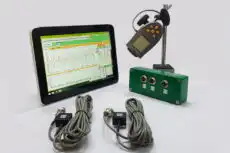


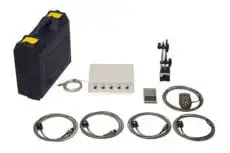

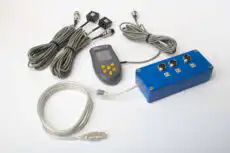
Анализа реда је специјализована Анализа вибрација Техника изграђена за машине које не раде при једној, константној брзини. Уместо да приказује амплитуду у односу на фиксну осу фреквенције у Hz или CPM, она приказује амплитуду у односу на налози — множитељи тренутног радна брзина. Први ред је вибрација на тачно 1× (брзина рада), други ред је 2× те брзине, и тако даље. Везујући анализу за сам вратило, а не за такт, анализа по редовима одржава јасноћу компоненти везаних за брзину без обзира на то како машина убрзава или кочи.
1. Дефиниција: Шта је ред?
Један наручити је хармоника основне ротационе брзине. Пошто многи кварови на машинама изазивају вибрације на целим множитељима брзине вратила, представљање спектра у редовима мапира сваки пик директно на физички узрок. Први ред готово увек носи неравнотежа; други ред је класични маркер неусклађеност и одређена стања опуштености; више цели бројских редова се односе на мрежа зупчаника, лопатица или блейд-пас догађаји повезани са бројем елемената на ротору. Нецели (децимални) редови означавају субсинхрони феномене као што су вртлог уља или дефекти појаса. Укратко, осовина реда је дијагностичка мапа која се креће заједно са ротором.
2. Зашто стандардна ФФТ не успева на машинама променљиве брзине
Традиционални Брза Фуријеова трансформација (FFT) узорци вибрације у фиксном прозору од време и претпоставља да је брзина константна за то прозорско време. На машини са константном брзином ово је савршено. Али ако се брзина вратила мења док се подаци прикупљају, свака компонента везана за брзину помера се кроз спектар током снимања. Њена енергија се размаже преко више суседних фреквенцијских интервала, стварајући широк, низак, нејасан гребен уместо чисте линије. Пик неравнотеже од 1× који би требало да доминира спектром може се изравнати у шум — немогуће га је прецизно прочитати и бескорисно за у тренду. Ово размазивање је исти механизам иза спектрално цурење, појачано променом обртаја у минути. Анализа реда је развијена посебно да би га савладала.
3. Решење: праћење реда
Омогућавајућа техника је праћење реда, и зависи од другог улаза: а тахометар (или “тахо”) испоручује импулс који се јавља једном по револуцији осовине. Анализатор третира овај низ импулса — а не свој унутрашњи кристални такт — као временску основу. Уместо да узоркује у фиксним временским интервалима (на пример, сваке милисекунде), оно узоркује у фиксним угаони интервали (на пример, сваки степен ротације). Ово је познато као ресамплирање у домену углова.
Два метода су уобичајена. Апаратско (синхроно) узорковање покреће аналогно-дигитални конвертор директно из фазно-закључаног множитеља тахо-пулса, тако да сваки круг увек даје исти број узорака. Праћење реда (софтвер) узоркује на високој фиксној брзини, а затим дигитално поново интерполира снимак на кораке под једнаким угловима користећи снимљено тахо-времење. У сваком случају, резултујућа трансформација се изражава у редовима, а не у Хз. Ако машина промени брзину, 1× линија остаје на месту у првом реду као висок, узан врх — размазивање нестаје. Тахо такође обезбеђује фаза референцу, која омогућава анализатору да изгради Bode и Најквист дијаграме током покретања.
Кључна идеја: анализа по редоследу везује прикупљање података за вратило угао уместо време, тако да брзинско-синхрона вибрација остаје оштра на сваком обртају у минути.
4. Кључне примене
Анализа реда је незаменљива где год брзина није константна:
- Испитивање возила и мотора: решавање вибрација мотора, мењача и погонског склопа у целом опсегу обртаја у минути.
- Ветротурбине: Брзина ротора непрекидно прати ветар, па је приказ са фиксном фреквенцијом бесмислен — анализа по редоследу је од суштинске важности.
- Анализа убрзавања и кочења: Прикупљање вибрација при покретању или заустављању машине је моћан начин за лоцирање критичне брзине и резонансе; праћење реда одржава настало coast-down дијаграме чисте и читљиве.
- Клипне машине: компресори и мотори чија тренутна брзина варира унутар сваког циклуса.
- Тешка и мобилна механизација: опрема за земљане радове, рударска возила и други погони са променљивом брзином.
5. Како су приказани подаци о анализи реда
Резултати се приказују у неколико комплементарних формата:
- Спектрум: амплитуда у односу на редове — као код стандардне ФФТ, али са редовима на x-осу.
- Водопад или каскада дијаграм: наслојени 3D скуп спектра пореда који показује како амплитуда сваког поретка еволуира са променом брзине.
- Бодеов график: амплитуда и фаза једног праћеног реда (обично 1× или 2×) приказани у односу на брзину машине, основна компонента тестирања убрзавања/успоравања.
- Кембелов дијаграм: линије реда преклапају се са природним фреквенцијама система, тако да се резонанца јавља сваки пут када линија реда пресече линију природне фреквенције.
A праћење филтера може да издвоји један ред у реалном времену за завршне радове, и а Калкулатор дијаграма Кембела помаже да се предвиди где ће се та пресецања догодити пре тестирања.
6. Анализа у пракси теренског рада
На поду производње анализа реда подржава уравнотежење на машинама које не могу да одрже стабилну брзину. Портабилни двоканални инструмент као што је Balanset-1A користи свој оптички ласерски тахометар да би синхронизовао податке о вибрацијама са углом вратила, тако да 1× компонента неравнотеже коју мери за балансирање на терену остаје чиста чак и на вентилатору или пумпи чији се обртни број (RPM) мења под оптерећењем. Исти приступ референсиран тахометром омогућава анализатору да одвоји брзински синхрони 1× пик од шума фиксне фреквенције као што су фреквенције кварова лежајева, пружајући поуздано читање тешке тачке. У суштини, анализа реда је оно што претвара податке о вибрацијама машине променљиве брзине у нешто на основу чега инжењер може да реагује — прецизно дијагностикујући здравље било ког ротора који ради у опсегу брзина.

