Kuelewa BPFO — Mzunguko wa Kupita kwa Mpira kwenye Rekodi ya Nje


BPFO (Mzunguko wa Kupita kwa Kipande cha Kusonga, Rekodi ya Nje) ni moja ya misingi minne ya msingi taajweza za kosa la kuzaa na inaelezea kasi ambayo vipande vya kusonga — mipira au vitundu — hupita juu ya kasoro kwenye rekodi ya nje iliyosimama ya bea ya vipande vya kusonga. Wakati ufa, nyufa, au shimo lipo kwenye rekodi hiyo, kila kipande cha kusonga hugonga hitilafu hiyo kinapopita, na kutoa mgongano unaorudiwa rudiwa unaoenea vibration kwa mzunguko wa BPFO. Katika familia inayojumuisha pia BPFI, BSF, and FTF, BPFO kwa kawaida ndiyo yenye thamani zaidi ya utambuzi wa kasoro: kasoro za rekodi ya nje ndizo aina ya kawaida zaidi ya kushindwa kwa beari, ikihesabu takriban 40% ya kushindwa kote kwa bea za vipande vya kusonga. Kuigundua kilele cha BPFO mapema huruhusu mtaalamu wa uchambuzi kutambua tatizo la rekodi ya nje miezi mingi kabla ya bea haijashindwa kabisa.
1. Hesabu ya Kihisabati
BPFO inategemea kabisa jiometri ya ndani ya bea na kasi ya shimsia, ambayo ndiyo inayofanya kuwa alama ya utambuzi ya kutegemewa — bea ile ile daima hutoa uwiano sawa wa sifa kwa running speed.
Formula
BPFO = (N × n / 2) × [1 − (Bd / Pd) × cos β]
Variables
- N = idadi ya vipande vya kusonga (mipira au vitundu) kwenye bea.
- n = shaft rotational frequency kwa Hz (yaani RPM ÷ 60).
- Bd = diameter ya mpira au roller.
- Pd = kipenyo cha tani (kipenyo cha mzunguko unaopita katikati ya vipande vya kusonga).
- β = contact angle (typically 0° for radial ball bearings, 15–40° for angular-contact bearings).
Hesabu hiyo hiyo inategemeza BPFI, BSF, na FTF, na kupata neno sahihi la jiometri ni muhimu. Ikiwa hupendelei kuandika mlinganyo kwa mkono, programu ya Kikokotoo cha Masafa ya Kasoro ya Vipakira inarudisha mzunguko wote minne kutoka kwa vipimo vya bea na kasi.
Ukadiriaji Rahisi
Kwa bea zisizo na pembe ya mguso (β = 0°) neno la kosini huondoka, na kanuni ya vitendo yenye manufaa inaibuka:
- BPFO ≈ (N × n / 2) × [1 − Bd/Pd].
- Kwa bea ya kawaida yenye Bd/Pd ≈ 0.2, hii inatoa BPFO ≈ 0.4 × N × n — yaani, takriban 40% ya (idadi ya mipira × mzunguko wa shimsia).
- The companion BPFI uses a plus sign in the bracket and so lands at the higher ≈ 0.6 × N × n. Keeping the two straight is the single most common source of misdiagnosis.
Typical Values
- For bearings with 8–12 rolling elements, BPFO usually falls between roughly 3× and 5× shaft speed — well above the 1×, 2×, 3× harmonics ya kasi ya uendeshaji, ambayo inasaidia kuitenganisha na unbalance and misalignment.
- Example: a 10-ball bearing at 1800 RPM (30 Hz) gives BPFO ≈ 107 Hz, about 3.6× shaft speed.
2. Utaratibu wa Kimwili
Kwa Nini Kasoro za Mzunguko wa Nje Zinazalisha BPFO
Katika mifumo mingi ya usakinishaji, mzunguko wa nje umefungwa bila kusogea ndani ya kikapu, huku mzunguko wa ndani ukizunguka pamoja na mhimili, na tofauti hiyo ndiyo ufunguo wa mzunguko:
- Kasoro — kipande kilichoachika au tundu — iko mahali pamoja pasipobadilika kwenye mzunguko wa nje.
- Kikapu kinapozunguka, hubeba vipande vya mviringo kuzunguka njia ya mzunguko.
- Kila kipande cha mviringo kupita kwa mfululizo hupita juu ya eneo lenye kasoro.
- Mpira unapogonga hitilafu hiyo, mgongano mfupi au “kishindo” hutokea.
- Ukiwa na vipande N vya mviringo, kasoro hugongwa mara N kwa kila mapinduzi ya kikapu.
- Kwa sababu kikapu kinazunguka kwa kasi ya takriban 0.4× ya mhimili (the mzunguko wa msingi wa treni) na kila mpira hugonga mara moja kwa kila mzunguko wa kikapu, kiwango cha jumla cha mgongano wa N × mzunguko wa kikapu ni sawa na BPFO.
Sifa za Mgongano
- Kila mgongano ni mfupi sana — unaodumu microseconds chache.
- Migongano hiyo ni ya mara kwa mara kwa mzunguko wa BPFO.
- Nishati ya mgongano huo huchochea mitetemo ya muundo wa masafa ya juu kwenye beari na kikapu chake, ambayo ndiyo hasa uchambuzi wa envelope exploits.
- Asili ya kurudiwa mara kwa mara hutoa kilele cha wigo wazi na kilichofafanuliwa vizuri.
3. Saini ya Mtetemo katika Wigo
Katika Wigo wa Kawaida wa FFT
- Primary peak: katika mzunguko wa BPFO.
- Harmonics: at 2×, 3×, and 4×BPFO, whose number tends to grow with defect severity.
- Sidebands: possible ±1× sidebands ikiwa mzunguko wa nje unaweza kusogea kidogo, au kutokana na mabadiliko ya eneo la mzigo rotor inapozunguka.
- Amplitude: huongezeka kasoro inavyoenea.
Katika Wigo wa Bahasha
The spectri ya envelope ndipo kasoro za mzunguko wa nje zinapojidhihirisha mapema zaidi. Kuondoa mawimbi ya juu ya masafa ya resonansi hufanya kilele cha BPFO kuwa wazi zaidi na chenye nguvu kuliko katika FFT, huonyesha harmoniki kwa uwazi, hupunguza usumbufu kutoka kwa mtetemo wa masafa ya chini, na inaweza kugundua kasoro miezi kadhaa kabla haijoonekana katika wigo wa kawaida.
Mwenendo wa Kawaida wa Amplitudo
- Incipient: 0.1–0.5 g (bahasha), haitambuliki kwa urahisi.
- Early: 0.5–2 g, kilele wazi cha BPFO chenye harmoniki moja au mbili.
- Moderate: 2–10 g, harmoniki nyingi zenye mabendi ya pembeni yanayoonekana.
- Advanced: >10 g, harmoniki nyingi na sakafu ya kelele iliyoinuka.
4. Kwa Nini Kasoro za Mzunguko wa Nje Ni za Kawaida Zaidi
Mambo matatu yanayoingiliana yanafafanua kwa nini mzunguko wa nje hushindwa kwanza mara nyingi zaidi kuliko mzunguko wa ndani au vipande vya kuviringa.
Mkusanyiko wa Mzigo
- Kwenye shimoni la kawaida la usawa, eneo la mzigo liko chini ya beari.
- Upinde wa chini wa mzunguko wa nje kwa hivyo hubeba sehemu kubwa ya mzigo.
- Kupakia sehemu ile ile mara kwa mara huharakisha uchovu wa mguso wa kuviringa huko.
- Mzunguko wa ndani, kwa upande wake, huzunguka na kusambaza mzigo kuzunguka mzingo wake wote.
Msongo wa Usakinishaji
- Mzunguko wa nje uliobonyezwa ndani ya nyumba unaweza kudhurika wakati wa usakinishaji.
- Miunganiko ya kuingiliana huacha msongo wa mabaki kwenye pete.
- Kuinamia au kutofanana wakati wa usakinishaji hudhuru mzunguko wa nje moja kwa moja.
Athari za Uchafu
- Chembe za uchafu huwa na mwelekeo wa kuingia kwenye beari kupitia njia ya mzunguko wa nje (outer race).
- Uchafu hukusanyika katika eneo la mzunguko wa nje (outer race).
- Chembe ngumu hujipachika ndani ya nyenzo laini ya jamaa ya mzunguko wa nje (outer race), na hivyo kuanzisha kasoro.
5. Umuhimu wa Uchunguzi wa Hitilafu na Ufuatiliaji
Uaminifu wa Juu wa Uchunguzi wa Hitilafu
BPFO ni miongoni mwa viashiria vya kuaminika zaidi katika vibration analysis. Mzunguko wake unaweza kukokotolewa kwa usahihi na ni wa kipekee kwa kila jiometri ya beari, kwa hivyo hauwezekani kuchanganyikiwa na miundo mingine ya mzunguko wa mashine; unafuata mfululizo wazi kadri kasoro inavyozidi; na uhusiano kati ya ukubwa wa mzunguko na ukubwa wa kasoro unaeleweka vizuri.
Tathmini ya Ukali wa Kasoro
- Idadi ya harmoni: harmoni nyingi zaidi zinaashiria kasoro iliyoendelea zaidi.
- Kilele cha amplitude: ukubwa wa juu zaidi wa mzunguko unaashiria eneo kubwa zaidi la kasoro.
- Uwepo wa mawimbi ya pembezoni (sidebands): mawimbi mengi ya pembezoni yanaashiria moduli, mara nyingi kutokana na mabadiliko ya eneo la mzigo.
- Noise floor: kiwango cha chini kilichoinuliwa kinaashiria kuharibika kwa upana kwa uso badala ya kasoro moja mahususi.
BPFO dhidi ya BPFI na Mawimbi ya Pembezoni ya 1×
Kwa beari fulani, BPFI always sits higher than BPFO — the ratio BPFI/BPFO is typically about 1.6–1.8. Where both appear together, multiple defects (and an advanced failure) are indicated; BPFO commonly arrives first, with BPFI developing later as secondary damage. The ±1× sidebands sometimes seen around the BPFO peak arise because, although the outer race is nominally stationary, a loose fit can let it creep slightly, and load-zone variation as the rotor orbits modulates the impact amplitude.
Mkakati wa Vitendo wa Ufuatiliaji
Utaratibu unaofaa ni uchambuzi wa envelope kila mwezi au kila robo ya mwaka katika kila eneo la beari, ukiwa na ugunduzi wa moja kwa moja wa kilele cha BPFO na ufuatiliaji wa mwenendo, na kengele iliyowekwa kwa takriban 2–3× ya baseline amplitude, and historical trending to project the time to failure. When a BPFO peak is detected, confirm it: verify the frequency matches the calculated value within about ±5%, check for 2× and 3× harmonics, look for the characteristic sideband pattern, compare against the same bearing position on sister machines (the signature should be unique to the defective unit), and step up the monitoring interval to weekly or daily.
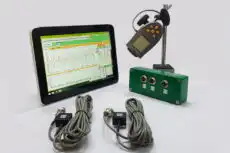
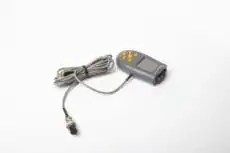
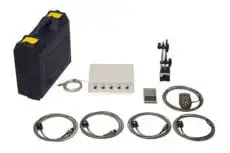
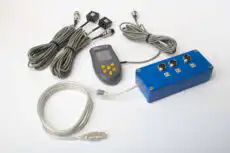
Kwa sababu BPFO inategemea kasi sahihi ya shimoni, usomaji sahihi wa running-speed ni muhimu sana — makosa ya asilimia chache ya kasi yatabadilisha kila mzunguko wa beari uliokokotolewa. Kipimo cha rununu cha njia mbili kama vile Balancet-1A, inayotumiwa na kipengele chake cha macho kichawi cha tachometer kwa marejeleo sahihi ya RPM, huruhusu fundi wa kukagua vifaa uwandani kupata wigo wa mtetemo, kufunga mara kwa mara za beari kwenye kasi ya kweli ya mhimili, na kuthibitisha kasoro inayoshukiwa kwenye taji ya nje ya beari mahali pale pale kabla ya kufanya maamuzi ya kubadilisha beari.
Ugunduzi na ufuatiliaji wa BPFO ni moja ya matumizi yenye mafanikio zaidi ya uchanganuzi wa mtetemo katika matengano ya tabiri, ukizuia makosa ya beari na kuwezesha uingizwaji unaotegemea hali ya vifaa, jambo linaloongeza kutegemewa kwa mitambo na kupunguza gharama za matengenezo.

